
Ireland doesn’t do waterfalls by halves. For a small island it packs in a huge number of them, from roadside cascades you can pull over and photograph in two minutes to serious hikes that end at a wall of falling water. This is our rundown of the best waterfalls in Ireland, the ones actually worth pointing the car at.
Some of these are famous. Powerscourt in Wicklow is the tallest in the country and gets busy. Torc in Kerry sits right off the Ring of Kerry and takes about five minutes to reach from the parking lot. Others, like Assaranca in Donegal or the Devil’s Chimney in Sligo, you could easily drive past without knowing they were there.
They also range wildly in effort. A few are a short stroll from the road. A couple need a proper walk in wet boots. That matters when you’re planning a day, so I’ve flagged which is which as we go.
Below I’ll go through eleven of them across the country, from the big names to the ones most itineraries leave off, then cover the best time to go, a few practical tips for visiting, and where to base yourself nearby.
Quick Answer:
The best waterfalls in Ireland run from Powerscourt in Wicklow, the tallest at 121 meters, to Torc in Killarney, Glencar in Leitrim, and Assaranca in Donegal. Some are a few steps from the car, others need a proper walk. They are fullest after heavy rain, so autumn and winter are the best times to see them at full flow.
More Irish Nature and National Park Guides
- National Parks in Ireland: Complete Guide to All 6
- Best Forest Parks in Ireland: 14 Worth the Drive
- The Best Coastal Walks in Ireland: 10 Cliff & Sea Trails
- 15 Best Hikes in Ireland: A Local’s Trail Guide
Powerscourt Waterfall in Wicklow
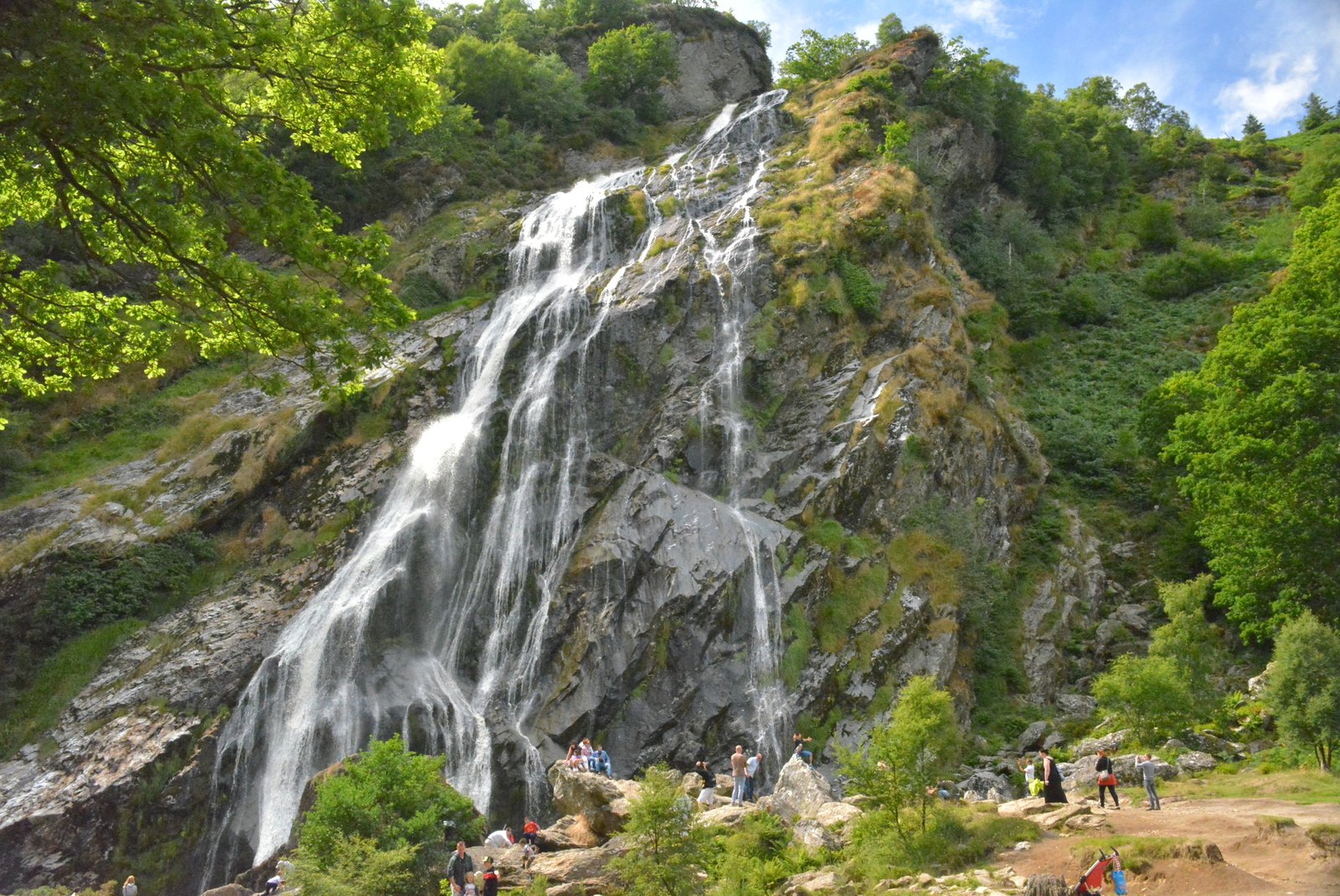
This is the tall one. Powerscourt drops 121 meters (about 398 feet), which makes it the highest permanent waterfall in Ireland, and it’s an easy day trip at roughly an hour south of Dublin.
First thing to clear up, because it trips people up: the waterfall is not at the famous Powerscourt House and Gardens. It’s a few miles down the road with its own entrance and its own fee, so don’t punch the gardens into your maps and expect to see water.
Effort-wise this one is about as easy as they come. There’s a parking lot right at the bottom, and it’s a flat couple of minutes on foot to the base. You can be out of the car and looking up at it before you’ve finished your coffee.

The catch is the crowds. It’s one of the busiest natural spots in Wicklow, there are picnic tables and open grass at the base, and on a warm weekend it fills up with families. Go on a weekday if you can, and go after a good stretch of rain, when the fall is at full power rather than a thin trickle down the rock.
There’s an entry fee per car, so check the Powerscourt Waterfall site for current prices and opening hours before you drive out, as the gate times shift with the season and it closes early in winter.
Even with the crowds, it earns its spot on this list. It’s the biggest drop in the country, it takes almost no walking to reach, and it pairs neatly with the rest of a day in Wicklow.
Torc Waterfall in Kerry
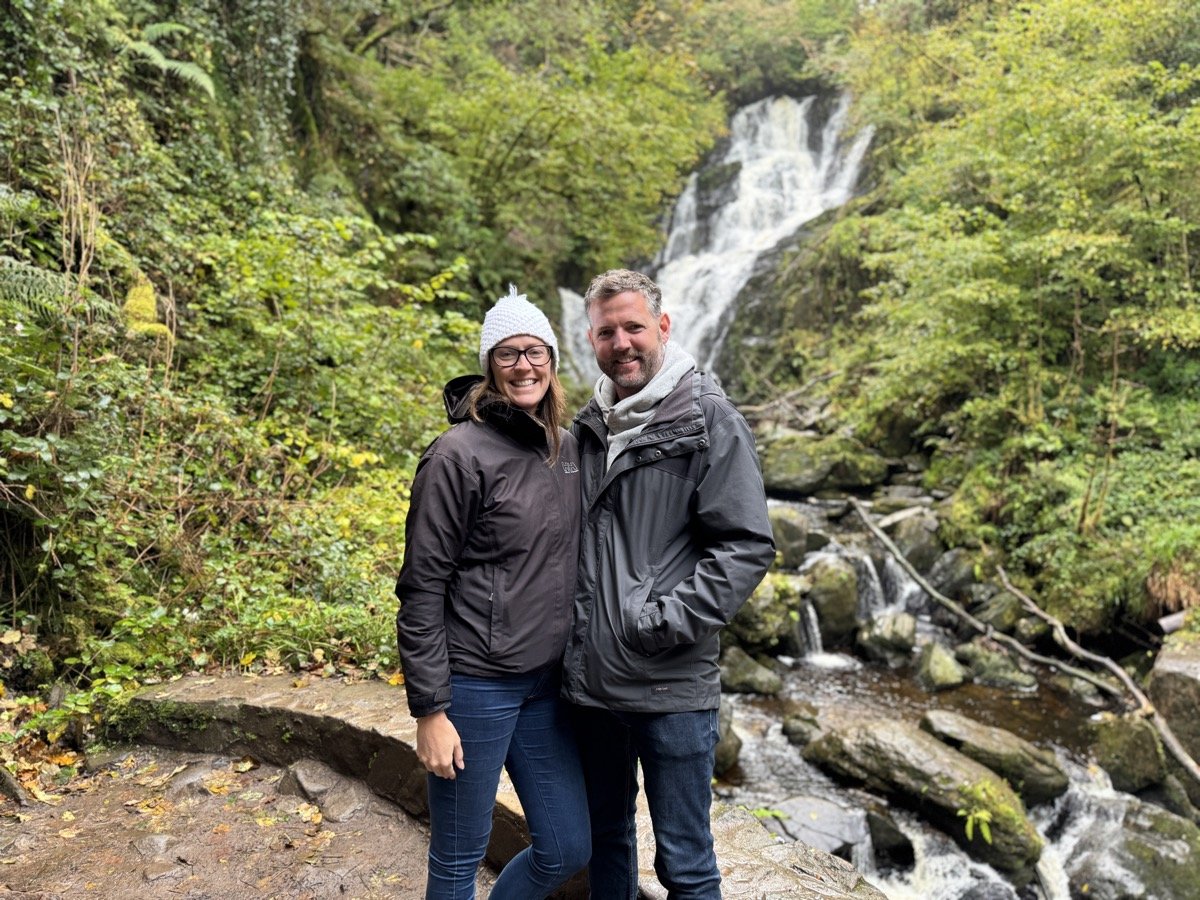
If Powerscourt is the tall one, Torc is the easy one. It’s about 20 meters high, tucked into Killarney National Park, and it’s one of the simplest waterfalls in the country to actually get to.
It sits right off the N71, the main Ring of Kerry road, roughly 7 km south of Killarney town. There’s a parking lot at the base, and from there it’s a short walk of a couple hundred meters up a paved path through the trees to the bottom of the falls.
That accessibility is exactly why it gets busy. It’s on every Ring of Kerry itinerary, the tour buses stop here, and in peak summer the little viewing area at the base can get crowded. Come early in the morning or later in the day and you’ll have a lot more room. If you’d rather not drive the Ring yourself, you can book a Ring of Kerry day tour on GetYourGuide that runs right past Torc.
If you want to earn a bit more, there’s a set of stone steps that climbs up beside the falls. It’s steep and there are a lot of them, but at the top you get a view back over Killarney’s lakes. A lot of visitors only bother with the bottom, so the climb thins out fast.
Like a lot of Irish waterfalls, it’s at its best after rain, when the water is really moving over the rocks rather than trickling. It’s also free to visit and part of Killarney National Park, so you can pair it with Muckross House and the lakes for a full day.
It’s not the biggest or the wildest on this list, but for how little effort it takes, Torc is one of the best value stops in Kerry.
Glencar Waterfall in Leitrim
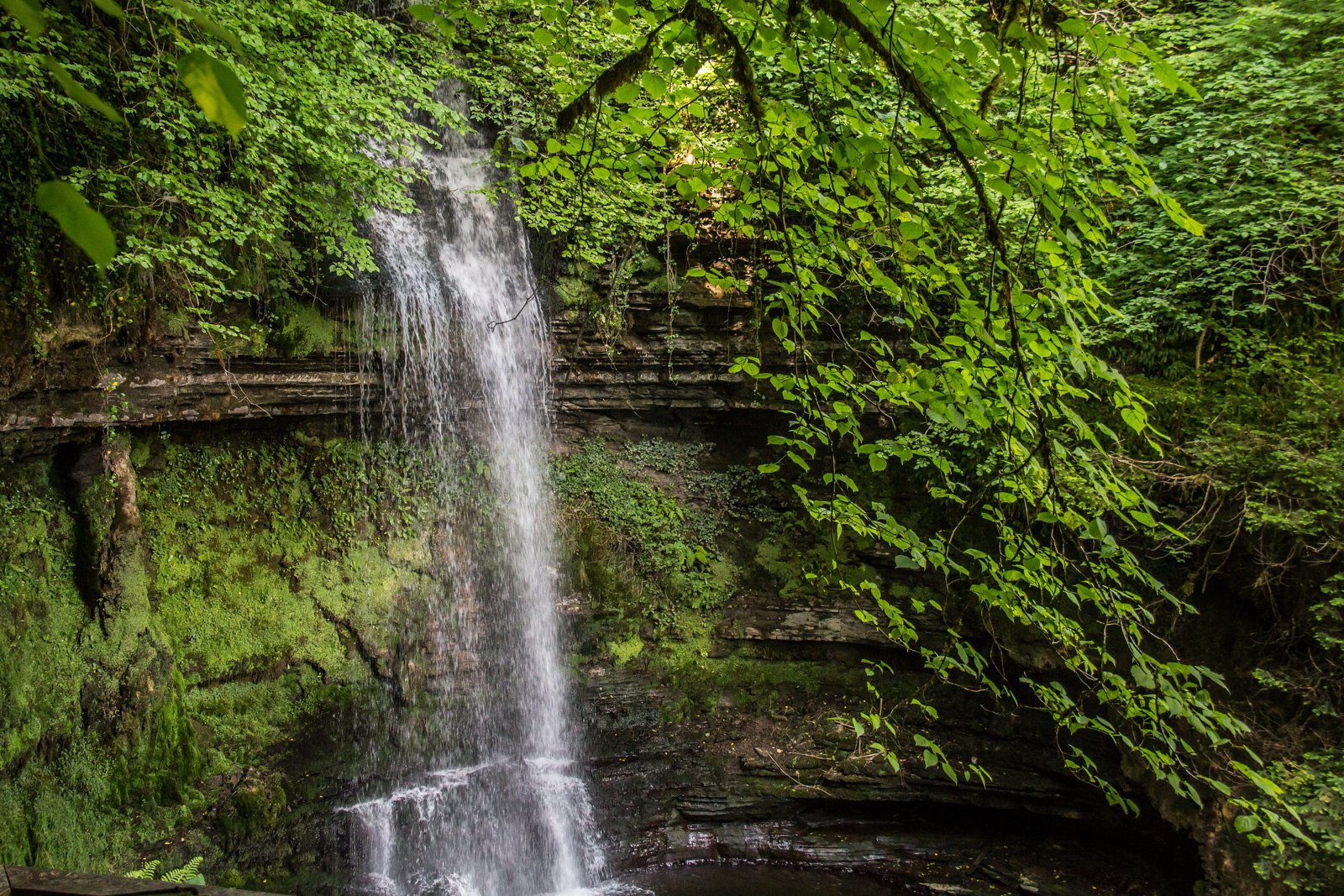
Glencar sits just over the border into County Leitrim, a few minutes’ drive from Sligo town, at the western end of Glencar Lough. It’s about 15 meters high and drops in a thin ribbon down a mossy rock face into the trees, which is a different look from the wide, powerful falls further south.
This one is an easy stop. There’s a parking lot right there, and it’s a short walk of a few minutes on a maintained path and some steps up to the viewing platform at the base. No wet boots required, so it’s an easy add-on if you’re driving through Sligo or Leitrim.
Glencar’s real claim to fame is the poetry. W.B. Yeats grew up around Sligo and name-checked the falls in “The Stolen Child,” with the line about the wandering waters gushing from the hills above Glen-Car. That connection is a big part of why it draws people, so expect company on a nice weekend.
Like every waterfall on this list, it lives and dies by the rain. After a wet spell it really moves down the rock, and in a dry stretch it can slow to a trickle. This is a soggy corner of Ireland, though, so your odds of catching it flowing are pretty good.
It’s free to visit, there’s a café by the lake for after, and it pairs well with the surrounding Yeats country. For how little effort it takes to reach, Glencar is worth the short detour off the main road.
Devil’s Chimney in Sligo
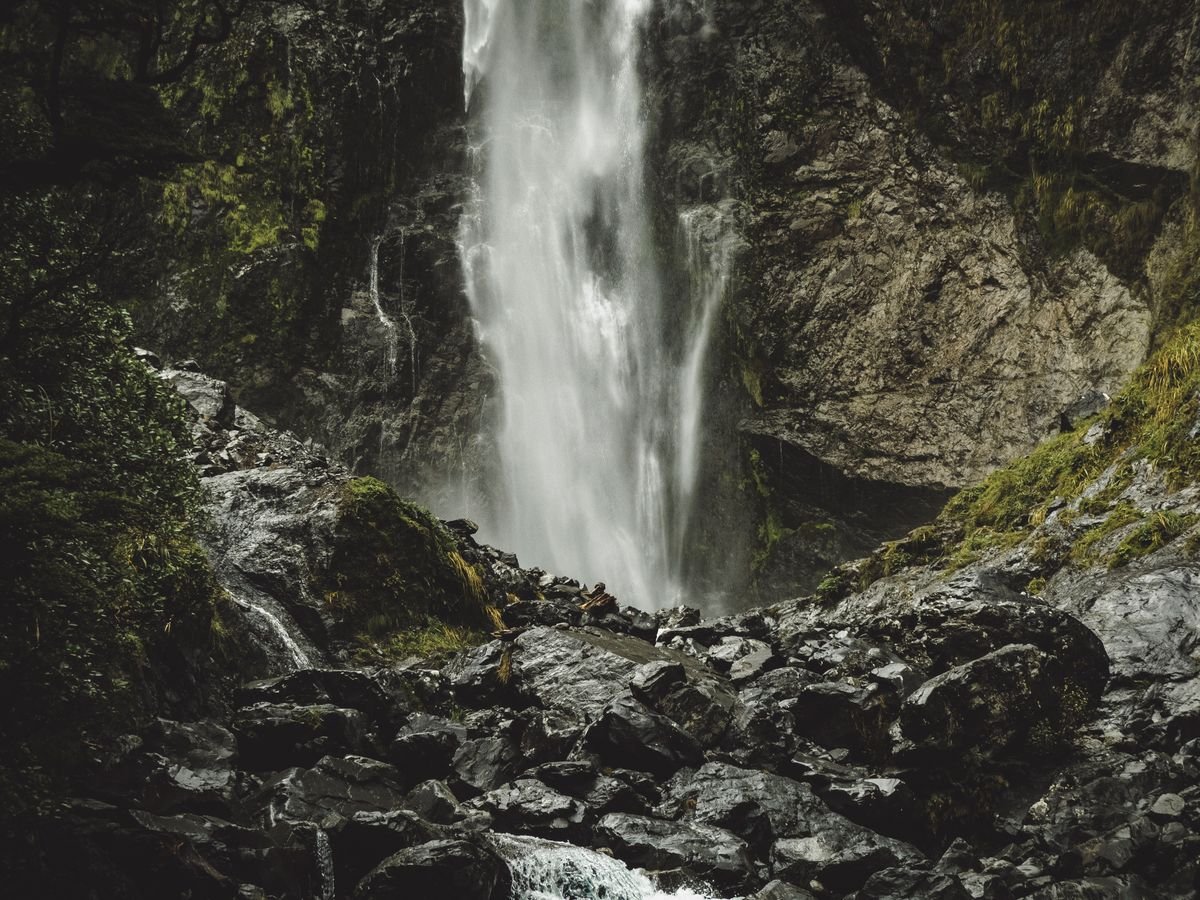
This is the strange one. The Devil’s Chimney, or Sruth in Aghaidh an Aird in Irish, sits just up the road from Glencar on the Sligo and Leitrim border. Its Irish name means “the stream against the height,” and on a windy day that’s exactly what it does.
When the wind comes hard off the hills, it catches the falling water and blows it straight back up over the top of the cliff before it can reach the bottom. A waterfall running upward is an odd thing to stand and watch, and it’s the whole reason people make the trip.
At around 150 meters it’s often called the tallest waterfall in Ireland, taller than Powerscourt. The big catch is that it only appears after heavy rain. In a dry spell there’s nothing there at all, so this isn’t one to plan a whole day around unless the weather has been doing its job.
Effort-wise it’s a step up from the easy roadside stops on this list. There’s a parking lot at the trailhead, then a walking path with boardwalk and steps that climbs up the hillside to the viewing point. It’s not a hard hike, but it’s a real walk of 20 to 30 minutes up, and it gets slippery in the wet.
So the ideal conditions are a specific combo: heavy rain to get the water flowing, then wind to send it back up. Autumn and winter give you the best odds of both. Go on a still, dry day in summer and you may find a bare cliff and a nice view, which is not what you came for.
It’s free to visit and it sits so close to Glencar that you can easily do both in one stop. For something you won’t see at any other waterfall in the country, the Devil’s Chimney is worth timing your visit around.
Aasleagh Falls in Mayo
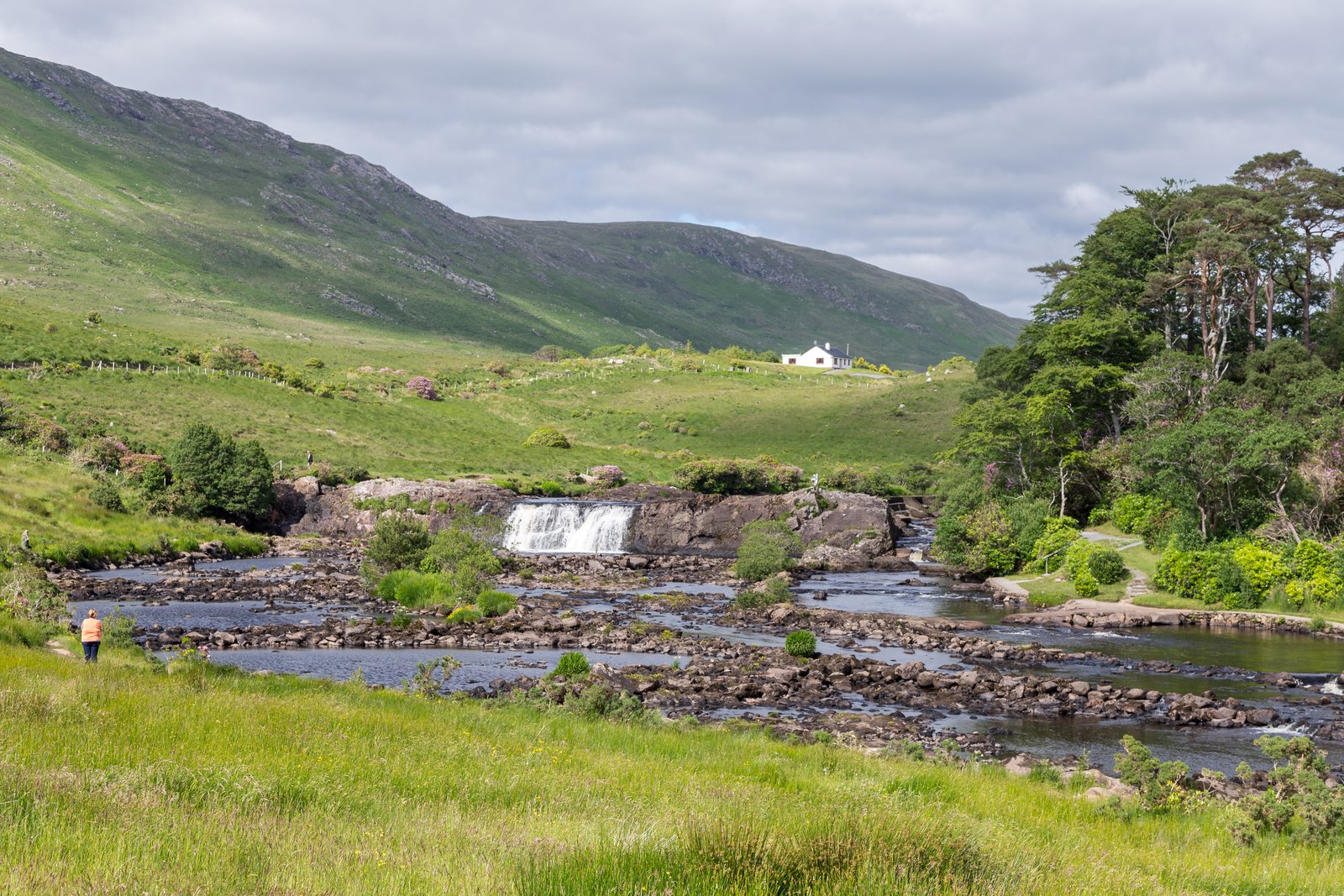
This is the wide one. Aasleagh sits at the top of Killary Harbour, Ireland’s only fjord, right where the Erriff River spills out on the border of Mayo and Galway. It’s short, maybe a few meters, and it runs across the full width of the river, so you get a broad curtain of water instead of a single drop.
Getting to it is about as easy as it gets. It’s just off the R335 near Leenane, there’s a small parking area, and it’s a flat walk of a couple of minutes along the riverbank to the falls. No boots, no climb, no fee.
What makes it worth the stop is the setting. You’ve got the falls in front of you and the mountains of Connemara rising straight up behind, with the fjord stretching off to the side. It’s a working salmon river too, so in season you’ll often see anglers out in the water below the falls.
Film buffs might recognize it. Parts of the 1990 movie “The Field,” with Richard Harris, were shot around here, and this stretch of the Erriff shows up on screen.
As with all of these, rain is the deciding factor. Because Aasleagh is wide and shallow, it looks its best when the river is up and the whole span is moving. After a dry stretch it can flatten out to something pretty tame, so time it after a wet few days.
It’s also perfectly placed. Sitting right on the edge of Connemara near Leenane, it slots straight into a drive through this corner of the west, so you can pair it with the fjord and the mountain roads around it for a full day.
Assaranca Waterfall in Donegal
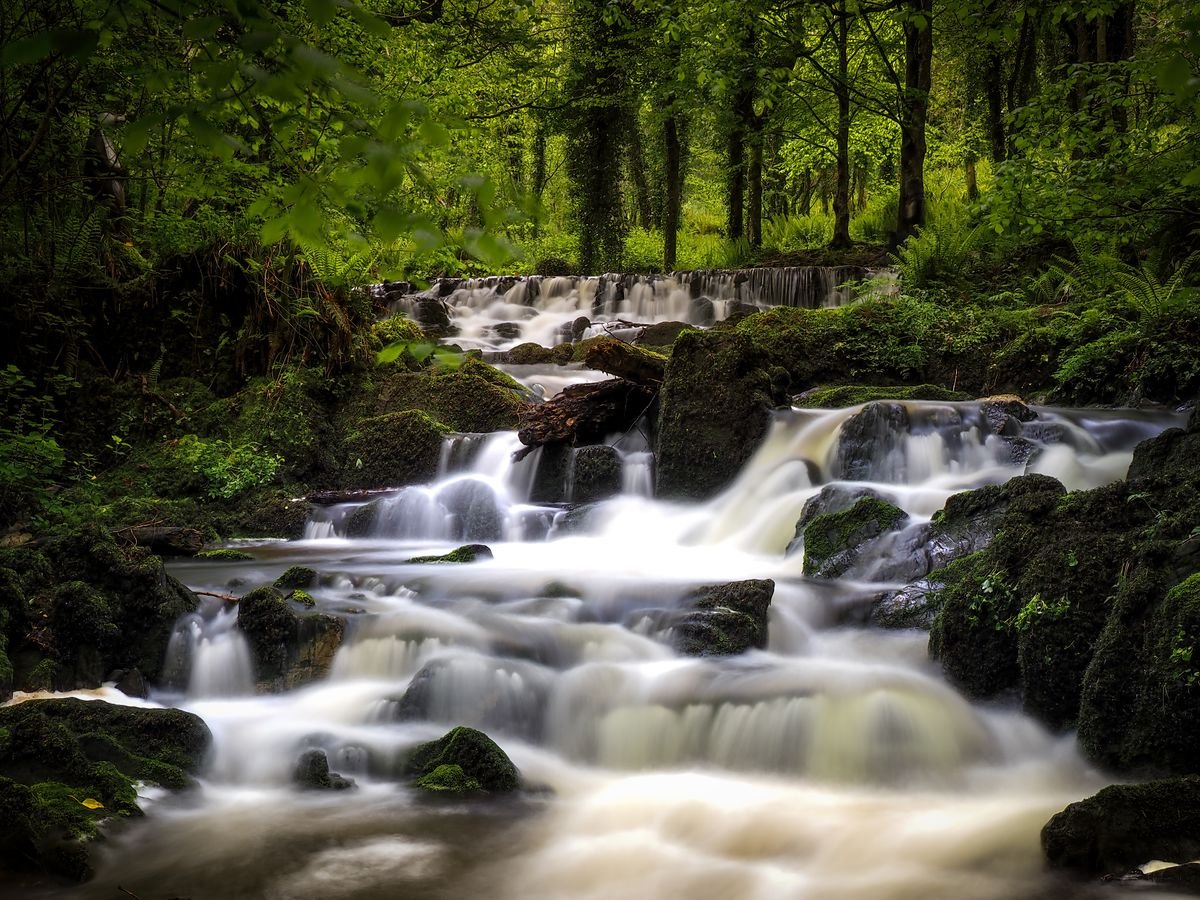
This is the roadside one. Assaranca (you’ll also see it spelled Assarancagh) sits in the southwest corner of Donegal near Ardara, and it’s right up there for how little effort it takes to reach a good one.
It’s on the small road that runs out toward the Maghera Caves and Loughros Beg Bay. The falls come straight down a rock face maybe 10 meters or so onto the roadside, and there’s room to pull in and stand right next to them.
So this is a two-minute stop, not a hike. No parking lot, no path, no fee. You park on the verge, walk a few steps, and you’re at the base. That’s the whole thing.
It’s also easy to drive past without clocking it, which is why it stays quieter than the big names further south. It’s not on the tour bus route, so most of the time you’ll have it to yourself.
Rain is the maker or breaker here more than most. Assaranca is fed by streams off the hills above, so after a wet spell it really pounds down the rock, and in a dry stretch it drops to a thin run. This is Donegal, though, so wet spells are not in short supply.
The best part is where it sits. This is a great add-on to a drive around Ardara and the Maghera Caves, so you can string the falls, the caves, and the beach into one loop through a corner of Donegal a lot of visitors never reach.
Gleninchaquin Waterfall in Kerry
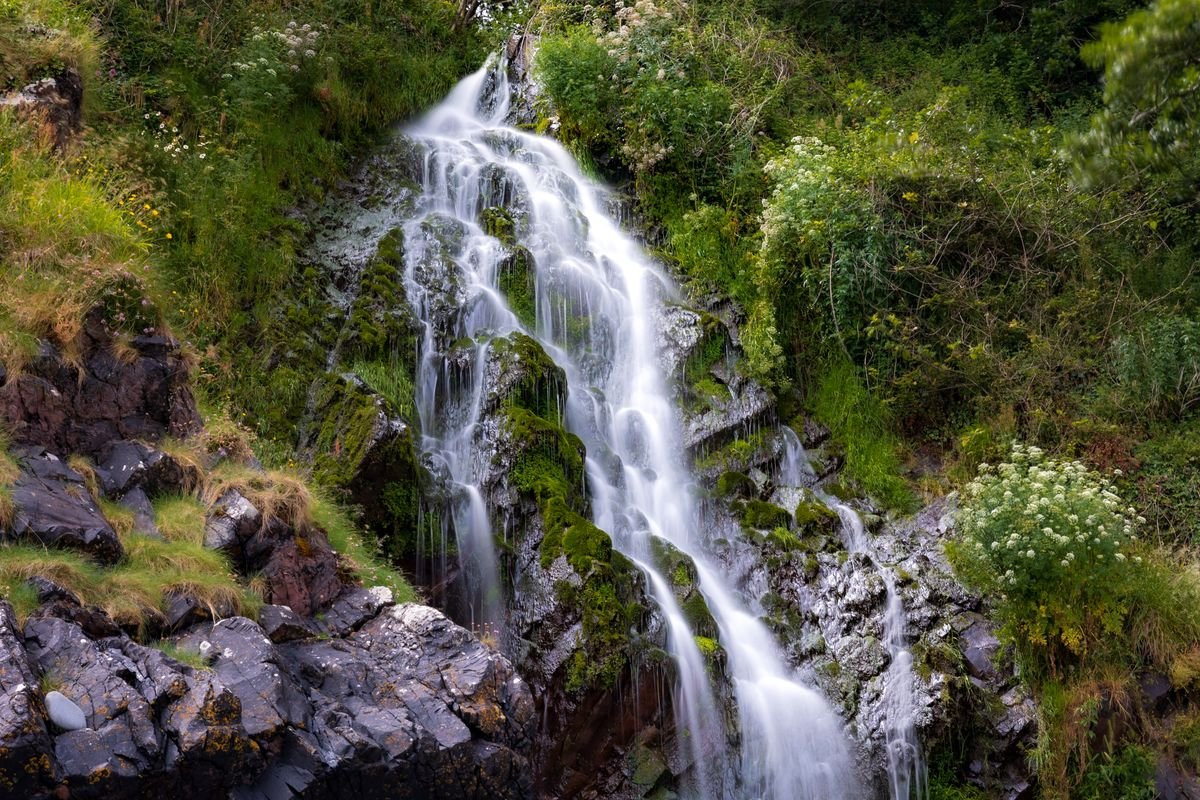
This is the remote one. Gleninchaquin sits at the head of a glacial valley on the Beara Peninsula, out past Kenmare in the far southwest of Kerry, and it takes a bit of effort just to get to the parking lot. The falls come down a horseshoe of cliffs at the back of the valley in a long, ribbony drop.
The drive is part of it. You follow a narrow country road for a good while off the main Kenmare route, and it’s slow going in places, so leave more time than the distance suggests. It’s a working sheep farm at the end of it, privately owned, which is why it stays well off the tour bus circuit.
Because it’s private land, there’s an entry fee per person, usually paid at an honesty box or a small hut at the entrance. Check the Gleninchaquin Park site for current prices before you drive out, as it’s a fair way to come to find it closed or the box empty.
Effort-wise there’s a range. You can walk a few minutes from the parking area and get a good look at the falls across the valley floor with no real climb. Or you can take one of the longer loops that head up the side of the valley toward the top of the falls, which is a proper walk in boots and gets boggy underfoot.
As with all of these, rain decides how it looks. The falls are fed off the high ground above the valley, so after a wet spell they really run down the cliffs, and in a dry stretch they thin right out. This is deep in the wet southwest, though, so your odds are good most of the year.
For the walk in, the setting, and how few people you’ll share it with, Gleninchaquin is worth the detour if you’re already exploring the Beara or basing yourself around Kenmare.
Glenariff Waterfalls in Antrim
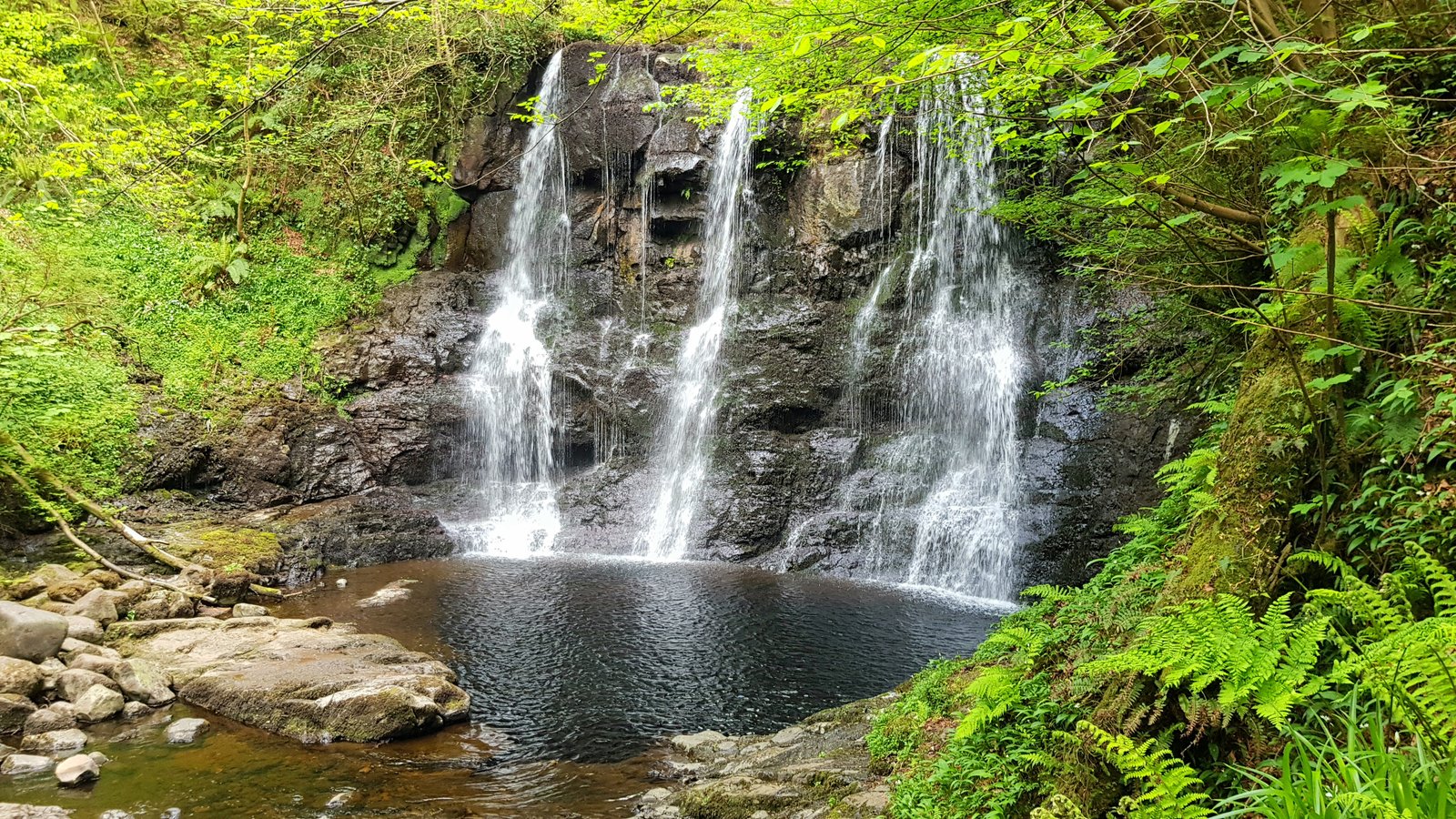
This is the walk one. Glenariff is a string of falls strung along a river gorge in Glenariff Forest Park, up in the Glens of Antrim in the far northeast. You reach them on foot along a proper trail, so this is the one you earn rather than pull over for.
The park sits in Glenariff itself, sometimes called the Queen of the Glens, near the coast road between Waterfoot and Cushendall. From the main parking lot the Waterfall Walkway follows the Glenariff River up through the trees, past the two main falls, Ess-na-Larach and Ess-na-Crub.
Effort-wise this is the biggest ask so far on the list. The full scenic loop is around 5 km and takes about an hour and a half to two hours, on a mix of forest path, steps, and wooden boardwalk pinned to the side of the gorge. It’s not a hard hike, but it’s a real one, so wear boots and expect the boardwalk to be slick after rain.
The payoff is the sheer number of them. You walk through a whole gorge of falling water, with the river dropping over ledges the length of the trail rather than in one big show. That stretched-out setting is what makes it worth the walk rather than a quick stop.
As with everything on this list, rain decides how it looks. After a wet spell the river really powers down the gorge, and in a dry stretch it eases off. This is Antrim, so you’re rarely short of water.
There’s a parking fee per car for the forest park, so check the Glenariff Forest Park site for current prices and opening hours before you drive out. Since you’re up on the Antrim coast anyway, it slots neatly into a run along the Causeway Coastal Route.
Glenevin Waterfall in Donegal
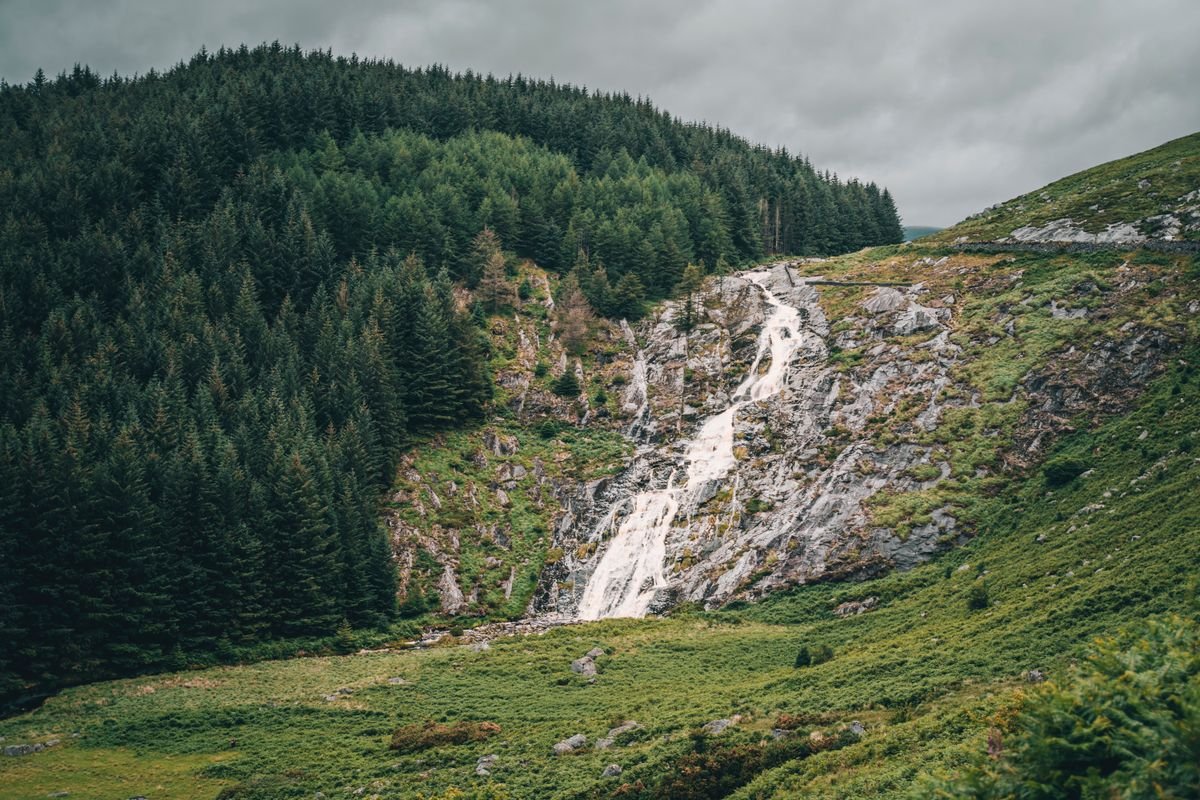
This is the far north one. Glenevin sits near Clonmany on the Inishowen Peninsula, right up at the top of Donegal, about as far north as you can go in Ireland before you run out of land. It’s roughly 10 meters high and drops in a clean run down a rock face at the head of a wooded glen.
What sets this one apart from the roadside stops is the approach. You don’t pull over and see it. There’s a parking lot and a picnic area at the mouth of the glen, and from there a walking path follows the stream up through the trees to the base of the falls.
Effort-wise it lands in the easy-to-moderate range. The walk is around a kilometer each way on a maintained trail with footbridges, so it’s a pleasant 20 minutes or so up rather than a slog. It’s a nice middle ground if you want to stretch your legs without committing to a real hike.
Being tucked away on Inishowen is the whole appeal. It’s a fair way off the main tourist trail, so even in summer you won’t be fighting for space at the base. It’s free to visit, which makes the detour an easy yes.
Like everything on this list, it comes down to rain. After a wet spell the falls really run down the rock, and in a dry stretch they ease off to a thinner flow. This is the far northwest, though, so catching it moving is rarely the problem.
If you’re already looping the Inishowen Peninsula, Glenevin slots straight in with the beaches around Clonmany and the drive up to Malin Head. For the walk in and how few people you’ll share it with, it’s worth the detour this far north.
Mahon Falls in Waterford
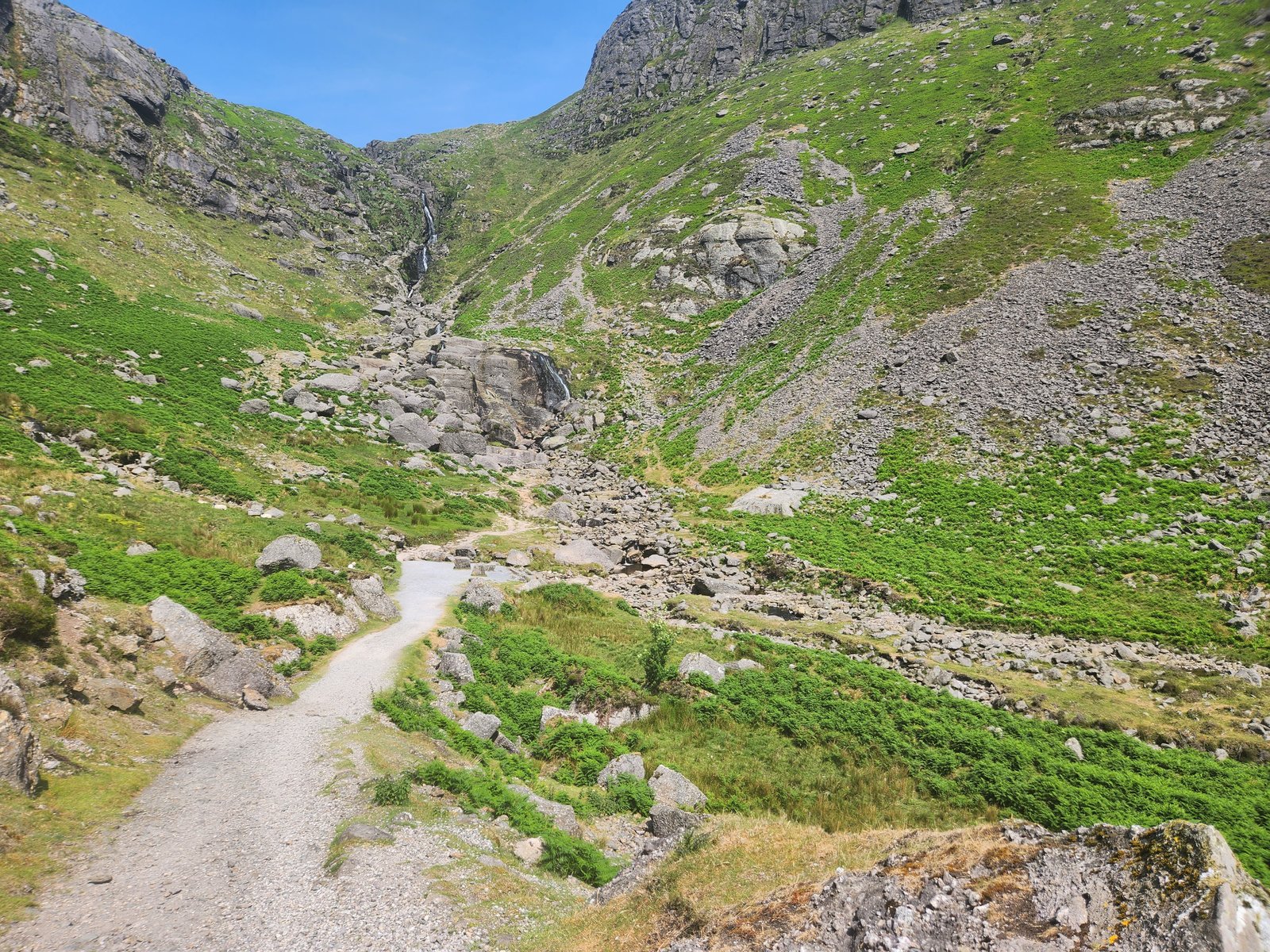
This is the mountain one. Mahon Falls comes down the side of the Comeragh Mountains in County Waterford, dropping around 80 meters over a series of rock ledges at the head of a wide glacial valley. It’s one of the tallest on this list, and it sits in a corner of the southeast a lot of visitors skip on their way west.
You reach it off the Comeragh Drive, a scenic loop that runs up into the hills from the coast road near Dungarvan. There’s a parking area at the end of a narrow mountain road, and from there a rough track leads up the valley toward the base of the falls.
Effort-wise it’s an easy-to-moderate walk of about 20 minutes each way. The path is stony and can be boggy, so wear proper shoes rather than sneakers, but there’s no real climb until you’re right at the bottom of the falls. It’s a stretch of the legs, not a hike.
The odd extra here is the Magic Road on the way up. Stop your car at the marked spot, take it out of gear, and it appears to roll uphill on its own. It’s an optical illusion from the lie of the land, but it’s a fun two-minute detour before you reach the parking area.
Like every waterfall here, it depends on the rain. Mahon is fed off the high ground of the Comeraghs, so after a wet spell it really powers down the rock face, and in a dry stretch it thins right out. Time it after a few wet days and you’ll catch it at full strength.
It’s free to visit, and being tucked up in the Comeraghs means you won’t be fighting for space the way you would at Powerscourt or Torc. If you’re passing through Waterford or driving the coast between Cork and Wexford, Mahon Falls is worth the detour up into the hills.
Glenmacnass Waterfall in Wicklow
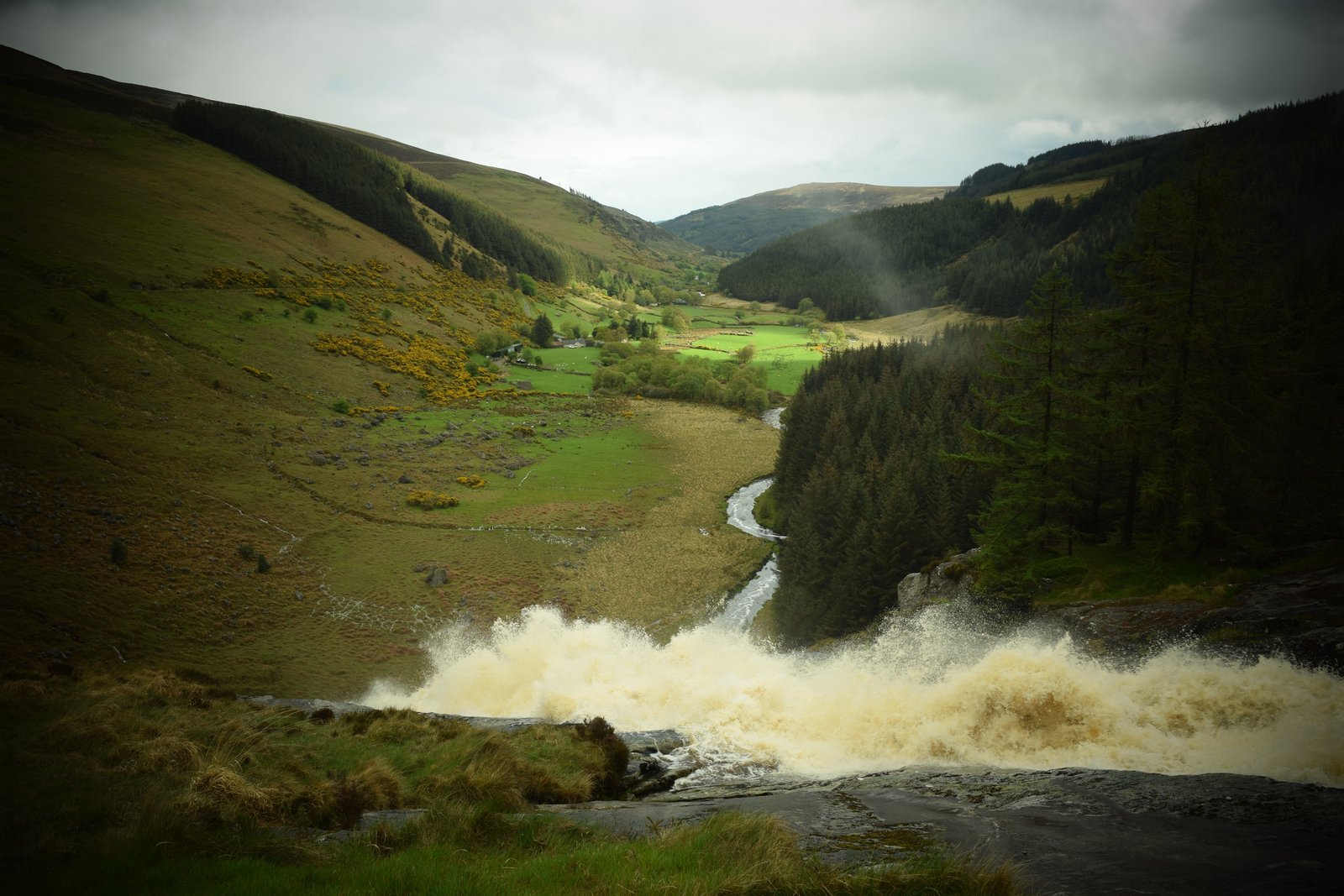
This is the drive one. Glenmacnass isn’t really a destination you set out for, it’s a waterfall you hit in the middle of one of the best mountain drives in the country. It sits high up on the Old Military Road, the R115 that runs south across the Wicklow Mountains from the Sally Gap down toward Glendalough.
The falls run down a long slab of bare rock at the head of the Glenmacnass valley, dropping the water in a wide sheet over open moorland rather than through trees. It’s a different look from the wooded glens further north, all bog and mountain and sky with nothing much between you and the weather.
Reaching it couldn’t be simpler. There’s a rough parking area right by the road at the top of the falls, so it’s a two-minute stop, not a walk. You pull in, cross to the rock, and you’re looking straight down the cascade into the valley below.

A word of caution on those rocks, though. The slabs at the top are wet and slick, they slope straight toward the drop, and people have slipped here badly over the years. It’s a fine spot for a photo, but don’t go clambering out onto the smooth rock near the edge.
Like every waterfall on this list, rain decides how it looks. Glenmacnass drains a big stretch of high bog above the valley, so after a wet spell it really sheets down the rock, and in a dry summer it thins right out. Up on these exposed hills, though, wet days are never far off.
It’s free, and the real reason to go is the drive it sits on. String it together with the Sally Gap, the Wicklow Gap, and Glendalough and you’ve got a full day looping through the mountains south of Dublin, with the falls as one stop along the way.
Best Time to Visit Ireland’s Waterfalls
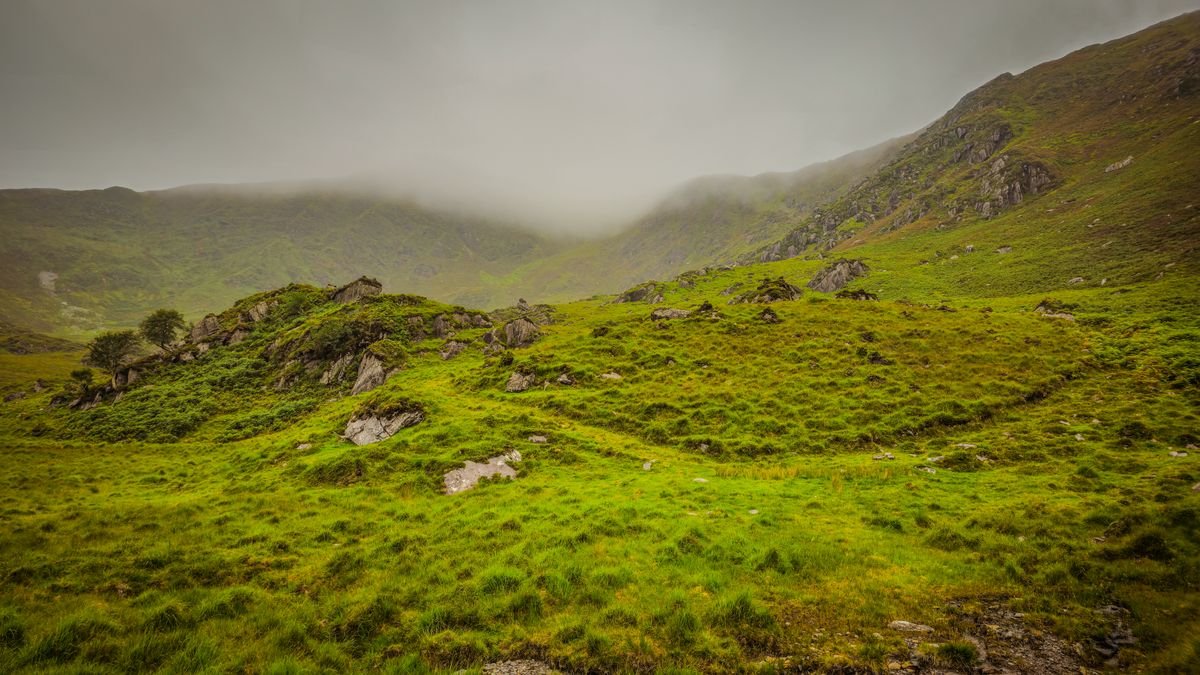
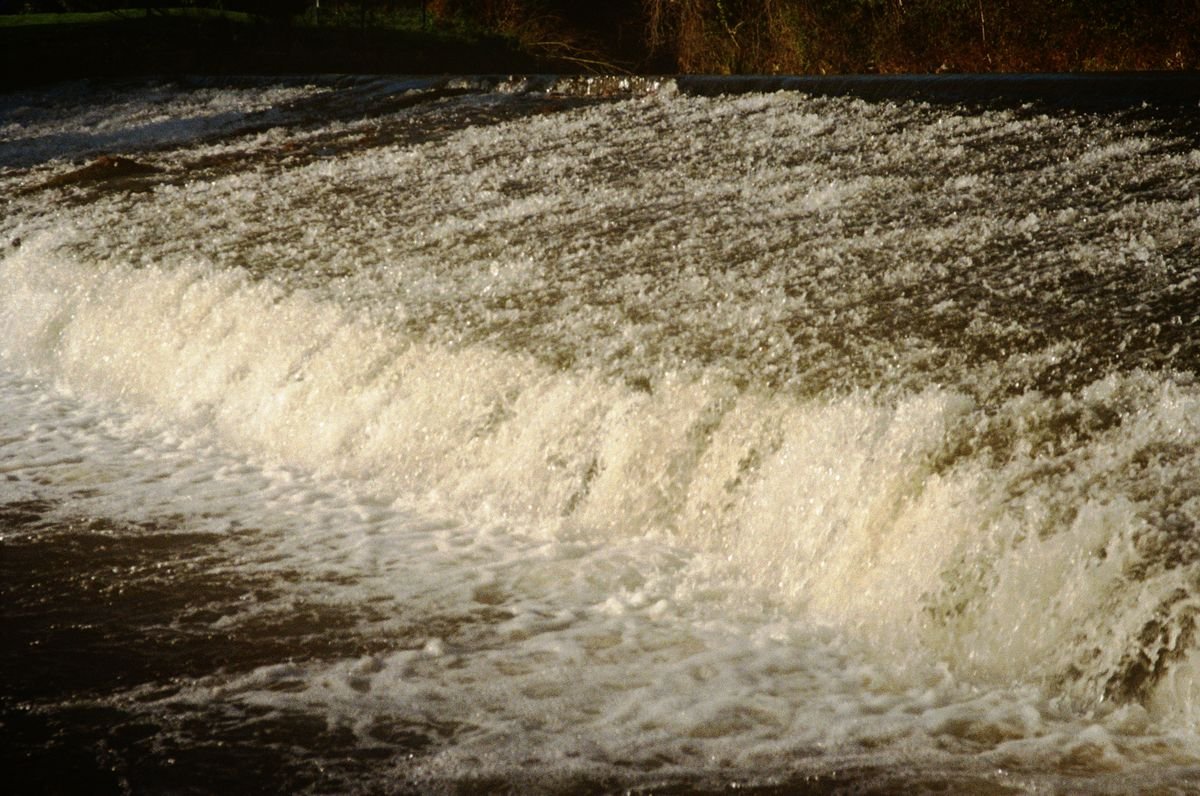
Here’s the thing that matters most, and it’s the one thing you can’t control: rain. An Irish waterfall is only as good as the water running through it. Catch one of these after a dry spell and you’re looking at a thin trickle down a bare rock face, wondering what the fuss was about.
So the honest answer to when you should go is a few days after a good stretch of wet weather. That’s when they’re at full power, when the noise and the spray and the volume all show up at once. Ireland gives you plenty of chances at that, so it’s less about the calendar and more about watching the forecast the week you’re there.

Season-wise, autumn and winter are the safest bets for water. October through March brings the heaviest rain, so the falls are running hard and the rivers are up. The Devil’s Chimney in particular basically needs it, since it only appears after a real soaking and then only when the wind is blowing.
The trade-off in winter is daylight and access. Days are short up here, so you’ve got a tight window to work with, and the mountain roads out to places like Mahon or Glenmacnass can be rough in bad weather. The wet rock at the top of Glenmacnass is no joke in the cold either.
Summer is the opposite trade. Long days, easier driving, and warmer weather for the ones that involve a proper walk. But a dry summer can leave the falls looking tame, and the big names like Powerscourt and Torc fill up with tour buses and families at the peak.
If I had to pick one window, I’d take late spring or early autumn. April, May, September, and October give you a decent shot at rain, a decent shot at daylight, and far fewer people than July and August. That’s the sweet spot for most of the falls on this list.
For the busy ones, timing your day matters as much as the season. Get to Powerscourt or Torc early in the morning or later in the afternoon on a weekday, and you’ll dodge the worst of the crowds. The quieter falls up in Donegal and out on the Beara don’t really have that problem any time of year.
Irish Road Trips and Itineraries to Pair With the Falls
- A Photographer’s Definitive Ireland Road Trip
- Wild Atlantic Way Itinerary – Ireland’s Most Epic Road Trip
- The Best Easy Walks in Ireland (For All Skill Levels)
Tips for Visiting Waterfalls in Ireland
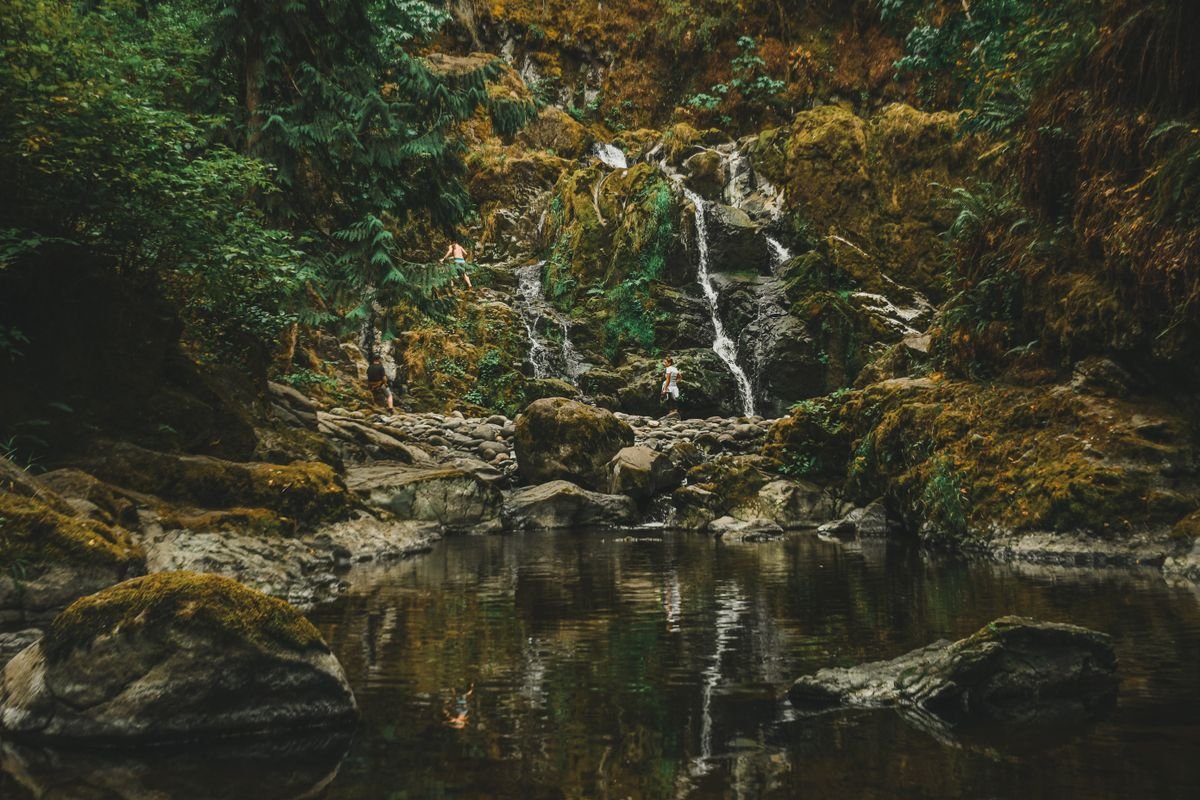
None of these are complicated to visit, but a few small things will make the day go smoother. Here’s what I’d sort out before you set off, whichever ones you’re aiming for.
Sort out your feet and your jacket first. Even the easy roadside ones get slick underfoot, and the ones with a walk in, like Glenariff or Gleninchaquin, turn to bog after a wet spell. Proper waterproof boots and a rain layer, not sneakers and a hoodie.
Carry some cash. A couple of these run on an honesty box or a small hut for entry and parking, and there’s often no card machine and no signal to tap your phone. A few coins and small notes saves you turning around at the gate.
Download offline maps before you go too. Phone signal drops out fast in Donegal, on the Beara, and up in the Wicklow and Comeragh hills, and that’s exactly where the turnoffs are easy to miss. Pin the parking spot while you’ve still got a connection.
Give yourself more time than the distance suggests. A lot of these sit at the end of narrow country roads with grass up the middle and the odd blind bend, so you’ll be crawling along in second gear more than you’d think. Ten kilometers out here is not ten minutes.
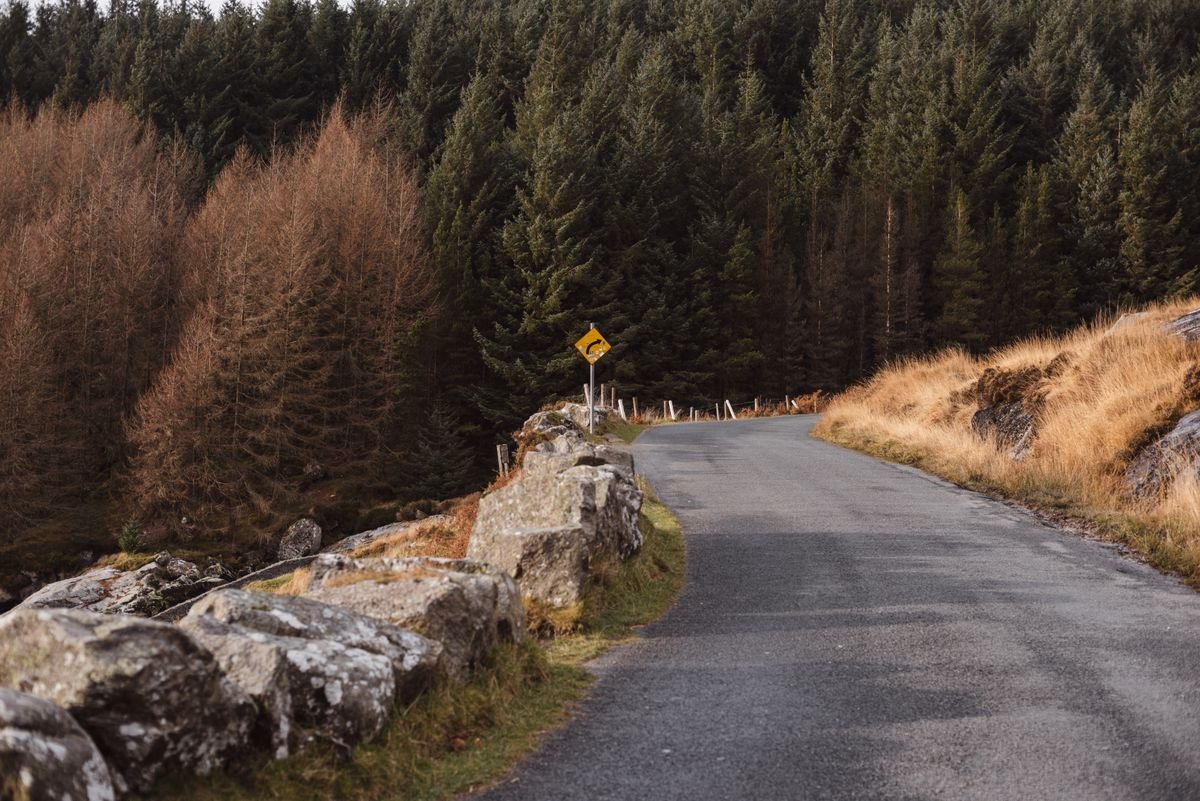
Parking is often just a wide bit of verge, not a lot. Pull in fully, don’t block a farm gate, and remember these are working roads with tractors and sheep trailers that need to get past. On the busy ones like Powerscourt and Torc, an early start gets you a spot before the buses.
A couple of photo notes if that’s your thing. A grey, overcast day is better for shooting a waterfall than harsh sun, so don’t write off the dull weather. If you want that soft, silky look on the water, you’ll need a slow shutter and something to steady the camera on, even a rock will do.
Flying a drone is more restricted than people assume, especially on private land like Gleninchaquin or in the forest parks, so check the rules and the site’s own policy before you launch one.
One last thing for summer visitors: the midges. They swarm around damp, still spots near water on calm evenings, and they will find you. Pack repellent if you’re going in the warmer months, and you’ll be glad of it.
Where to Stay Near the Waterfalls
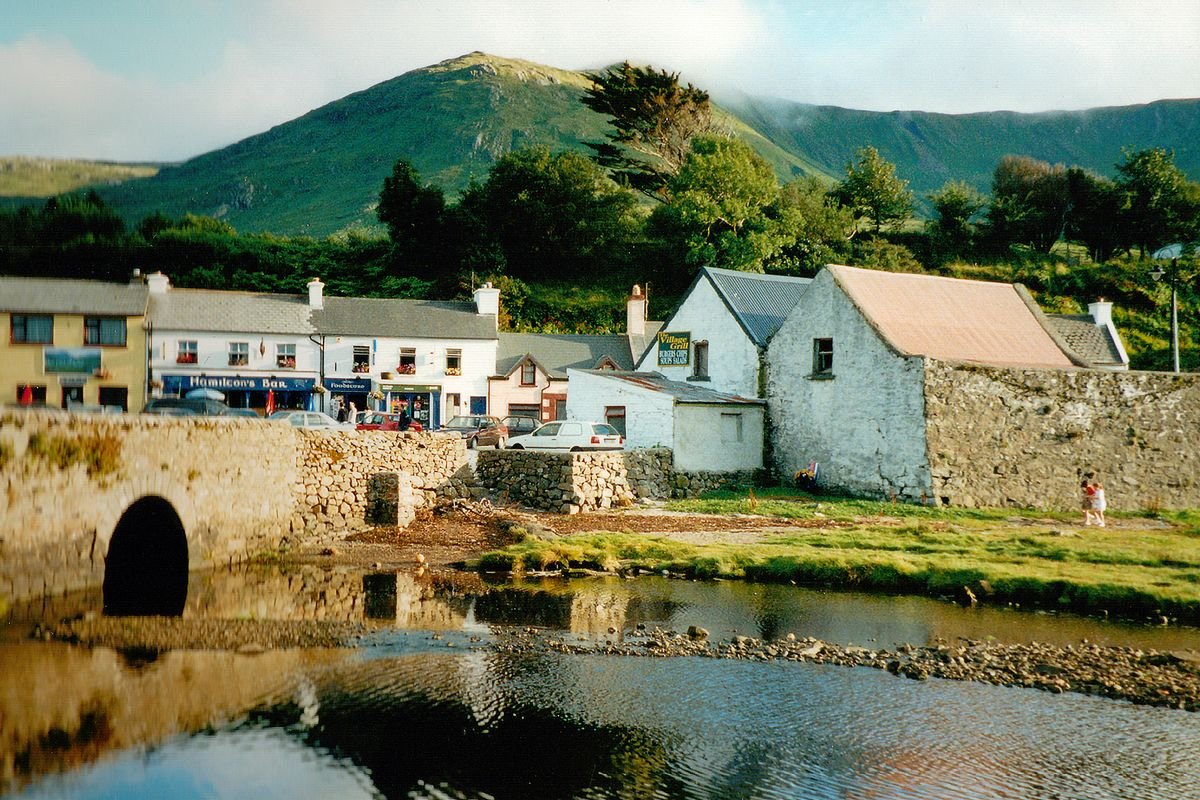
These falls are scattered right across the country, so there’s no one town that puts you near all of them. Don’t even try. Pick the corner you’re already driving through, book the nearest proper town, and knock off the falls around it from there. Here’s where I’d sleep for each cluster.
Wicklow and the East
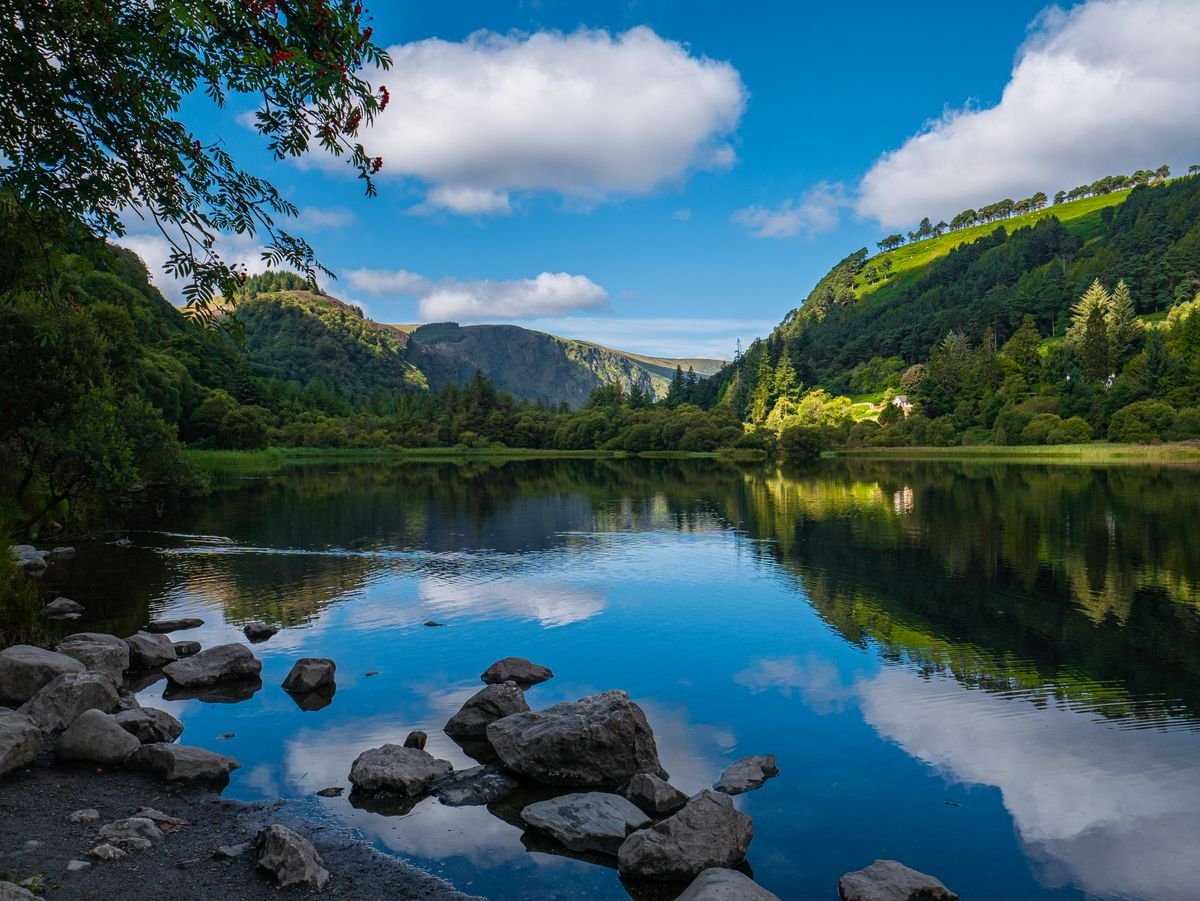
Powerscourt and Glenmacnass are both inside an hour of Dublin, so you can just day-trip them from the city and sleep in your own bed. If you’d rather wake up in the hills, Enniskerry is a two-minute drive from Powerscourt. Laragh or Roundwood, right by Glendalough, set you up for the Glenmacnass drive the next morning.
Kerry and the Southwest
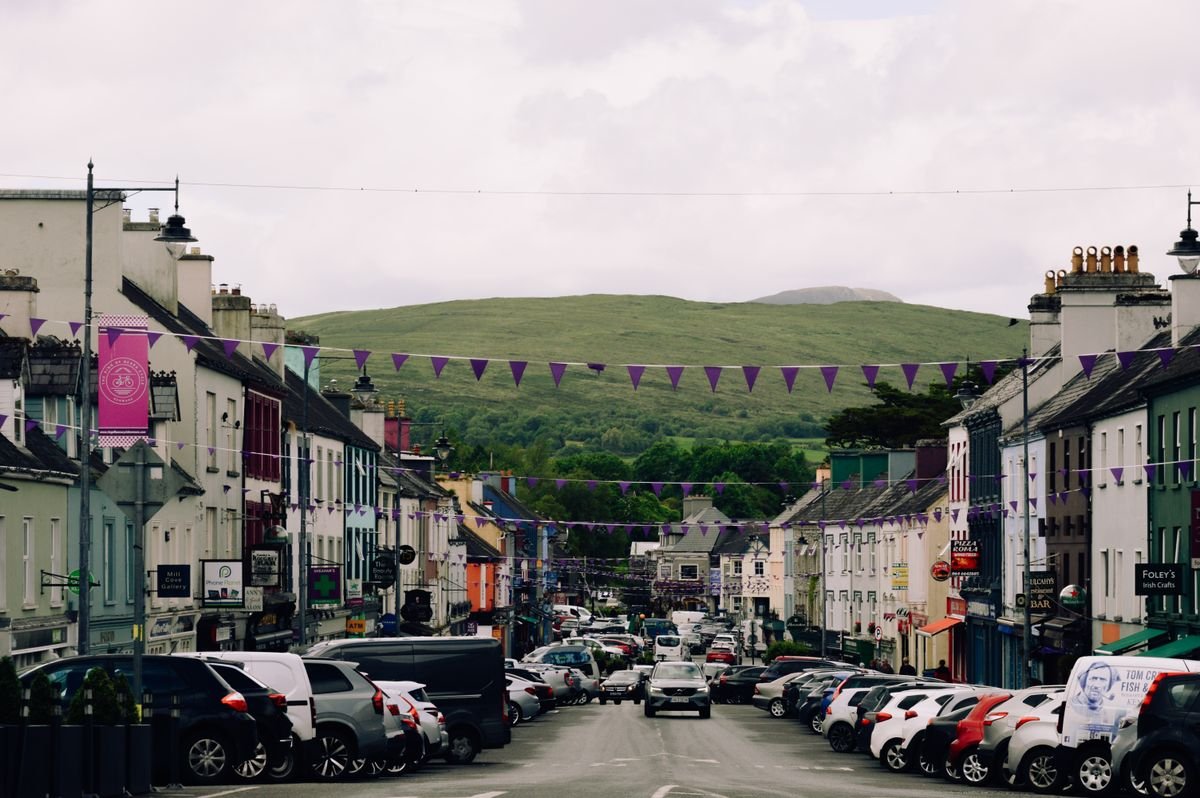
Killarney is the no-brainer for Torc. The falls are seven minutes south of town, the park is on your doorstep, and there are plenty of pubs to land in after, so find a place to stay in Killarney on Booking.com. Gleninchaquin on the Beara is different, so I’d stay in Kenmare. It’s a shorter run to the valley, and a nicer town than the villages further out on the peninsula, and you can book a room in Kenmare on Booking.com as your base.
Where to Stay in Killarney
Where to Stay in Kenmare
Sligo, Leitrim and the Northwest
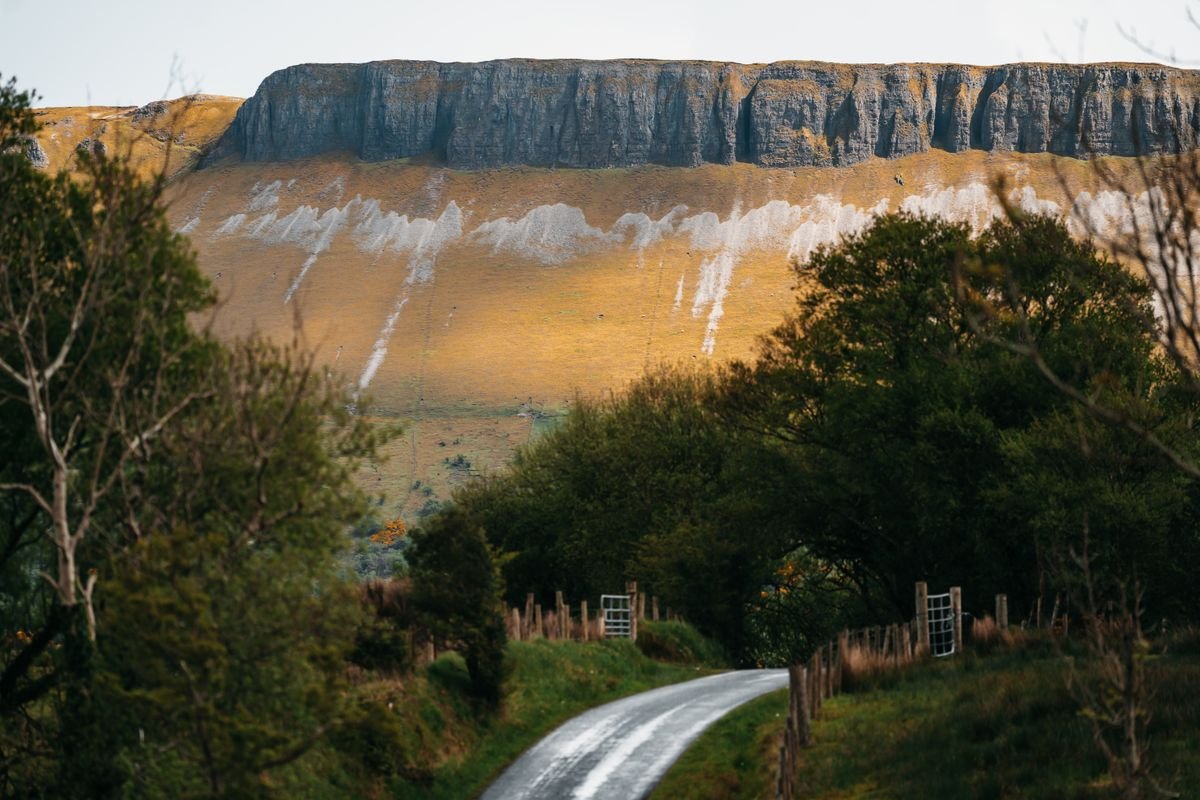
Book Sligo town and you’ve got Glencar and the Devil’s Chimney both a few minutes east of you, easily done in one morning. It’s a real town with plenty of places to eat and stay, which the handful of houses around the lake can’t give you. Stay in Sligo, drive out to both falls, and be back for lunch.
Where to Stay in Sligo
Mayo, Galway and Connemara
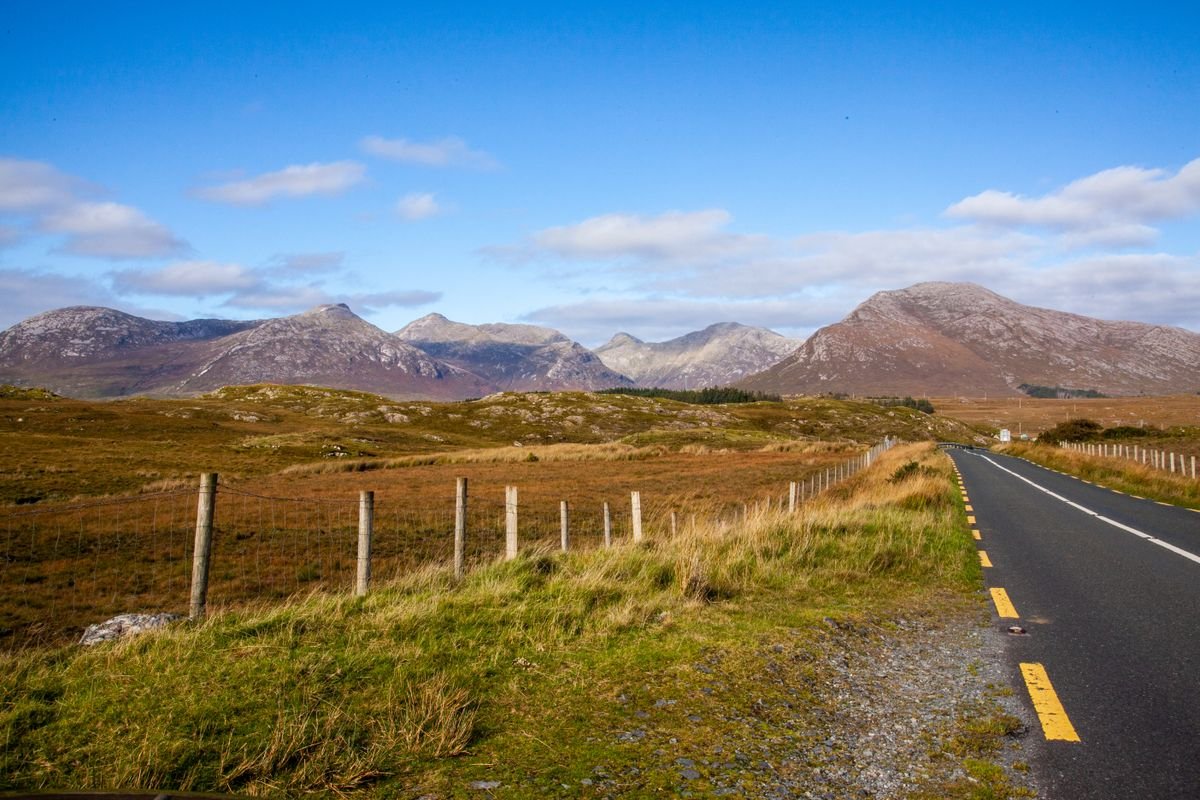
Aasleagh is right beside Leenane, a tiny spot at the top of the fjord with a couple of places to stay and not much else. That’s fine for a quiet night, but for more choice and somewhere to eat, Westport to the north or Clifden in Connemara are better calls. The falls are an easy detour off a drive through the region either way.
Where to Stay in Westport
Donegal and Inishowen
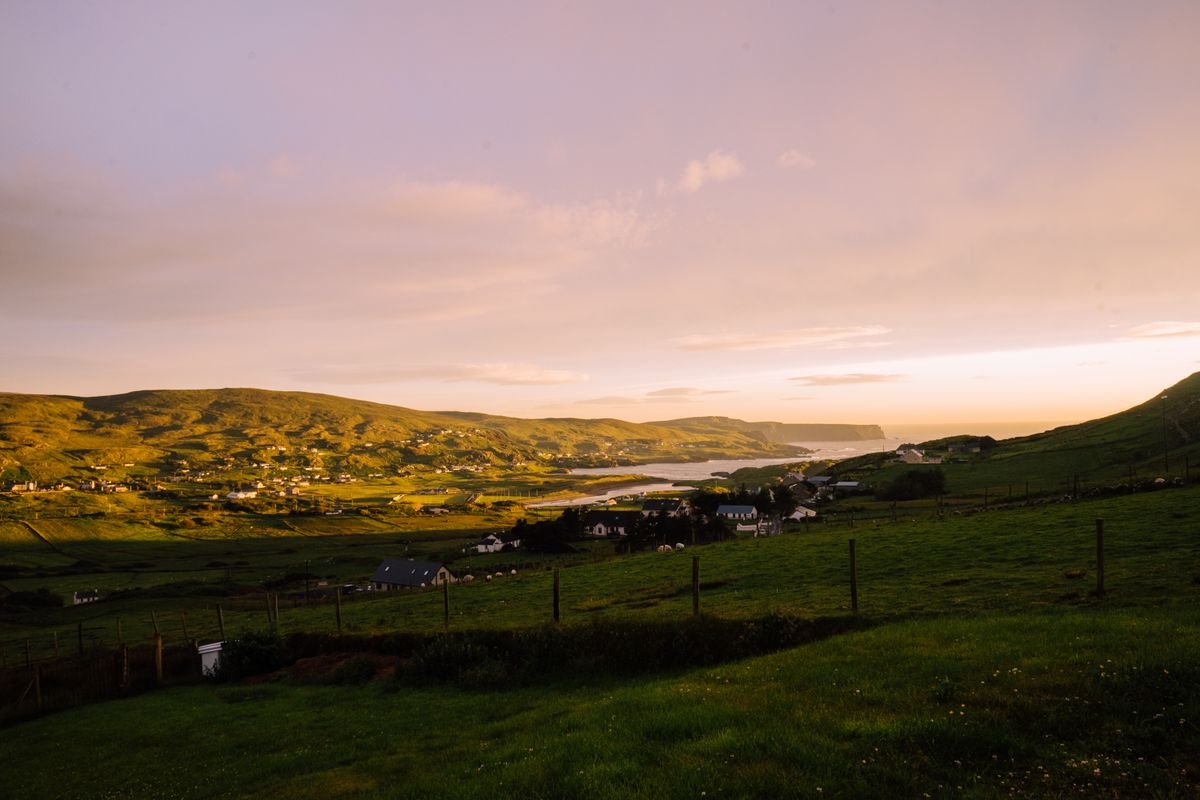
These two are miles apart, so one town won’t cover both. For Assaranca, book Ardara, the old weaving town just up the road from the falls. For Glenevin you want Inishowen, near Clonmany or Buncrana, which also lines you up for the run out to Malin Head. Two separate corners of Donegal, two separate nights.
Antrim and the North Coast
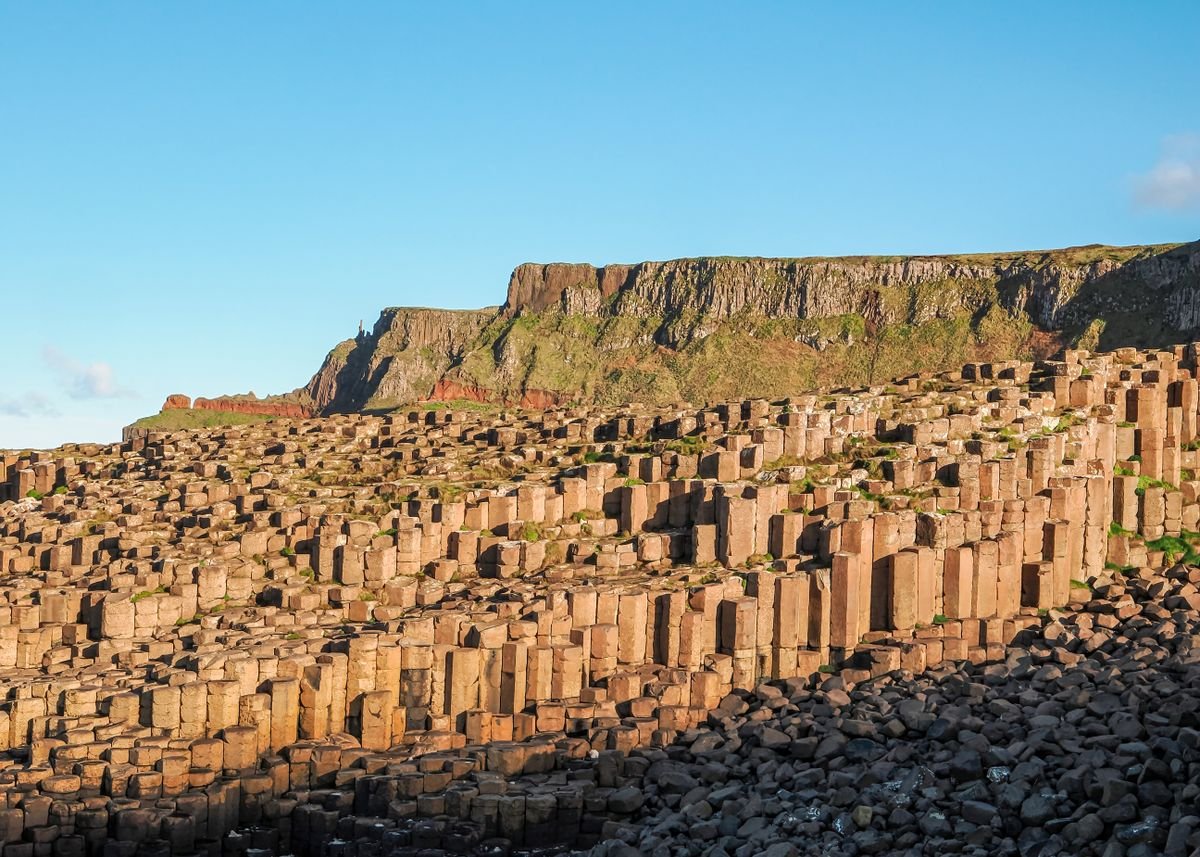
Glenariff sits between Waterfoot and Cushendall, and either village is a fine base close to the forest park. If you’re driving the Causeway Coastal Route anyway, which you should be, Ballycastle or Cushendun further along the coast work just as well. Treat the falls as one stop on the run rather than the reason you booked the bed.
Waterford and the Southeast
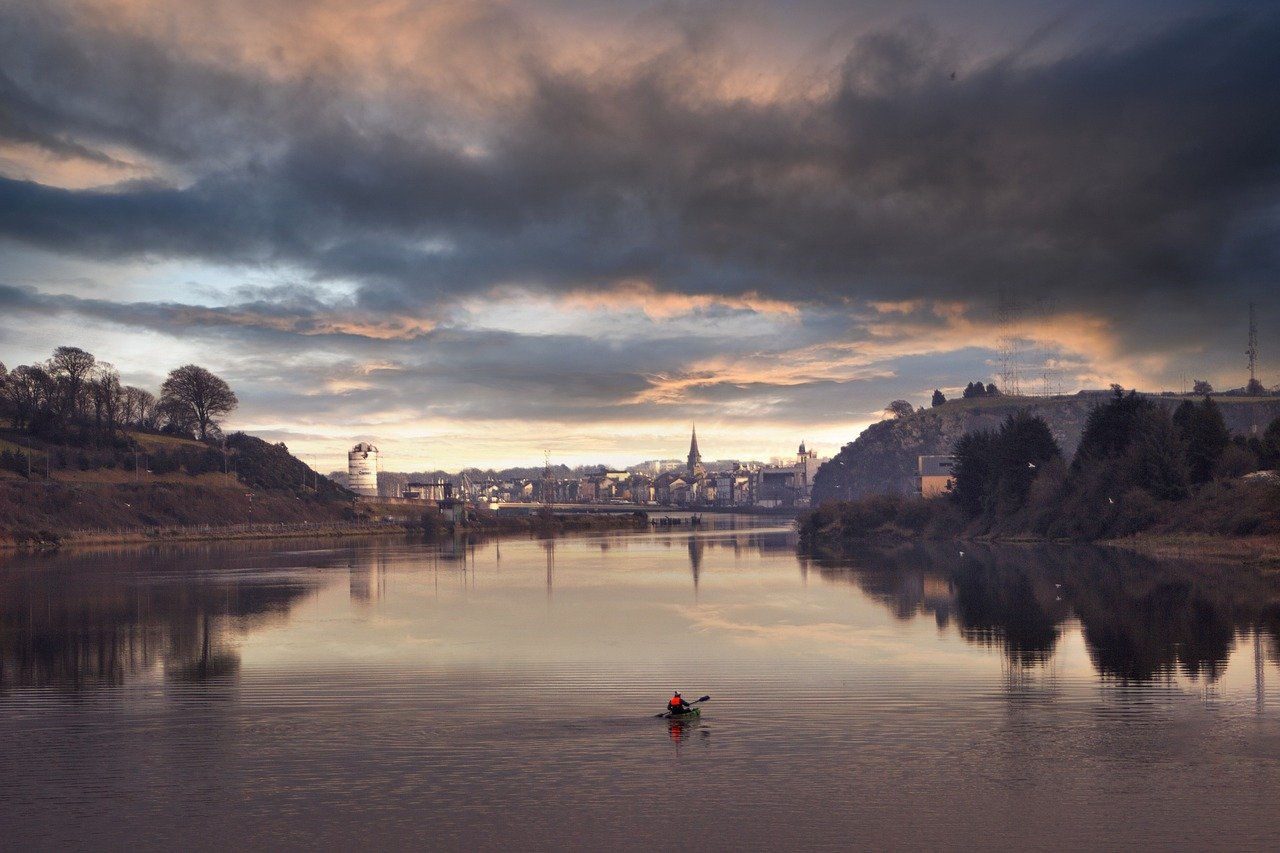
Dungarvan is the one to book for Mahon Falls. It’s a proper harbor town, the Comeragh Drive runs straight up into the hills from there, and there’s enough going on to fill an evening, so check availability in Dungarvan on Booking.com. It also slots in perfectly if you’re driving the coast between Cork and Wexford, so you’re not going out of your way to reach it.
The thread through all of this is the same one thing: don’t build a whole trip around chasing every waterfall on the list. Pick the region you’re already heading to, book the nearest real town, and let the falls be stops along the way rather than the reason for the drive.
In short
- Powerscourt in Wicklow is the tallest at 121 meters and runs all year.
- Torc, Glencar, Assaranca, and Glenmacnass are free and just steps from the car.
- The Devil’s Chimney in Sligo only flows after heavy rain, then blows upward.
- Glenariff in Antrim is the big walk, a gorge of falls on a 5 km loop.
- Visit in autumn or winter, after rain, to see the falls at full flow.
Frequently Asked Questions
What is the tallest waterfall in Ireland?
It depends how you count it. Powerscourt in Wicklow is the tallest permanent waterfall at 121 meters, and it runs all year. The Devil’s Chimney in Sligo is taller at around 150 meters, but it only appears after heavy rain, so it doesn’t flow most of the time.
Are Ireland’s waterfalls free to visit?
Most of them are. Torc, Glencar, the Devil’s Chimney, Aasleagh, Assaranca, Glenevin, Mahon, and Glenmacnass are all free. The ones that charge are the ones on managed or private land: Powerscourt takes a fee per car, Glenariff Forest Park charges for parking, and Gleninchaquin has an entry fee per person.
Which is the easiest waterfall to reach?
Assaranca in Donegal and Glenmacnass in Wicklow both come down right beside the road, so you park and walk a few steps. Torc, Powerscourt, and Aasleagh are almost as easy, a flat couple of minutes from the parking lot. None of those need boots or a real walk.
Which one is worth a proper hike?
Glenariff in Antrim is the big walk, a gorge full of falls on a loop of around 5 km. Gleninchaquin on the Beara and the climb up beside Torc are the next step up. If you only want the water without the effort, stick to the roadside ones.
Can you swim at any of Ireland’s waterfalls?
There are no official swimming spots at the falls on this list, and the pools below them are cold, rocky, and can move fast after rain. People do dip at some of them, but you’re doing it at your own risk. Never get in above a drop or on wet, sloping rock like the top of Glenmacnass.
Do I need a car to see them?
Pretty much, yes. Nearly all of these sit at the end of country roads with little or no public transport, so a rental car is the way to reach them. It’s worth it to compare car hire deals on Discover Cars before you go. Torc is the exception, close enough to Killarney town that you could taxi or cycle out to it.
Things to Do in the Counties These Falls Sit In
- 21 Unique Things To Do in Kerry, Ireland – The Kingdom County
- Unique Things To Do in Donegal Town in Ireland’s Northwest
- Wicklow Travel: A Complete Guide For Visitors
Final Thoughts
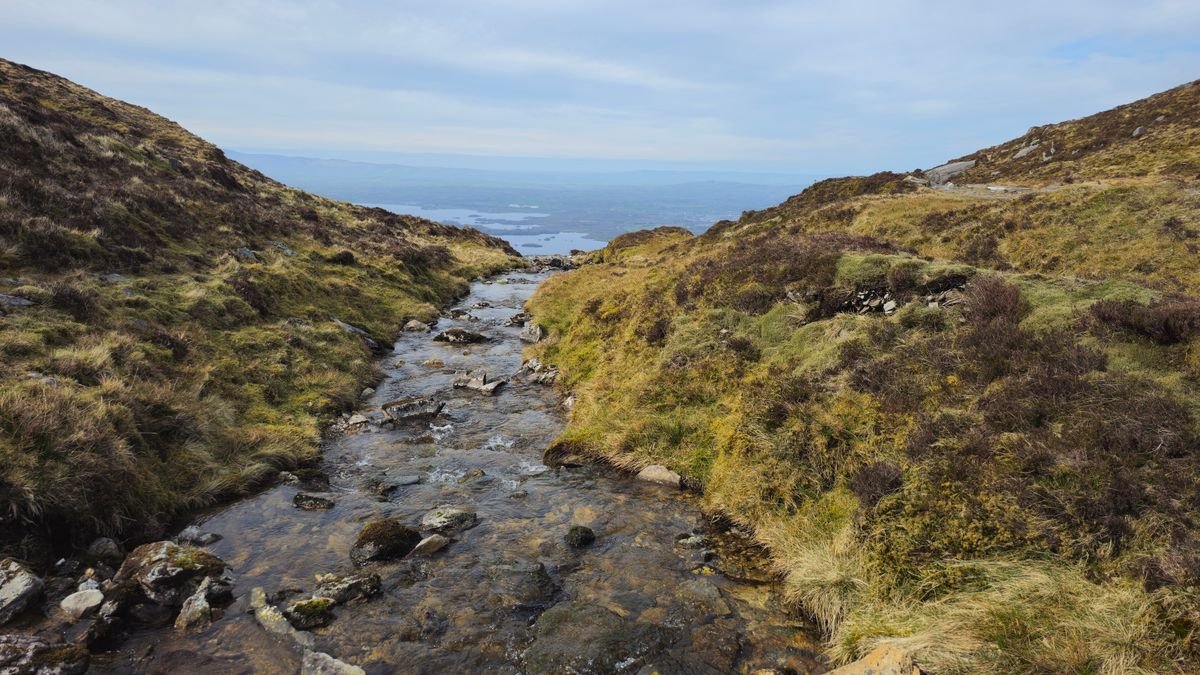
Those are eleven of the best waterfalls in Ireland, scattered from the Wicklow hills to the top of Inishowen. If there’s one takeaway from the whole list, it’s that these are best treated as stops on a good drive, not the reason for the trip.
The other takeaway is rain. It’s the single thing that decides whether you’re looking at a wall of water or a damp streak on the rock, and it’s the one thing you can’t book in advance. Watch the forecast the week you’re there, and go a few days after a wet stretch.
If you want the easy wins, Powerscourt, Torc, Assaranca, and Aasleagh all give you a serious waterfall for almost no walking. If you’d rather earn it, Glenariff and Gleninchaquin are the ones to put boots on for. You’ll probably end up doing a mix, and that’s exactly right.
My honest advice is to pick two or three that line up with wherever your trip is already taking you, and give them a proper look rather than racing to tick off all eleven. A soaked jacket and a full-flowing fall beats a dry-weather photo stop every time.
Like it? Pin it!
Save this guide for later