
Ireland is full of strange stuff if you go looking for it. There’s a prehistoric tomb older than the pyramids, a rope bridge between two sea cliffs, and a road where your car looks like it rolls uphill. Hunting down the weird places in Ireland became one of my favorite ways to fill the gaps between the big-name stops.
We spent a couple of weeks driving from Dublin to Cork last time we were over, and the odd little detours were often more fun than the famous castles and cliffs everyone photographs. Even Dublin has its share, from the Long Room library that inspired a Star Wars set to a church crypt with mummified bodies you can go see.
Below I’ve split the strangest spots up by region, starting on the Wild Atlantic Way, then Dublin, Ireland’s Ancient East, and up into Northern Ireland, with a few practical tips at the end for stringing them together. Here’s what we found, and what I’d point a first-timer to.
More Unusual Corners of Ireland to Explore
- Scenic Towns and Villages in Ireland: 18 Best Picks
- The Most Beautiful Towns In Ireland You Need To Visit
- The Best Ruined Castles in Ireland: 12 to Visit
- 15 Best Seaside Towns in Ireland To Visit This Summer
Quick Answer:
The weird places in Ireland worth the detour include St. Michan’s mummified crypt in Dublin, the whispering Marble Arch Caves, the Burren’s cracked limestone moonscape, Kilmacduagh’s leaning round tower, and the Gobbins cliff path bolted to the Antrim sea. Most are free, though Skellig Michael, Carrick-a-Rede, and the Gobbins need timed tickets booked months ahead.
Weird Places on the Wild Atlantic Way
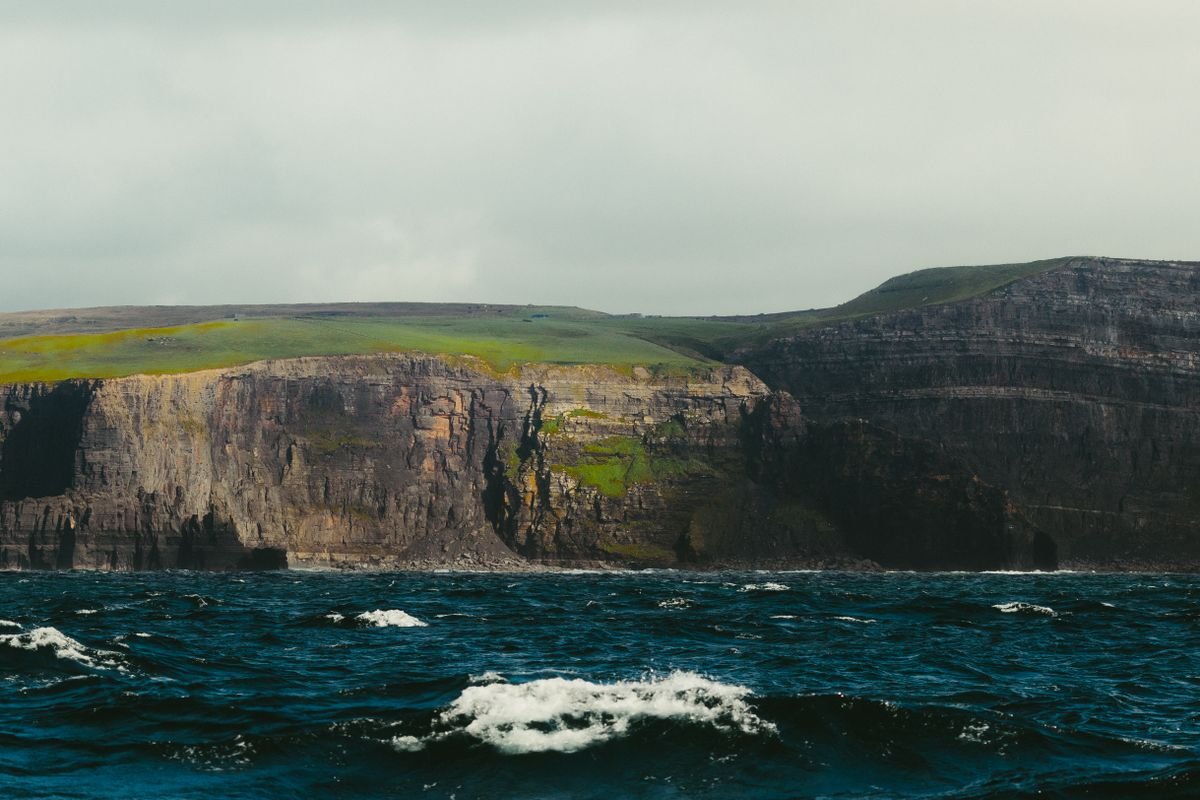
The west coast is where Ireland gets properly strange. You get an underground river you float through in the dark, a landscape that looks like the moon, an island monastery out in the open Atlantic, and a village that turned its shoreline into a sculpture gallery. None of these are the postcard stops, which is why they’re worth the drive.
Marble Arch Caves and the Whispering Marlbank Passages
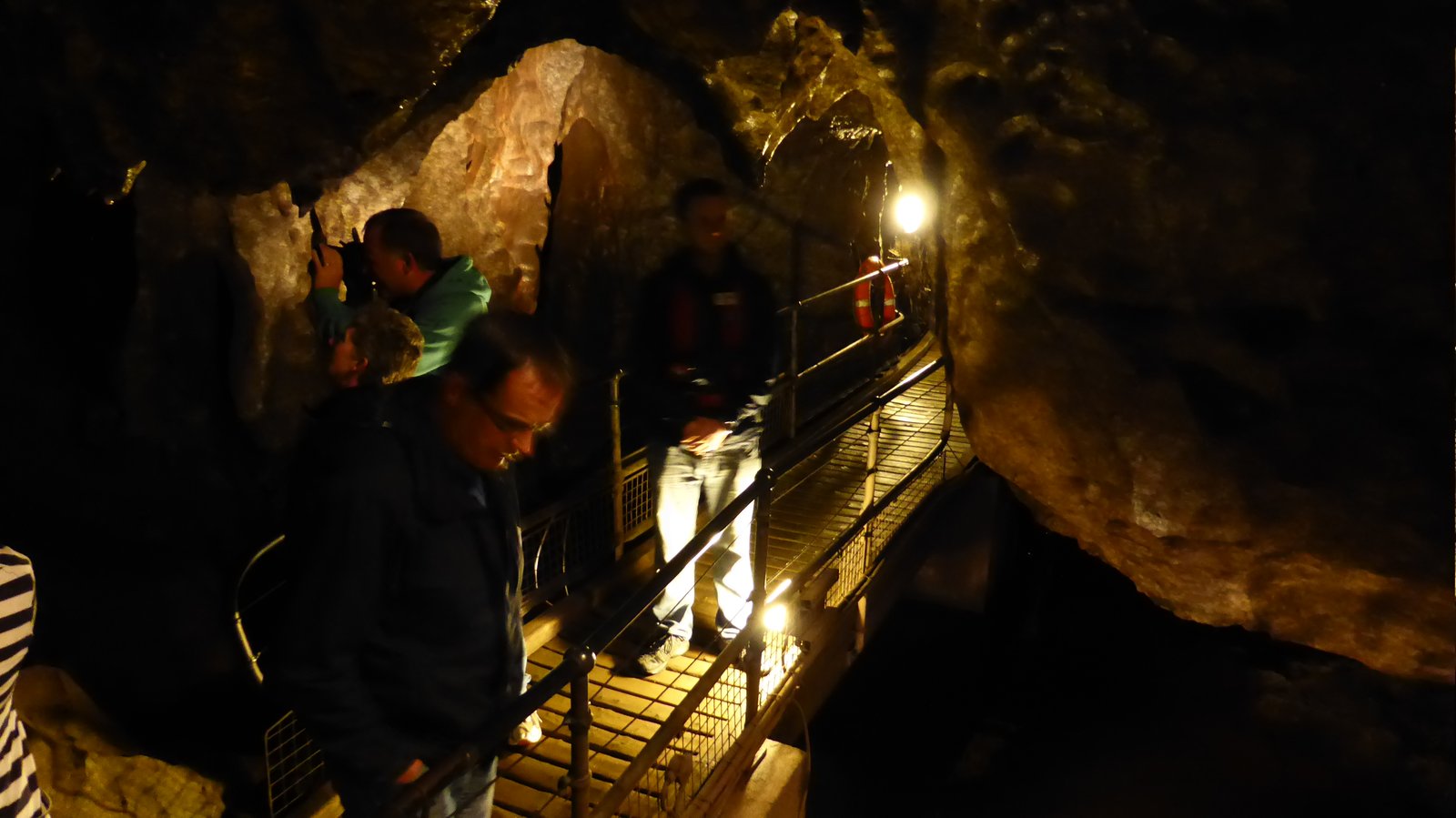
Up in County Fermanagh, the Marble Arch Caves are one of the few show caves in Ireland where part of the tour is done by boat. You drift along an underground river before you even start walking, which is a strange way to begin a hike.
The passages carved out of the Marlbank limestone are the odd part. In the tighter sections the acoustics are so good that a guide talking quietly at the front carries all the way back, so the whole group hears every word without anyone raising their voice.

Tours run seasonally and can close after heavy rain when the river rises, so check the current times and pricing before you go. Bring a jacket, it stays cold and damp down there year round.
The Burren’s Lunar Limestone Landscape
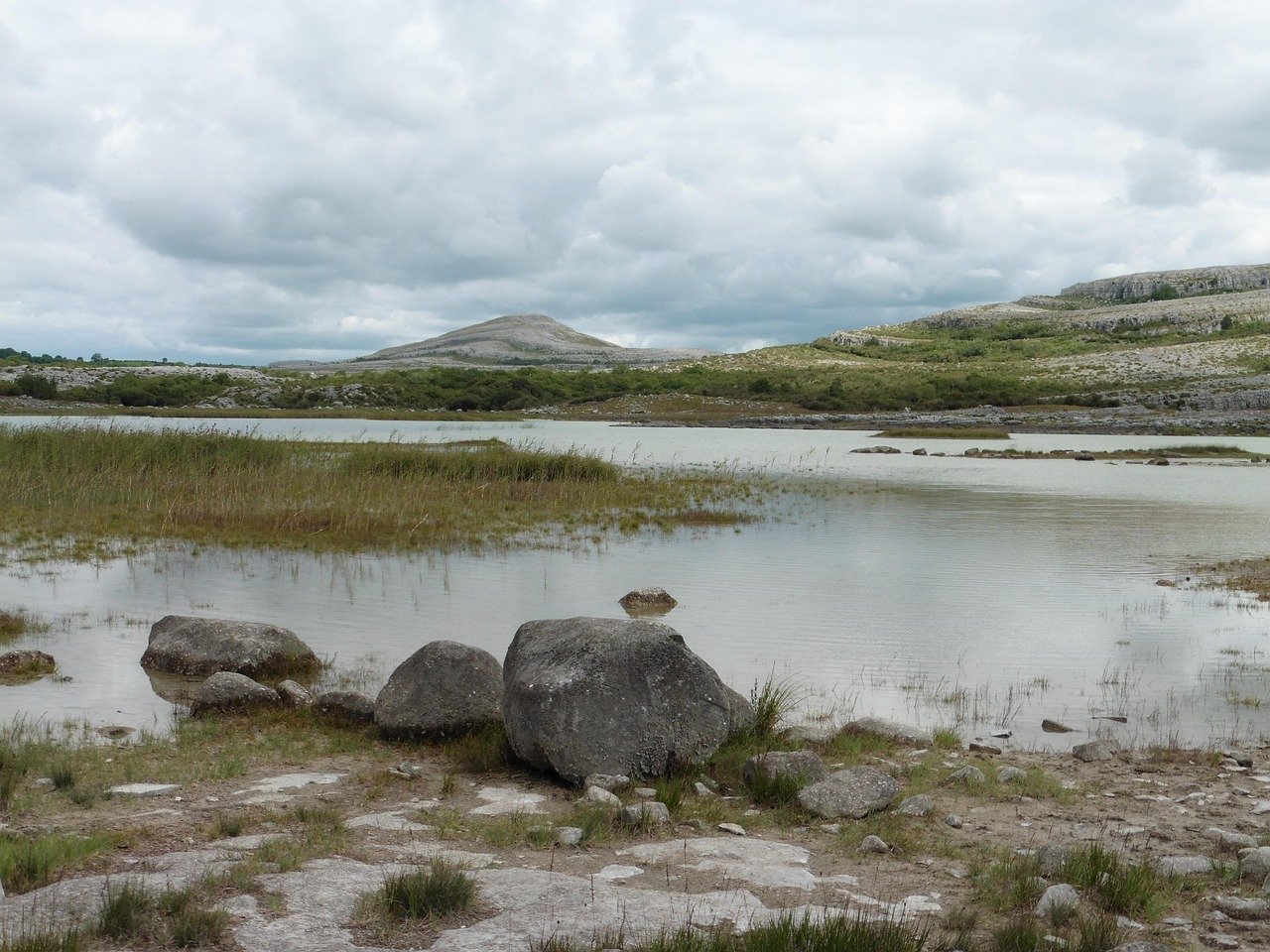
The Burren in County Clare is the closest thing Ireland has to walking on the moon. It’s miles of bare grey limestone cracked into slabs and grooves, with almost no trees and barely any soil. From a distance it looks dead.
Get closer and the cracks are full of wildflowers, including Arctic and Mediterranean plants growing side by side, which happens almost nowhere else. Poulnabrone, a portal tomb sitting right out on the rock, is around 5,000 years old and sits just off the R480 with a small parking lot.
The drive across on the R480 is the easy way to see it without much walking. If you want to get out on the rock properly, the marked loops near Fanore and Ballyvaughan get you into it on foot. Without a car, you can book a Cliffs of Moher and Burren day tour on GetYourGuide that reaches the Burren from Dublin.
Skellig Michael’s Monastic Beehive Huts
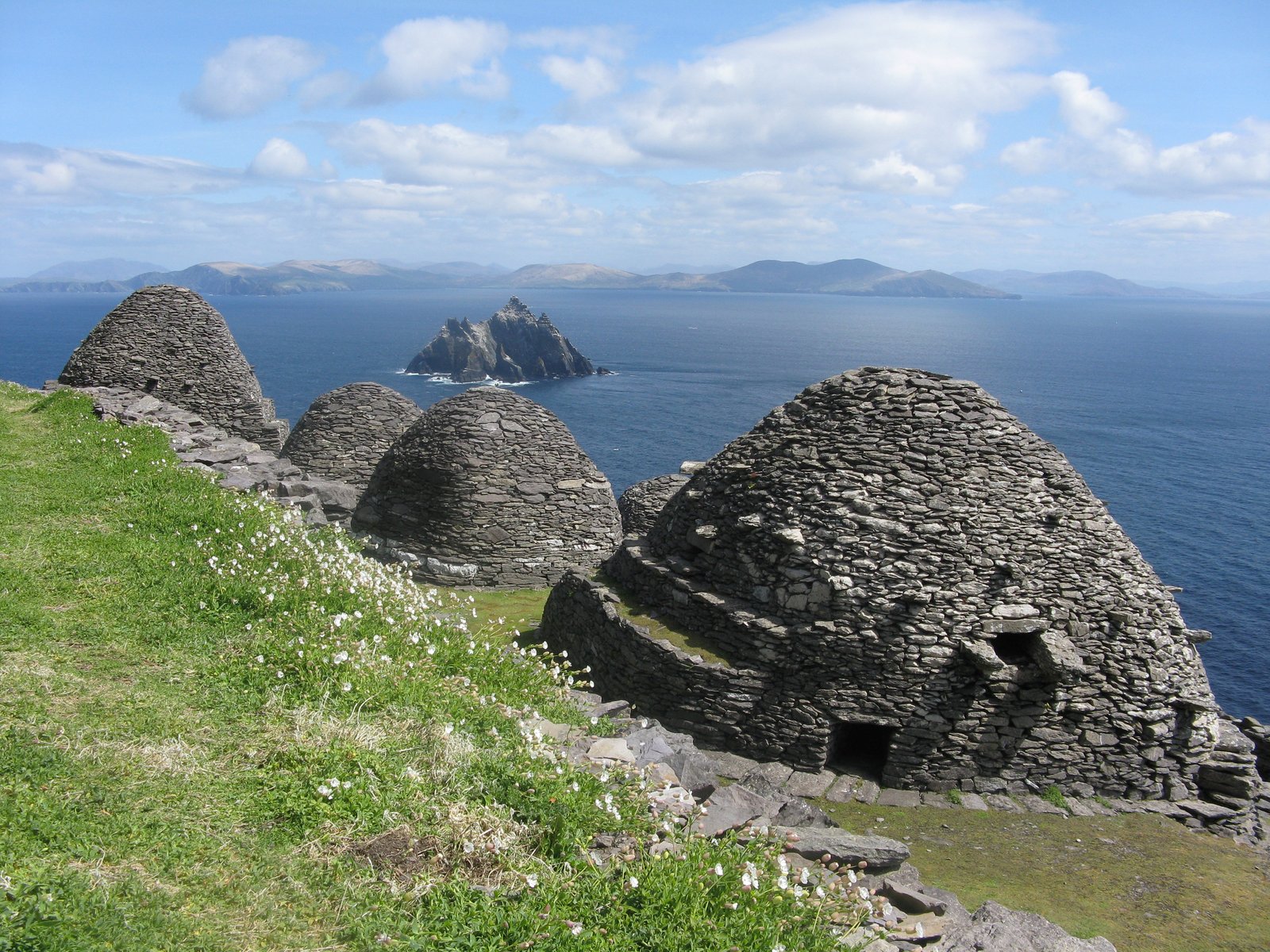
Skellig Michael is a jagged rock about 8 miles off the Kerry coast, and monks built a monastery near the top of it around the 6th century. To reach it you climb roughly 600 uneven stone steps with no handrail and a long drop on either side.
At the top are the beehive huts, dry-stone domes the monks stacked without mortar that have kept the rain out for well over a thousand years. Star Wars fans will know it as Luke Skywalker’s island from the later films, and yes, it looks exactly like that in person.
This is the hardest one to actually pull off. Landing boats run only in summer, cost around €100 per person, and sell out months ahead, and they get cancelled the moment the swell picks up. If you can’t get a landing spot, the cheaper eco tours circle the island without stopping, which still gets you the view.
Kilbaha’s Pope’s Head Sculpture Trail
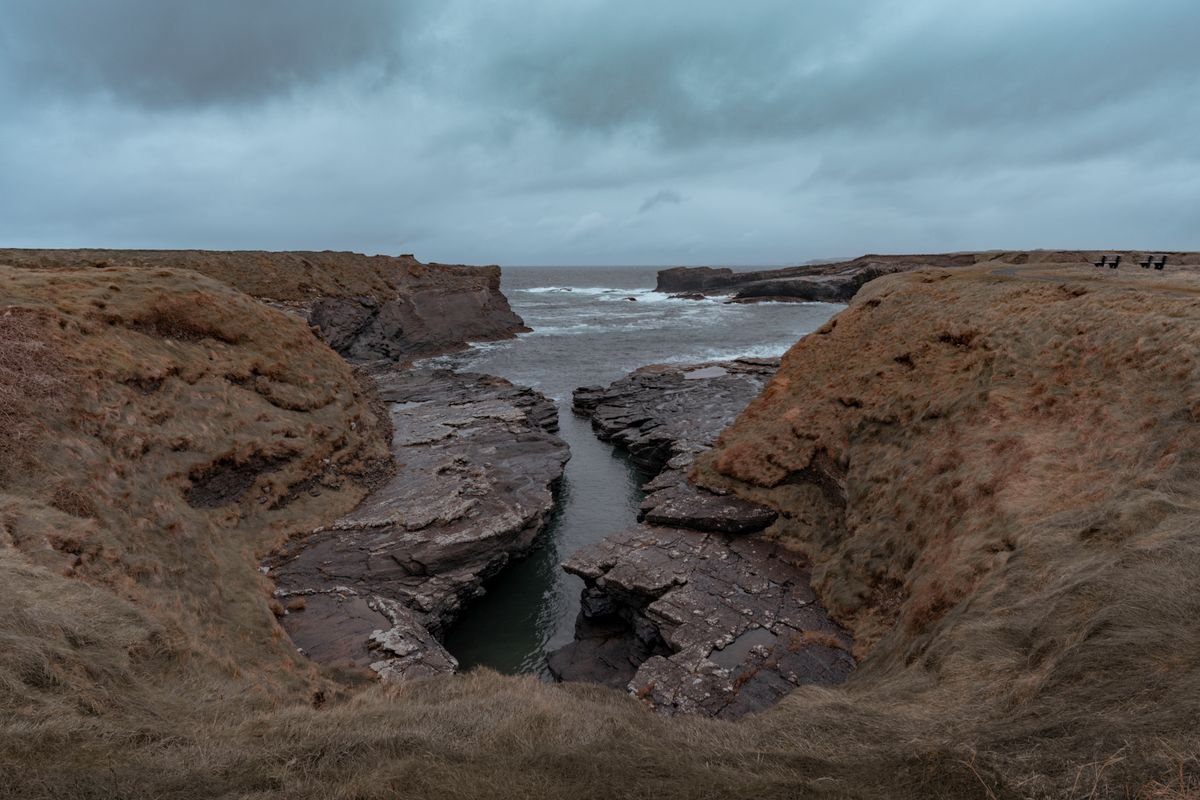
Out near the tip of the Loop Head peninsula, the little village of Kilbaha has scattered a set of outdoor sculptures along its shore. It’s an odd thing to find at the end of a quiet coast road, and almost nobody stops for it.
The strangest piece is a giant stone head of a pope, a nod to the Little Ark story, when locals held Mass in a wooden box wheeled onto the beach in the 1800s to get around a ban on Catholic worship. It’s free, it’s outdoors, and it takes about ten minutes.
Pair it with the drive out to Loop Head lighthouse at the very end of the peninsula. The whole finger of land is worth the detour off the main Wild Atlantic Way route, and the roads are quiet enough that you’ll rarely meet another car.
Weird Places in and Around Dublin
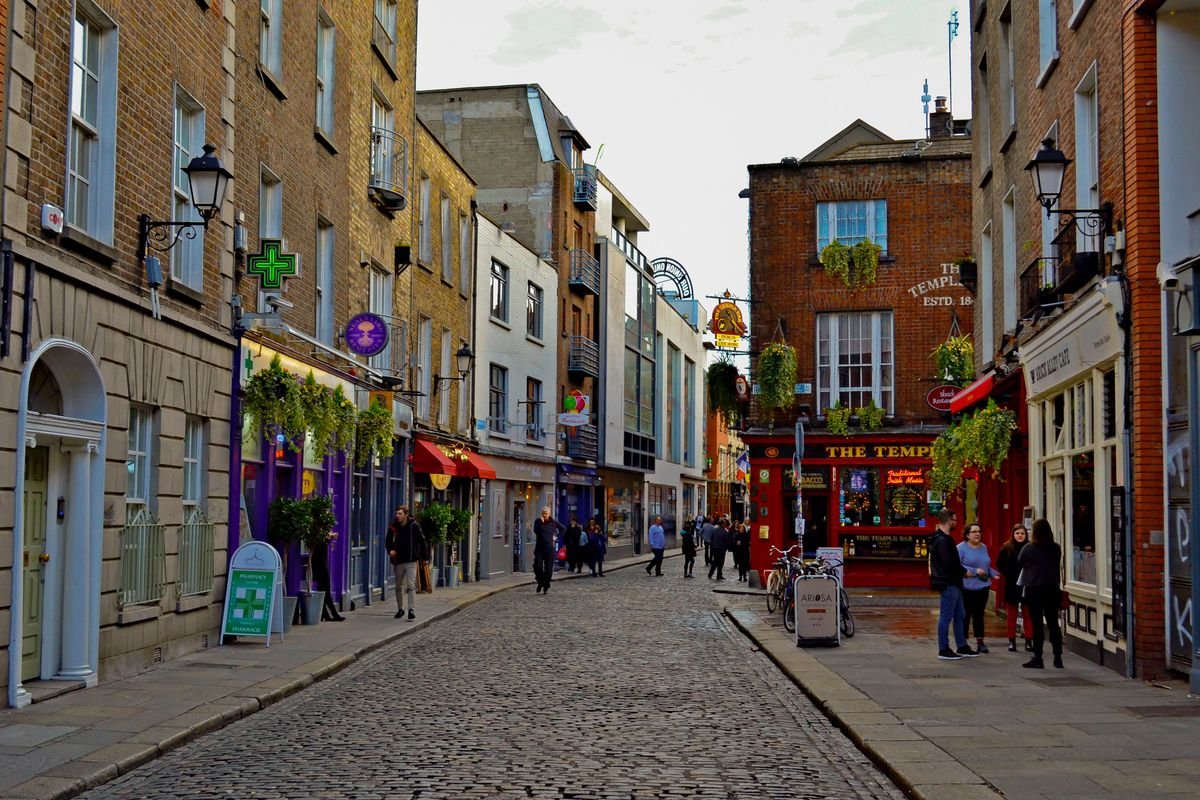
We based ourselves in Temple Bar on both ends of our last trip, staying at Fitzsimons Hotel and using the city as a bookend before and after the drive. Temple Bar is touristy, but it makes a fun first night and puts you within walking distance of some seriously odd corners of Dublin.
The weird stuff here isn’t the Guinness Storehouse or the shopping streets. It’s a crypt full of mummies, a museum built entirely from stuff Dubliners handed over, and a ruined lodge in the hills with a devil story attached. Two are a short walk from the center and the third is a quick drive out.
The Mummies Beneath St. Michan’s Church
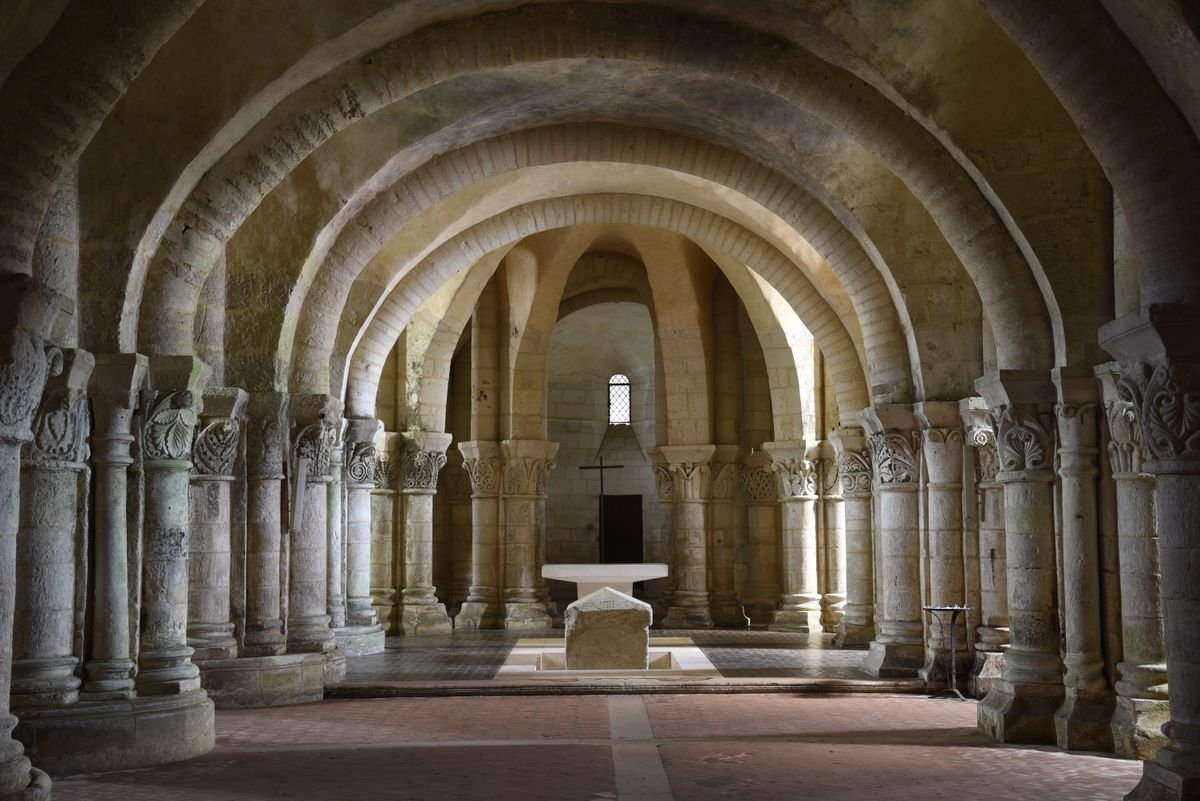
St. Michan’s sits just across the Liffey from Temple Bar, a short walk from the Jameson Distillery on Bow Street where we did the tour. The church itself is plain from the street, but the vaults underneath it hold several naturally mummified bodies you can go down and see on a guided tour.
The dry limestone walls and steady air have kept the corpses from decomposing, some for hundreds of years. The best known is a tall figure the guides call The Crusader, folded to fit the coffin, with a hand left exposed that visitors used to be allowed to touch.
Bram Stoker is said to have wandered these vaults as a boy, which fits given what he went on to write. Tours are short and run most days, but check the current times and price before you go, as the crypt closes for services and repairs.
The Little Museum of Dublin’s Odd Collection
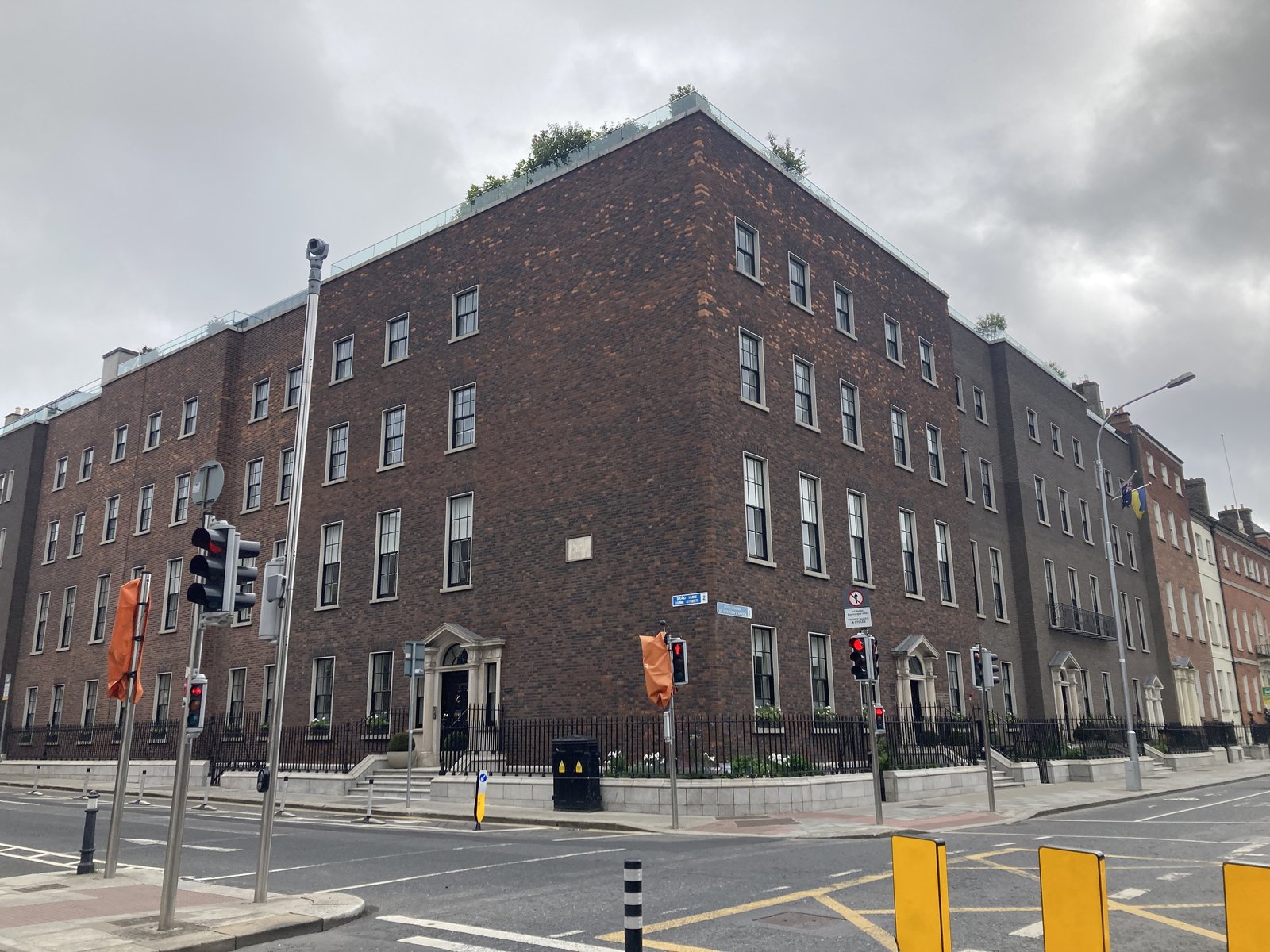
Facing St. Stephen’s Green, the Little Museum of Dublin tells the story of the city through objects that ordinary Dubliners donated. Nothing in it was bought for a collection. It’s all things people had lying around and decided to hand over.
The rooms are packed floor to ceiling with old photos, signs, letters, and bits of everyday life, including a room dedicated to U2 built from fan donations. It runs on guided tours that take about half an hour, and the guides are the reason to go, tying the clutter together into a real story.
It’s a good rainy-day option since it’s small and indoors. Book ahead if you can, as the tour groups are capped and the popular slots fill up.
The Hellfire Club Ruins on Montpelier Hill
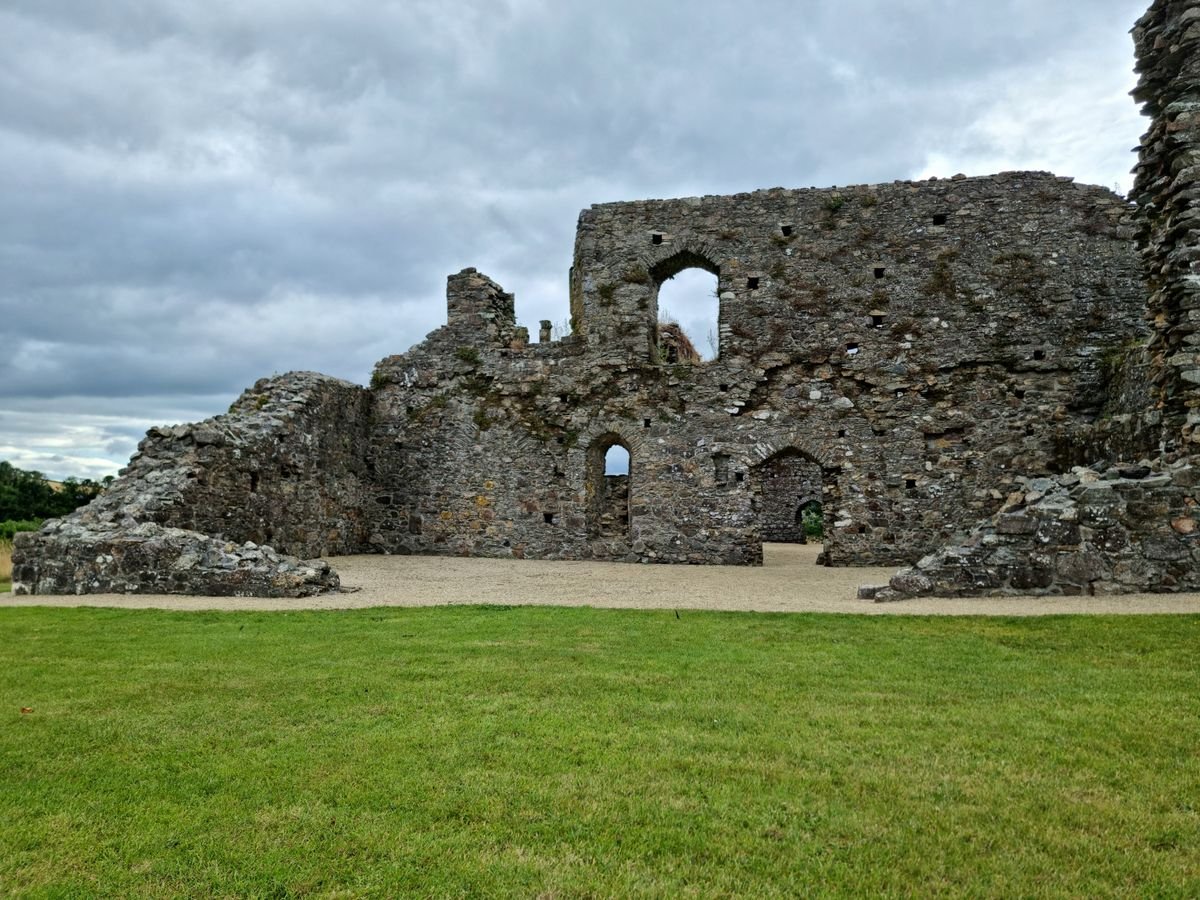
About a 30-minute drive south of the city, a ruined stone hunting lodge sits on top of Montpelier Hill in the Dublin Mountains. It was built around 1725, partly using stones from an old passage tomb that once stood on the same spot, which locals blamed for the bad luck that followed.
The lodge became a meeting place for a group of hard-drinking gentry, and the stories piled up fast: card games with a stranger who turned out to be the devil, a black cat, and a fire that gutted the roof. The building has stood roofless and grim ever since.
It’s a short uphill walk from the parking lot through the forest to reach it, maybe 20 minutes each way, and it’s free. The payoff is the view back over the whole city from the top, which is worth the climb even if the ghost stories don’t grab you.
Where to Stay in Dublin
Weird Places in Ireland’s Ancient East
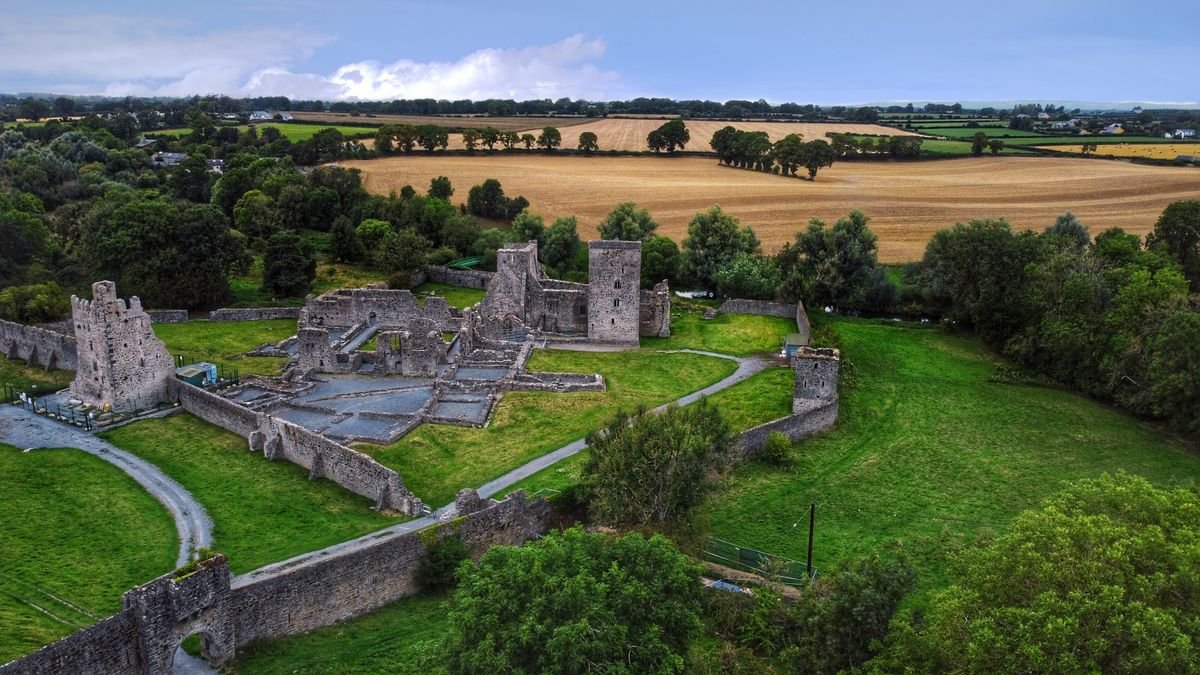
Inland from the coast, Ireland’s Ancient East is all castles and monasteries, but a few spots break the mold. There’s a cone-shaped tower built as a folly, a round tower leaning worse than Pisa, and a Gothic mansion left to rot behind its own gatehouse. All three are easy detours off the main routes, and none of them draw a crowd. If you’re not driving, you can book a Wicklow, Glendalough and Kilkenny day tour on GetYourGuide to see the Ancient East from Dublin.
The Wonderful Barn’s Spiralling Cone Tower
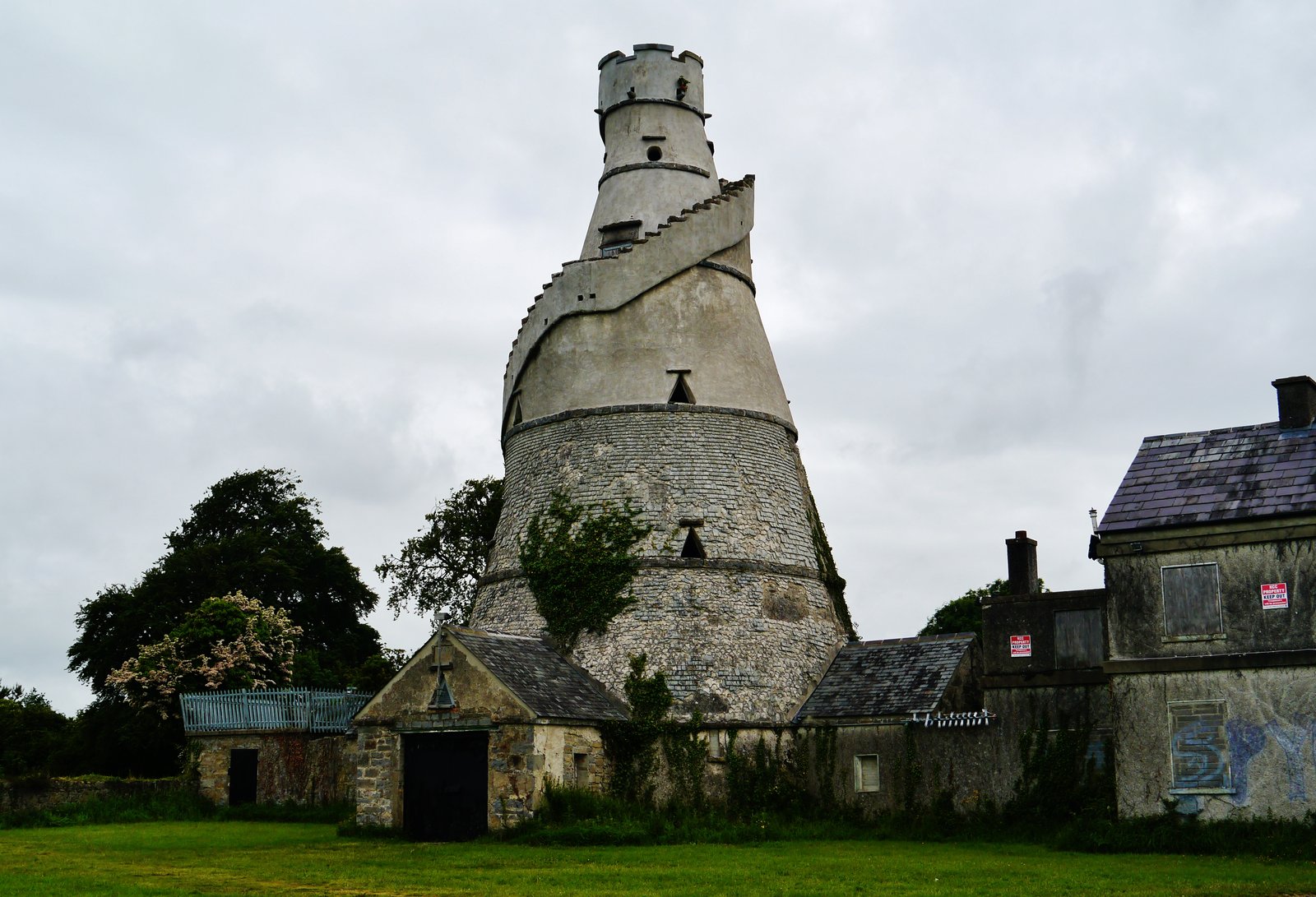
Out in Leixlip, County Kildare, the Wonderful Barn is a tall cone of red brick with a stone staircase spiralling up the outside of it. It’s about 22 meters high and gets narrower toward the top, so from a distance it looks like a stretched beehive or a giant chess piece.
It was built in 1743 as a famine-relief project, giving people work after a brutal winter, and was probably used to store grain. The 94 steps wind around the outer wall with no rail, and the middle is hollow so grain could be dropped straight down through openings in each floor.
It sits on private land near a housing estate, so access to climb it comes and goes. Even from the fence it’s an odd thing to find on the edge of a Dublin commuter town, and it’s a quick stop if you’re passing through Kildare.
Kilmacduagh’s Leaning Round Tower
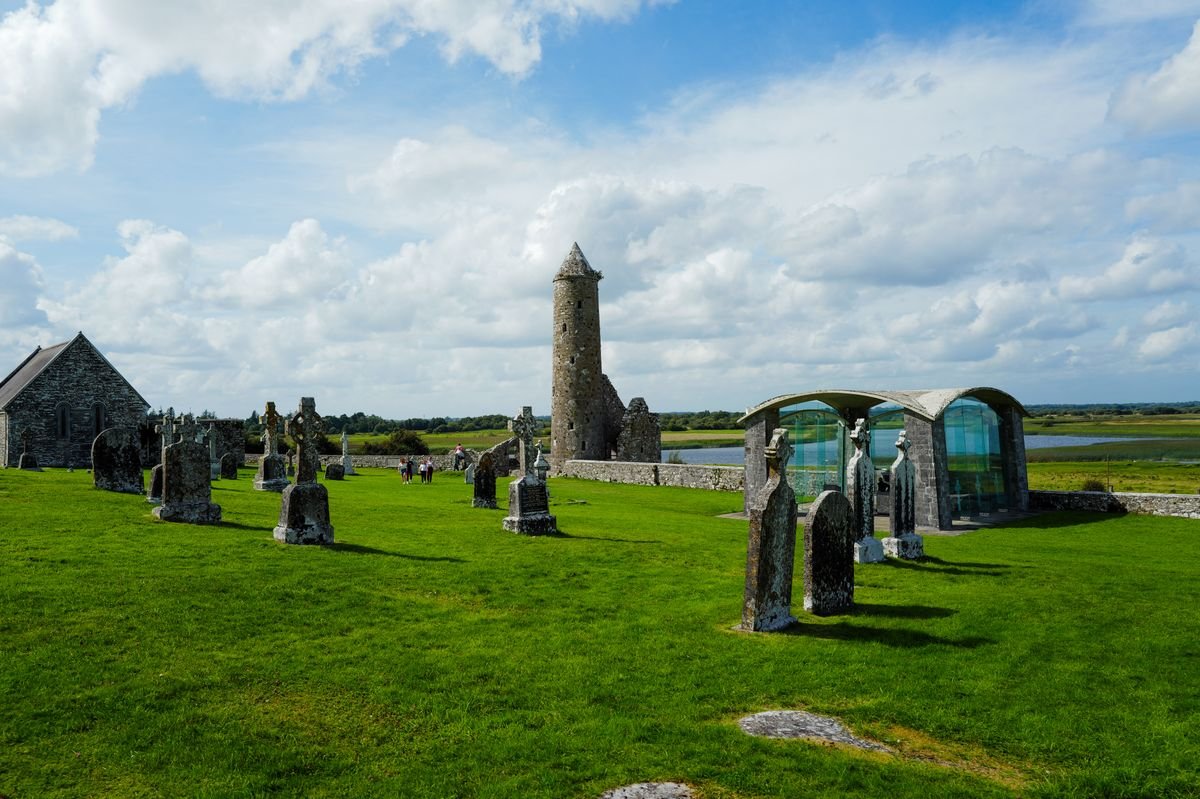
Near Gort in County Galway, the monastery ruins at Kilmacduagh are worth a wander on their own, but the round tower is the reason to go. At around 34 meters it’s one of the tallest in Ireland, and it leans noticeably off vertical, about half a meter out of true.
The lean has held for centuries and the tower isn’t going anywhere, so it’s less dramatic than it sounds and more of a slow tilt you clock once you line it up against something straight. The doorway sits several meters off the ground, the usual round-tower design, reached by a ladder that could be pulled up in a raid.
The site is free and open, scattered with old churches and a small cathedral across a few fields. It’s a short drive off the M18 and makes a good pause between Galway and the Burren.
Duckett’s Grove and Its Gothic Ruins
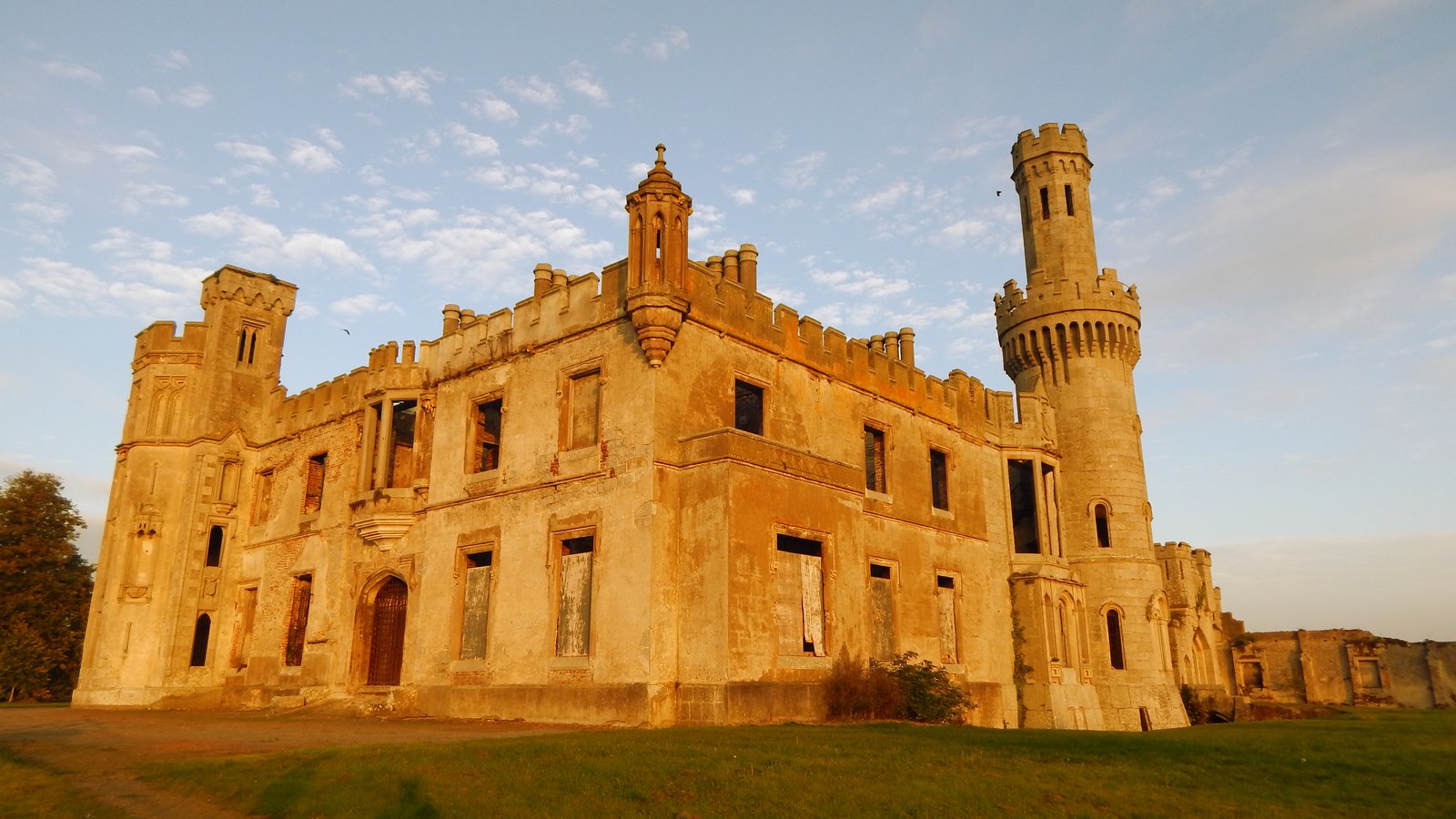
In County Carlow, Duckett’s Grove is the burnt-out shell of a Gothic Revival mansion, all turrets, towers, and pointed arches with the sky showing through the windows. It was one of the grandest houses in the county until a fire gutted it in 1933, and it’s been a ruin ever since.
The stonework that survived is heavily decorated, with carved faces and gargoyles staring down from the walls, which gives the place a proper haunted-house feel. There’s also a story of a banshee tied to the Duckett family, and the ruin does nothing to talk you out of it.
The grounds are free to visit and include restored walled gardens and a small tearoom, so it’s an easy hour or two. You can’t go inside the shell itself for safety reasons, but the outside is the striking part anyway.
Reach These Weird Spots on a Day Trip
- 12 Of The Best Day Trips From Galway
- 5 Best Day Trips From Belfast, Ireland
- 10 Epic Day Trips From Cork (Chosen By a Cork Local)
Weird Places in Northern Ireland
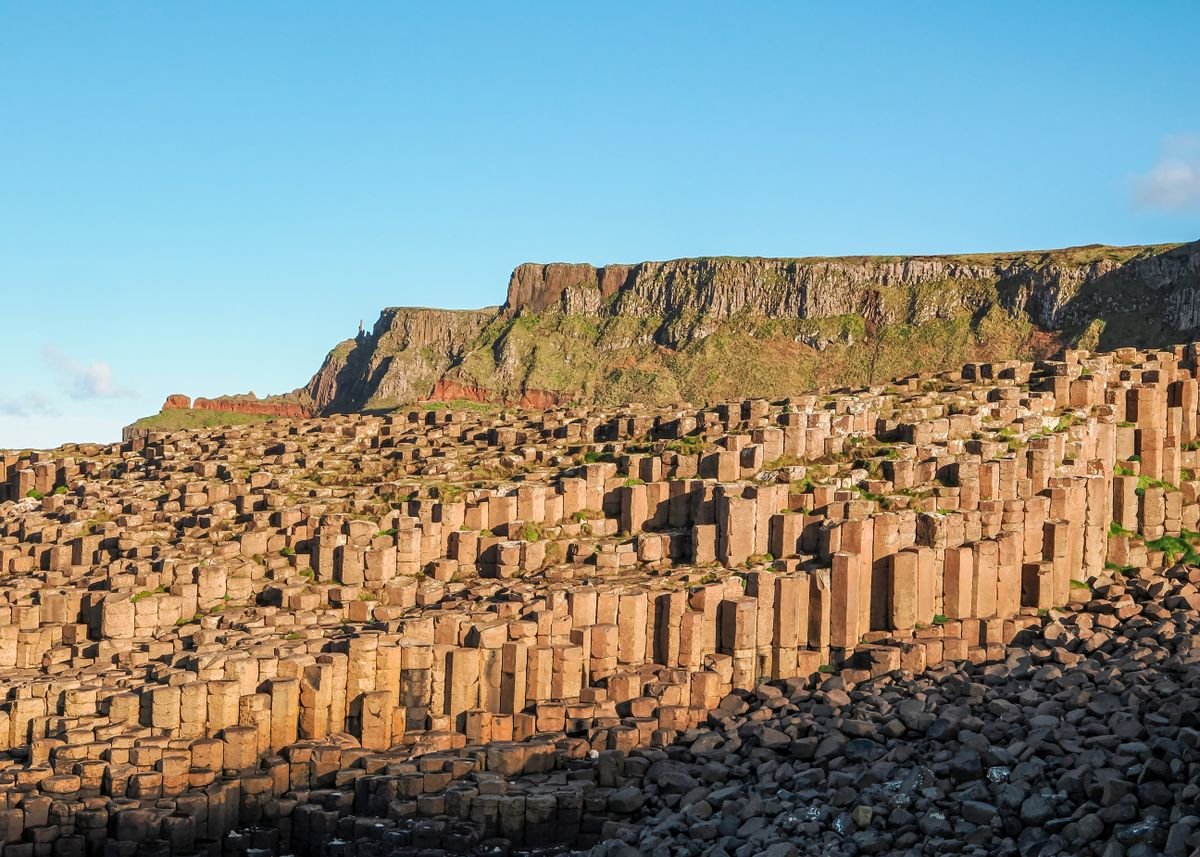
Up north the strange stuff turns physical. There’s a walkway bolted straight onto a sea cliff, a tunnel of trees that ended up in a TV show, and a rope bridge slung across an open Atlantic gap. All three sit along the Causeway Coast, so you can string them together in a day if the weather holds.
The Gobbins Cliff Path Bolted to the Sea
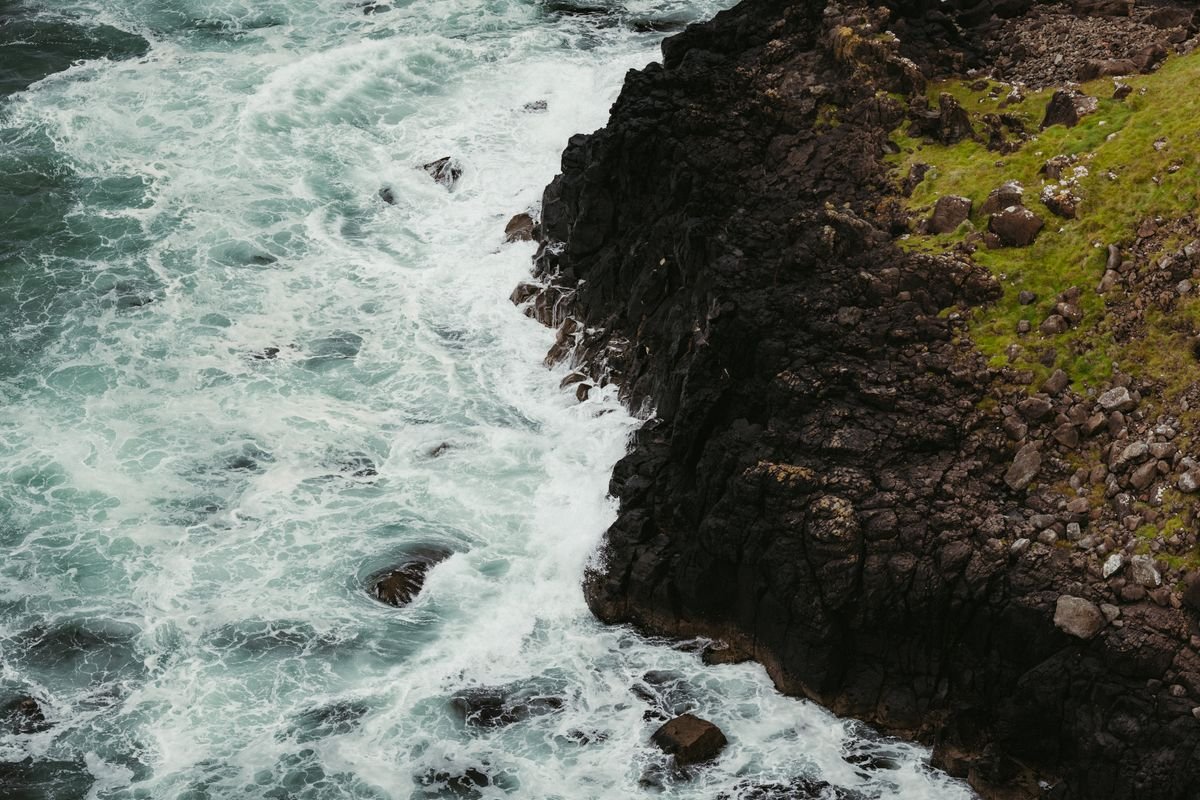
The Gobbins is a narrow path pinned to the black basalt cliffs of Islandmagee in County Antrim, right down at the waterline. It first opened in 1902, fell apart over the decades, and was rebuilt and reopened, so what you walk now is a mix of bridges, tunnels, and steps clinging to the rock.
The strange part is how low you are. Waves break a few feet below the metal walkways, and a tubular bridge arcs across a gap with the sea churning underneath it. Seabirds nest in the cliffs right beside you.
You can only do it on a booked guided tour, and it’s a real hike, steep steps and low tunnels, not a stroll. Tours cancel in rough weather, so check the current times and pricing and book ahead.
The Dark Hedges Beech Tunnel
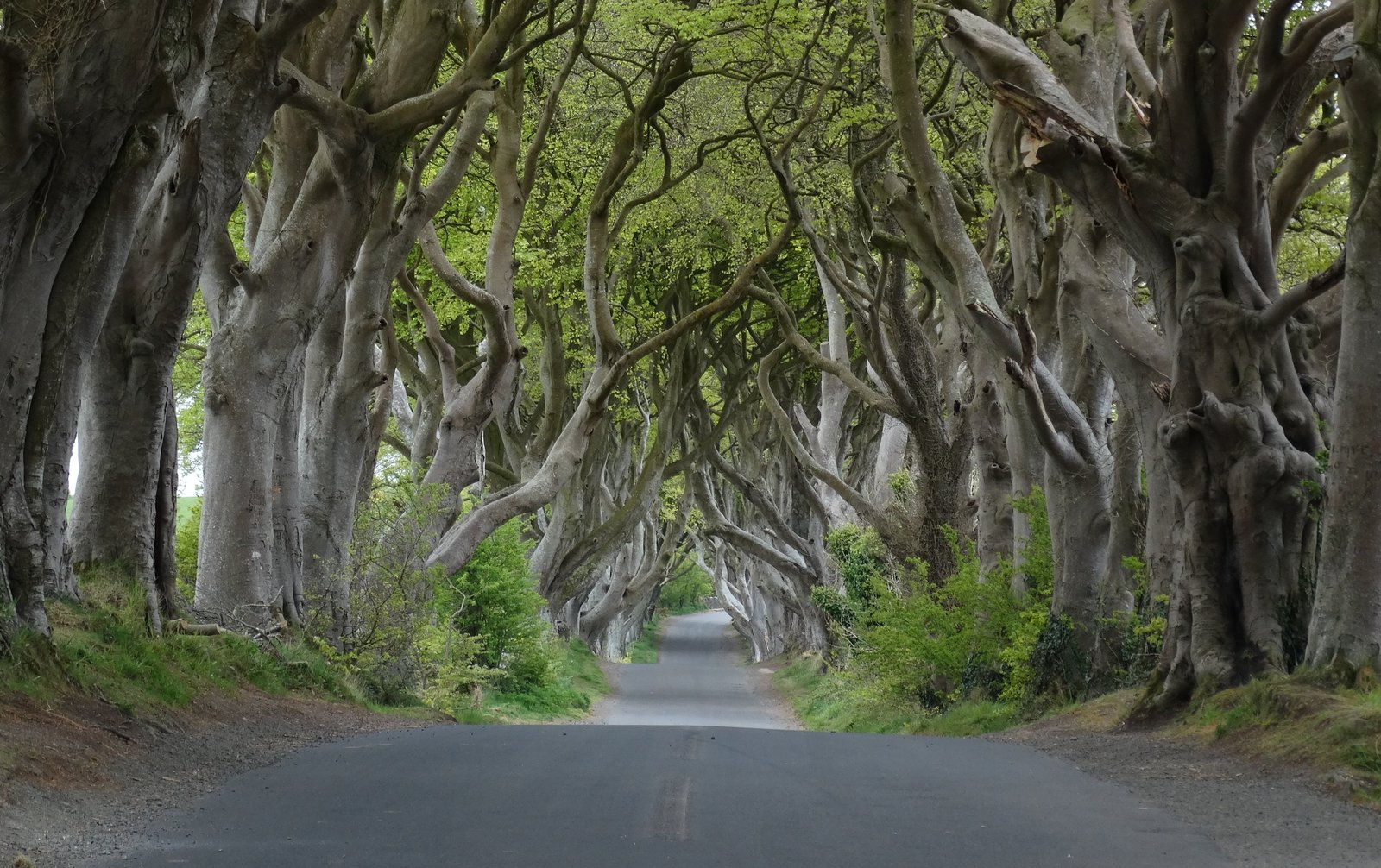
Near Armoy in County Antrim, the Dark Hedges is a row of beech trees planted in the 1700s along the road to an old estate. Over 250 years they grew into each other, and now their branches knit overhead into a low tunnel that blocks out most of the sky.
Game of Thrones fans will recognize it as the Kingsroad, which is why the crowds show up. Get there early or late and it’s a different place, just an old road under a canopy of tangled grey trunks.
The road itself is closed to traffic to protect the roots, so you park nearby and walk in. It’s free and takes about fifteen minutes, so treat it as a quick stop between the bigger sights rather than a destination on its own.
Cross the Carrick-a-Rede Rope Bridge
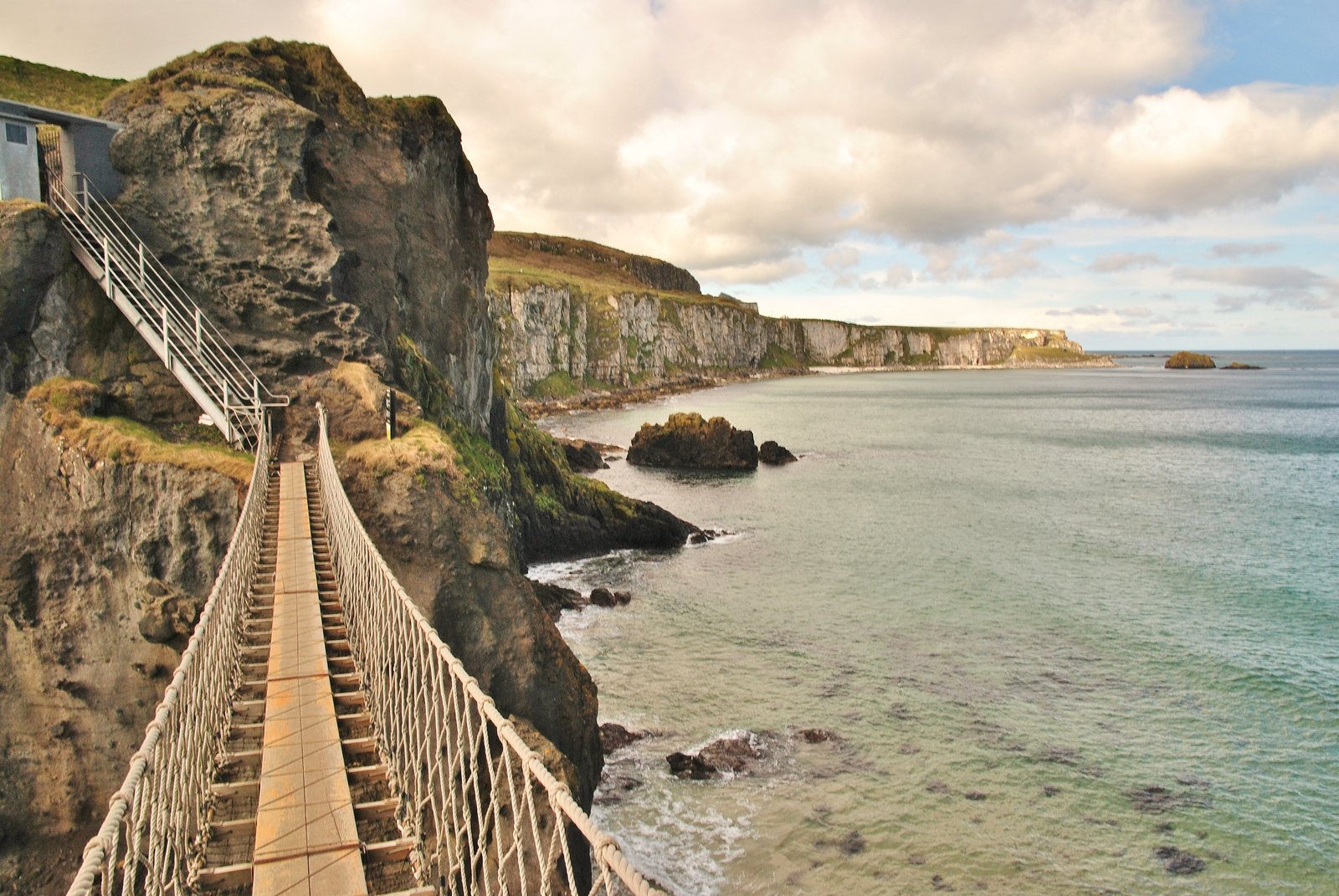
Carrick-a-Rede is a rope bridge strung about 100 feet above the sea, connecting the mainland to a tiny rocky island near Ballintoy. Fishermen first slung a bridge across this gap centuries ago to reach the salmon, and the crossing has been there in some form ever since.
The bridge is short, only around 20 meters, but it sways as you walk and there’s open water and rock straight down below the planks. The reward on the far side is the view back along the cliffs, with Rathlin Island and, on a clear day, the coast of Scotland out on the horizon.
It’s run by the National Trust with a timed ticket, and slots sell out in summer, so book before you drive out. It’s about a mile walk from the parking lot to the bridge along the cliff, and it sits close enough to the Giant’s Causeway to do both in one day. If you’d rather leave the driving to someone else, you can book a Giant’s Causeway day tour on GetYourGuide that strings the Causeway Coast stops together from Dublin.
Where to Stay in Portrush
Practical Tips for Visiting Ireland’s Weird Places
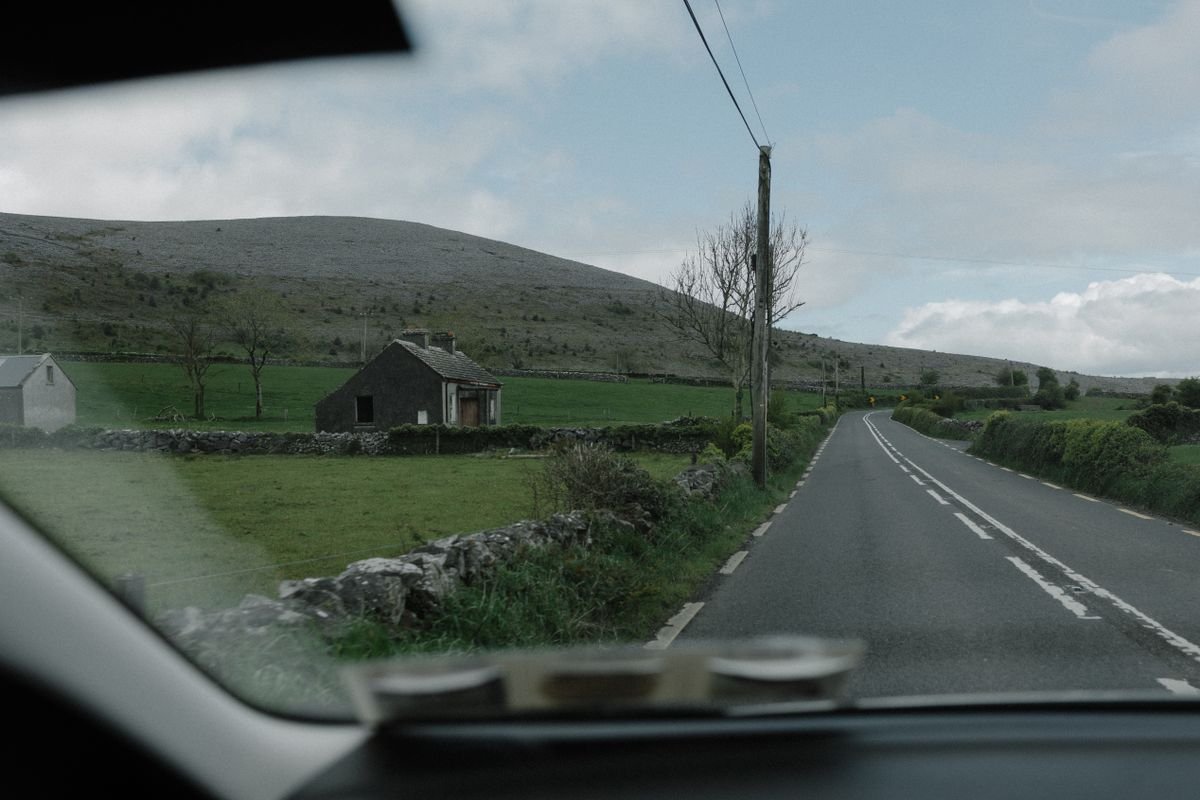
Most of these are detours off the main tourist routes, so the trick is stringing them together without adding hours of backtracking. Here’s what I’d tell a first-timer before they set off.
Rent a car. We drove Ireland in a campervan on our last trip, but a rental works just as well for every stop on this list, and it’s the easier choice for a first visit. It’s worth taking a minute to compare car hire deals on Discover Cars before you lock anything in. Almost none of these places are on a bus route, and a few sit down single-track roads a tour bus couldn’t fit down anyway.

Book the ones that sell out well ahead. Skellig Michael landings, Carrick-a-Rede, and the Gobbins all run on timed tickets that go months in advance in summer, and they cancel the moment the weather turns. Pick your dates around those three first, then fit the free stops around them.
Check current times and pricing the week you go. The caves, the crypt, and the guided cliff walks all close for weather, repairs, or services, and seasonal hours change. A two-minute check saves you a wasted drive to a locked gate.
Group Them by Region and Give the Free Ones an Hour
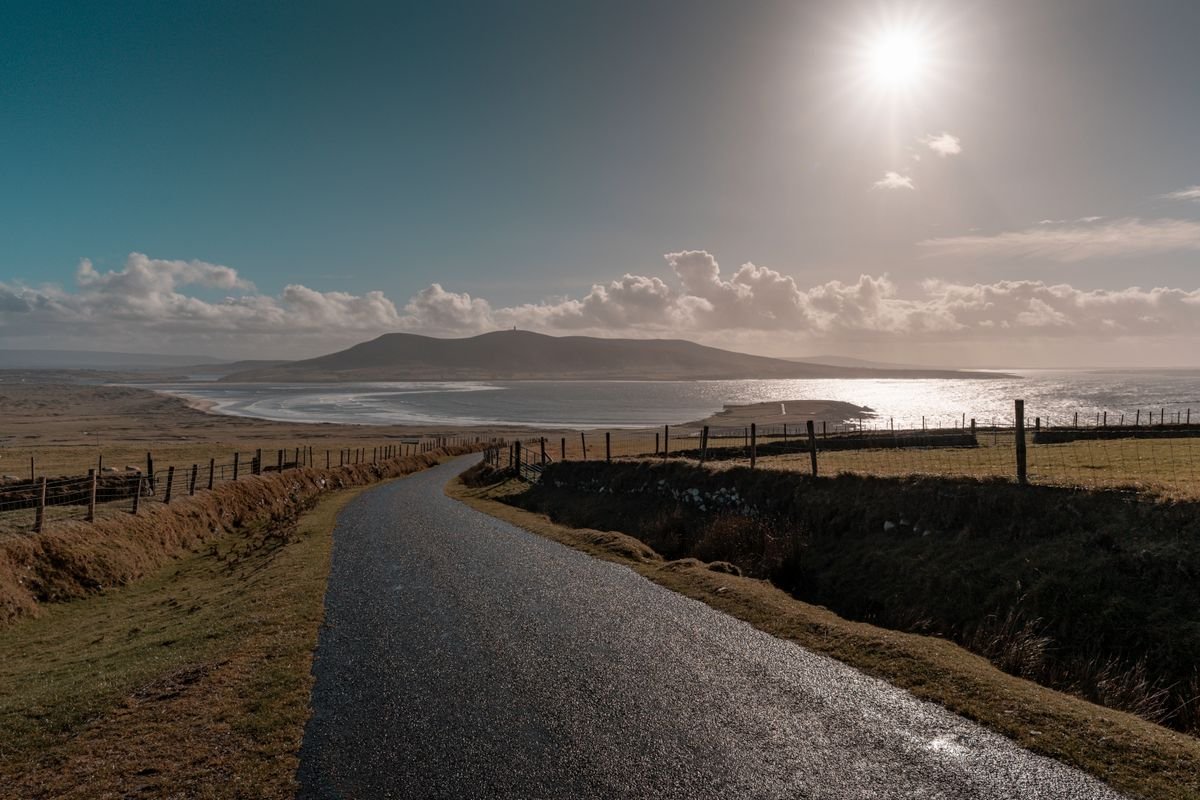
The regions in this post line up with how you’d actually drive Ireland, so treat each cluster as a day. The Causeway Coast stops in the north sit close enough to do in one go, and the Loop Head detour pairs with the Cliffs of Moher on the west coast.
The free outdoor stops like the Wonderful Barn, Kilbaha, and the Dark Hedges take fifteen minutes to an hour, so they’re easy to slot in between the bigger sights. Go early or late at the Dark Hedges to skip the crowds, and pack a rain jacket everywhere, since half of these are outdoors and the weather flips fast.

We bookended our drive with a couple of nights in Dublin on each end, which is the natural way to fit St. Michan’s and the Little Museum in without rushing. Give yourself two nights in the city so the odd corners don’t get squeezed out by the pub and the distillery.
Frequently Asked Questions
What is the weirdest place to visit in Ireland?
The mummies under St. Michan’s Church in Dublin are the strangest single thing on this list, and you can go down and see them on a short guided tour. If you want weird scenery instead of weird history, the Burren in County Clare is the closest Ireland gets to walking on the moon.
Do you need a car to visit these weird places?
For most of them, yes. Almost none of these spots sit on a bus route, and a few are down single-track roads a tour bus couldn’t fit. Rent a car, and you can string a whole region together in a day.
Are Ireland’s weird places free to visit?
Plenty are. The Dark Hedges, the Wonderful Barn, Kilbaha’s sculptures, Kilmacduagh, the Hellfire Club, and Duckett’s Grove are all free and outdoors. The ones you pay for are the guided or ticketed sites: the caves, St. Michan’s crypt, Skellig Michael, Carrick-a-Rede, and the Gobbins.
Which weird spots need booking ahead?
Skellig Michael landings, Carrick-a-Rede, and the Gobbins run on timed tickets that sell out months in advance in summer, and they cancel the moment the weather turns. Book those three first, then fit the free stops around your dates.
What’s the weirdest place near Dublin?
The Hellfire Club ruins on Montpelier Hill, about a 30-minute drive south of the city. It’s a roofless stone lodge with a devil legend attached, and the view back over Dublin from the top is worth the short climb on its own.
Plan the Drive Between These Weird Places
- A Photographer’s Definitive Ireland Road Trip
- Wild Atlantic Way Itinerary – Ireland’s Most Epic Road Trip
- 7 Best Day Trips From Dublin, Ireland
In short
- St. Michan’s crypt in Dublin holds naturally mummified bodies, including an 800-year-old Crusader.
- The Burren in County Clare is a cracked grey limestone moonscape you can drive through.
- Kilmacduagh’s round tower in Galway leans further off vertical than the Tower of Pisa.
- The Dark Hedges, Wonderful Barn, Kilbaha sculptures, Hellfire Club, and Duckett’s Grove are all free.
- Book Skellig Michael, Carrick-a-Rede, and the Gobbins months ahead; they sell out and cancel in bad weather.
Final Thoughts on Ireland’s Weird Places
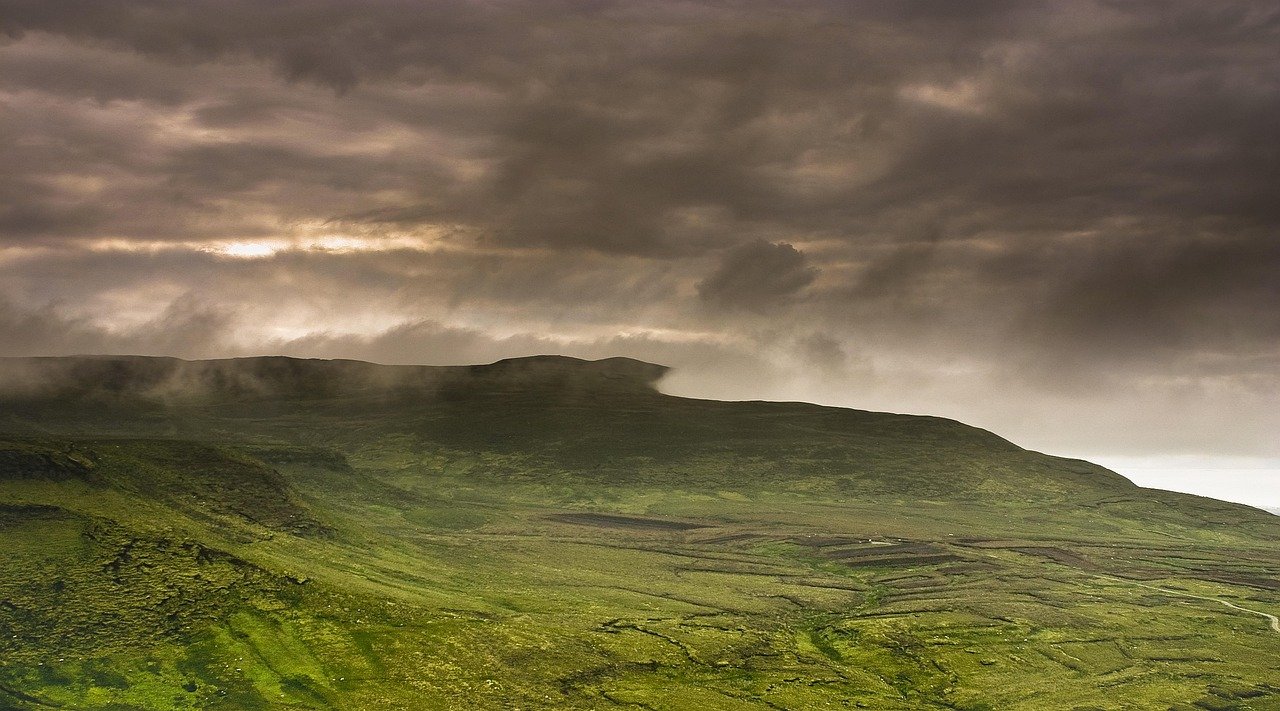
The famous stops in Ireland are famous for a reason, and you should see them. But the odd little detours are what I remember most from our last trip, and they’re the ones I end up telling people about first.
None of these need to be the whole plan. A mummy crypt, a leaning tower, or a cliff path bolted to the rock slots neatly into a day built around the big names, and it costs you an hour at most. That’s the sweet spot with weird places in Ireland: small effort, and they stick with you longer than the postcard shots.
If you only fit in a few, I’d point a first-timer to St. Michan’s mummies, the Burren, and Carrick-a-Rede. Book the ones that sell out early, keep the free stops loose, and let the strange corners fill the gaps. That’s the version of Ireland I’d go back for.
Like it? Pin it!
Save this guide for later