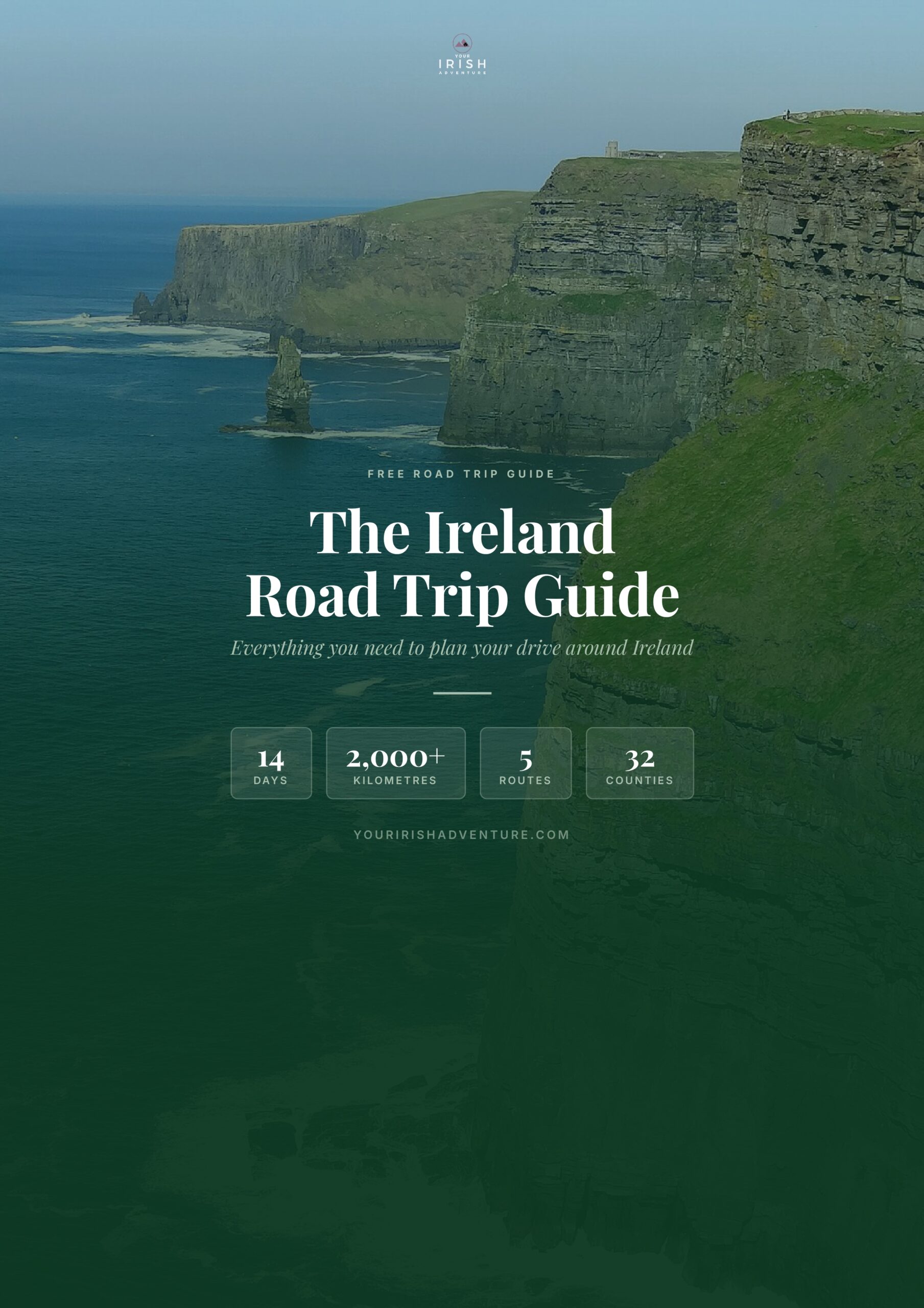
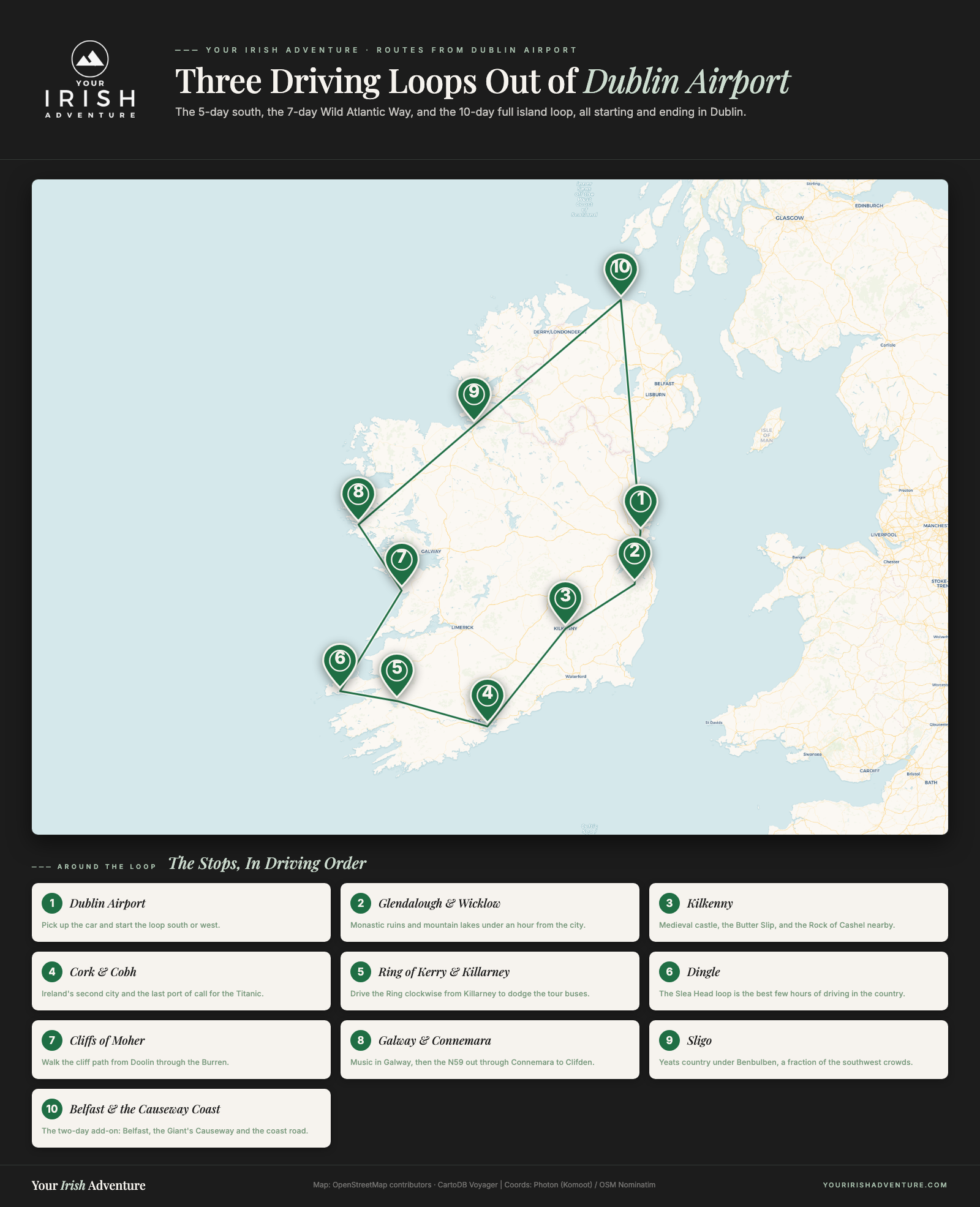
We spent about two weeks driving Ireland on our last trip, a full loop out of Dublin and back. You don’t need two weeks though. Five, seven or ten days is plenty if you don’t try to cram the whole island in, and these Ireland itineraries from Dublin Airport are built around exactly that.
We drove it by campervan, but a rental car works the same on every stop here, and it’s the easier choice for a first trip. You land, you pick up the car at the airport, and you’re on the road south or west within an hour.
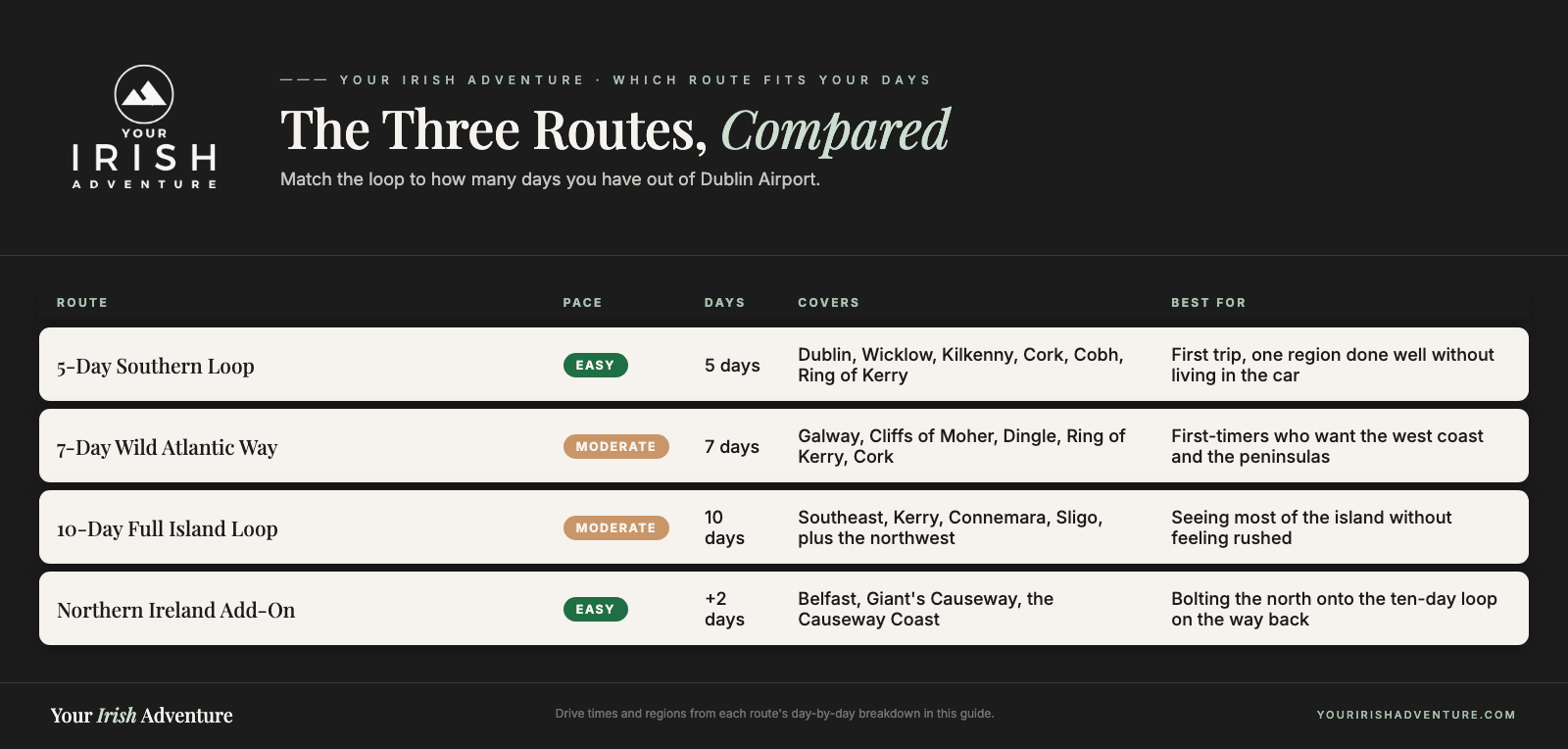
The trick is matching the route to your days. Five days gets you Cork and Kerry. Seven opens up the Wild Atlantic Way. Ten lets you loop most of the island without feeling rushed. Try to do all of it in five and you’ll spend the trip in the car.
Below I’ll walk through each route day by day, sort out the car and the driving before you go, and tell you which stops I’d cut first if you’re short on time.
More Ireland Itineraries & Road Trips
- A Photographer’s Definitive Ireland Road Trip
- Wild Atlantic Way Itinerary – Ireland’s Most Epic Road Trip
- 9 Best Places On The Wild Atlantic Way Route
Quick Answer:
The best Ireland itineraries from Dublin Airport come in three lengths. Five days covers the southern loop through Cork and Kerry, seven days reaches the Wild Atlantic Way, and ten days loops the whole island. Pick up a rental car at the terminal and match the route to how many days you have.
Getting Your Car From Dublin Airport
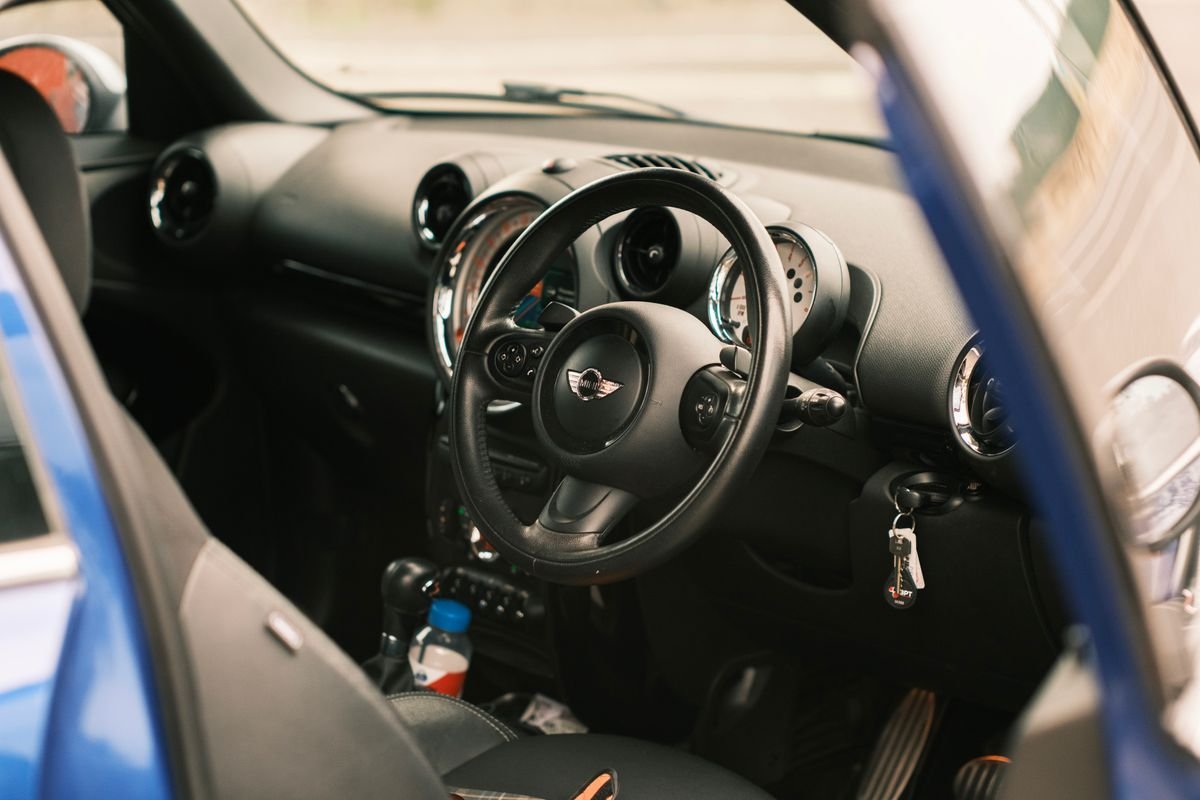
Almost every rental company has a desk at Dublin Airport, and that’s where I’d pick your car up. You skip a trip into the city and you’re pointed at the motorway straight away, which is exactly what you want on day one. I’d compare car hire deals at Dublin Airport on Discover Cars before you fly, since it lines up the airport desks side by side and the price gap between them is bigger than you’d think.
We did it slightly differently on our last trip. We flew in on Ryanair, took the airport bus into the city center, and collected our campervan from a depot north of Dublin the next morning. If you’re renting a normal car, you don’t need any of that, you just grab it at the terminal.
Book an automatic if you’re not used to a manual. Most rentals here are stick shift, and learning to change gears with your left hand while driving on the left is a lot for your first hour in the country.
Take the CDW/insurance seriously too. Irish rental excess can be steep, and a lot of credit card coverage doesn’t apply here, so check yours before you fly rather than at the desk.
Do the airport Guinness before you drive

Here’s the one bit of ceremony I’d keep. Grab a Guinness in the terminal before you go anywhere, it’s a Dublin tradition and it’s a good way to reset after the flight.
Just make sure Dariece, or whoever you’re traveling with, is the one driving if you’re having one. Then load the bags, punch your first stop into the phone, and get on the road.
Driving in Ireland: What to Expect
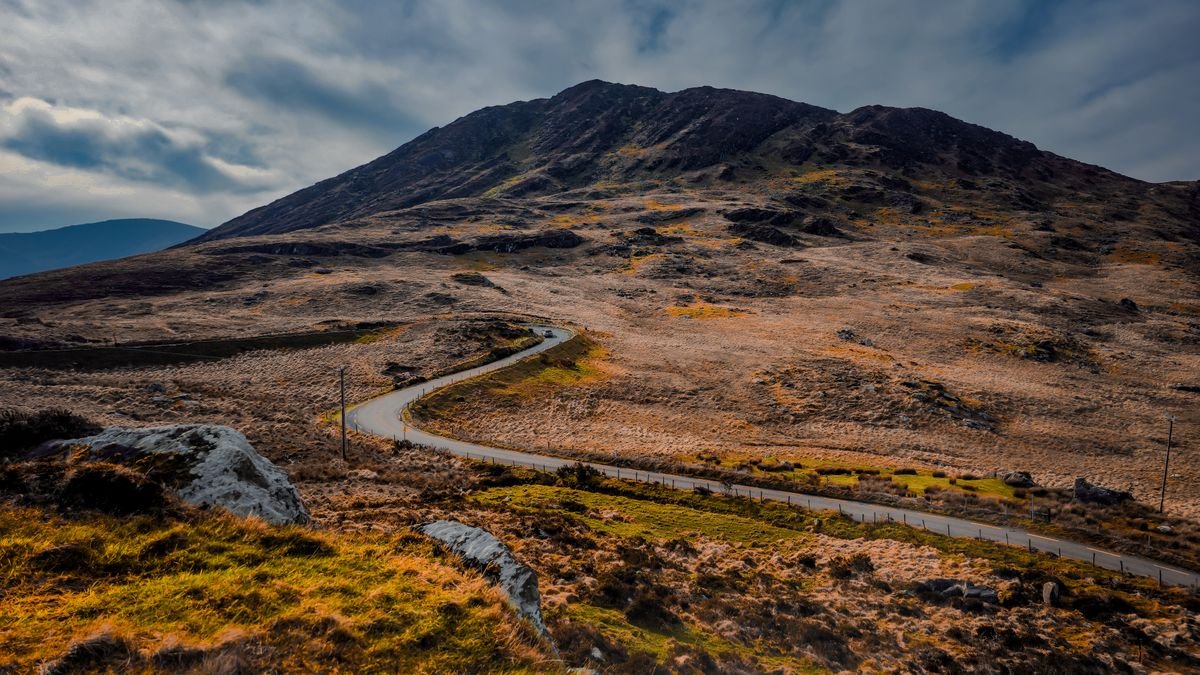
You drive on the left, and the first hour is the hard part. Roundabouts go clockwise, the person in the passenger seat will flinch a few times, and then it clicks and you stop thinking about it.
The motorways out of Dublin are wide, fast and easy. It’s the small roads that catch people out, and those small roads are where most of the good stuff is.
The roads get narrow, and that’s fine
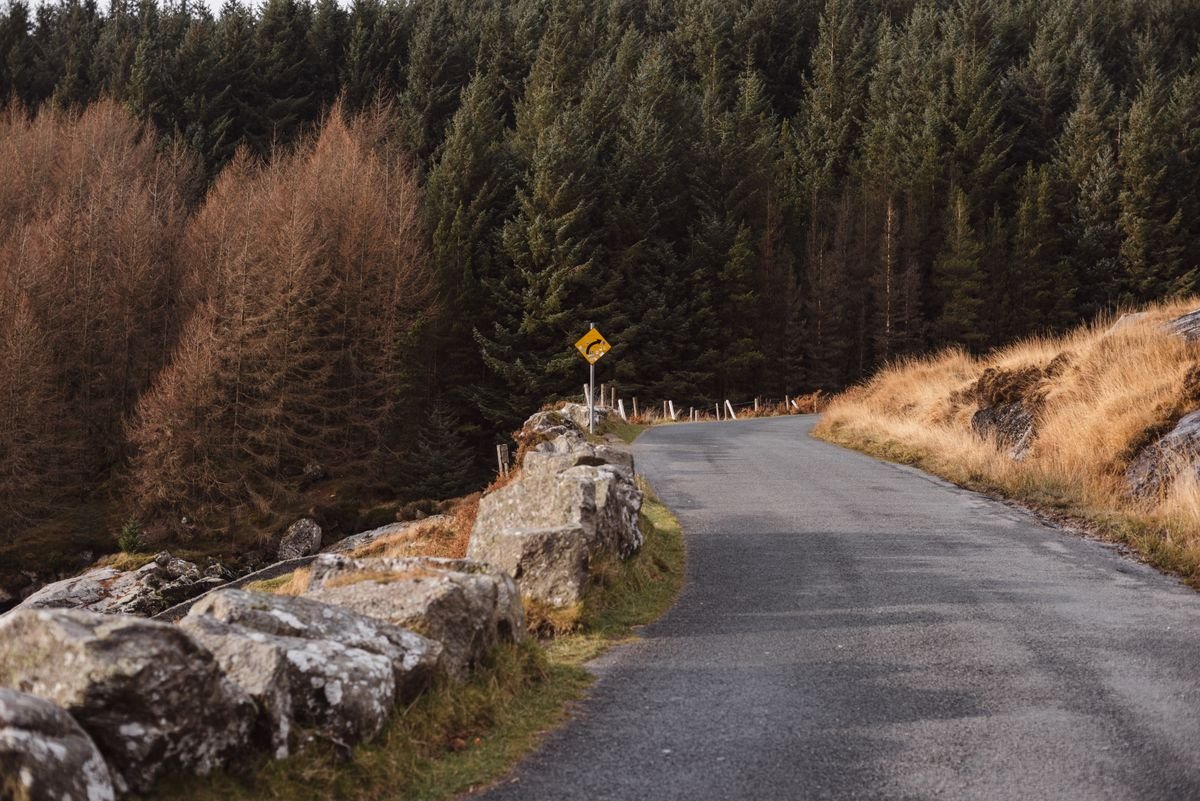
Out west the roads shrink fast. The N59 through Connemara is one of the best drives in the country, and it’s narrow the whole way, with stone walls close on both sides. It’s perfectly manageable, you just slow down and use the pull-outs to let cars by.
Then there are the boreens, the tiny single-track farm lanes. We turned up one to reach Staigue Fort on the Ring of Kerry and it was barely wider than the van. Take these slow, expect to reverse for oncoming traffic, and watch for sheep.
On the Ring of Kerry itself, drive clockwise from Killarney. The tour buses go counterclockwise, and going the same way means you’re not meeting them head-on around blind bends.
Parking in towns is the real headache
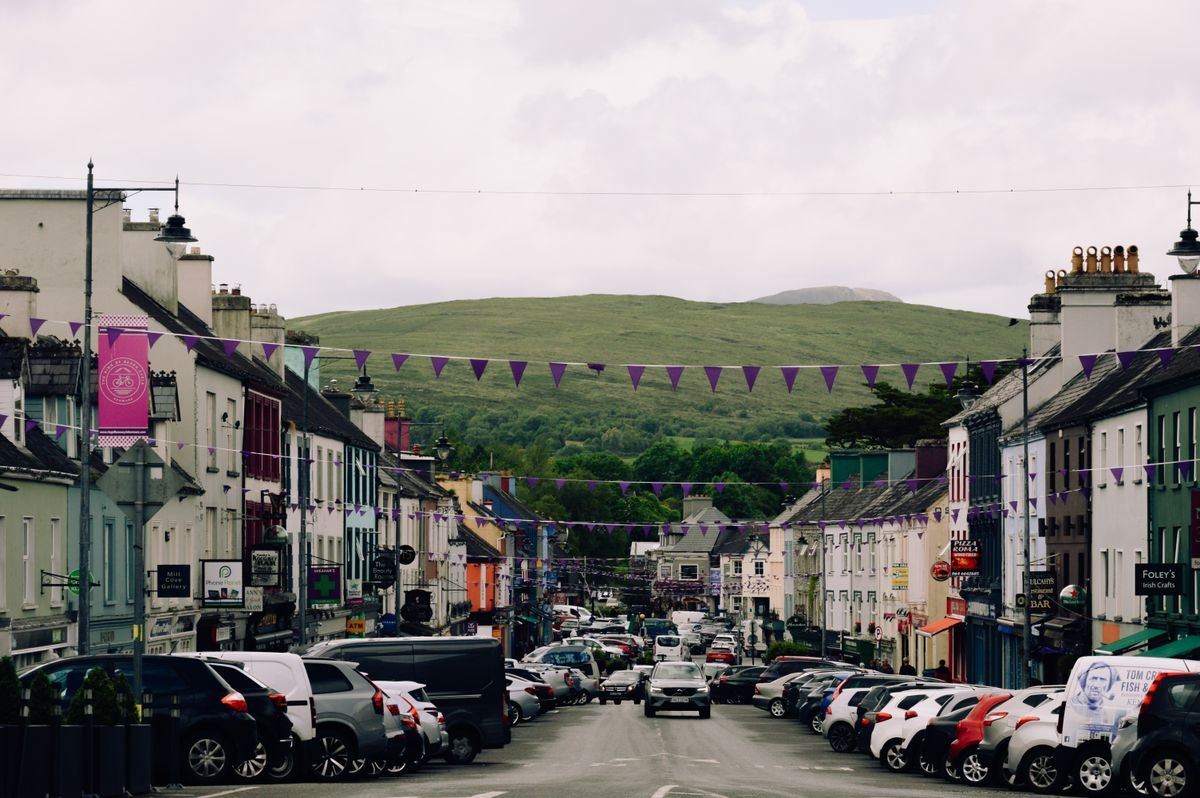
The driving isn’t the problem in the cities, the parking is. We stayed just outside Galway at Salthill and took a taxi in, because parking a big vehicle in the center is a nightmare.
In a normal rental car it’s easier, but I’d still plan to park on the edge of the busy towns and walk in. Grab the FreeNow app before you go, it’s what everyone uses for taxis over here and it saves standing around.
Fuel is sold by the liter and it’s not cheap, so factor that into the budget. Fill up in the bigger towns, as stations get sparse once you’re deep into the peninsulas.
The 5-Day Southern Loop: Dublin, Cork and Kerry
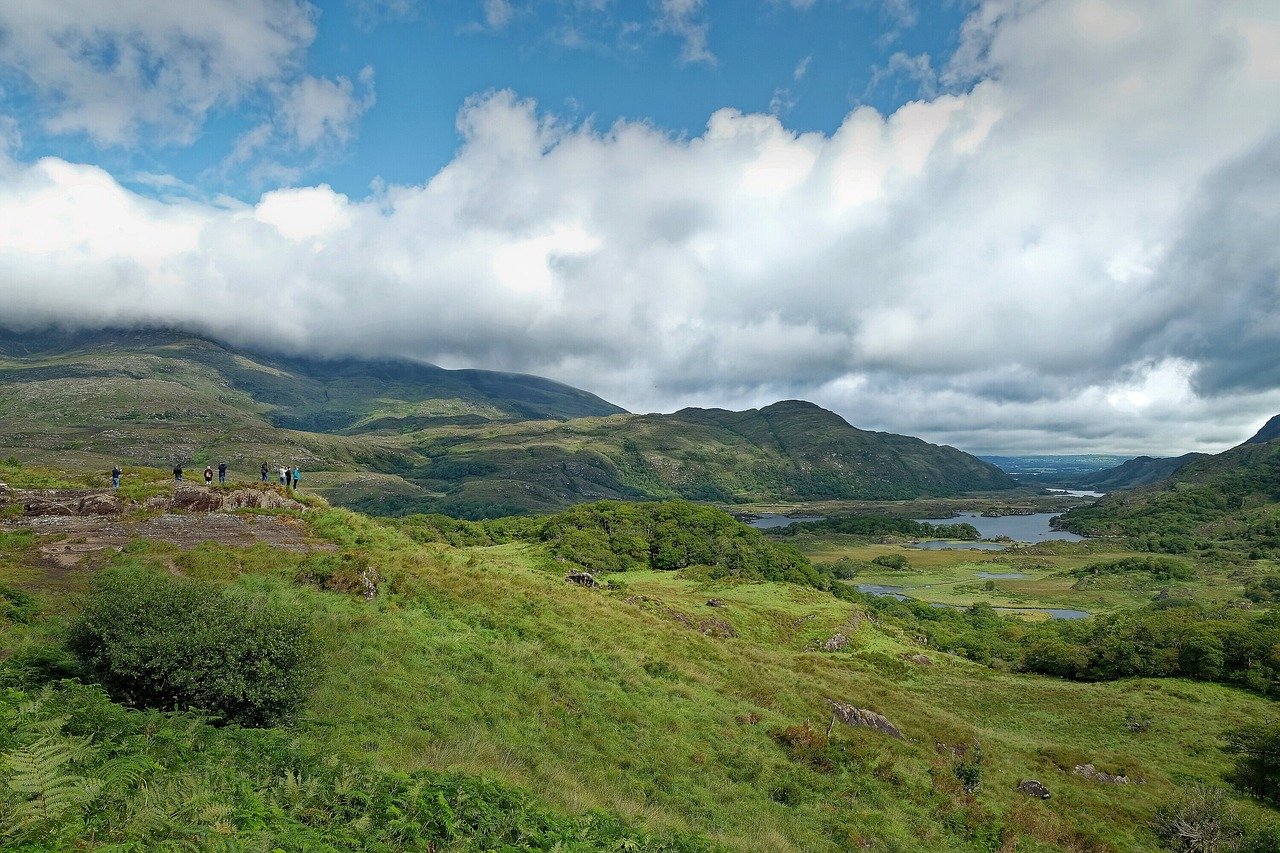
This is the route if you’ve only got five days and don’t want to spend them driving. It’s a tight loop south and west out of Dublin, and it still gets you a castle, a harbor town, and one of the great coastal drives in the country.
Days 1-2: Dublin and the Wicklow Mountains
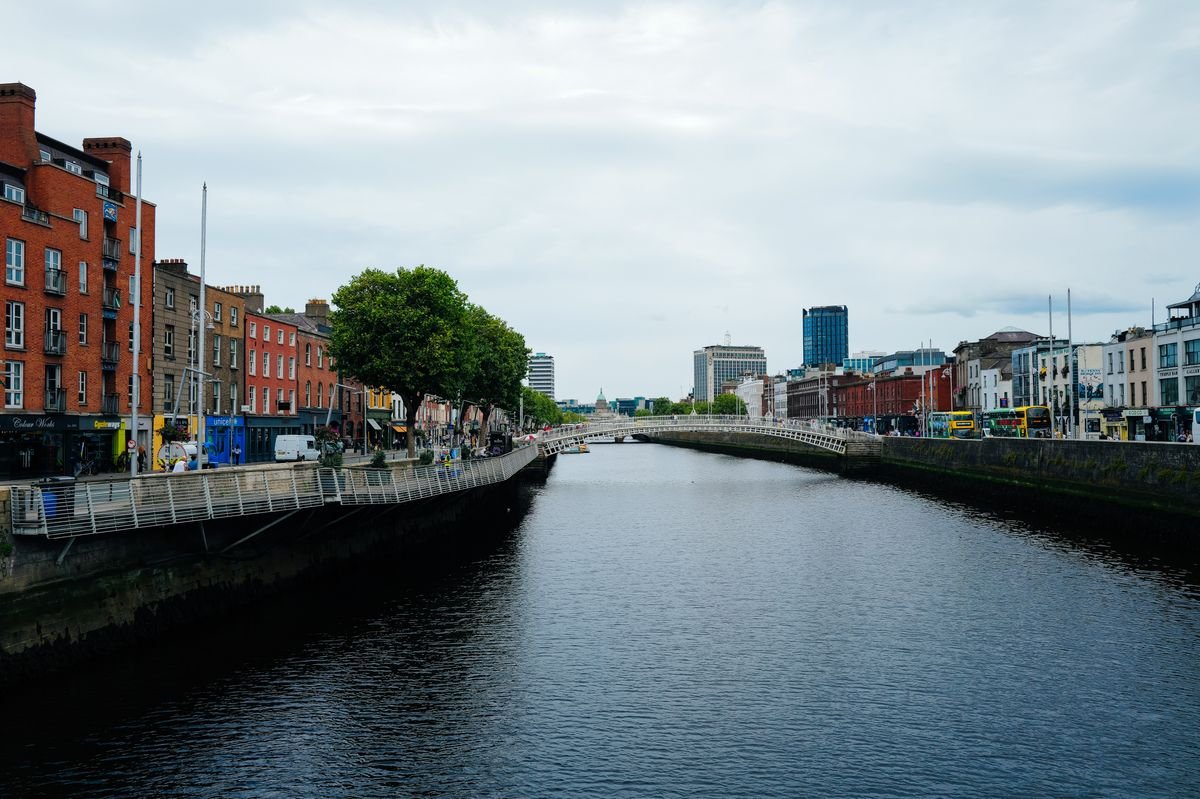
Give Dublin your first night and morning. You’ll want it after the flight, and the city earns a day on its own before you point the car anywhere.
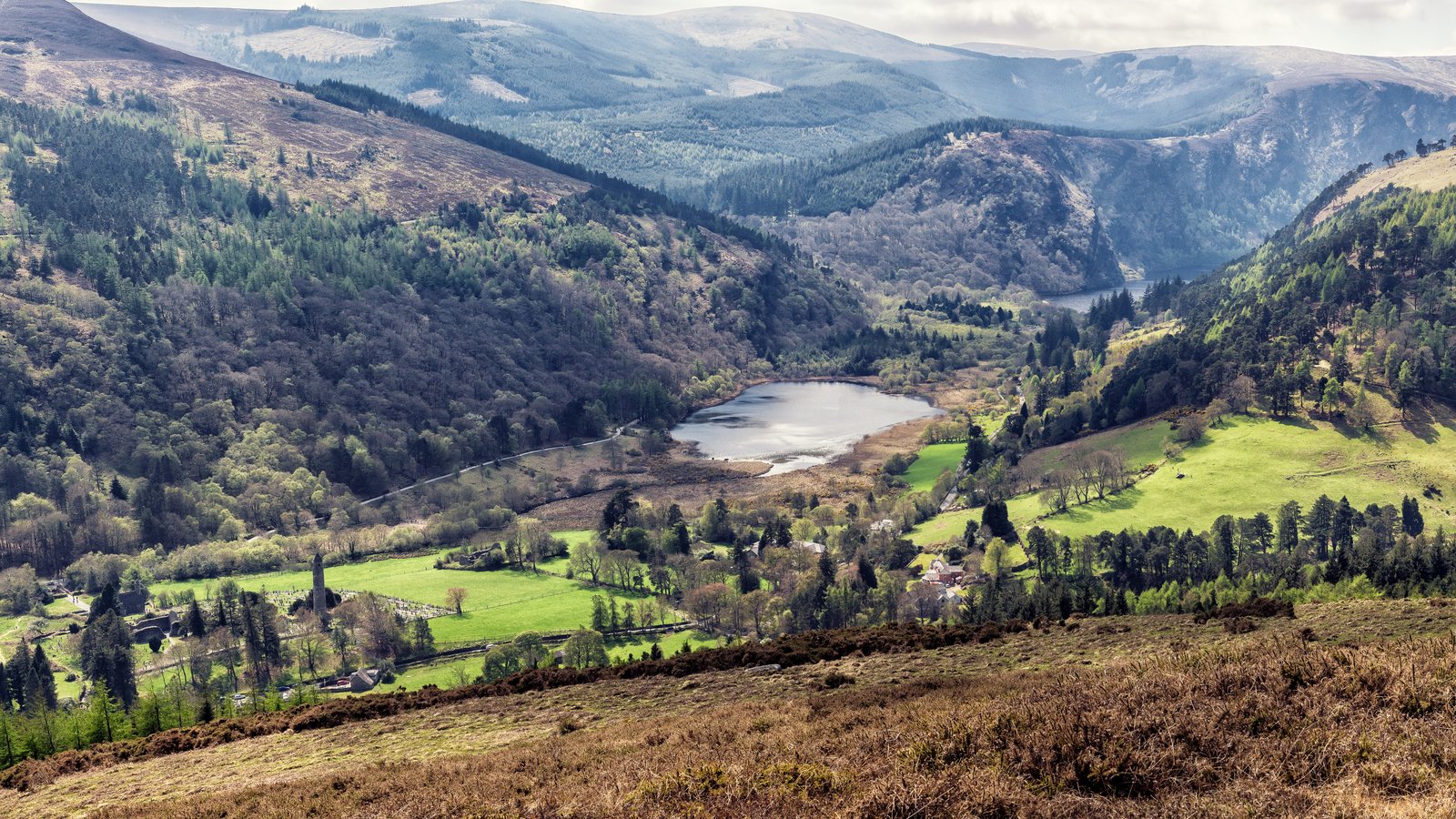
On day two, drive south into the Wicklow Mountains before you commit to the long haul. It’s under an hour from the city, and the Glendalough valley, with its old monastic ruins and two lakes, is the easy highlight. It’s a good way to shake off Dublin and remember you came here for the landscape.
From Wicklow you’re well positioned to cut across to Kilkenny for the night rather than backtracking into the city.
Day 3: Kilkenny and the Rock of Cashel
Kilkenny is about 2.5 hours from Dublin and worth a full stop, not a drive-through. We stayed at Tree Grove Campsite just outside town and walked the Canal Walk in along the river, which drops you at Kilkenny Castle. It’s one of the more impressive castles in Ireland, and the grounds are free to walk even without a ticket.
The town is small enough to cover on foot. We ducked through the Butter Slip, a narrow medieval alleyway, and ended the night at The Pumphouse for a Guinness and live music. There’s a set of ancient Irish elk antlers on display inside the castle, wider than I am tall.
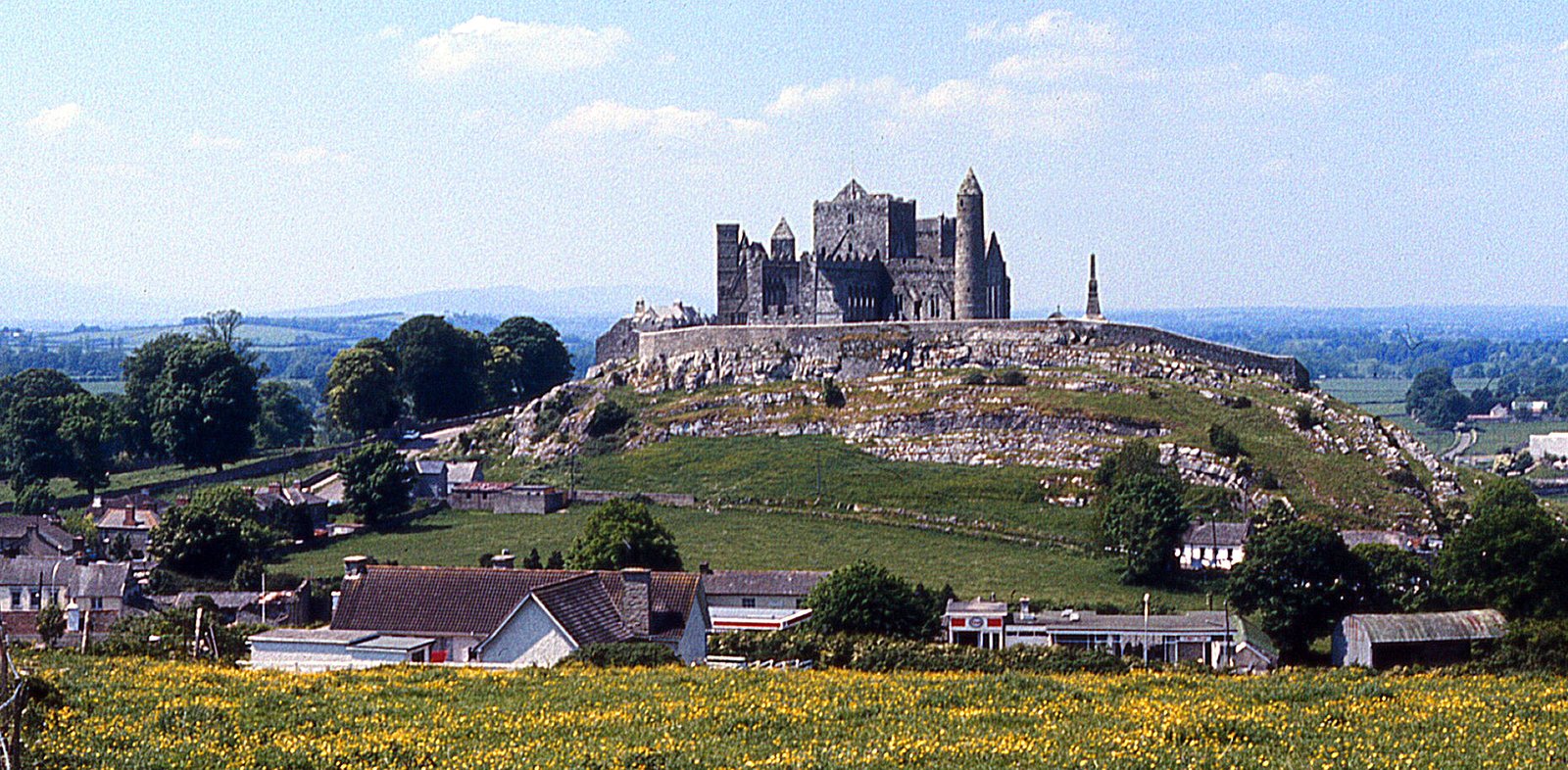
From Kilkenny it’s a short hop to the Rock of Cashel, a cluster of medieval buildings on a limestone outcrop that you can see from the road long before you reach it. It’s an easy add on the way south toward Cork.
Days 4-5: Cork, Cobh and the Ring of Kerry
Base yourself near Cork for these two nights and use them to hit the coast. Cork itself is Ireland’s second city, and we barely saw it. An Atlantic storm kept us pinned down, so we only managed a quick stop at Le Bon Crubeen before pushing on. It deserves a full day, and skipping it is the one thing I’d do differently.
Cobh is the stop I’d fight for. We parked the van right on the water at Five Foot Way for €10 a day, and it’s a 25-minute train from Cork city if you’re not driving in. The storm hit us here too, and we sat in the van for hours watching sailboats rock in the harbor before the clouds finally parted at four in the afternoon.
When it cleared, we walked up to Spy Hill for the view of the Deck of Cards houses stacked under St. Colman’s Cathedral. Then we dropped down the steep streets to Kelly’s Bar for a pint. Cobh was the last port of call for the Titanic, and that history is all over the town.
Then give day five to the Ring of Kerry. Drive it clockwise from Killarney and stop in Kenmare, a colorful little town, for a break at O’Connor’s pub.
We drove ours under low cloud and a named storm on the way, so the big viewpoints weren’t at their best. In good weather the coastal road is the best part of this whole loop, so if you get sun, stop at every pull-out. If you’d rather not tackle the narrow bends yourself after a long drive down, you can book a guided Ring of Kerry tour on GetYourGuide out of Killarney and let someone else do the driving.
Planning Your Time in Dublin
- Dublin Travel Guide: Where to Stay, Eat and Explore
- 22 Best Things To Do in Dublin
- 7 Best Day Trips From Dublin, Ireland
The 7-Day Wild Atlantic Way Route
Seven days is where Ireland opens up. You get the west coast, the Wild Atlantic Way, and enough time on the peninsulas that you’re not just ticking them off through the windshield. This is the route I’d point most first-timers at.
Days 1-2: Dublin to the West Coast
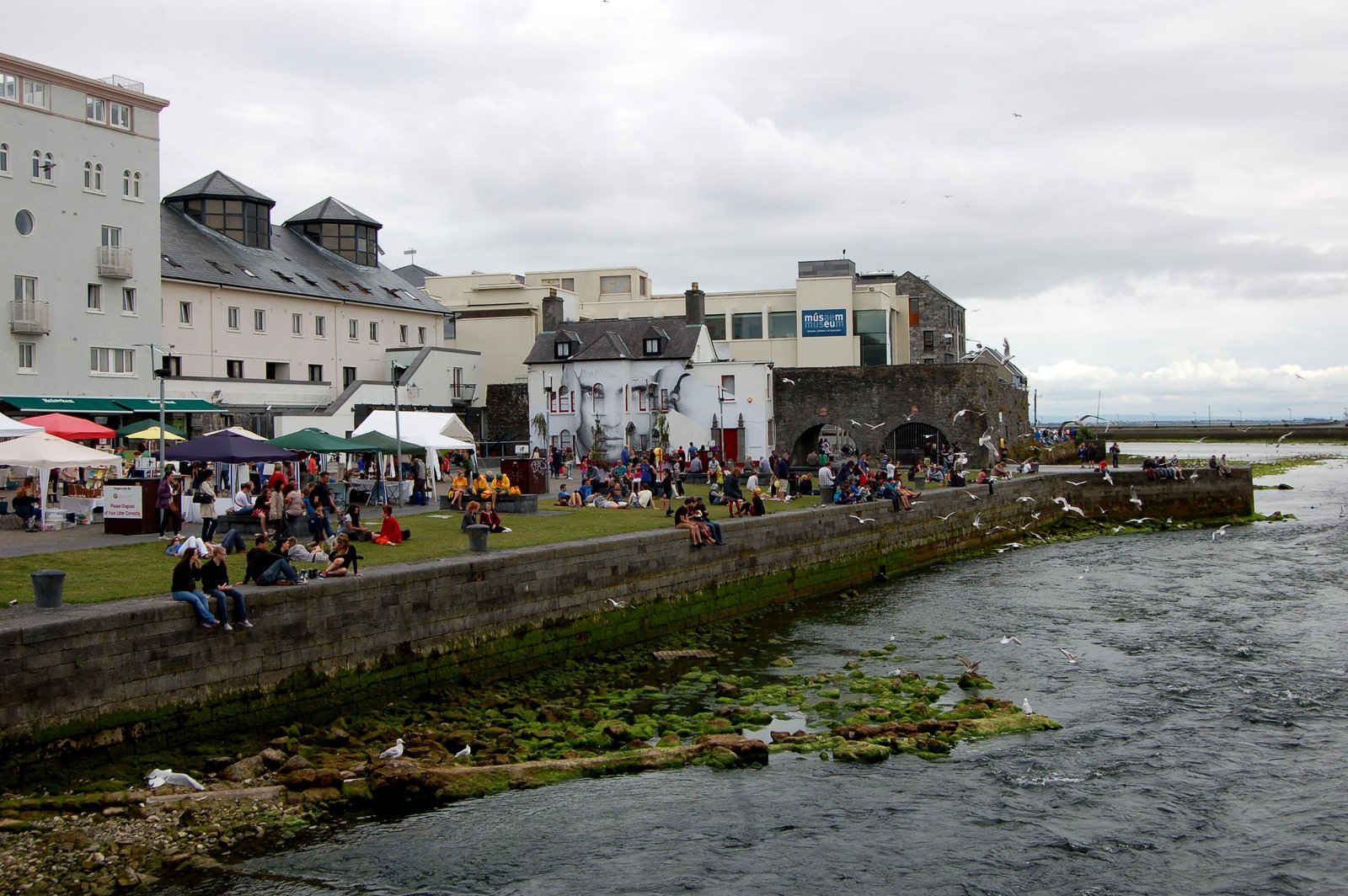
Give Dublin your first night, then drive west to Galway the next day. It’s about two and a half hours on the motorway, so you can have a slow morning and still be on the coast for dinner.
Galway is where the trip really starts. We stepped off the taxi and could already hear music coming out of Monroe’s Tavern on Dominick Street. We walked in to find twenty people mid-session, and that was our first ten minutes in the city.
Eat cheap and on your feet here. We grabbed chips from Prátaí on Shop Street and had them walking through the Latin Quarter. If you want a proper sit-down meal, book Kai or Oscar’s ahead, because we couldn’t get into either.
Day 3: The Cliffs of Moher and the Burren
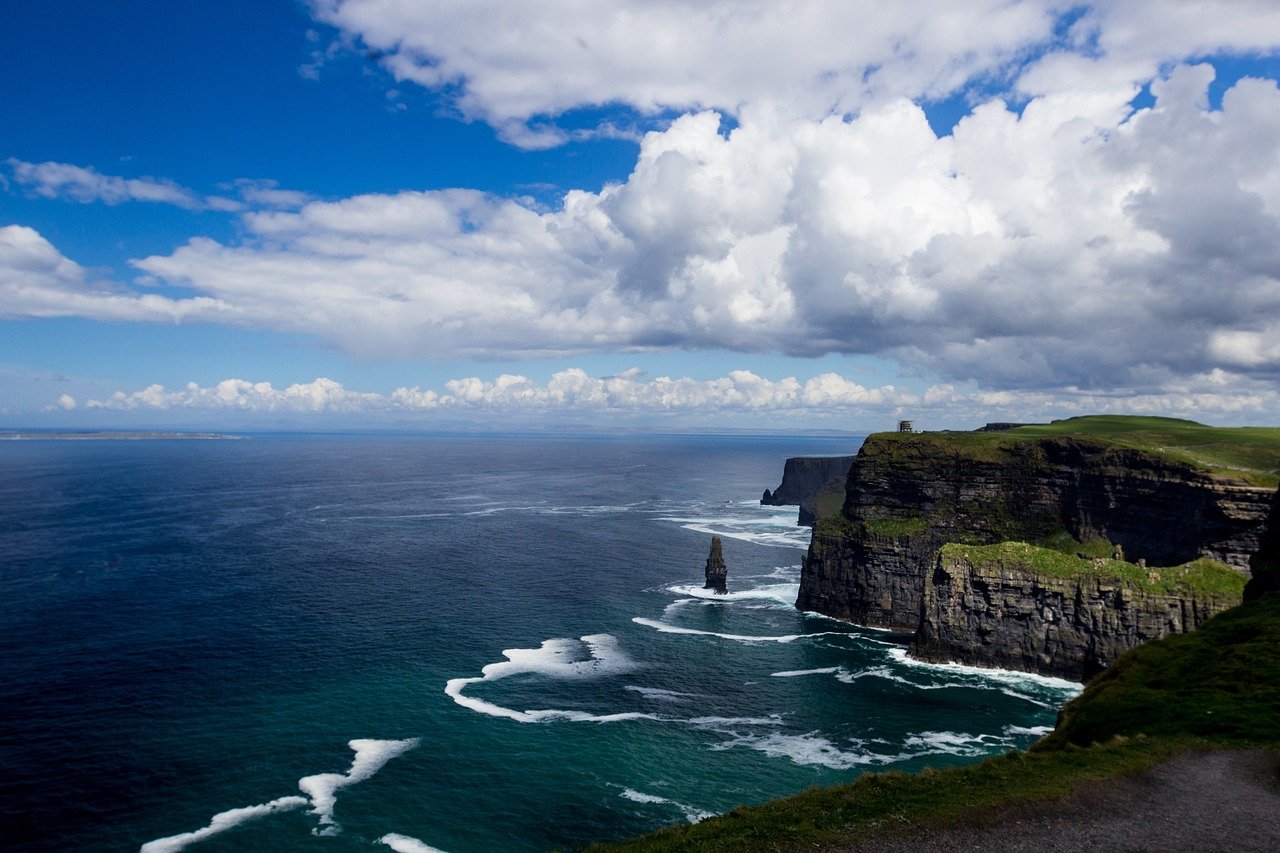
From Galway drop south into County Clare. Skip the main Cliffs of Moher visitor center if you can and walk the cliff path from Doolin instead. It’s a narrow trail right on the edge, about two hours there and back, with a sheer drop to the ocean on one side and cows grazing in the field on the other.
We did ours under heavy cloud, so it wasn’t the day for photos, but the scale of the thing in person is still something to see. Dress in layers and expect wind even when it looks calm. For a different angle you can take the Doolin boat tour along the base of the cliffs on GetYourGuide, which leaves from the pier at the end of the walk and shows you the full height from the water.
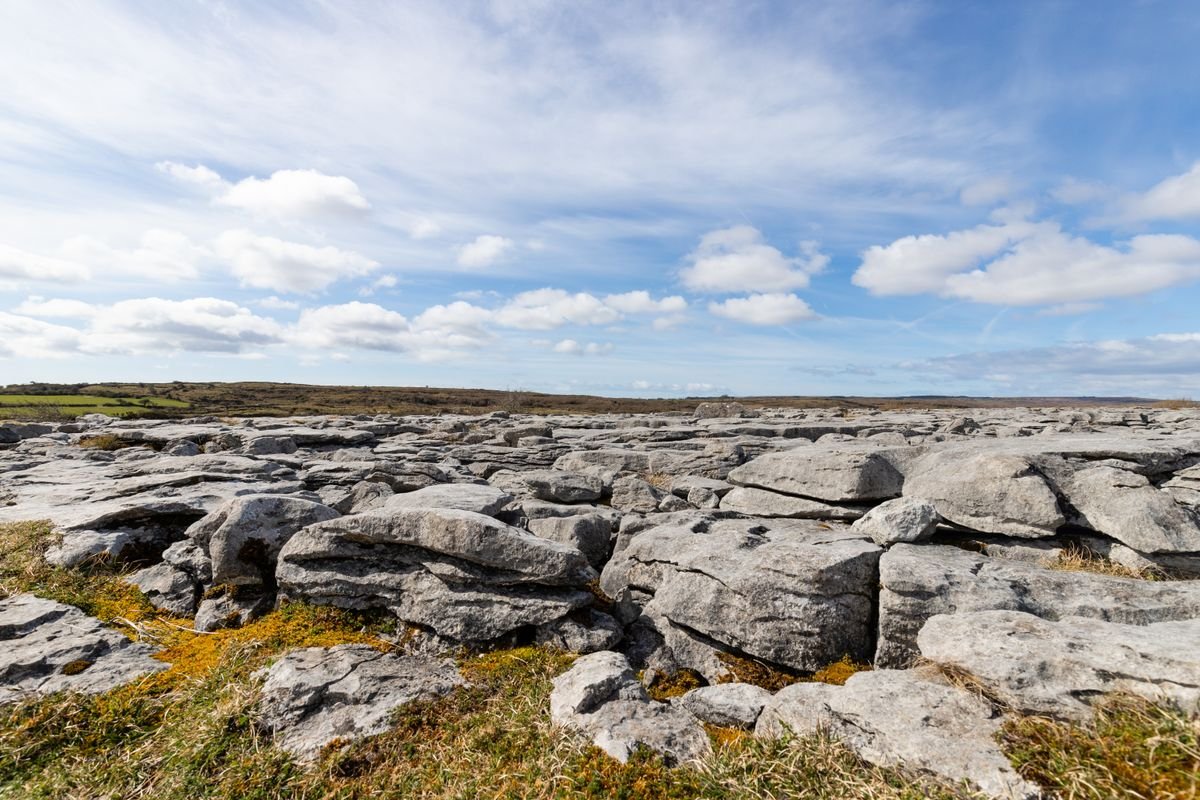
The drive there runs through the Burren, a stretch of bare gray limestone that looks like nothing else in the country. If you have an extra hour, Loop Head to the south is wilder and less crowded than the Cliffs, and our photos there came out better.
Days 4-5: Dingle and the Ring of Kerry
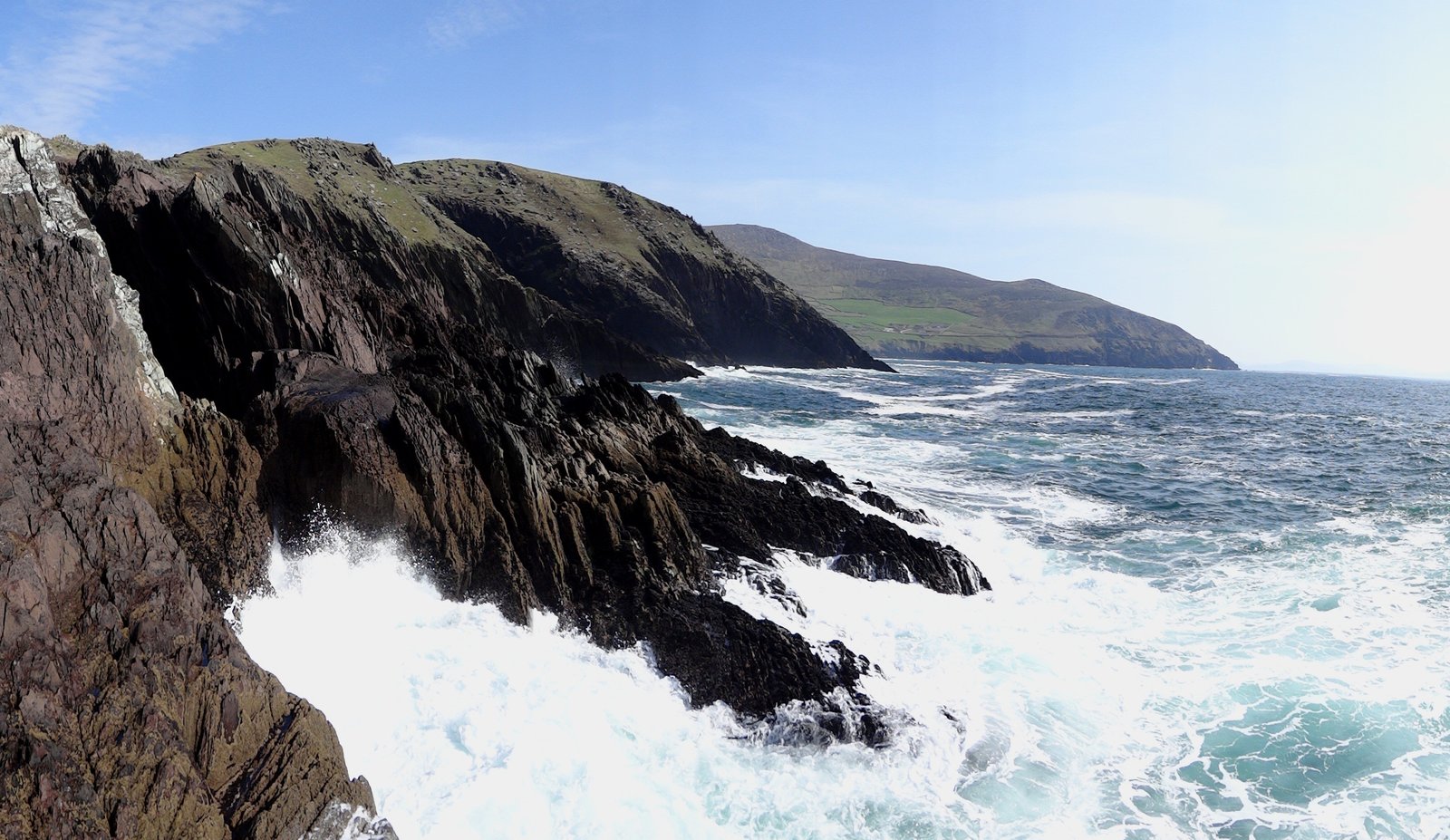
Push down into Kerry next. We broke the drive to Dingle with a stop in Adare for shepherd’s pie and a pint, which is a good halfway reset.
Learn from my mistake in Dingle. We arrived in pouring rain and only saw the town at night, and that’s my biggest regret of the whole trip. We went straight to Foxy John’s, a working hardware shop with a bar at the back and a trad session going, which is one of the best pubs in Ireland however you find it.
Do Dingle better than we did. Give it a full day and drive the Slea Head loop in daylight for the beehive huts and the beaches. Then base a night near Killarney and give day five to the Ring of Kerry, driving it clockwise so you’re not fighting the tour buses.
Days 6-7: Cork, Cobh and Back to Dublin
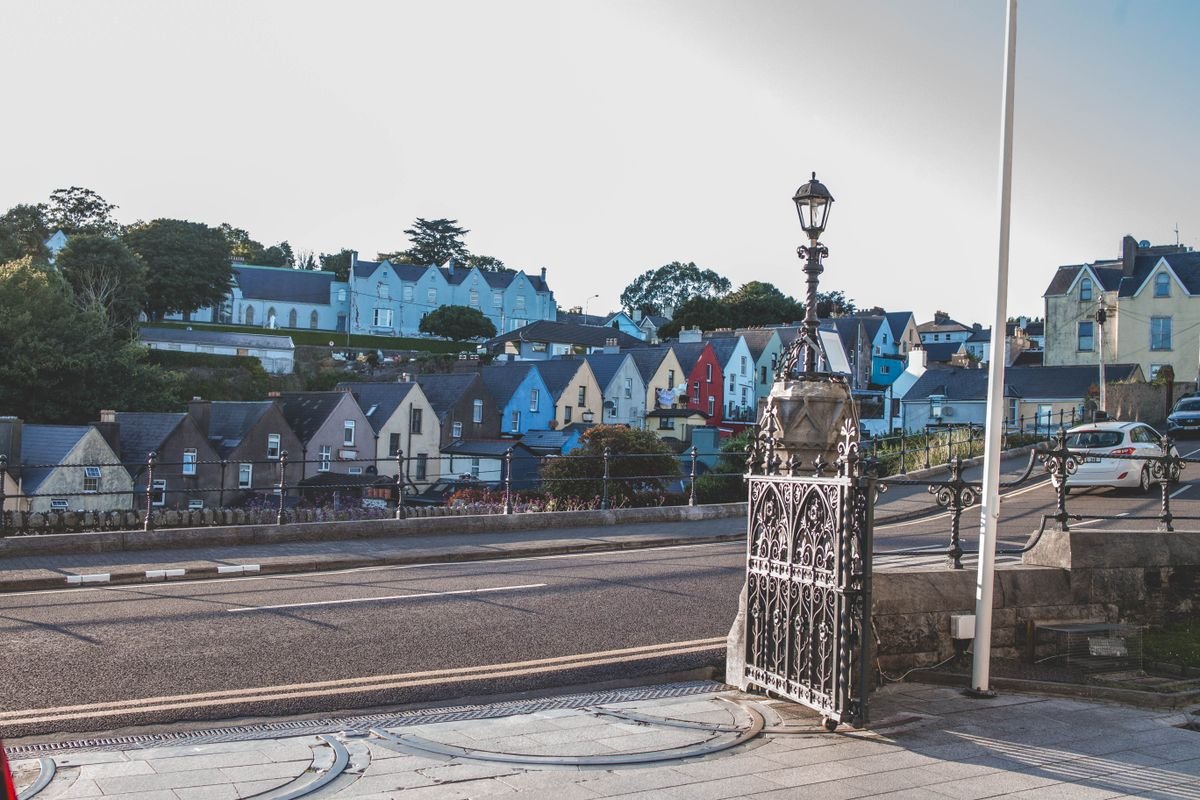
Swing east toward Cork for your last two days. Cork is Ireland’s second city and the English Market and the pub scene are the draw, so give it a proper afternoon.
Then use Cobh out on the harbor as your final coastal stop before the run back. We wandered the steep streets above the water, past Ryan’s Bar and up toward the cathedral, and it’s an easy last night before you point the car at Dublin.
Day seven is the drive back to the airport. It’s roughly three hours on the motorway from Cork, so time your flight for the afternoon and you won’t be rushing.
The 10-Day Full Island Loop
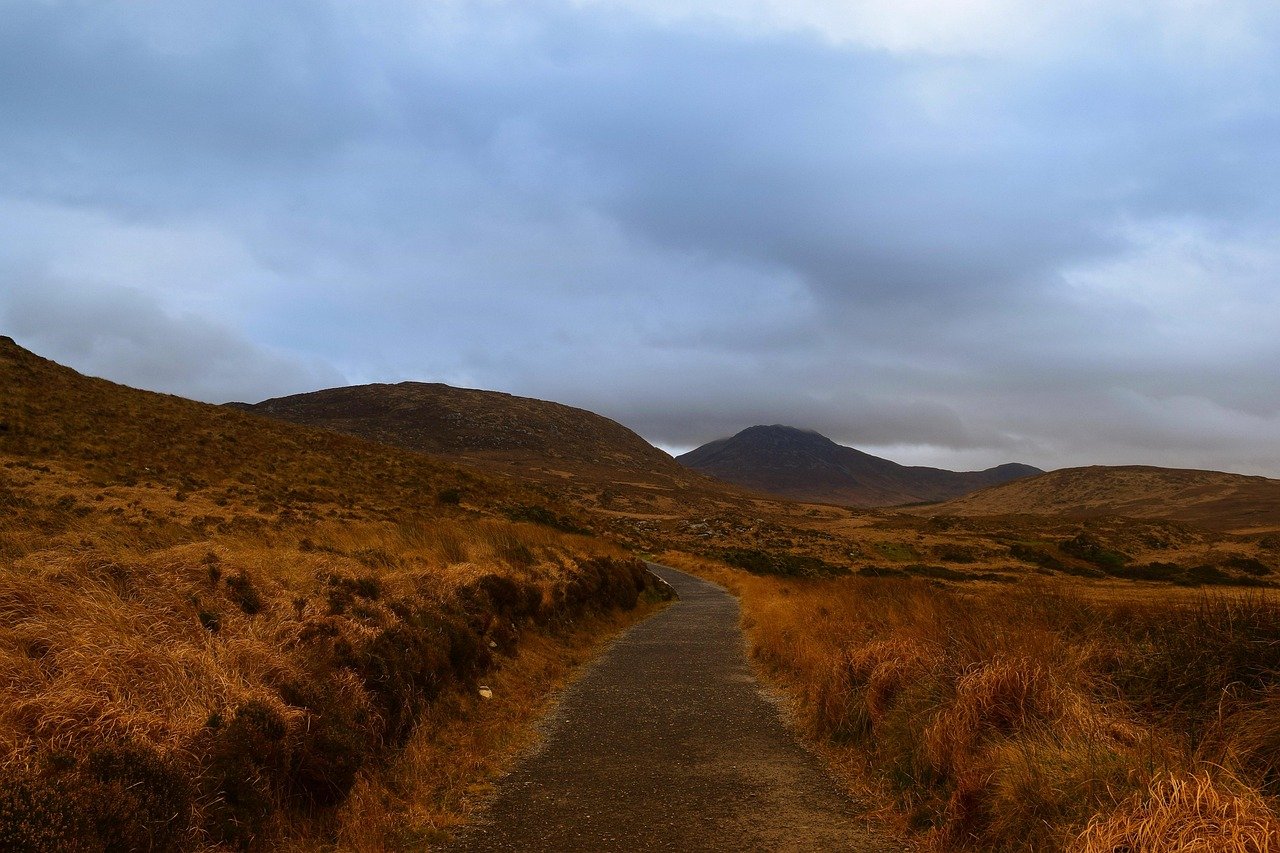
Ten days is enough to loop most of the island without living in the car. You get the southeast, the southwest peninsulas, the west coast, and a run back through the northwest that most short trips never touch. This is the version I’d do if I had the time again.
Days 1-3: Dublin, Wicklow and the Southeast
With ten days you can actually slow down in Dublin instead of treating it as a place to sleep off the flight. Walk the Trinity College grounds, which are free and quieter than you’d expect, and do the full Jameson Distillery tour on Bow Street. The tasting flight at the glass-ceiling bar is worth the ticket on its own.
On day two, drop south into Wicklow for the mountains and the old monastic valley, then carry on into the southeast.
Day three is for the medieval towns down this side of the country, Kilkenny chief among them, before you swing west toward Cork. It’s an easy stretch of driving and a soft start before the coast gets serious.
Days 4-6: Cork, Kerry and the Southwest
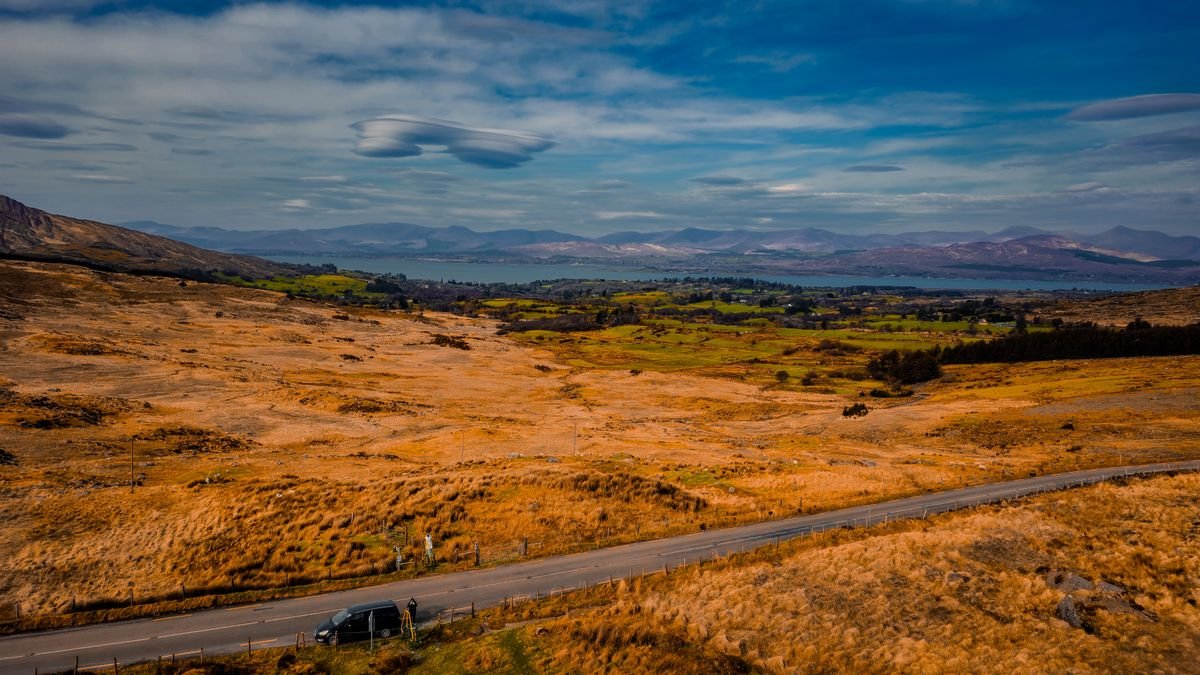
Give the southwest three full days, because this is where the peninsulas eat your time in the best way. Base near Cork for a night and give the city the afternoon we never got, then work west through Kenmare and out onto the Ring of Kerry.
Spend a night down in Dingle and drive the Slea Head loop in daylight, which is the one thing I’d fix from our run. With three days here you’re not choosing between the peninsulas, you’re doing both properly.
Days 7-8: Galway and Connemara
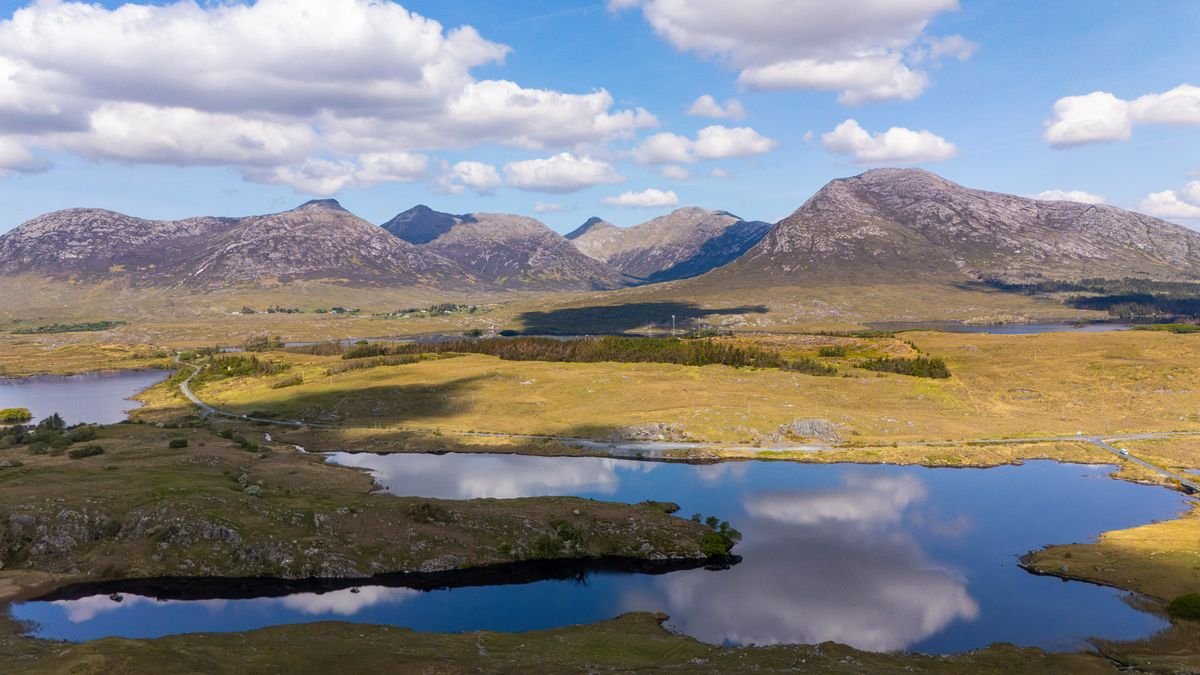
Come up the coast into Galway for a night of music, then give the whole of day eight to Connemara. This was the highlight of our last trip, and it’s the part I’d tell you not to rush.
Stop in Clifden for lunch and get the chowder at Guy’s Seafood Bar, which was the best bowl we ate anywhere in Ireland. Then push on to Kylemore Abbey, where the house reflects off the lake, and walk the Victorian walled garden out the back.
We camped that night at Clifden Eco Beach, with the van parked facing the Atlantic. I swam in the ocean in late September, colder than it looks but clear and blue, and we lit a bonfire and cooked dinner watching the sun go down. If you’re in a car, book a Clifden B&B and do the same beach at sunset.
Days 9-10: Sligo and the Return to Dublin
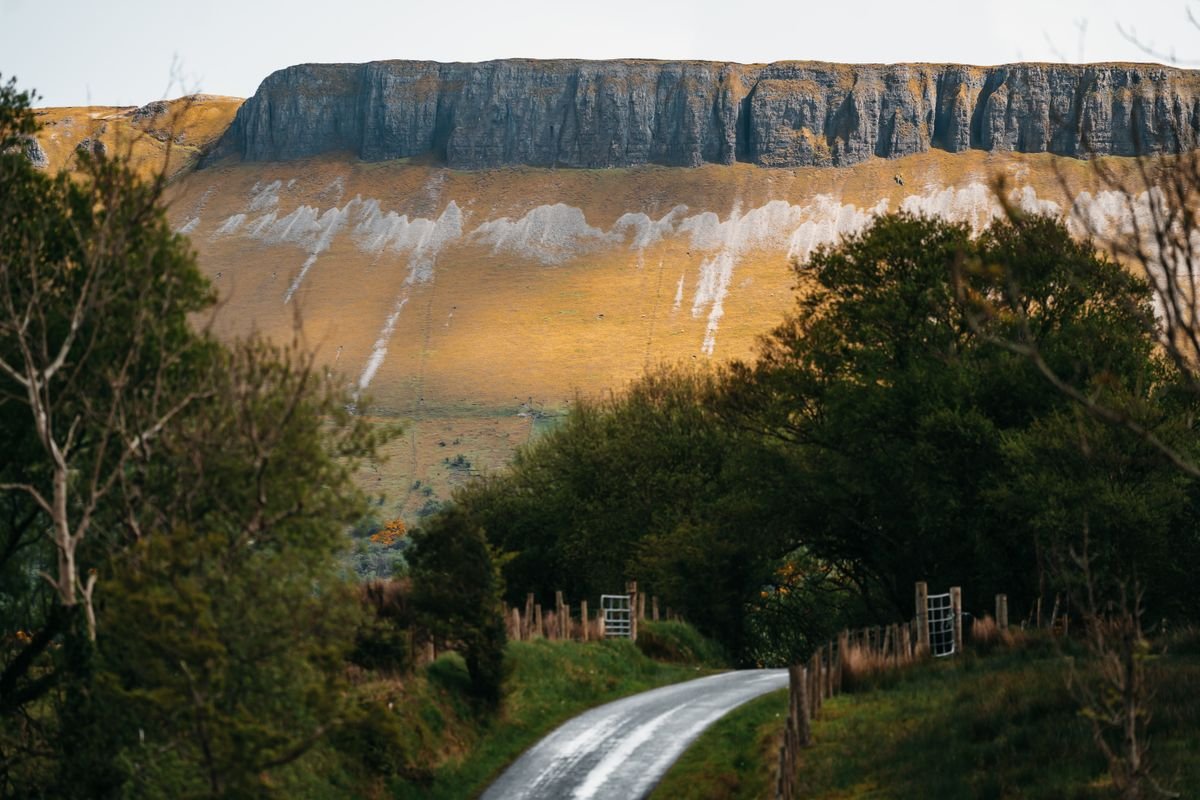
Head north into Sligo for day nine. This is Yeats country, with the flat-topped Benbulben mountain over the coast and good surf beaches around Strandhill, and it sees a fraction of the crowds the southwest does.
Day ten is the run back to Dublin Airport, roughly three hours across the middle of the country on fast roads. Book an afternoon flight, take your time over breakfast, and you’ll close the loop without a scramble.
Adding Northern Ireland and the Causeway Coast
Our last trip ran south out of Dublin, so we didn’t make it up to the north. If you’ve got a couple of extra days on the ten-day loop, this is where I’d spend them, because the Causeway Coast is a different kind of scenery from the west and it’s an easy add on the way back to Dublin.
The shape that works is simple. Come up the west coast as far as Sligo or Donegal, then cut east across the top of the island toward Belfast instead of turning straight for Dublin. You cross into Northern Ireland with no border stop, just a switch from euros to pounds and from kilometers to miles on the signs.
Belfast as your base
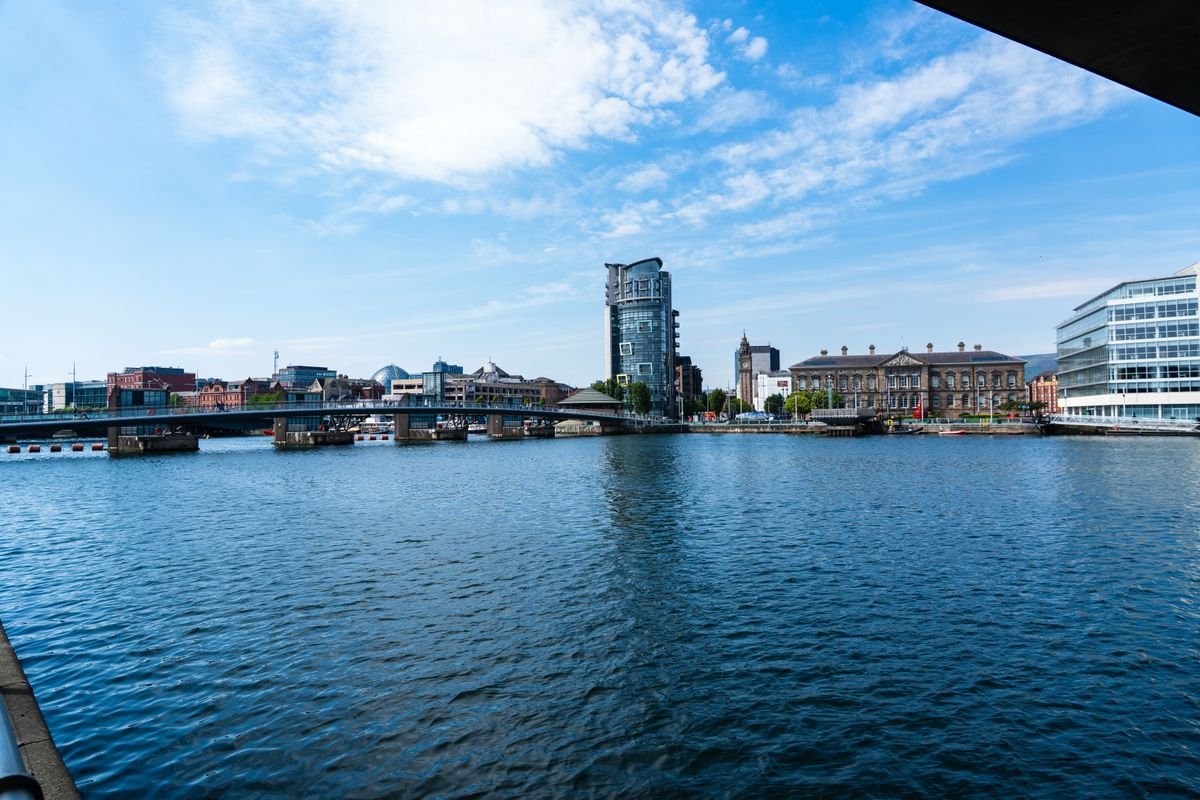
Belfast is the natural place to sleep up here, about two hours from Dublin on the motorway. Give it an afternoon and an evening. The Titanic Belfast museum sits on the slipway where the ship was actually built, and a black cab tour of the murals is the honest way to understand the city’s recent history.
Leave the car on the edge of the center and walk in, same as you would in Galway or Cork. City-center parking with a rental is the usual hassle.
The Causeway Coast day
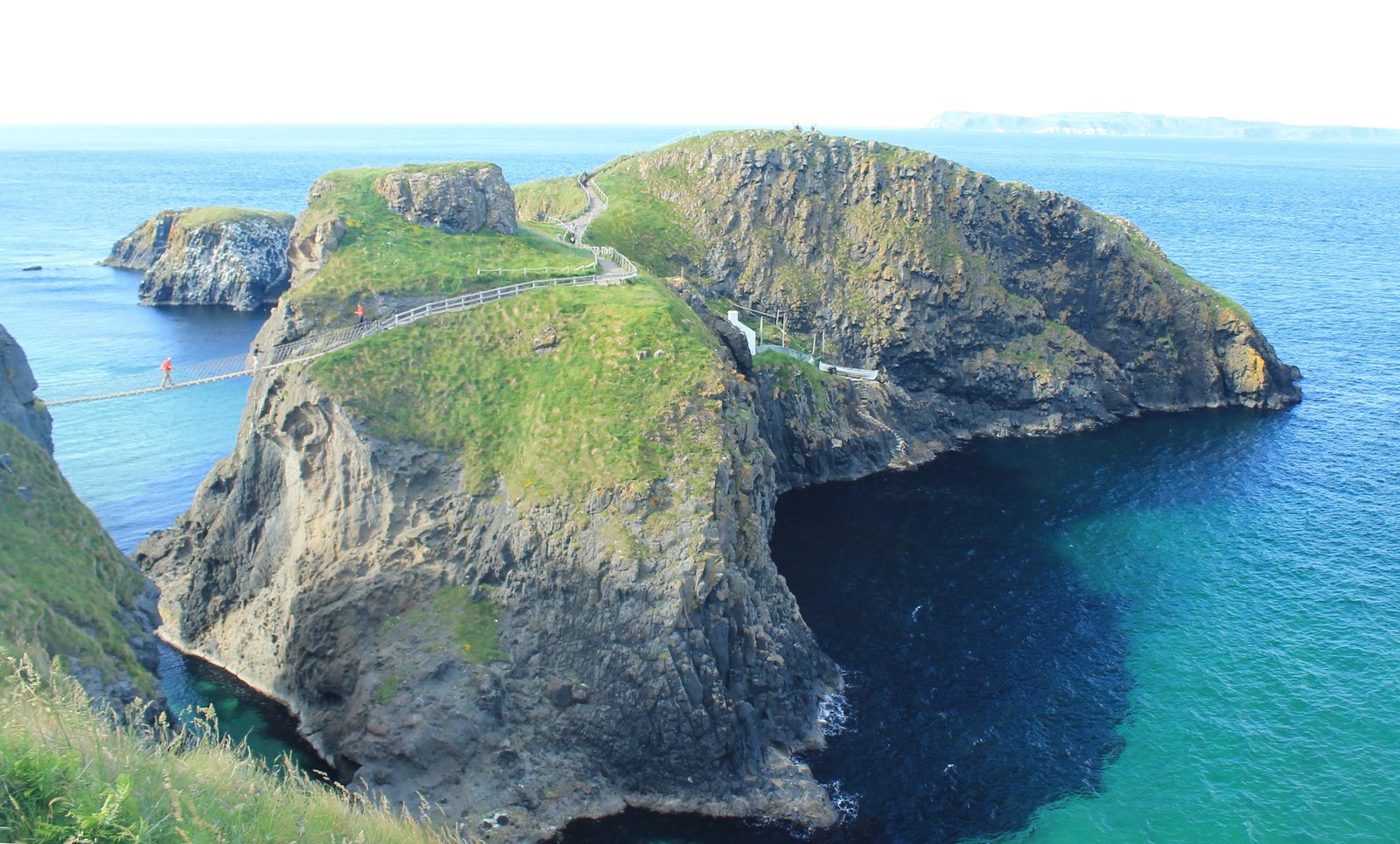
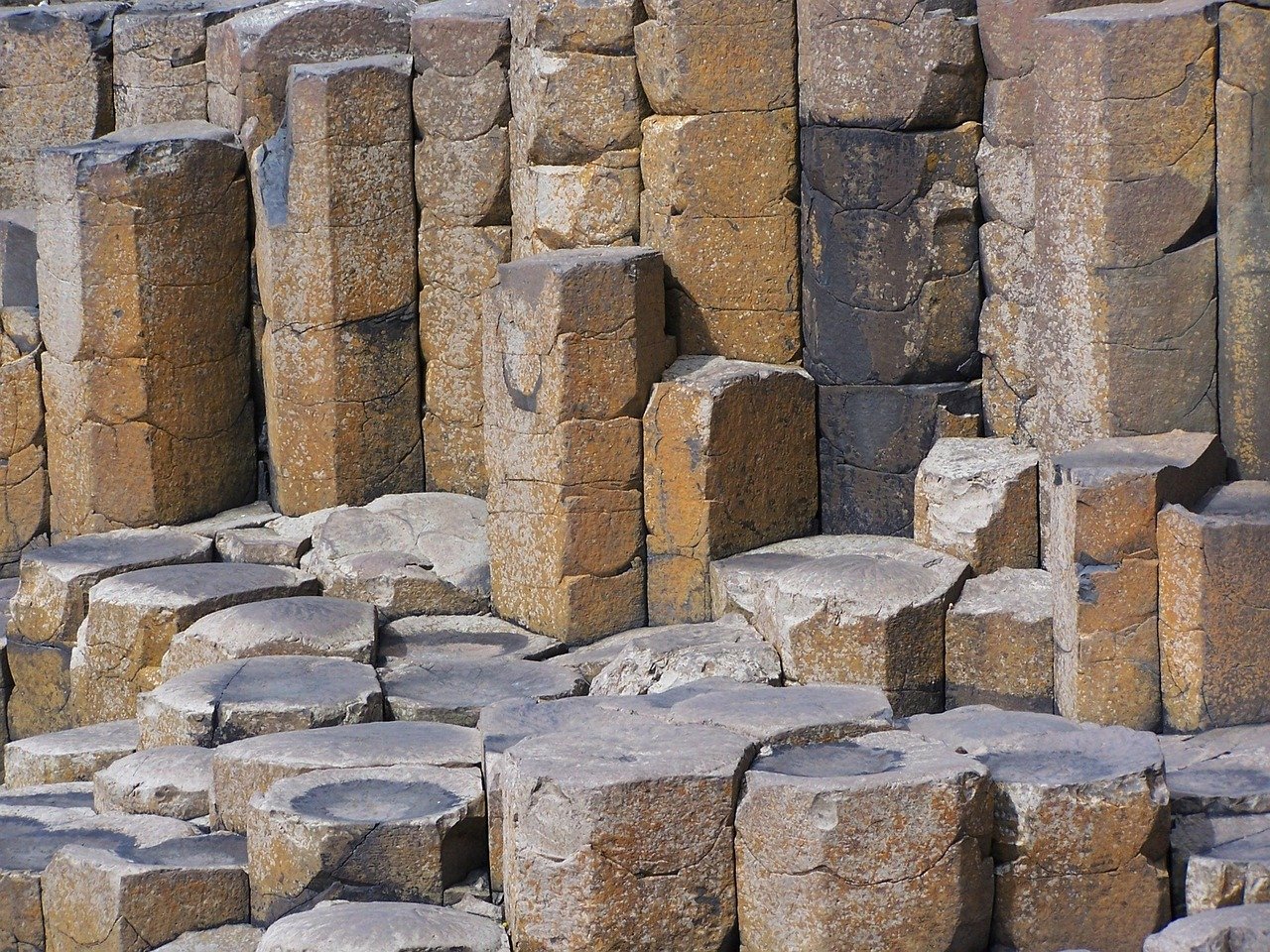
Give the coast itself a full day out of Belfast. The Giant’s Causeway is the headline, forty thousand interlocking basalt columns running down into the sea, and it’s about an hour and a half up the A26. Get there early, as it’s the busiest single sight in the north.
String the rest of the coast road together on the same drive. The Carrick-a-Rede rope bridge, the Dark Hedges from Game of Thrones, and the Bushmills distillery are all within a short hop of the Causeway. Book the rope bridge slot ahead, because it sells out. If you’d rather hit all of it in one go without the driving, you can book a Giant’s Causeway and Game of Thrones day tour from Belfast on GetYourGuide, which strings the Causeway, the Dark Hedges and the coast road into a single day.
From the coast it’s a straight run back to Dublin Airport, roughly two and a half hours. That makes the north a clean two-day cap on the ten-day loop rather than a detour that costs you the west.
More Northern Ireland & Causeway Coast Guides
- Giant’s Causeway From Belfast: All Day Trip Options
- The Best Beaches in Northern Ireland
- 5 Best Day Trips From Belfast, Ireland
Where to Stay on Each Route
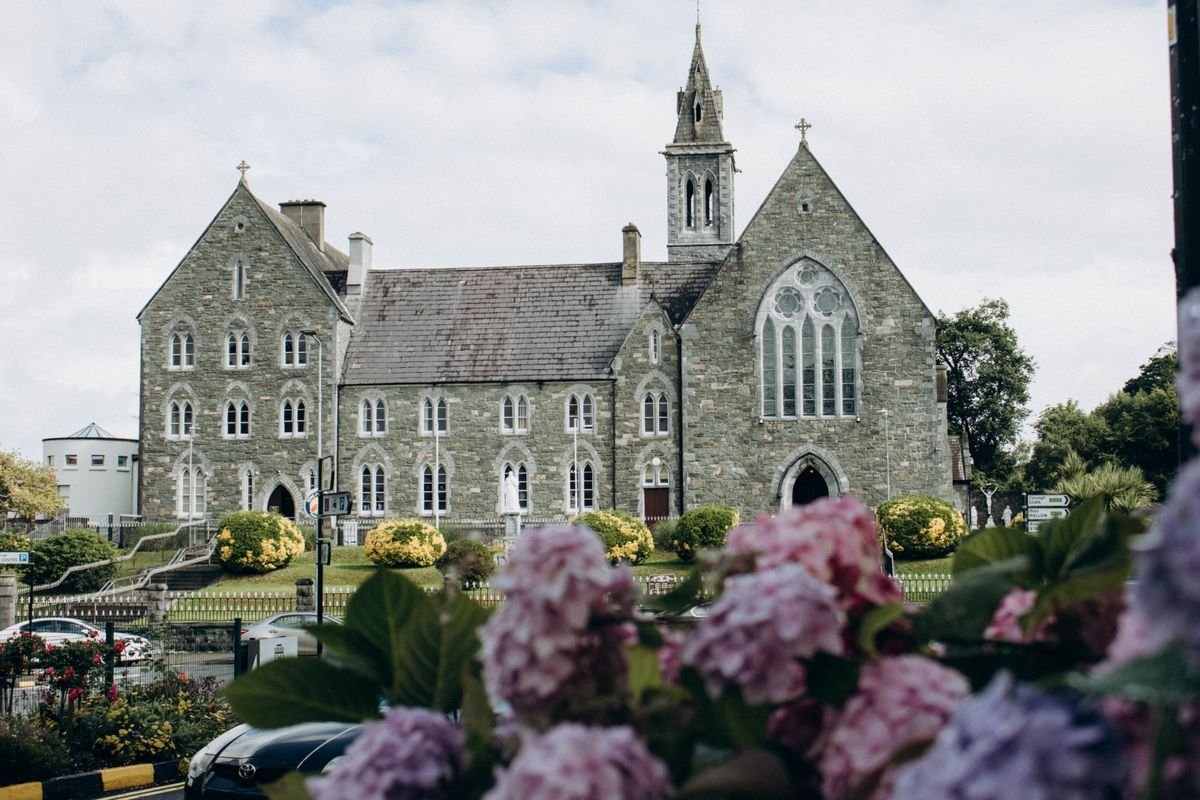
The simple rule on all three routes is to sleep near wherever the day’s driving leaves you, not to backtrack for a better hotel. You’re moving most days, so pick a bed by the next morning’s drive, not by the town’s name.
We slept in the van the whole way, so most of my picks below are campsites. In a rental car you’d swap each one for a B&B or hotel in the same town, and the logic holds either way.
Dublin and the towns
In Dublin, stay central for the first night so you can walk to dinner and a pub and not deal with a car. We dropped our bags at Fitzsimons in Temple Bar, which is loud and touristy but fine for one night on either end of the trip.
For the smaller towns, book something you can walk in from. Our Kilkenny site sat a half-hour along the river from the castle, which turned the walk in into part of the evening rather than a chore.
Where to Stay in Dublin
Where to Stay in Kilkenny
The west coast
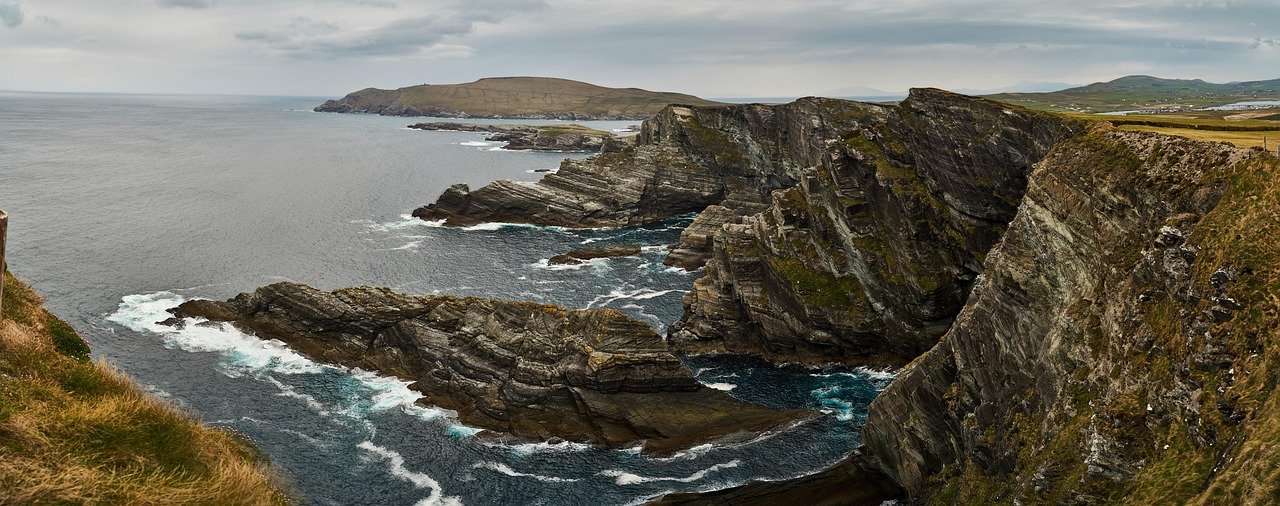
Around Galway, don’t try to sleep in the center. We based ourselves out at Salthill and taxied in, which sorted the parking and put us a short walk from the bay. In a car I’d do the same, a B&B in Salthill over a city-center hotel with nowhere to park. You can book a room at Sea Breeze Lodge in Salthill on Booking.com and have both the parking and the bay sorted in one go.
Connemara is the one place I’d stay for the setting, not the convenience. Book a Clifden B&B and get out to the coast at sunset, or camp on the beach the way we did if you’re in a van.
Where to Stay in Galway
Where to Stay in Clifden
Kerry and the south
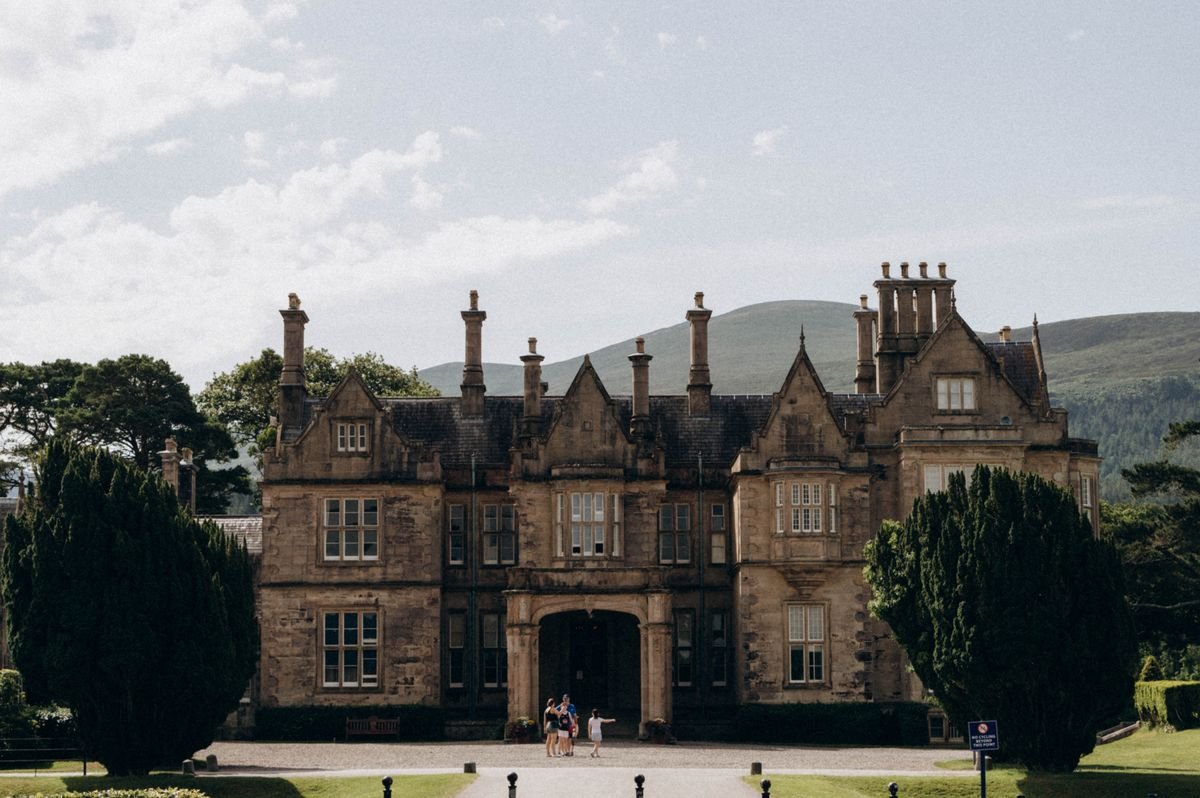
Killarney is the sensible base for both the Ring of Kerry and the Dingle run, with the most beds and restaurants in one spot. In a rental car you’d want a hotel in town rather than a campsite outside it, and you can check availability at The Killarney Park on Booking.com if you want to be walking distance from the restaurants. For Dingle itself, stay in or right next to the town so you can walk to the pubs, because you’ll want to be on foot for a Foxy John’s night.
Down in Cobh, if you’re driving in for the day the train from Cork is easier than parking. We paid €10 to park on the water there, so that stretch of the harbor is the spot to aim for whichever way you arrive.
Where to Stay in Killarney
Where to Stay in Dingle
Best Time of Year to Drive These Routes
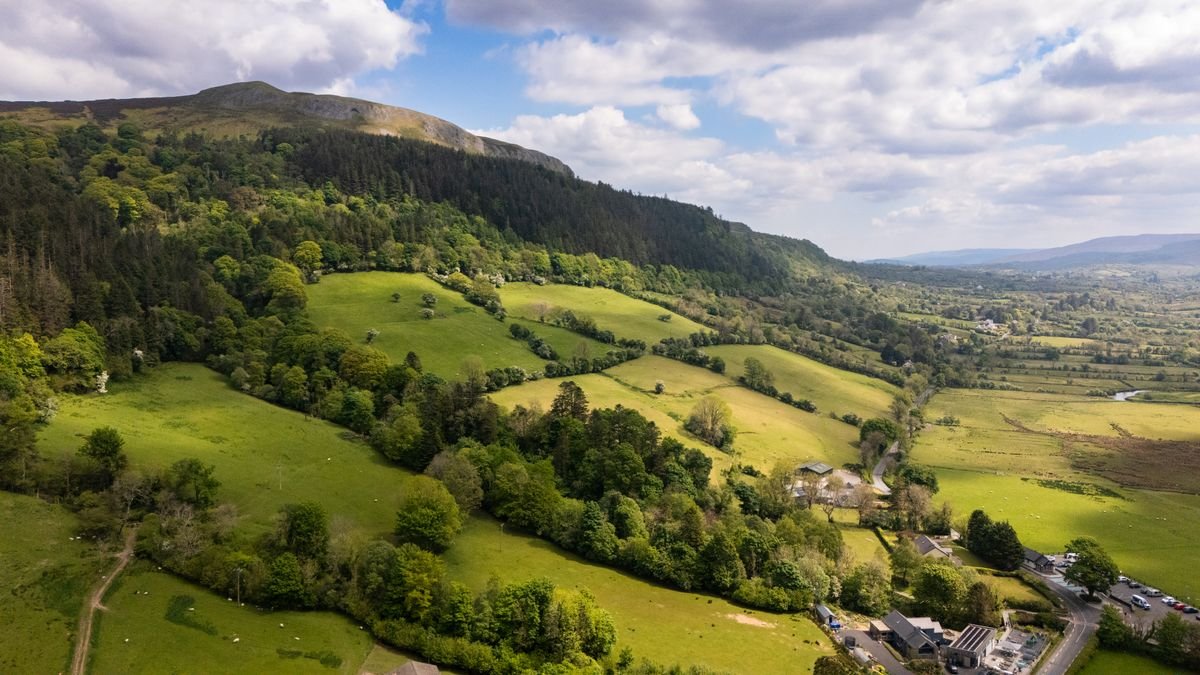
We drove the whole loop in shoulder season, late September into early October, and I’d point you at the same window if you can swing it. The crowds have thinned out, the peninsulas aren’t jammed with tour buses, and the prices haven’t dropped to winter levels because things are still open.
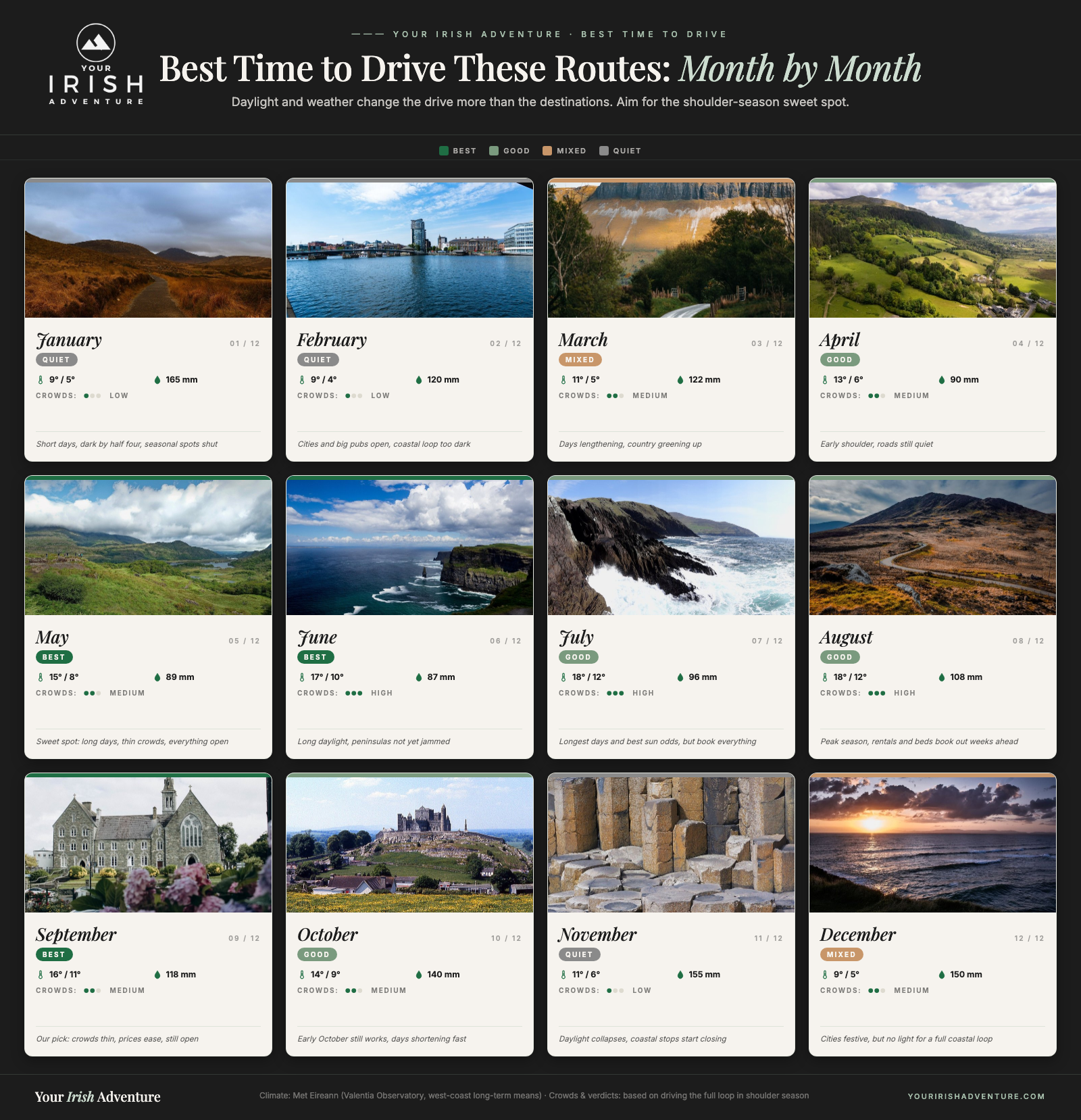
The season matters more than you’d think on these routes, because the time of year changes the drive more than it changes the destinations. Here’s how each one stacks up.
Shoulder season is the sweet spot
May, June, September and early October are the months I’d aim for. You still get long enough days to drive a full peninsula and eat dinner in daylight, and the small roads aren’t backed up with camper traffic.
On a weekday in late September we had the Doolin cliff path close to ourselves, which never happens at the main visitor center in July. That’s the real payoff of going off-peak, the good stuff is less crowded without anything being shut.
Summer buys you daylight, but book everything
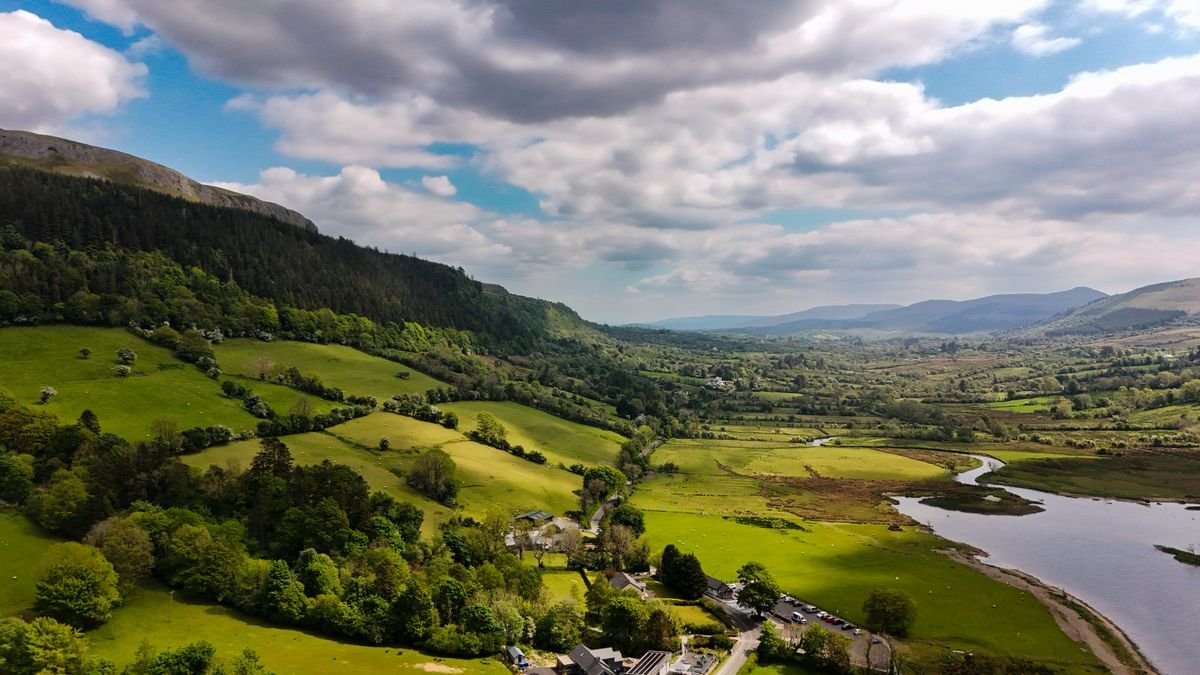
July and August give you the longest days, light until near ten at night, and the best odds of sun on the Ring of Kerry viewpoints. That’s a real advantage on a coast where the weather makes or breaks the drive.
The catch is everyone else is there too. Rental cars, B&Bs and the popular restaurants get booked out weeks ahead, so lock in the car and your Dingle and Killarney beds early or you’ll be scrambling.
Winter is short days and closed doors
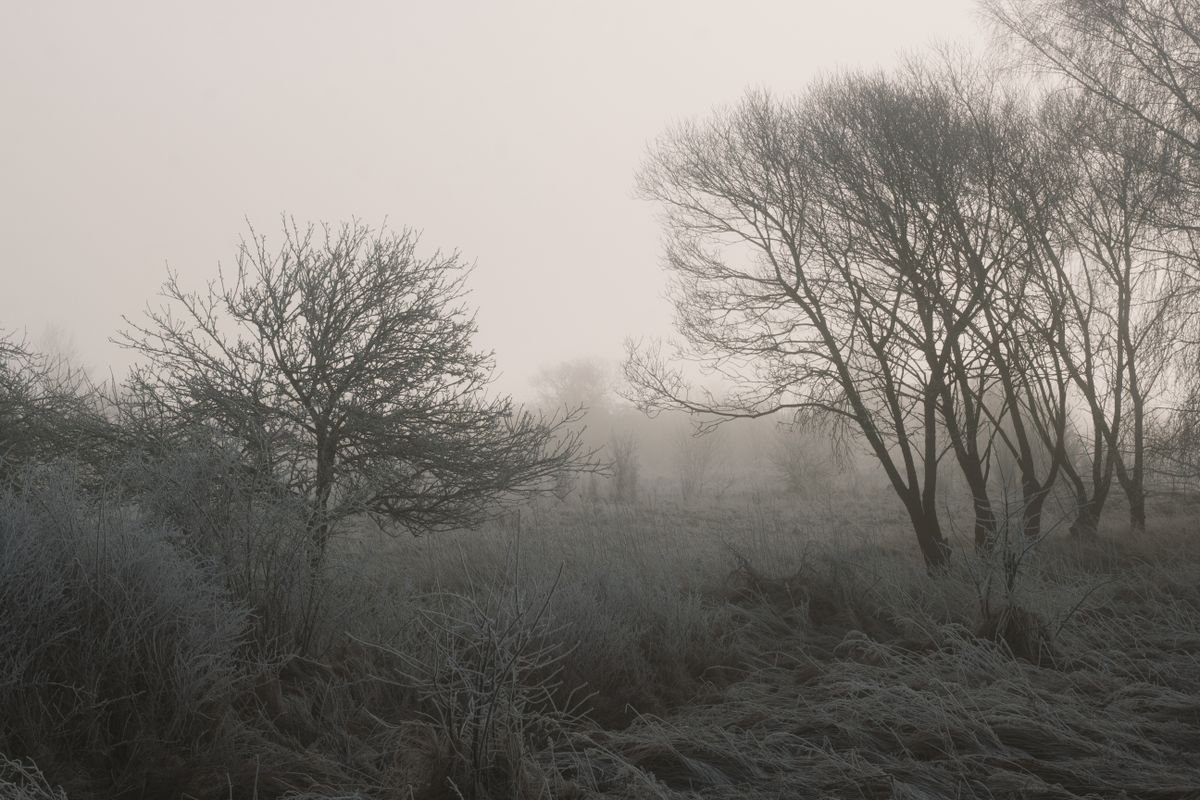
November through February, the daylight collapses to about seven or eight hours, and that wrecks these itineraries. You can’t drive Connemara and the Ring of Kerry in the same day when it’s dark by half four, so you’d be cutting stops.
Plenty of the smaller B&Bs, seasonal restaurants and visitor centers close over winter too. The cities and the big pubs stay open, so a Dublin, Kilkenny and Galway trip still works, but I wouldn’t build a full coastal loop around those months.
Pack for rain whenever you go
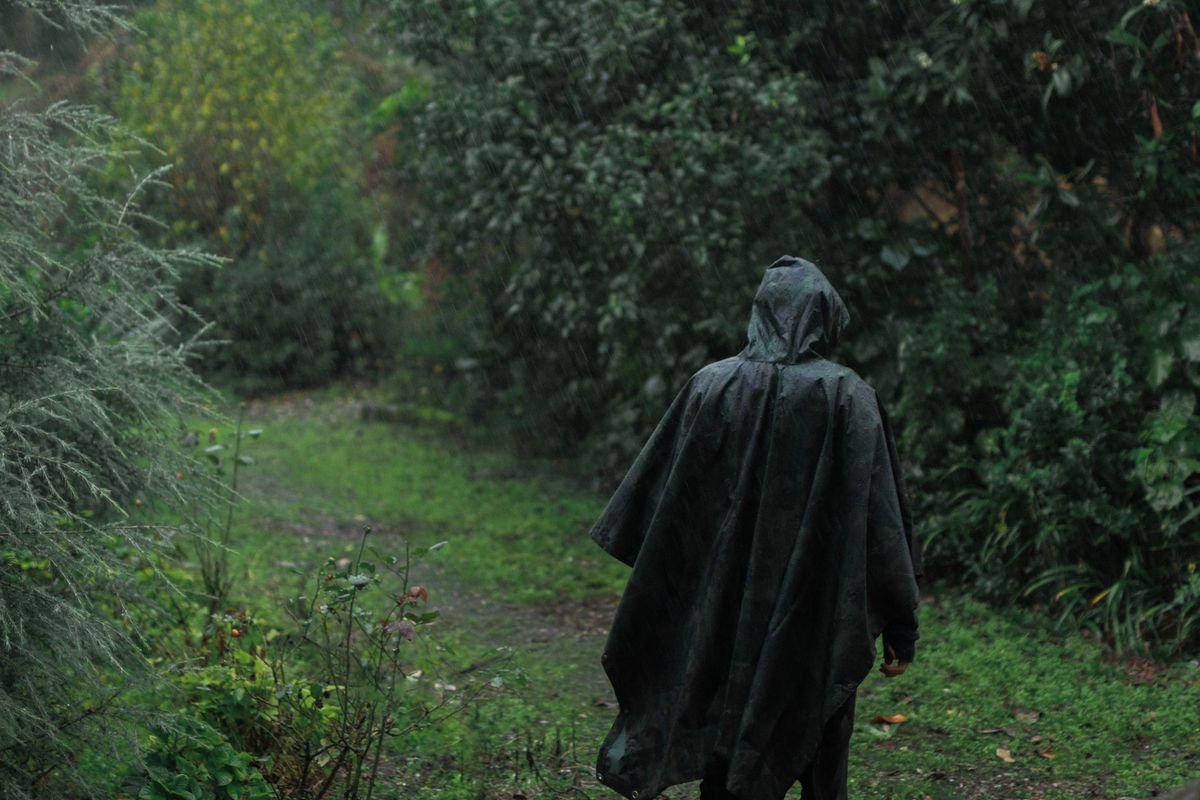
None of this is a promise on weather. Ireland can hand you rain in July and sun in October, and the west coast changes hour to hour, so don’t pin your trip on a forecast.
Bring a rain jacket and layers no matter the month, plan your indoor stops like the Jameson tour or a long pub lunch as rainy-day backups, and treat any dry spell on the coast as a reason to get outside right then.
In short
- Five days covers the southern loop through Cork, Kerry and Kilkenny
- Seven days reaches the Wild Atlantic Way, the Cliffs of Moher and Dingle
- Ten days loops the full island, adding Galway, Connemara and Sligo
- Collect a rental car at Dublin Airport terminal and book an automatic if unsure
- Drive the Ring of Kerry clockwise from Killarney and book cars early for July and August
Frequently Asked Questions
Is five days enough time for Ireland?
Five days is enough for one region done well, not the whole island. Stick to the southern loop out of Dublin, take in Cork, Kerry and a castle or two, and you’ll have a full trip without living in the car. If you try to reach Galway, Connemara and Kerry in five days, you’ll spend most of them driving. Save the west coast for a seven-day trip when you can give it the time it needs.
Do I need to rent a car, or can I use public transport?
Rent a car. The cities are linked by train and bus, but the coast, the peninsulas and the small towns these routes are built around are hard to reach without your own wheels. The best drives, like the N59 through Connemara and the Ring of Kerry, only work with a car. There are guided day tours from Dublin and Galway if you’d rather not drive at all, but you’ll be on someone else’s schedule.
Should I book an automatic or a manual car?
Book an automatic if you’ve never driven a manual. Most Irish rentals are stick shift, and changing gears with your left hand while driving on the left is a lot to learn on day one. Automatics cost more and there are fewer of them, so reserve early. If you drive a manual at home you’ll be fine, the gearbox is the same, it’s just on your left.
Can I do the Ring of Kerry and the Cliffs of Moher on the same trip?
Yes, on the seven-day route. They sit on the same west-coast run, with the Cliffs in County Clare and the Ring further south in Kerry, so you cover both as you work down the coast. Five days is too tight for both without rushing. If you only have five, pick Kerry, and swap the Cliffs for the Loop Head coast nearby, which is wilder and far less crowded.
Which way should I drive Ireland itineraries from Dublin Airport?
Head south and west first, then loop back. All three routes here run Dublin to Cork or Galway on the way out, and back across the middle of the country on fast roads at the end. Going out along the coast and back through the center means your longest, most scenic driving comes early, and the return leg to the airport is a straight motorway run you can time around your flight.
How far ahead should I book the car and hotels?
Book the car as soon as your dates are set, especially for July and August. Rentals sell out and prices climb fast in summer, and automatics go first. For beds, lock in Dingle and Killarney early since those fill up, and stay flexible elsewhere. In shoulder season you can book a night or two ahead as you go without much trouble.
Final Thoughts
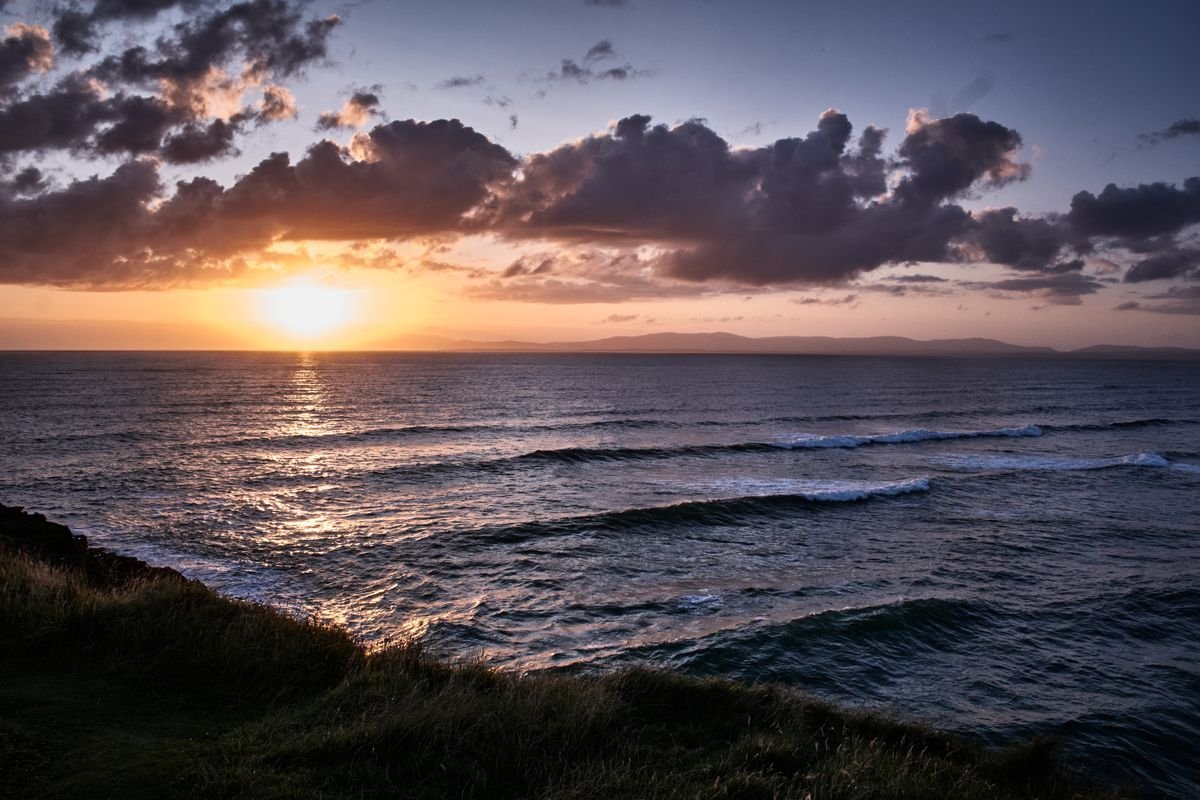
If you take one thing from all of this, make it the first point. All three Ireland itineraries from Dublin Airport work on the same rule: match the route to your days and don’t try to cram the whole island into a short trip. Five days for the south, seven for the Wild Atlantic Way, ten for the full loop.
We drove more than two weeks and still didn’t see it all, and the stops we rushed are the ones I regret. Dingle in the rain and Cork in a storm both got a fraction of the time they deserved. Build in a little slack so one bad-weather day doesn’t wreck a stop.
The best of Ireland isn’t in the big-name sights anyway. It’s the drive on the N59 into Connemara, a pint at Foxy John’s, and chowder at Guy’s in Clifden. Those came from slowing down, not from ticking boxes.
So pick your route, grab the car at the airport, and get on the road south or west. Whichever version you drive, you’ll come back wanting to do the one you didn’t.
Like it? Pin it!
Save this guide for later