We spent about two weeks driving Ireland on our last trip, and the towns we still talk about are almost all the small ones. The prettiest small towns in Ireland aren’t the big cities. They’re the harbor villages, the tweed towns, and one-street stops where you walk the whole place in an afternoon and end the night in a pub with locals.
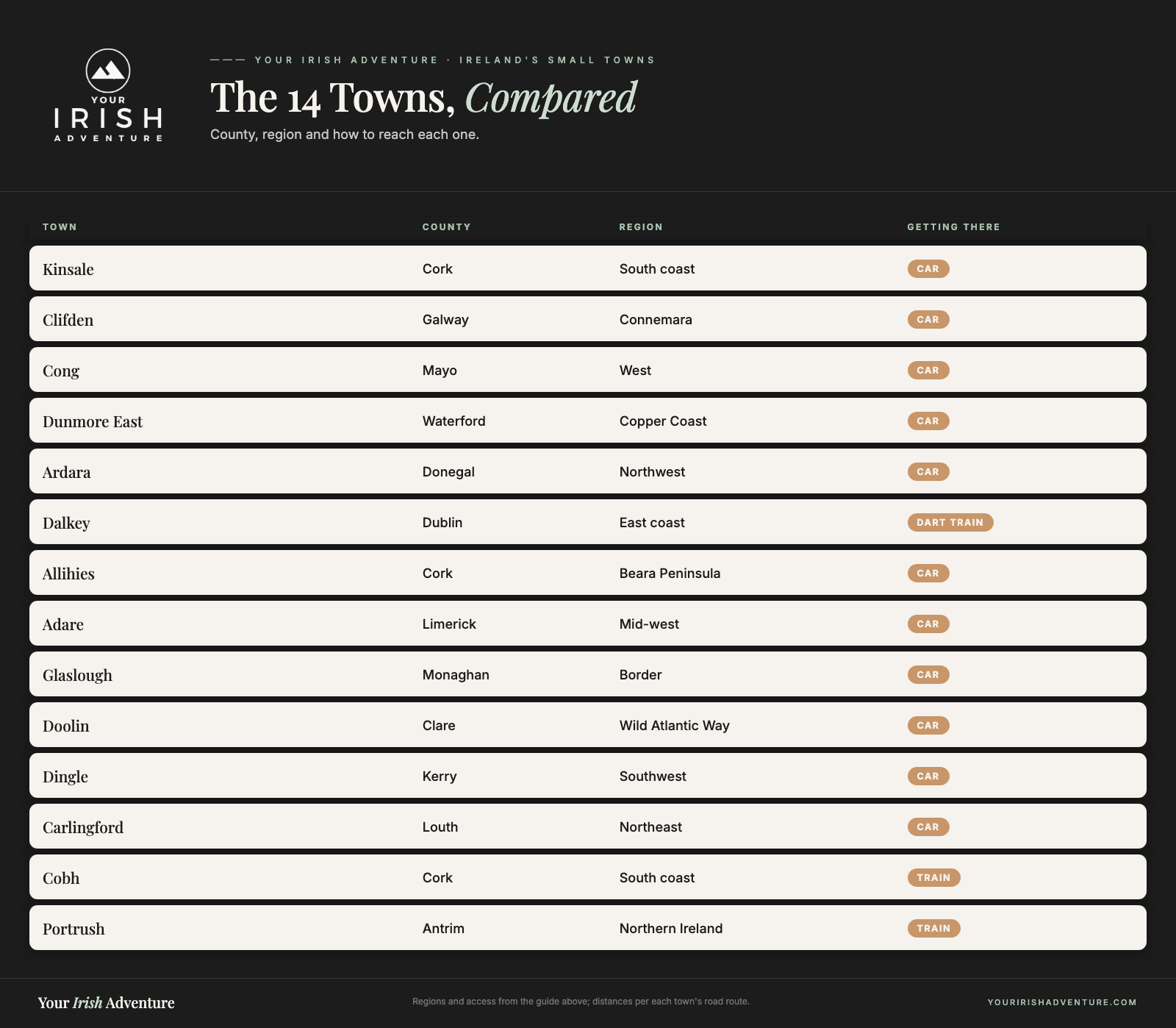
Some of these we drove straight into on our own route: Doolin, Dingle, Adare, Cobh, and Clifden out in Connemara. The rest are places we’d point any first-timer toward, from Kinsale down in Cork to Portrush up on the Antrim coast.
Below are 14 of them, county by county, with what to actually see and do in each, how to get around, when to go, and where to stay. Pick a region, string three or four together, and you’ve got a trip.
Quick Answer:
The prettiest small towns in Ireland are its harbor villages and one-street stops, not its cities. Adare, Kinsale, Cobh, Clifden, Dingle, and Doolin sit near the top, spread from the Cork coast up to Donegal and the Antrim shore. Pick one region, string three or four together, and drive a loop that connects them over four to seven days.
More Pretty Towns and Villages to Explore in Ireland
- Scenic Towns and Villages in Ireland: 18 Best Picks
- The Most Beautiful Towns In Ireland You Need To Visit
- 15 Best Seaside Towns in Ireland To Visit This Summer
- The Most Beautiful Seaside Towns in Northern Ireland
How to Get Around These Small Irish Towns
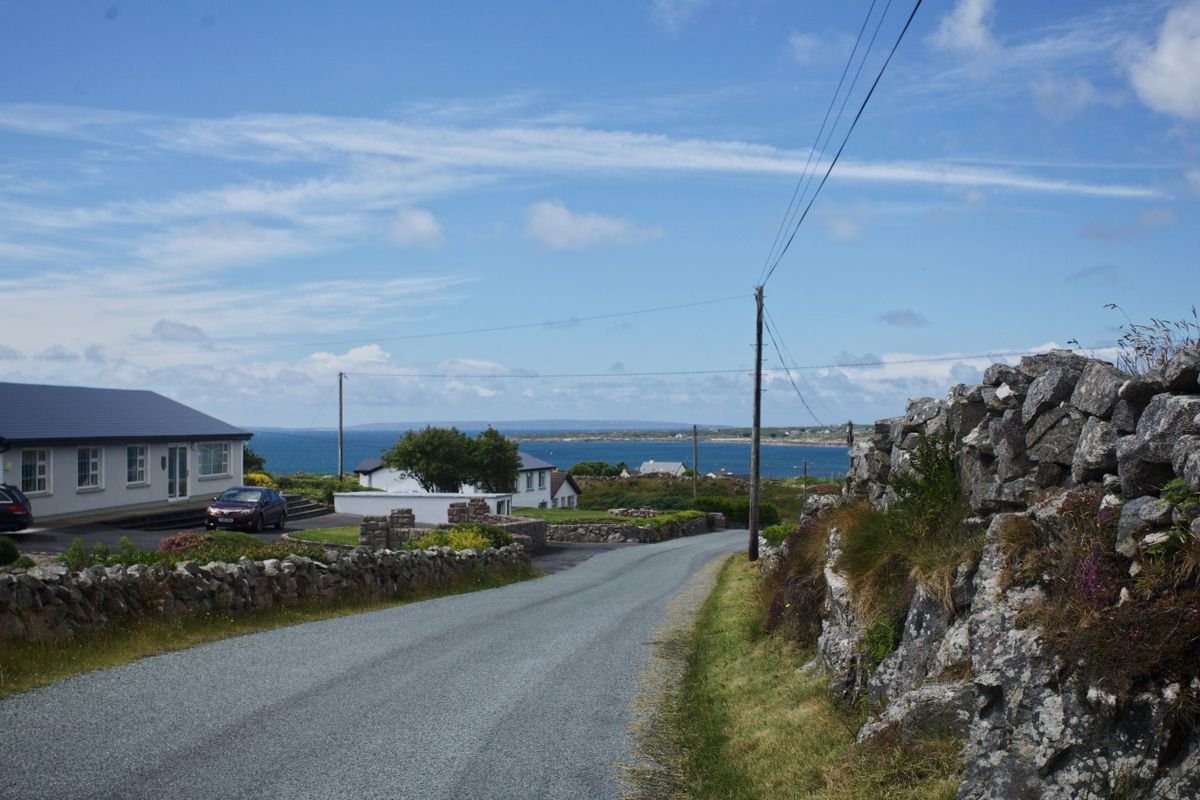
A rental car is the best way to reach most of these towns. Several sit at the end of a peninsula or up a coast road with no train and only the odd rural bus, so a car is what turns the list into a real trip. We did it by campervan, but a car works the same on every stop here and is the easier choice for a first visit. It’s worth booking early in summer, and you can compare car hire deals on Discover Cars to see what’s going across the pickup points.
Distances in Ireland are short and the driving is slow. Dublin to Kinsale is about three and a half hours, Galway to Clifden about an hour and a half on the N59, and most towns are an hour or two apart. Roads out west narrow fast, and you’ll meet tractors and sheep, so plan on more time than the map suggests.
A few of these you can reach without driving. Cobh is a 25-minute train from Cork city. Dalkey is on the DART commuter line from central Dublin. Portrush has a train from Belfast and Coleraine. Everywhere else, you’ll want the car.
One warning: parking in the smaller towns fills up in summer, and driving is on the left. If that’s new to you, give yourself a day to settle in before the narrow coastal stuff.
The Prettiest Small Towns in Ireland
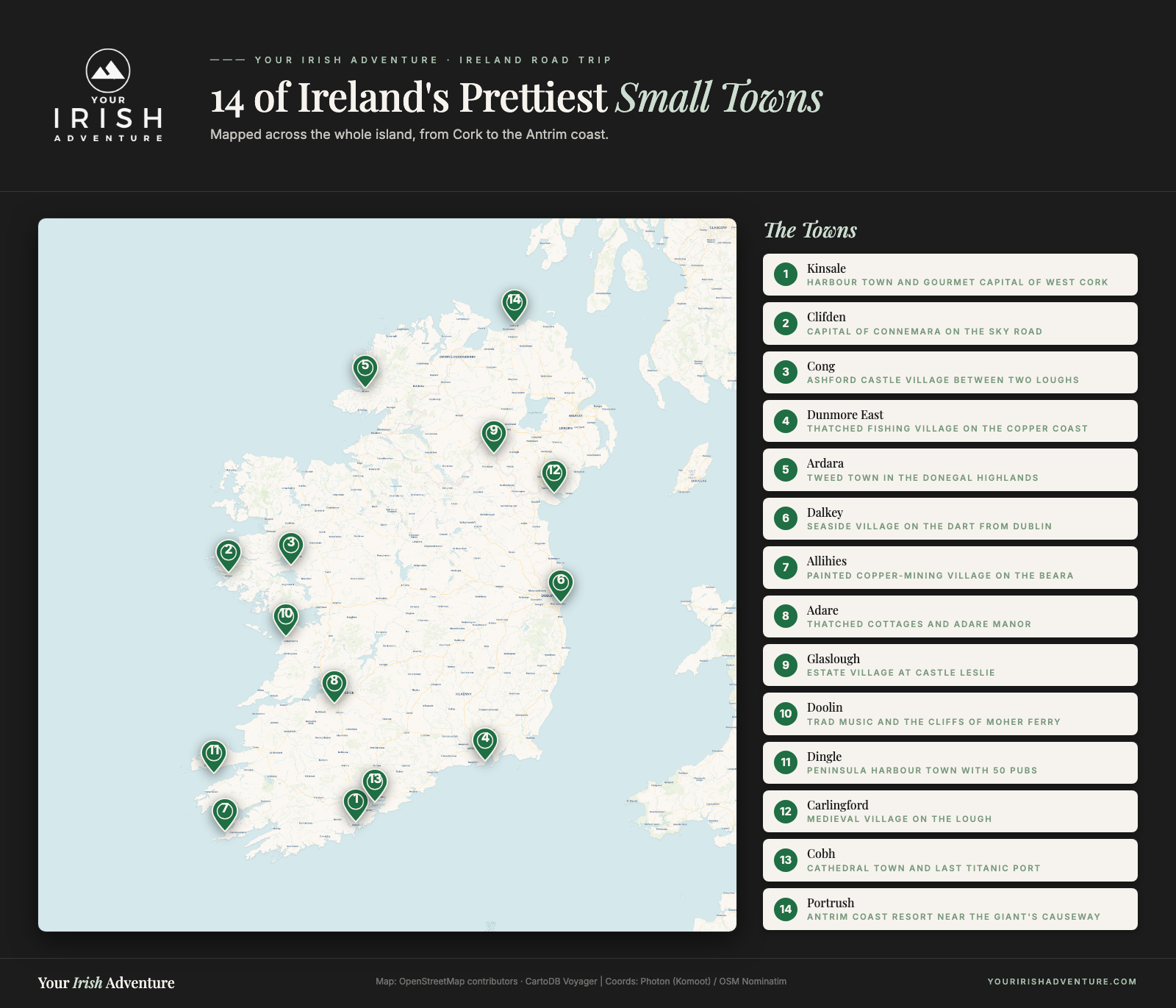
These 14 run from the south coast of Cork all the way up to the Antrim shore, taking in Connemara, Donegal, and a couple of spots within a train ride of Dublin. Some are famous, some we’d send you to over the famous ones. They’re roughly grouped so you can string a few together into a route.
Kinsale, County Cork
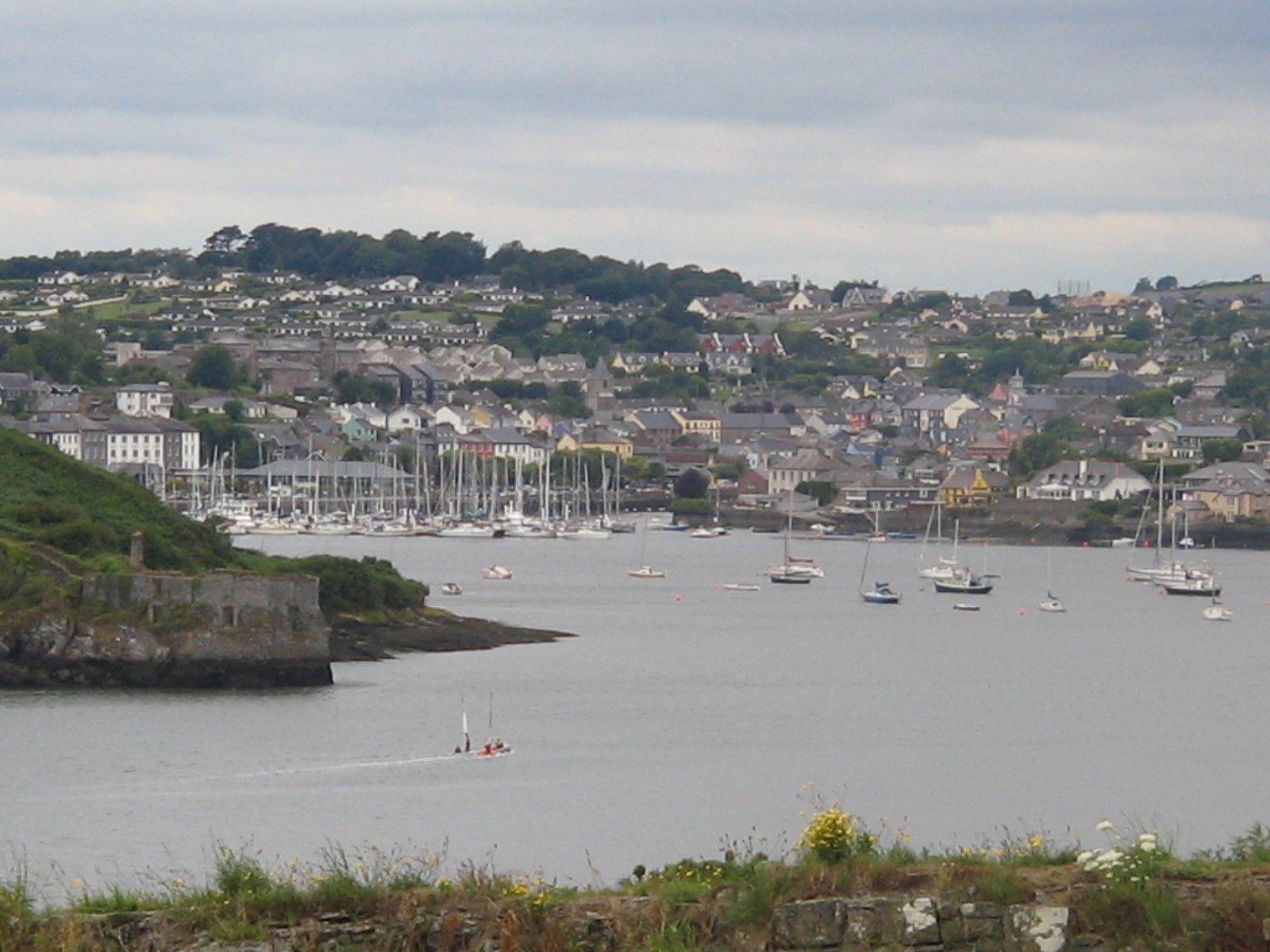
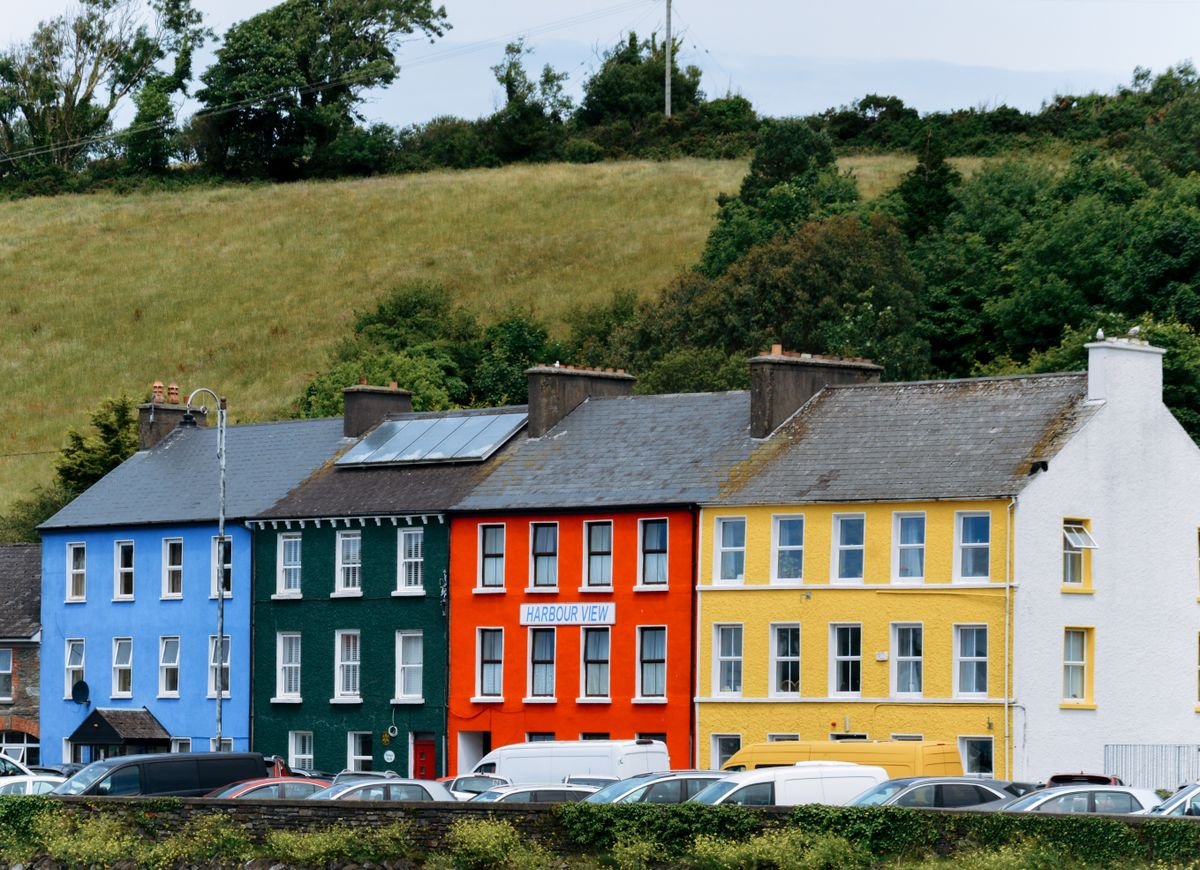
Kinsale is the harbor town people picture when they think of Cork: a row of painted houses climbing up from the water, yachts in the marina, and narrow streets laid out long before cars. It sits about 25 minutes south of Cork city and makes an easy first or last stop on a southern trip.
It’s built a name as the food town of the south coast, and it earns it. Fishy Fishy and Bastion are the two most talked-about kitchens, and the town runs a Gourmet Festival every October.
Walk out to Charles Fort, a huge star-shaped fort from the 1680s guarding the harbor mouth, then loop back along the Scilly Walk for the best view of the town across the water. Give it a full day.
Clifden, County Galway
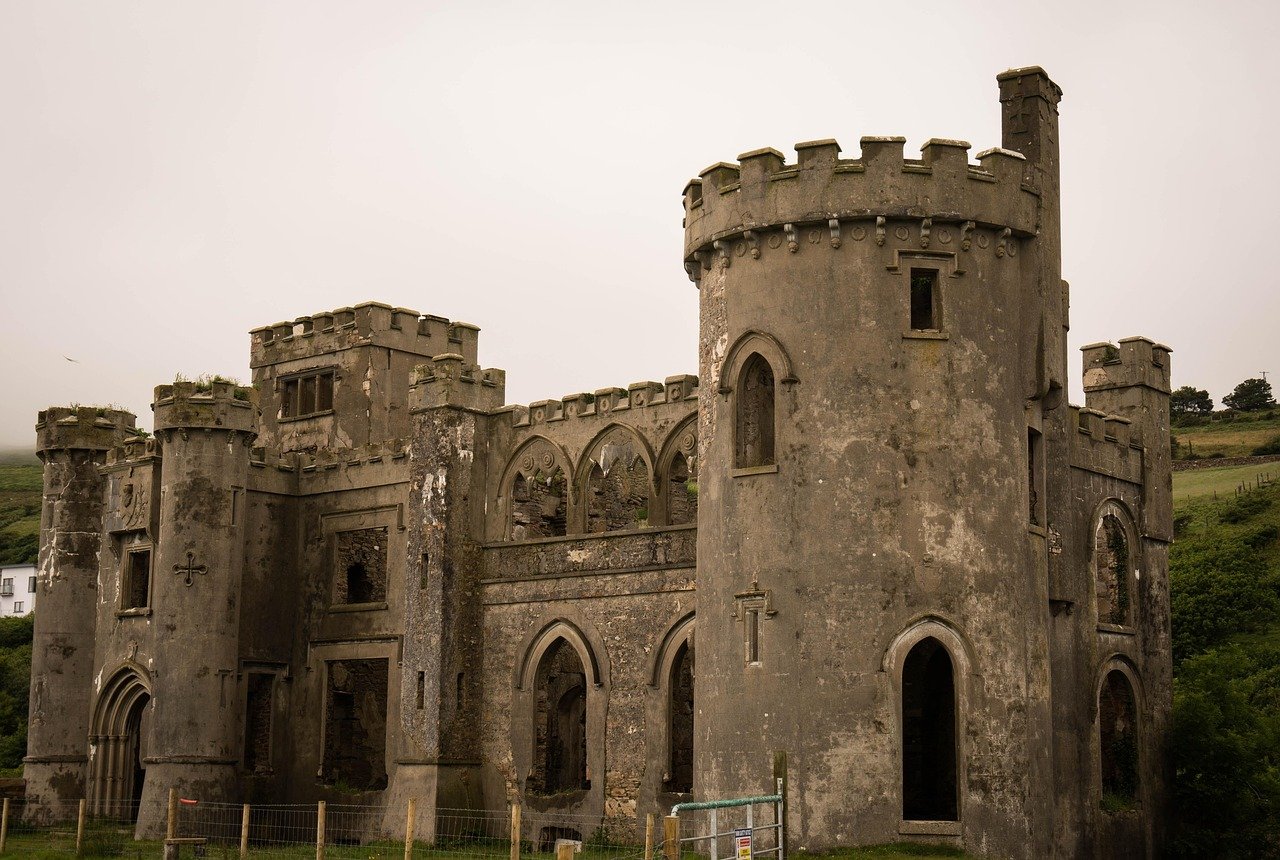
Clifden is the capital of Connemara, a small grid of colorful shopfronts under the Twelve Bens mountains, about an hour and a half west of Galway on the N59. The drive out is one of the best in Ireland on its own, through bog and heath with the mountains building the whole way.
The thing to do here is the Sky Road, an 11km loop that climbs west out of town for high views over the bay and the islands. We stayed just outside at Clifden Eco Beach, with the van facing the Atlantic, and I swam in the sea in late September when it was clearer and bluer than it had any right to be.
In town, Guy’s Seafood Bar does the best chowder we had on the whole trip. Base yourself here for two nights and you can reach Kylemore Abbey and the coast road easily.
Cong, County Mayo
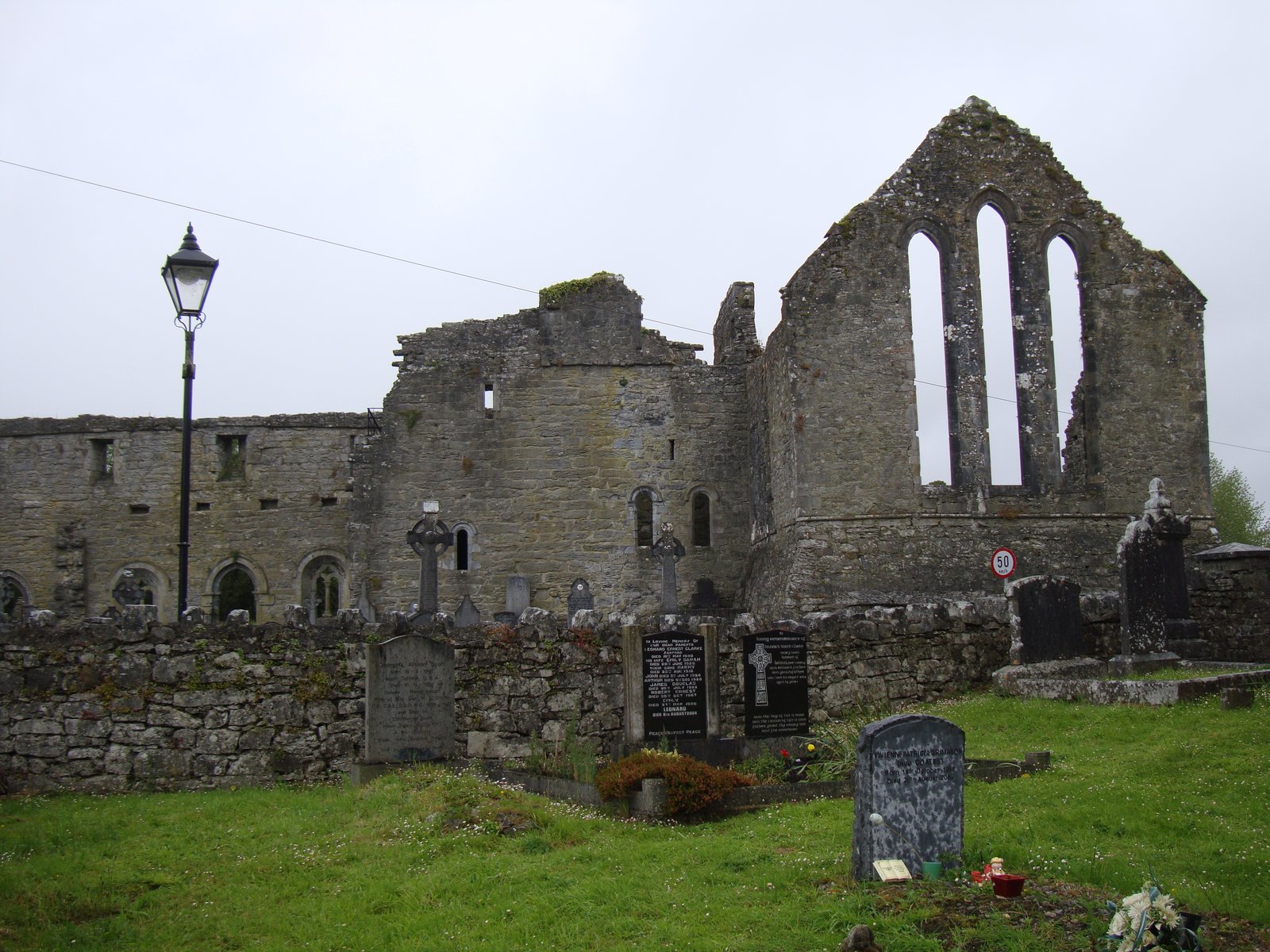
Cong sits right on the Mayo-Galway border, on a strip of land between Lough Corrib and Lough Mask. It’s a small stone village with a big draw: the ruins of Cong Abbey, a 12th-century Augustinian priory with carved doorways and a monks’ fishing house built out over the river.
The other reason people come is film history. The 1952 movie The Quiet Man was shot here, and the village leans into it with a statue, a themed cottage, and walking maps of the locations.
Next door is Ashford Castle, a real medieval castle turned five-star hotel, and even if you’re not staying you can walk parts of the estate grounds. Worth a half-day, more if you’re a fan of the film.
Dunmore East, County Waterford
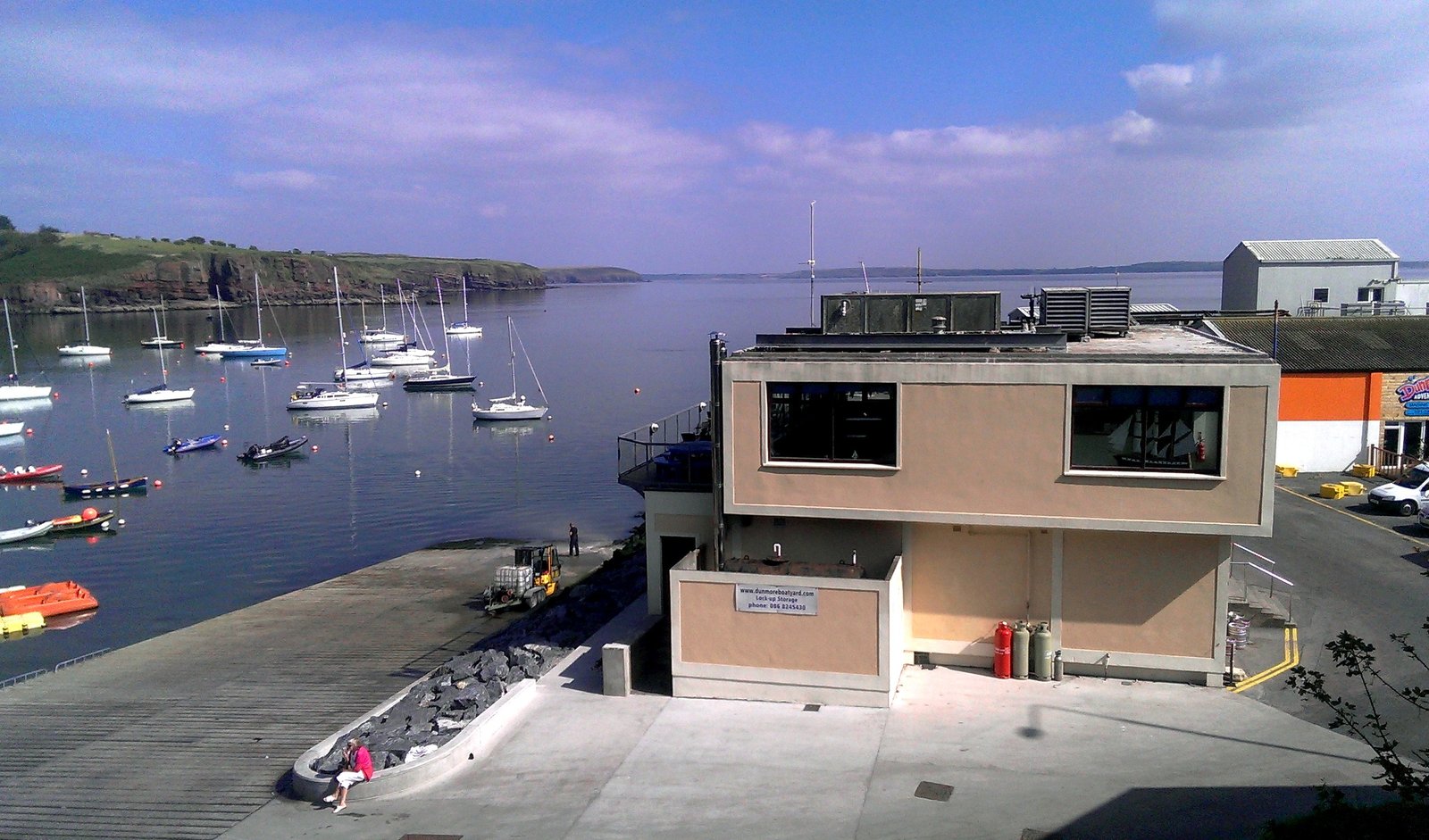
Dunmore East is a working fishing village on the Waterford coast, with thatched cottages, a busy little harbor, and red sandstone cliffs dropping to small coves. It’s about 20 minutes from Waterford city and sits at the eastern end of the Copper Coast, a stretch of beaches and old mining coastline.
Come for the beaches and the boats. Councillors Strand and Ladies Cove are both within walking distance of the harbor, and the cliff path between them gives you the whole village from above.
The harbor still lands fish daily, so the seafood in the pubs is about as fresh as it gets. It’s an easy add-on to a trip through Waterford and the southeast.
Ardara, County Donegal
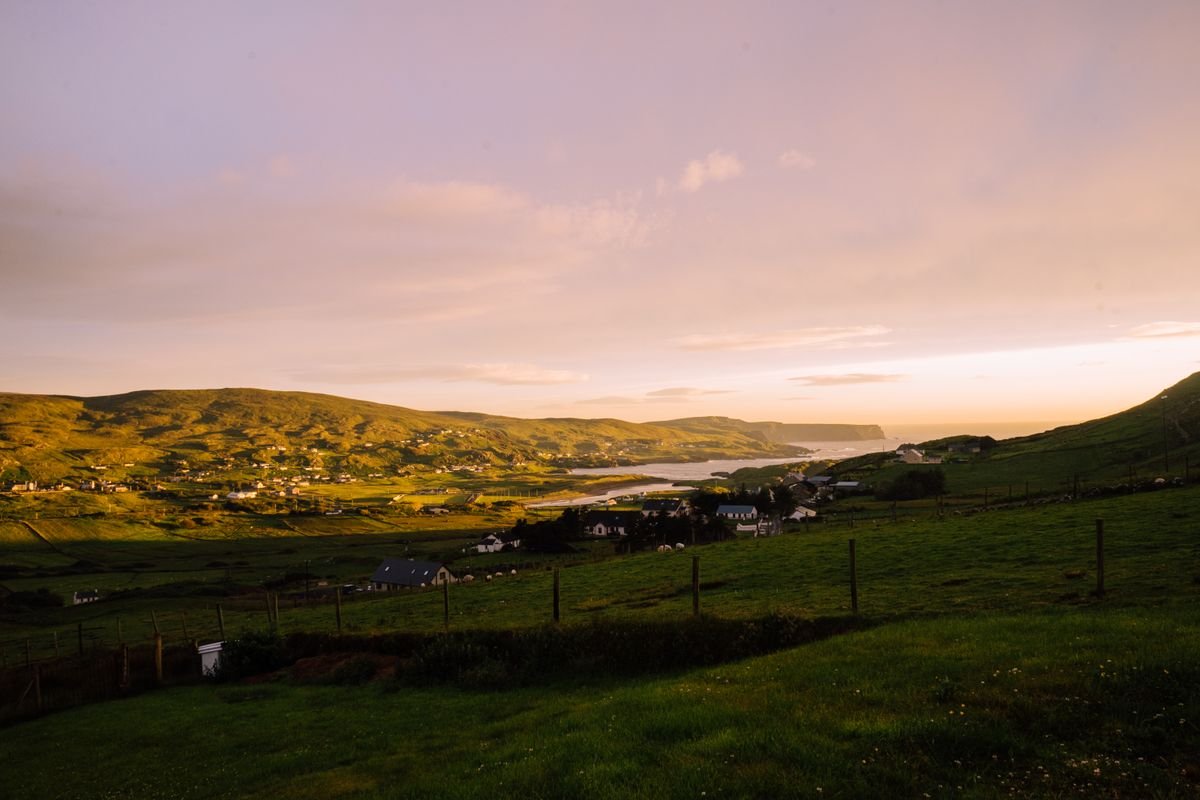
Ardara is a tweed town up in the Donegal highlands, set where two glens meet near the coast. This is the heart of Donegal’s weaving trade, and shops like Triona and Kennedy’s still sell hand-woven tweed made in the area. If you want the real thing rather than a souvenir version, this is where to buy it.
Just west of town is the Glengesh Pass, a road that switchbacks up through a deep glen and drops down the other side, one of the most dramatic drives in the north. Add the Maghera Caves and beach nearby, and you’ve got a full day of coast and mountains.
Ardara is also a strong trad music town, with sessions running most weekends. This is proper remote Donegal, and it’s better for it.
Dalkey, County Dublin
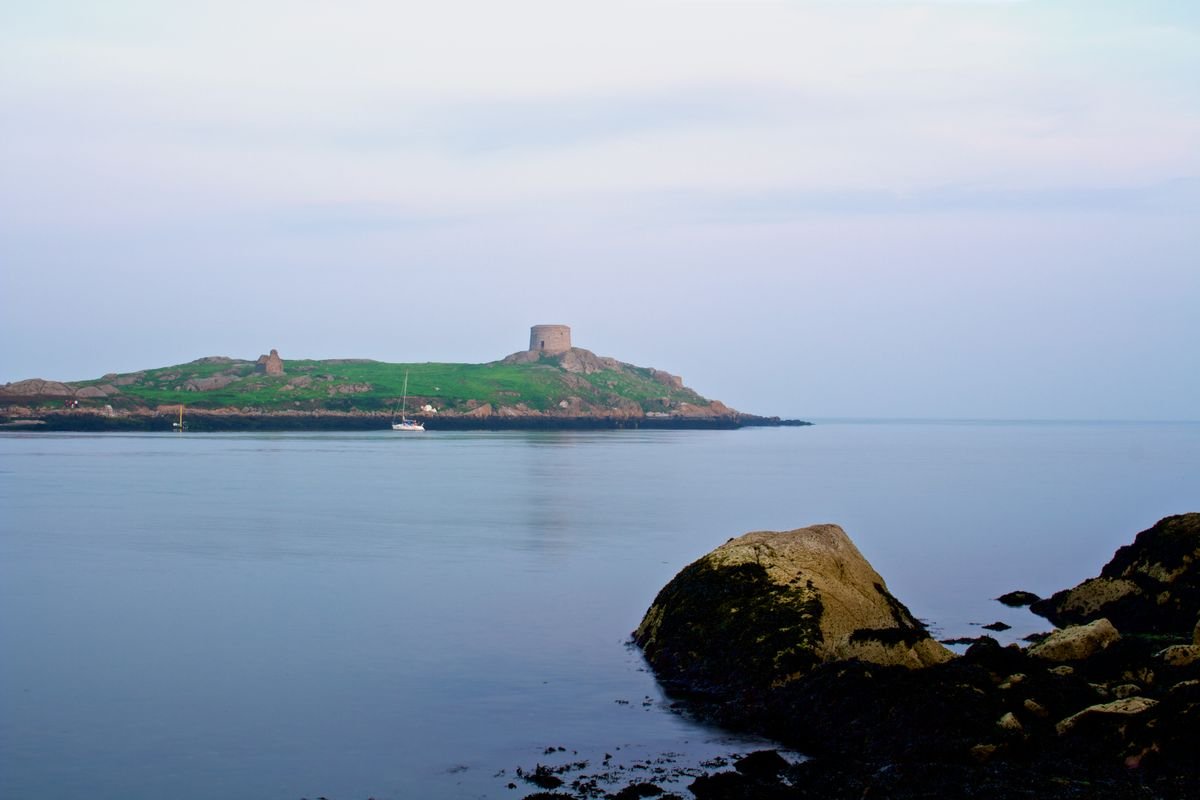
Dalkey is a coastal village on the southern edge of Dublin, close enough to reach on the DART commuter train in about 30 minutes from the city center. It has a medieval main street, two small castles, and a seafront that looks more Mediterranean than you’d expect this far north.
Climb Killiney Hill for the view back over Dublin Bay and the coast, which is why the area picked up the nickname of Ireland’s Bay of Naples. Dalkey Castle on the main street runs a small heritage center.
You can also take a boat out to Dalkey Island to see the seals and the goats. It’s an easy half-day escape if you’re based in Dublin and want the sea without a long drive.
Allihies, County Cork
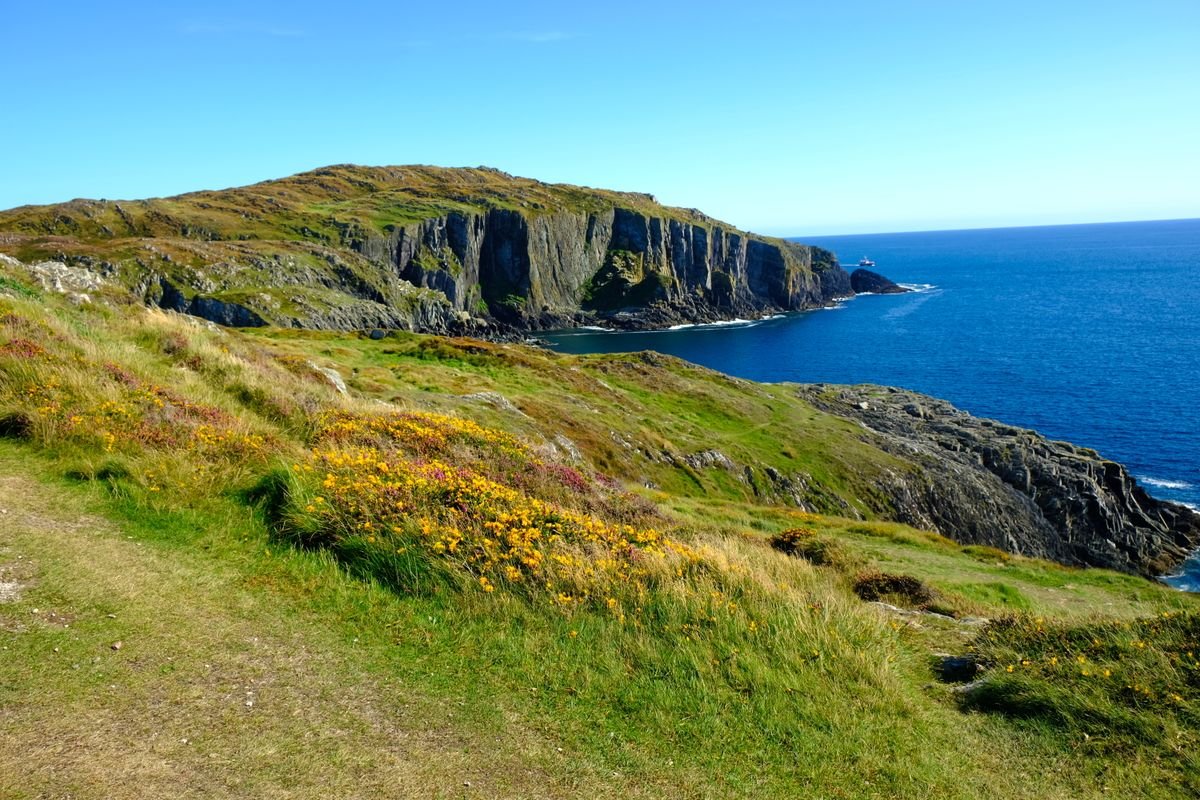
Allihies sits at the far tip of the Beara Peninsula in west Cork, a row of brightly painted houses looking out over the Atlantic. It’s remote, about two hours from Cork city on winding roads, and that’s exactly the appeal. Few tour buses make it this far.
The village grew up around copper mining in the 1800s, and the old engine houses still stand on the hillside above. The Allihies Copper Mine Museum tells the story, and a marked trail runs up past the ruins for big coastal views.
Below the village is Ballydonegan Beach, whose pale sand is actually crushed quartz from the old mine spoil. Add it to a loop of the Beara, one of Ireland’s least crowded peninsulas.
Adare, County Limerick
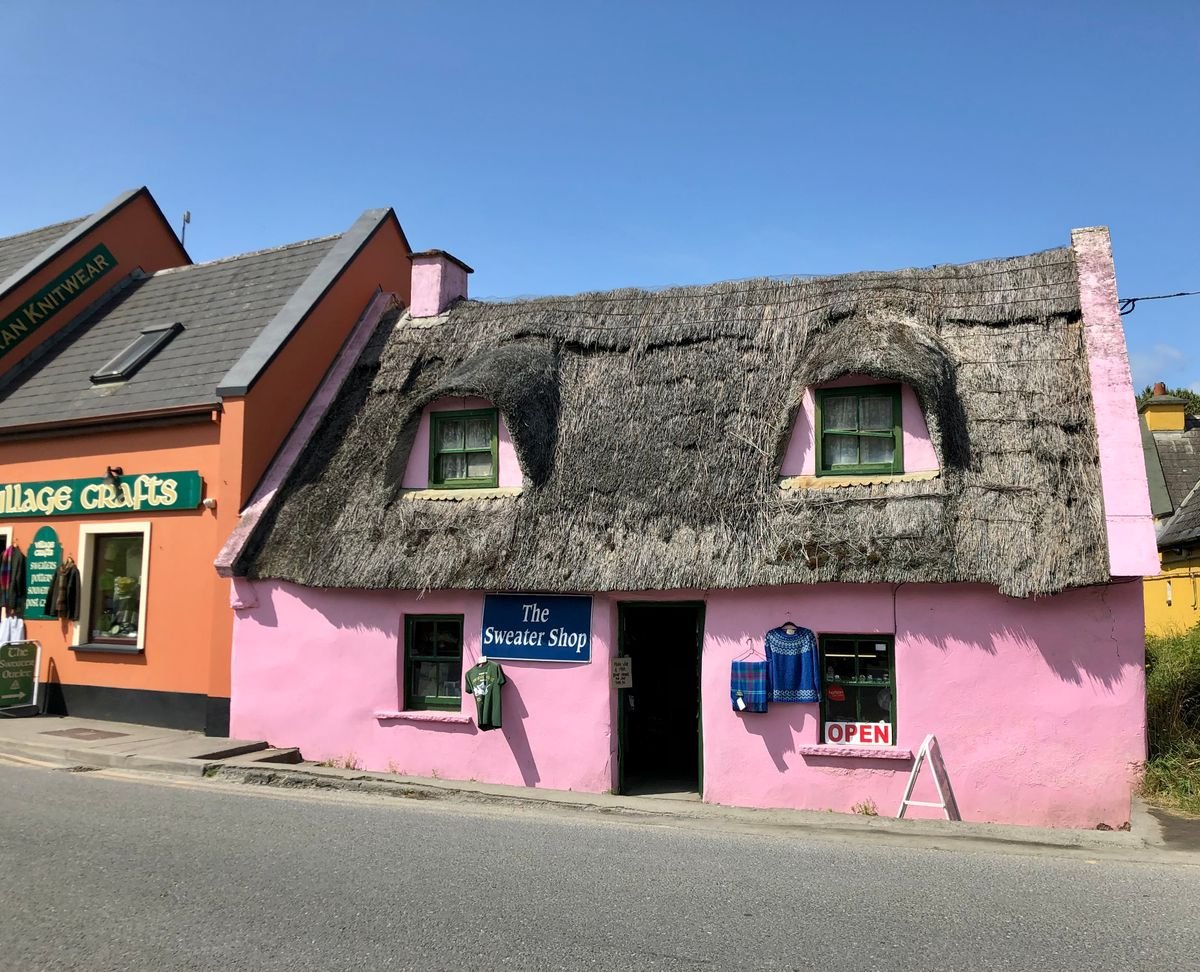
Adare is the one that usually gets called Ireland’s prettiest village, and the thatched cottages along the main road are the reason. They’re beautifully kept, a row of them running right through the middle of town, and they’re a real thing rather than a reconstruction.
We stopped here for lunch on the way to Dingle. We had a Guinness and a shepherd’s pie in one of the village pubs and watched the main street through the window, which is about the right speed for Adare.
Beyond the cottages there are two medieval friaries and Adare Manor, a luxury hotel with grounds you can visit. If you’d rather stay in the village itself, the Dunraven Arms is the long-standing hotel on the main street. Adare sits on the N21 between Limerick and Kerry, so it’s a natural 45-minute stop when you’re driving that way.
Glaslough, County Monaghan
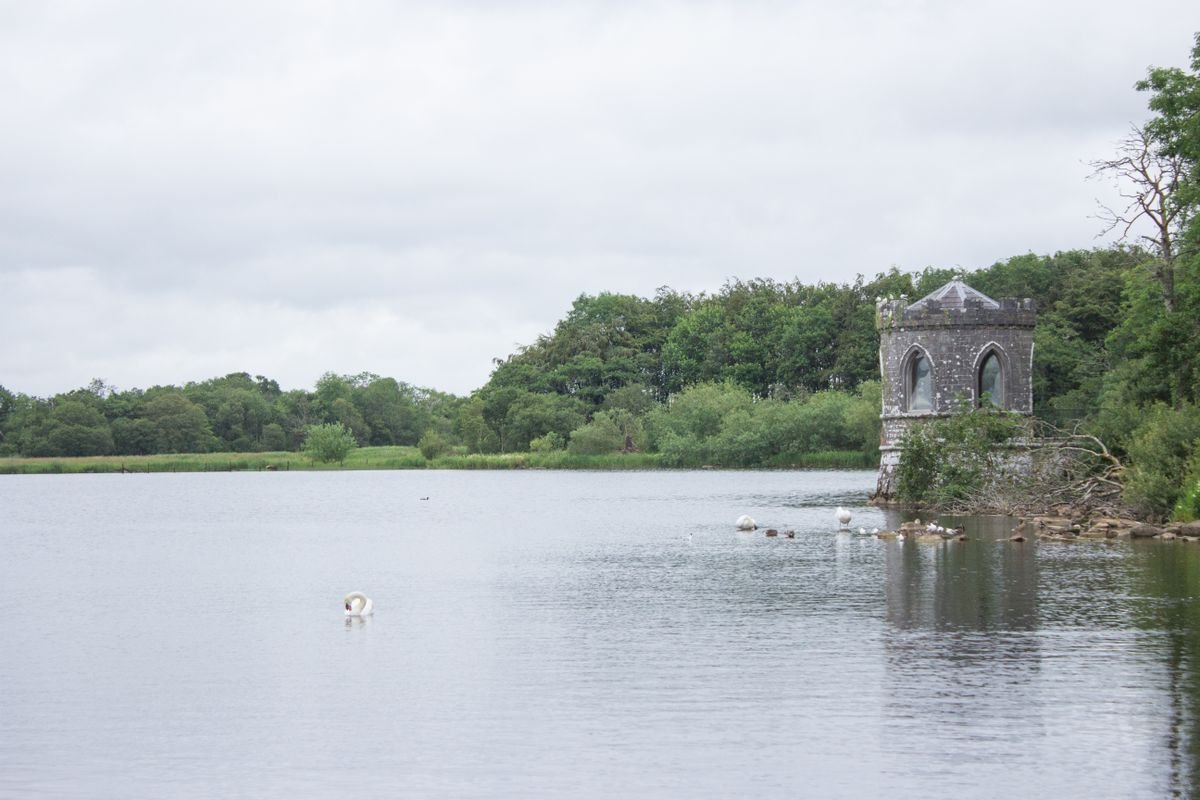
Glaslough is a stone-built estate village in Monaghan, up near the border, and it’s won Ireland’s Tidiest Town more than once. The whole village is built from the same grey stone, with no overhead wires and a main street that looks barely changed in a century.
The reason to come is Castle Leslie, a Victorian estate on the edge of the village with 1,000 acres of grounds, a lake, and a well-known equestrian center. You can stay in the castle, eat in its restaurant, or just walk the estate trails.
Glaslough is off the usual tourist track in the midlands, which is part of why it feels the way it does. Worth a stop if you’re crossing the north or heading to the border counties.
Doolin, County Clare
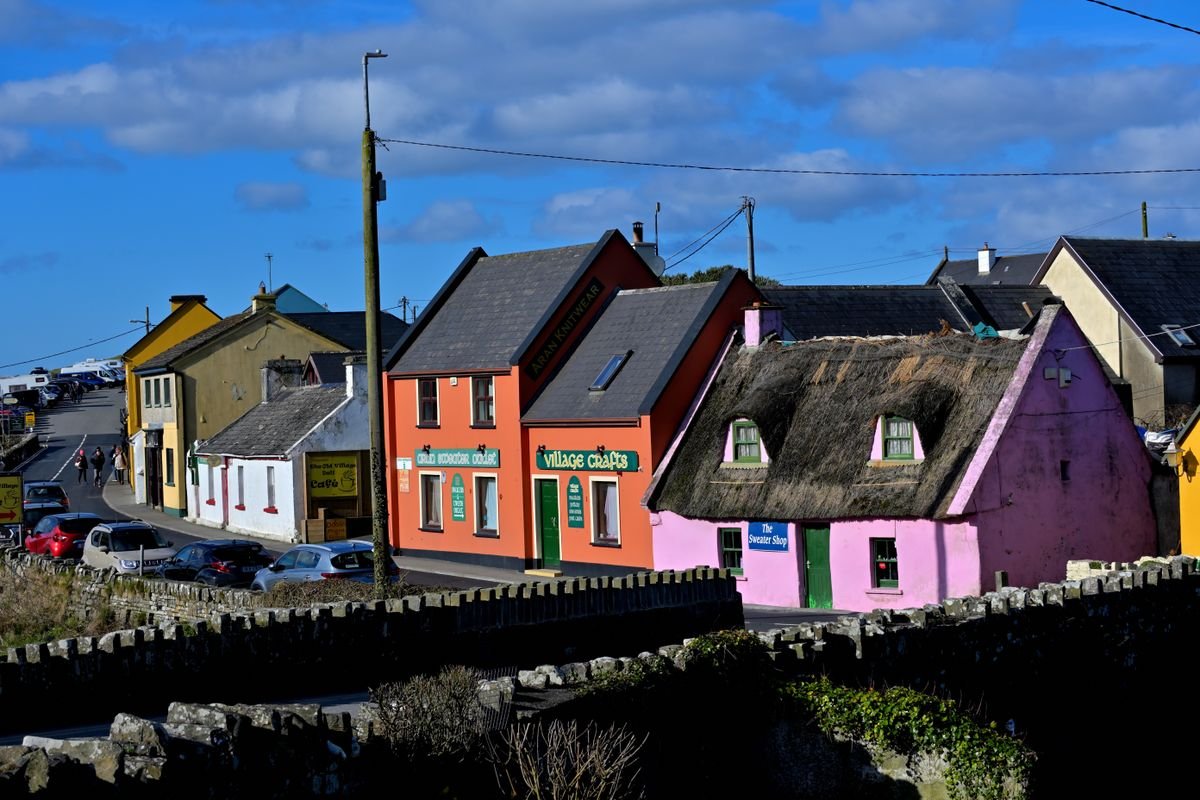
Doolin is the trad music village of County Clare, a scatter of houses along a road down to a small pier, and it’s the base a lot of people use for the Cliffs of Moher. We stayed at Nagle’s campsite here, within walking distance of the pubs and the cliff path.
We ate at Gus O’Connor’s, a pub open since 1832, and did the coastal hike out to the Cliffs of Moher from the village, a narrow path with a sheer drop on one side and cows grazing on the other. That approach has far fewer people than the main viewing platform.
From Doolin pier you can also catch the ferry to the Aran Islands. The music runs nightly in the pubs and it’s the real thing, not a show. Give Doolin at least a night.
Dingle, County Kerry
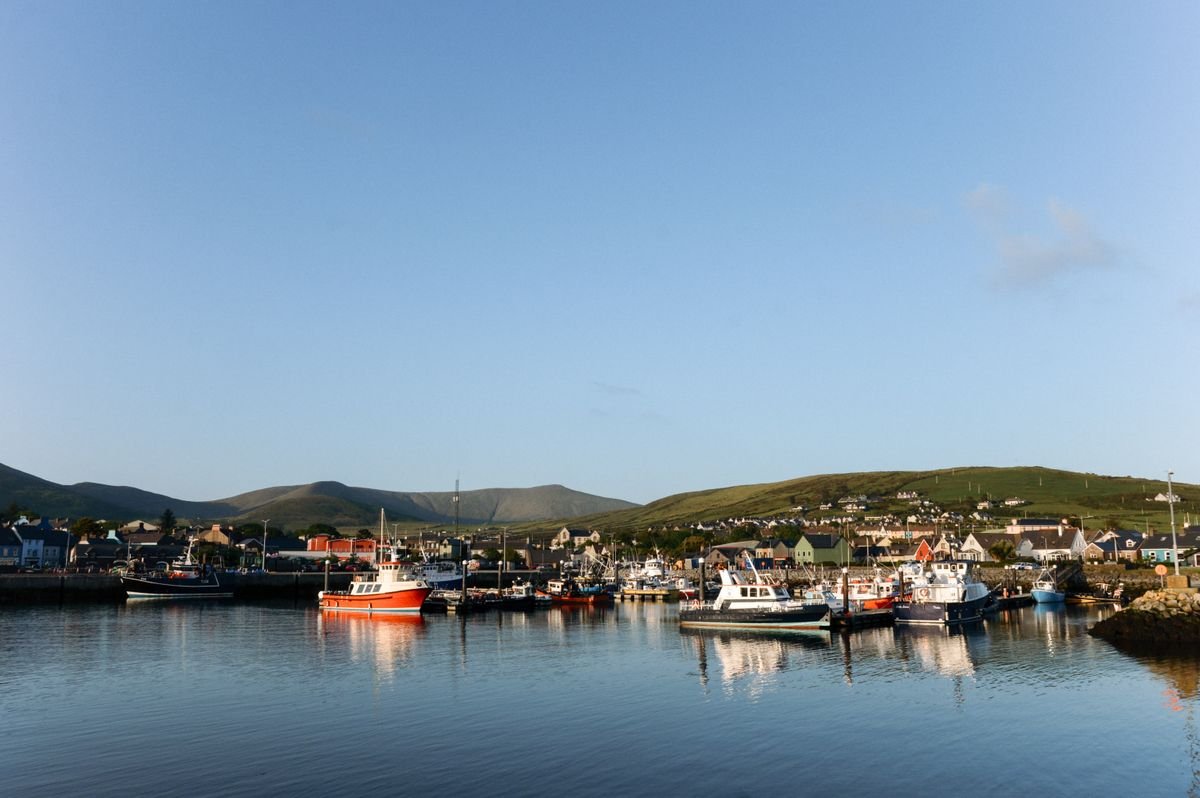
Dingle is a fishing town at the far end of its own peninsula in Kerry, a working harbor ringed by colorful shopfronts and some of the best pubs in the country. Our own visit came with a lesson: we arrived in heavy rain and only saw the town at night, which is the biggest regret of our trip.
What we did see was Foxy John’s, a working hardware shop with a bar at the back and a trad session going with guitar and tin whistle. It’s one of the most unusual pubs in Ireland and you should go regardless of when you visit.
The main event out here is the Slea Head Drive, a coastal loop past beehive huts, cliffs, and beaches like Inch. Do it in daylight, which is exactly what we failed to do. Dingle deserves at least two nights and a clear day.
Carlingford, County Louth
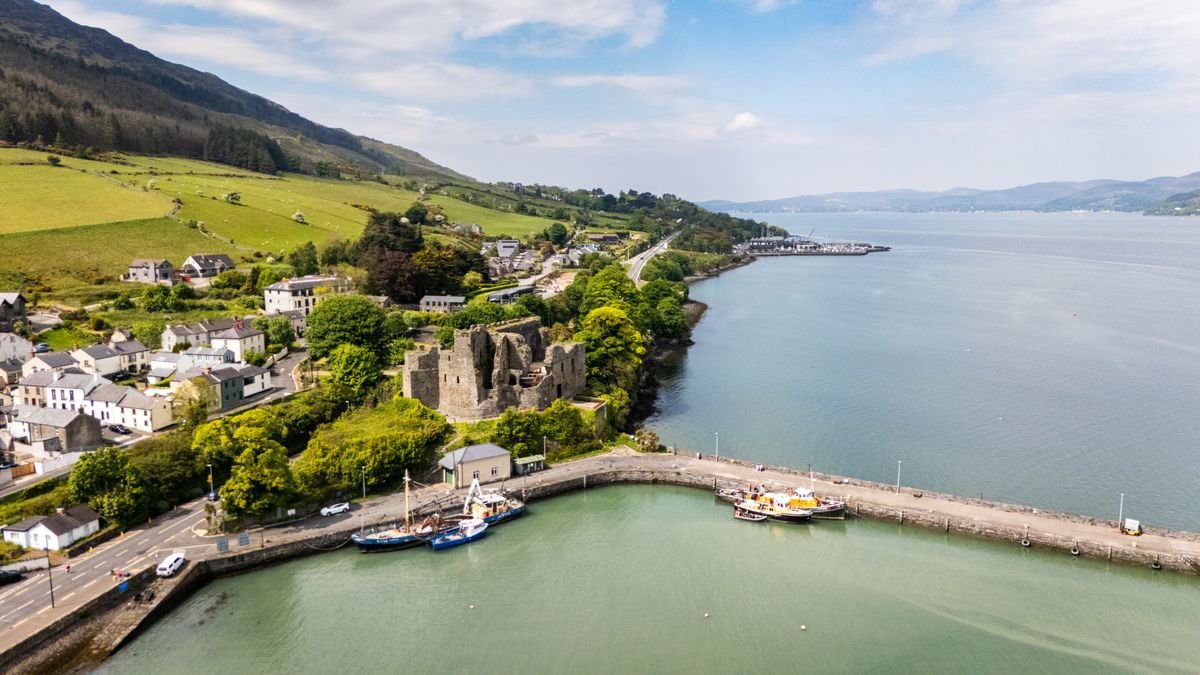
Carlingford is a medieval village on the Cooley Peninsula in Louth, set between the Mourne Mountains and Carlingford Lough. Its lanes still follow the old street plan, and you can walk between three surviving medieval buildings: King John’s Castle above the harbor, the Tholsel gate, and the Mint.
It’s also become an adventure base. The lough is used for kayaking and sailing, there’s a via ferrata climbing route on Slieve Foye above the village, and the Carlingford Oyster is a local specialty worth ordering.
The village is packed with pubs and small restaurants for its size. It sits about an hour north of Dublin, which makes it an easy weekend from the capital.
Cobh, County Cork
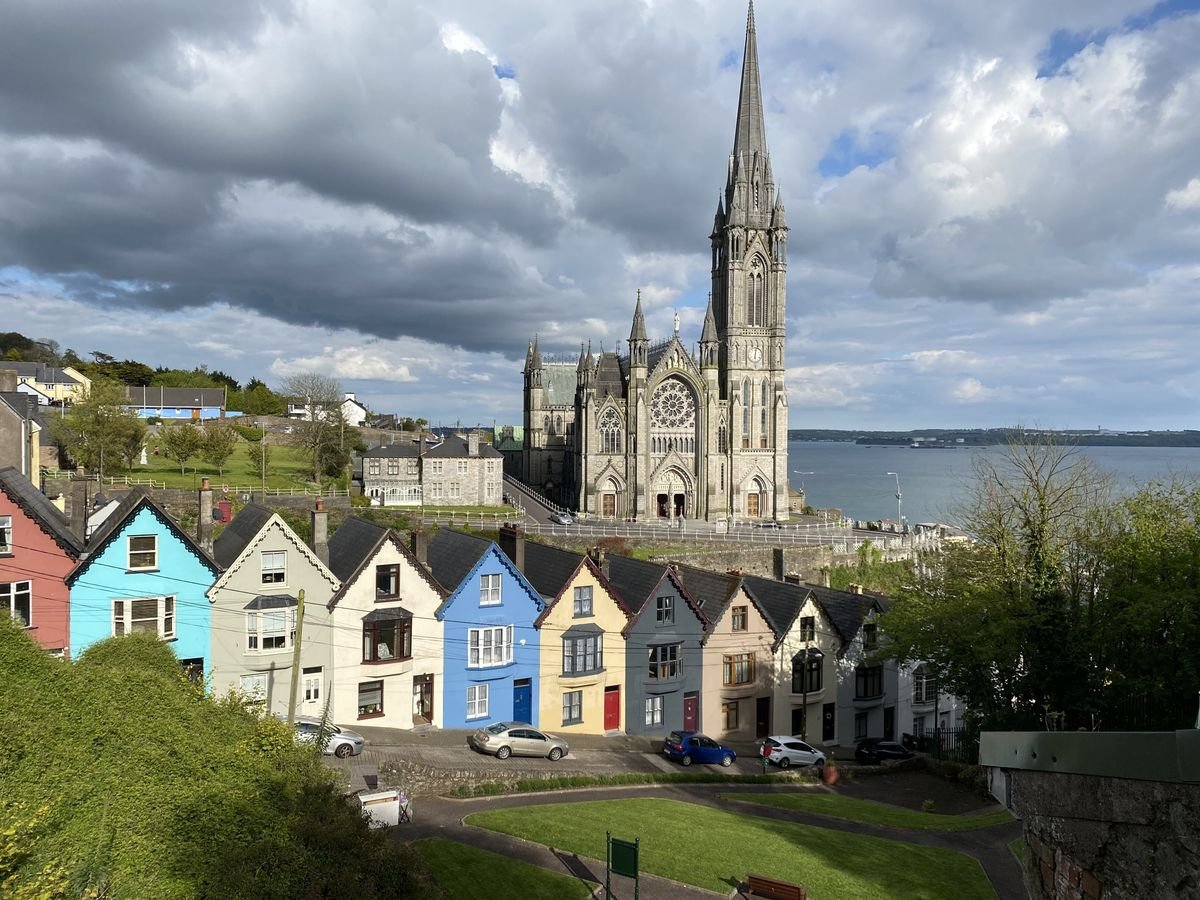
Cobh is a harbor town on an island in Cork Harbour, and it has the most photographed street in Ireland: the Deck of Cards, a row of steep terraced houses in different colors climbing toward St. Colman’s Cathedral. We got the classic shot from Spy Hill after an Atlantic storm cleared, and it holds up.
It’s a 25-minute train from Cork city if you’d rather not drive. Cobh was the last port the Titanic called at, and the town’s history is tied up with emigration, told at the Cobh Heritage Centre and the Titanic Experience.
Walk the steep streets down from the cathedral, stop at Kelly’s Bar for a drink, and take in the harbor, one of the largest natural harbors in the world. Half a day covers the highlights.
Portrush, County Antrim
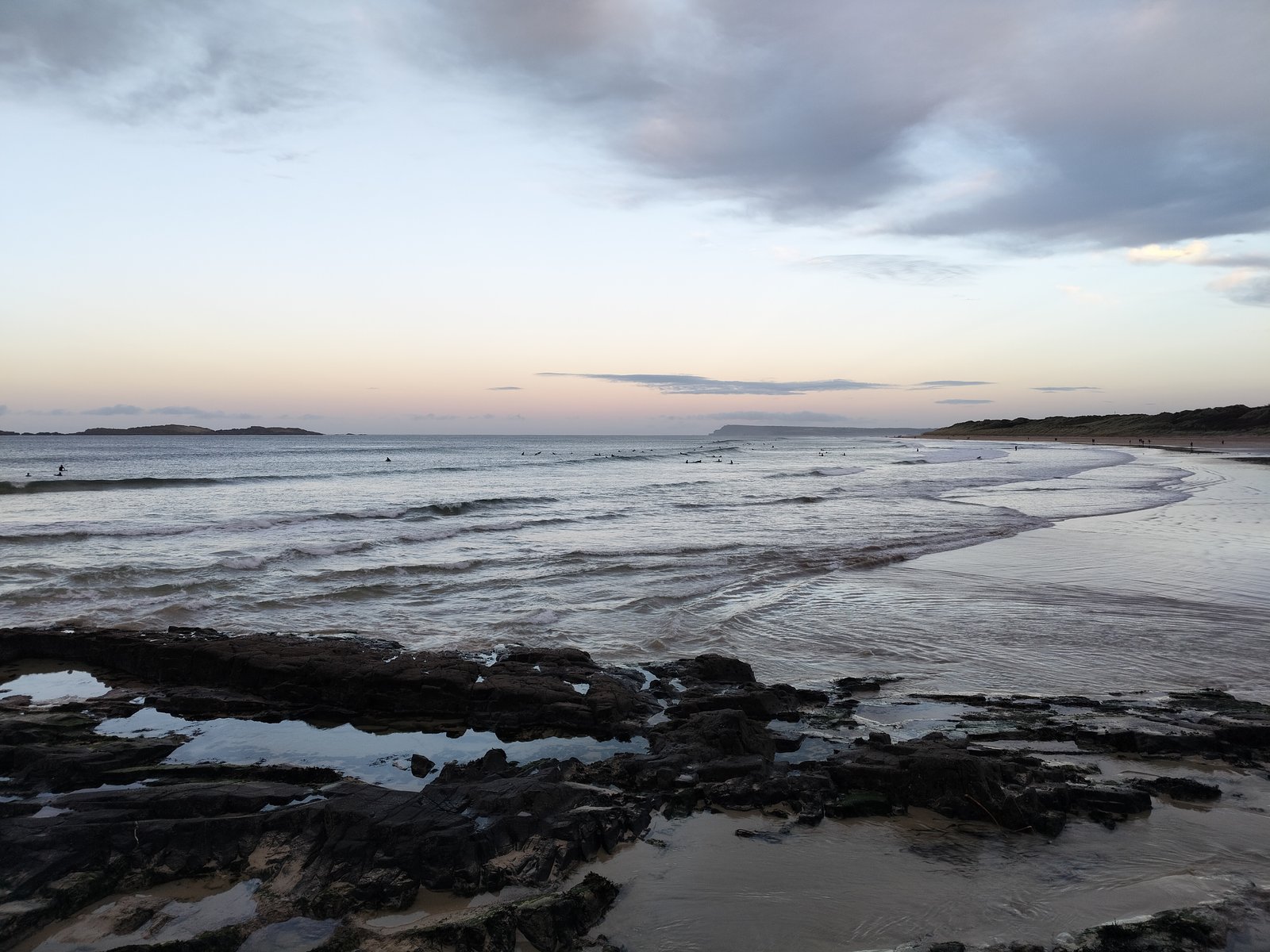
Portrush is a seaside town on the Causeway Coast in County Antrim, up in Northern Ireland, sitting on a headland with beaches on both sides. It’s a proper resort town, busier and more built-up than the villages further south, with two long sandy strands and the links golf course at Royal Portrush.
The real draw is what’s around it. The Giant’s Causeway, with its hexagonal basalt columns, is 15 minutes away, and the coast road links Dunluce Castle, the Carrick-a-Rede rope bridge, and the Bushmills distillery.
Portrush itself has the beaches and the food for a base, and it’s reachable by train from Belfast and Coleraine. Use it as your stop for the whole Causeway Coast.
👉 Read our full guide to the Giant’s Causeway.
Best Time to Visit Ireland’s Small Towns
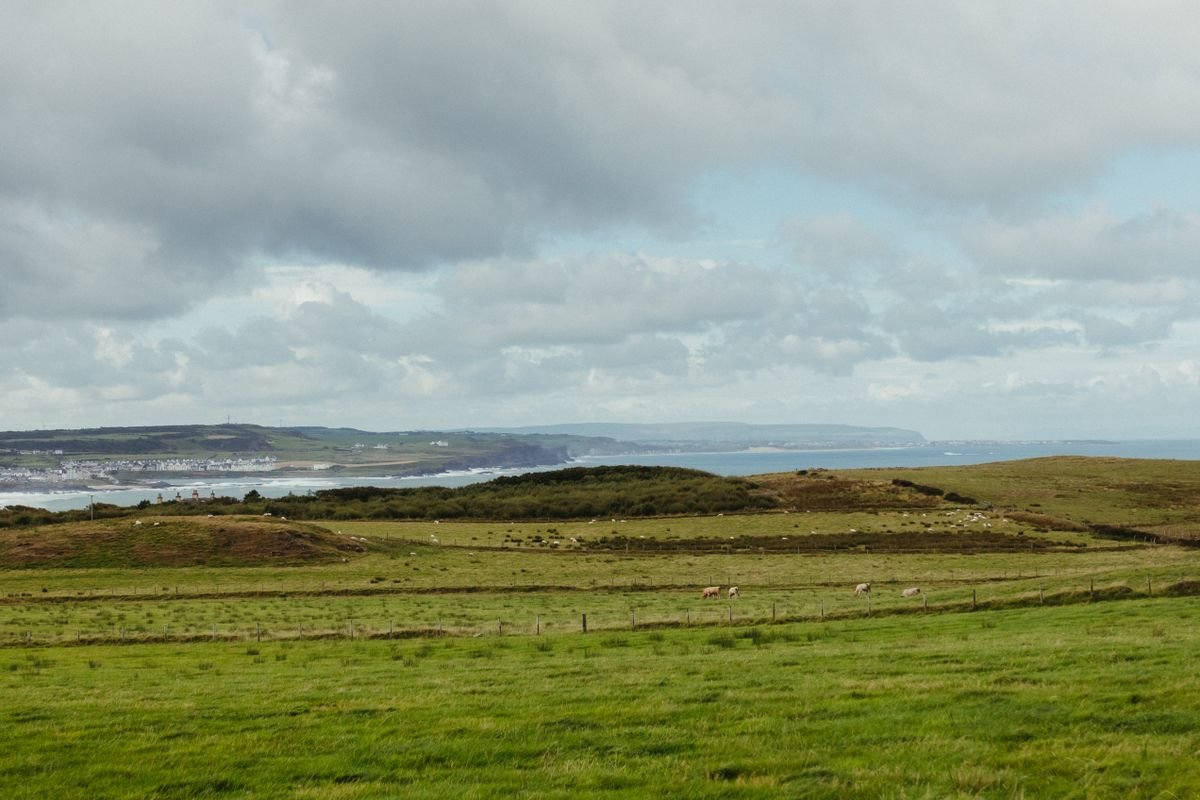
Late spring through early autumn is the window, roughly May to September. That’s when you get the longest days, the driest weather, and towns that are fully open. Ireland’s weather is unreliable in any season, so pack layers and a rain jacket no matter when you go.
July and August are the peak. The towns are lively and every restaurant, ferry, and festival is running, but the popular ones like Kinsale, Dingle, and Doolin fill up, prices rise, and you’ll want to book beds ahead. Parking in the small harbor towns gets tight.
May, June, and September are the sweet spot. You still get decent daylight and mild weather, with fewer crowds and lower prices. We drove the west coast in late September, well into shoulder season, and had cliff paths and campsites nearly to ourselves.

Winter is a different trip. Days are short, some coastal restaurants and attractions close, and the peninsulas can be wet and windy. The upside is that you’ll have the place to yourself and the pubs still have their fires lit and their music going.
If you can pick, aim for June or September. You get most of the summer perks without the summer crowds.
Where to Stay Around Ireland
- Where to Stay in Kinsale: Best Areas & Hotels
- Where to Stay in Doolin: Best Areas & Hotels
- Where to Stay in County Cork: Cork City vs West Cork
Where to Stay in These Towns
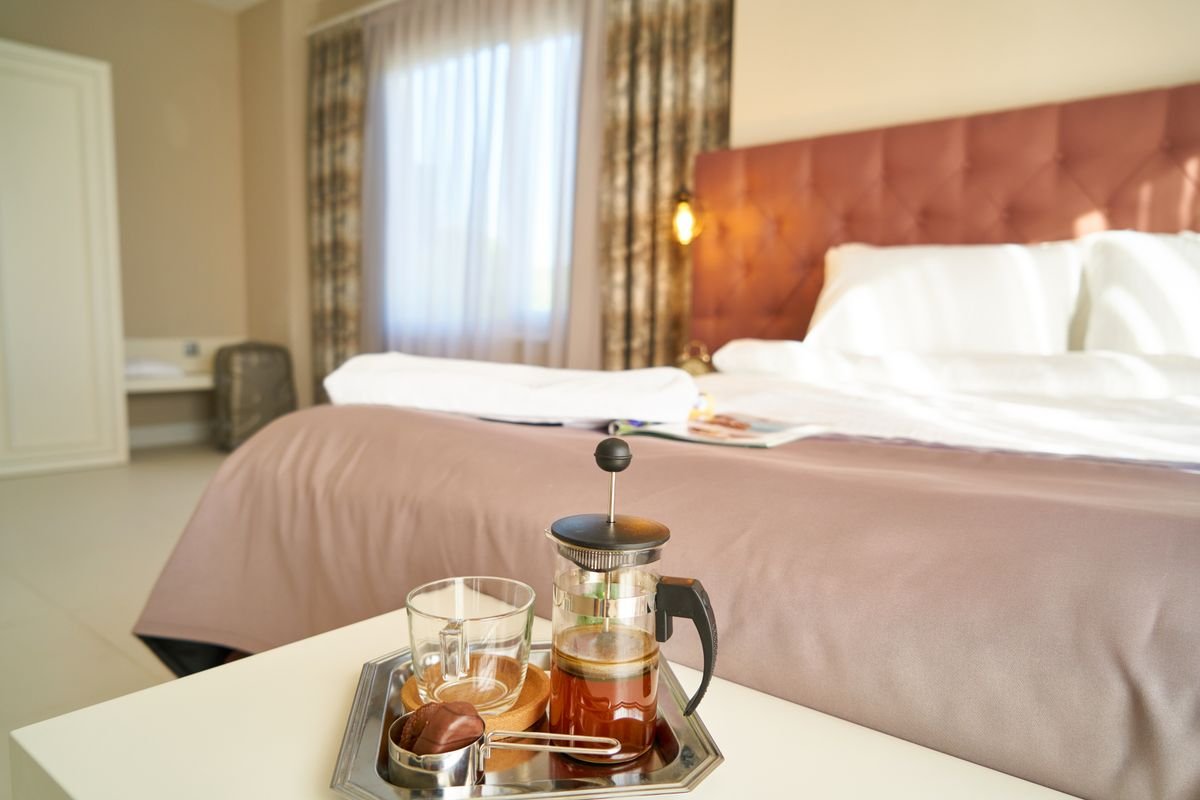
Accommodation across these towns runs from cheap and simple to properly grand, and most places have a bit of everything. Here’s how the options break down.
The B&B and guesthouse is the classic Irish stay, and the small towns are full of them. You get a room, a big cooked breakfast, and an owner who’ll tell you where to eat and which road to drive. In villages like Doolin, Ardara, and Dunmore East, this is your best-value option and usually the most fun.
The bigger towns have hotels and self-catering cottages. Kinsale, Dingle, Cobh, and Portrush all have a decent spread of mid-range hotels, and a rented cottage works well if you’re staying a few nights or traveling as a group.
At the top end are the castle hotels. Ashford Castle at Cong, Castle Leslie at Glaslough, and Adare Manor are all real estates you can book a room in. They’re a splurge, but if you’re going to do one big night in Ireland, these are the places to do it.
If you’re doing a road trip, campsites and campervan stops are dotted along the coast. We paid €10 a night to camp in a field behind a pub, and stayed at proper parks like Nagle’s in Doolin and Clifden Eco Beach out west.
Whatever you pick, book the popular towns ahead in summer. Rooms in Dingle and Kinsale go fast in July and August.
Where to Stay in Kinsale
In short
- 14 small towns spread from the Cork coast up to the Antrim shore, roughly grouped so you can string a few into one route.
- Adare, Kinsale, and Cobh are the usual picks for looks; Doolin, Dingle, and Ardara are the ones for trad music.
- A rental car reaches most of them, though Cobh, Dalkey, and Portrush are doable by train.
- Pick one region and give it four to seven days rather than trying to see all 14 in a single trip.
Frequently Asked Questions
What is the prettiest small town in Ireland?
Adare in County Limerick gets the title most often, thanks to its row of thatched cottages running through the center of the village. Kinsale and Cobh in Cork are close behind for their painted, colorful houses. Our own favorite was Clifden out in Connemara, more for the setting under the Twelve Bens than the town itself.
How many days do you need to see these towns?
You won’t do all 14 in one trip, and you shouldn’t try. Pick a region and give it four to seven days. A week down south covers Kinsale, Cobh, Allihies, and Dingle at a reasonable pace, with time to actually stop and walk each one.
Do you need a car to visit them?
For most of them, yes. Cobh, Dalkey, and Portrush are reachable by train, but the rest sit on coast roads and peninsulas with little public transport. A rental car is what makes a trip through these towns work.
Which towns are best for trad music?
Doolin in Clare and Dingle in Kerry are the two heavy hitters, with nightly sessions in the pubs. Ardara up in Donegal is a strong third and far less touristy.
Turn These Towns Into an Irish Road Trip
- Wild Atlantic Way 5 Day Itinerary: Kinsale to Doolin
- Wild Atlantic Way Itinerary – Ireland’s Most Epic Road Trip
- A Photographer’s Definitive Ireland Road Trip
Final Thoughts
The mistake first-timers make is trying to see all of Ireland in one trip. Don’t. Pick a region, choose three or four of these towns, and drive a loop that connects them.
If it’s your first time, the south coast is the easy win: Kinsale, Cobh, and Dingle, with a night in each and the food and music that comes with them. If you want fewer crowds, head to Donegal for Ardara or the Beara for Allihies.
The best days we had in Ireland were in the small towns, not the cities. Give them time, walk them slowly, and stay for the pub at night. That’s where the trip actually happens.
Like it? Pin it!
Save this guide for later