
If you’re bringing a dog to Ireland, you picked a good country for it. Most of the dog friendly beaches Ireland has let dogs on year-round, and the few that restrict them only do it for a few summer months. We drove the coast for about two weeks on our last trip and stopped at plenty of these strands ourselves.
We did it by campervan, but a rental car does the exact same route and is the easier choice for a first trip. We went in shoulder season, so most of the sand was empty.
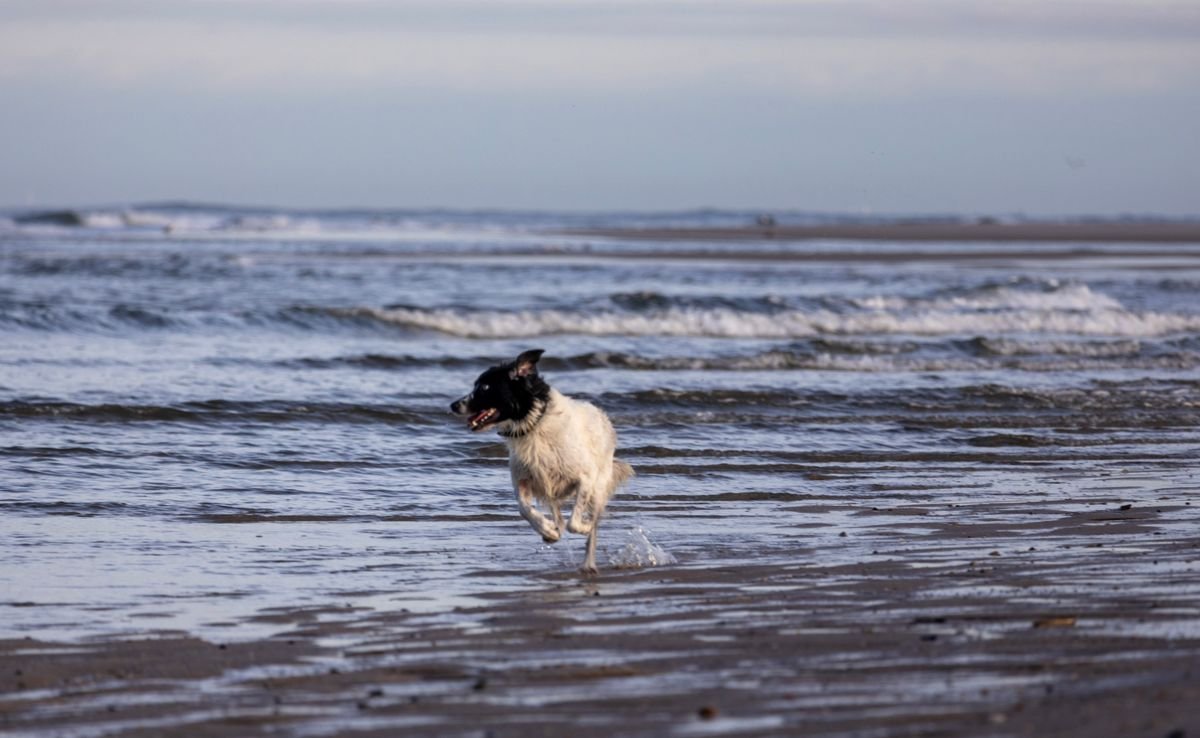
I swam at Clifden Eco Beach in Connemara in late autumn, so I can tell you exactly how wild and empty these strands get once the summer crowds clear out.
One thing worth saying up front: not every beach is open to dogs year-round, and the rules change by season and by county. So I’ll start with the beach rules you actually need to know, then the beaches themselves, the best time of year to go, some practical tips, and where to stay nearby.
Here’s the list, from the famous strands everyone knows to the less-visited ones we’d actually point you toward.
Quick Answer:
Most dog friendly beaches in Ireland allow dogs year-round, from Dog’s Bay near Roundstone to Inchydoney in Cork. The main exception is Blue Flag beaches, which keep dogs off the flagged bathing zone from 1 June to 15 September. Outside that window, and at the quiet ends of most beaches, dogs are welcome. Read the sign at the entrance.
More Irish Beach & Coast Guides
- The Best Beaches in Ireland: 20 Picks for Every Part of the Country
- Best Blue Flag Beaches in Ireland: 9 Top Swim Spots
- The Best Coastal Walks in Ireland: 10 Cliff & Sea Trails
- 6 Best Beaches Dublin Has To Offer
The Beach Rules Every Dog Owner Should Know
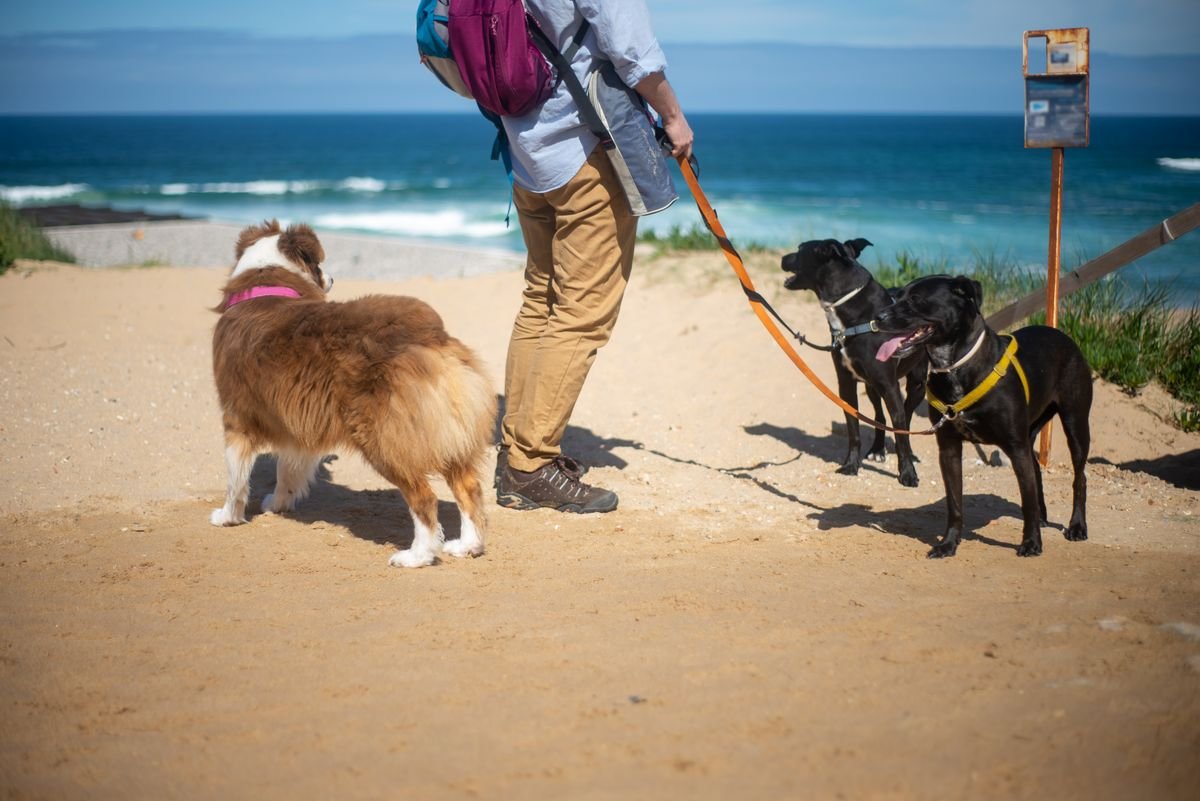
The rules are simpler than they sound, but they do change with the season. Most Irish strands let dogs on all year. The catch is the Blue Flag beaches, which restrict dogs during the summer bathing season and open right back up the rest of the year.
That bathing season runs roughly from the start of June to mid-September. Outside those months, even most of the restricted beaches will happily take a dog, which is a big reason we’d tell you to come in spring or autumn.
Leads, dunes, and wildlife
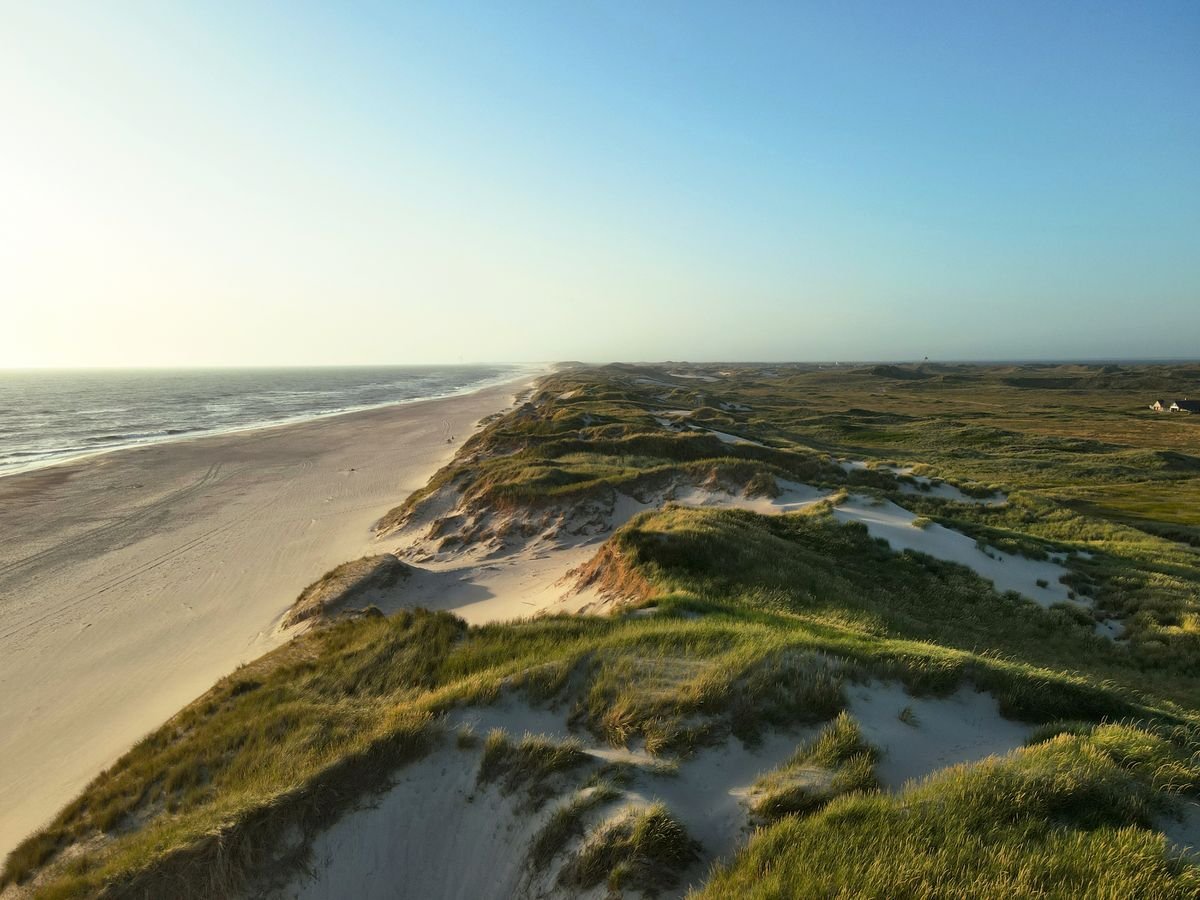
A lot of beaches ask you to keep dogs on a lead near the dunes and any nesting areas, and some post signs at the entrance saying exactly where the off-lead zone starts. Read the sign at the entrance before you let the dog run.
Sheep are the other thing to watch. Plenty of these coastal strands sit right next to grazing fields, so if there’s livestock anywhere near, keep the dog on the lead until you’re on open sand.
Clean up, and check the county
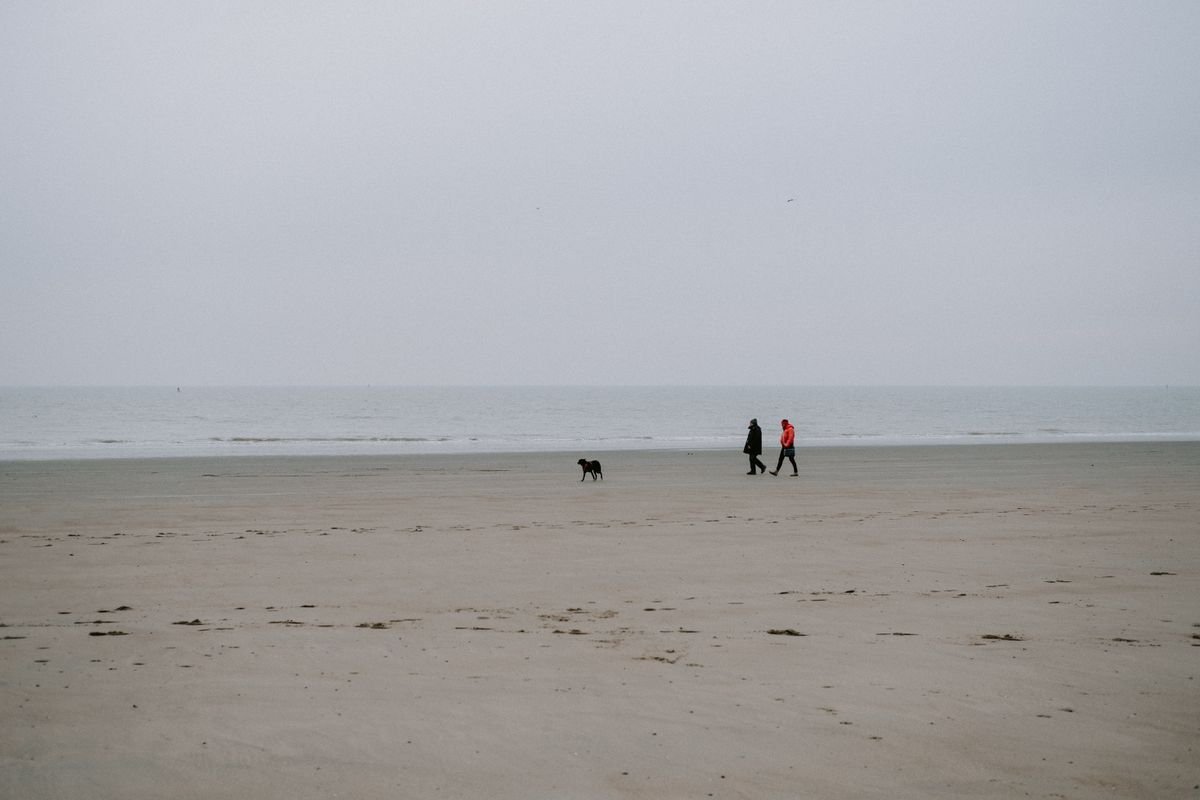
Cleaning up after your dog is the law here, not a suggestion, and the fines are real. Bring bags. Most beaches have bins at the entrance, but the remote ones we liked best often don’t, so you carry it out.
The rules are set by the local council, so they vary by county and even by individual beach. When in doubt, the sign at the beach entrance is the final word. If there’s no sign and no crowd, you’re almost always fine to let the dog off.
The Best Dog-Friendly Beaches in Ireland
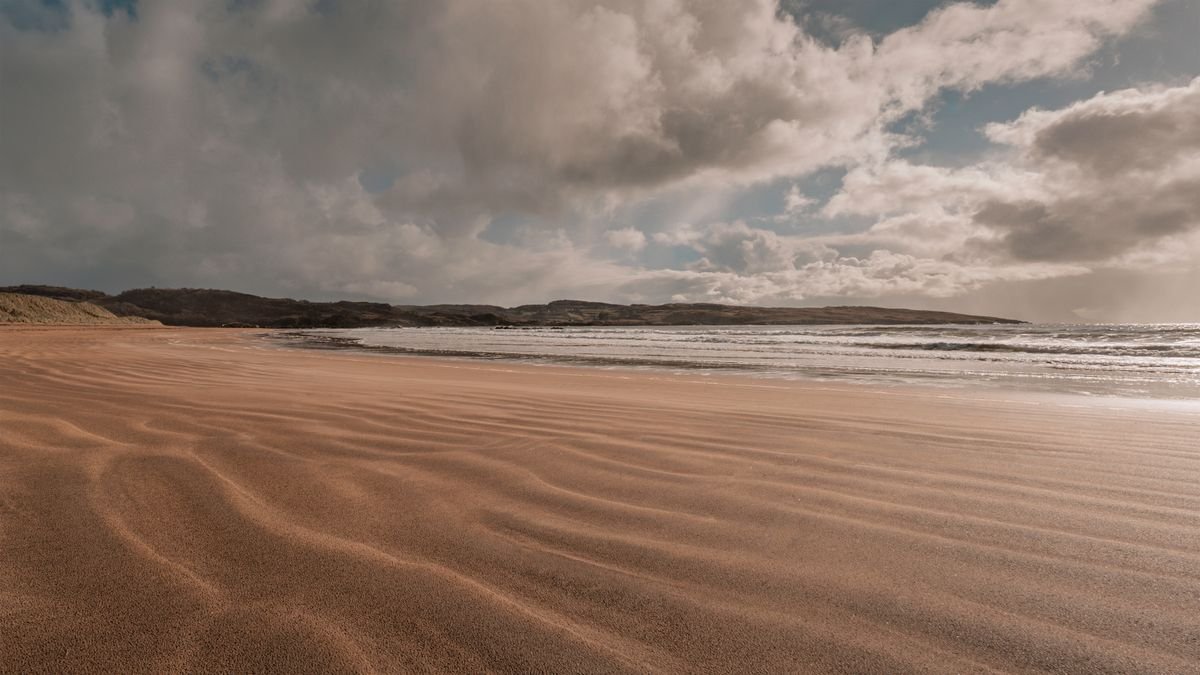
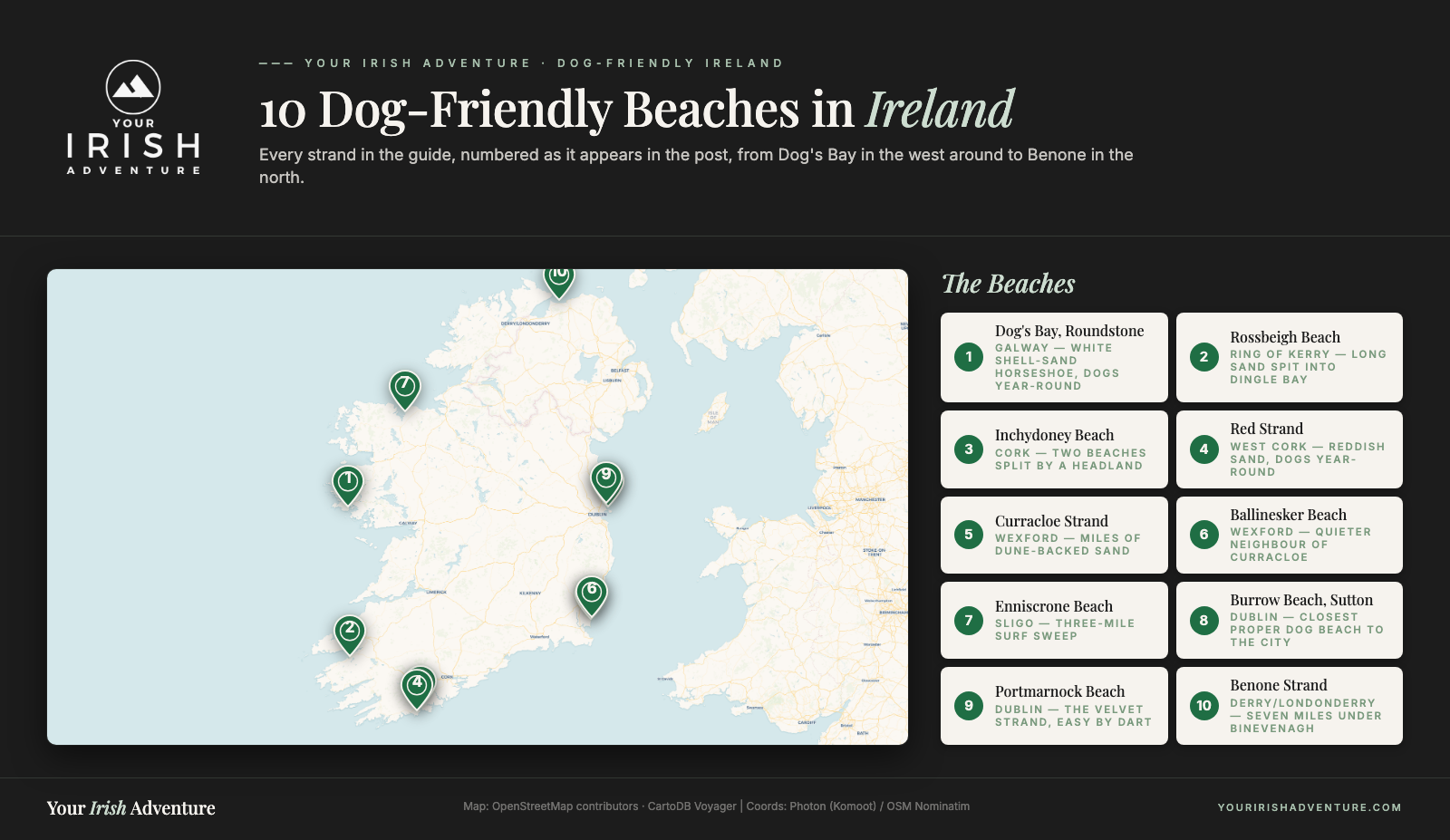
Here are the strands worth pointing your dog at, starting on the west coast and working around. A few we drove past ourselves on our last trip, and a few are on the list for next time.
Dog’s Bay, Roundstone, County Galway
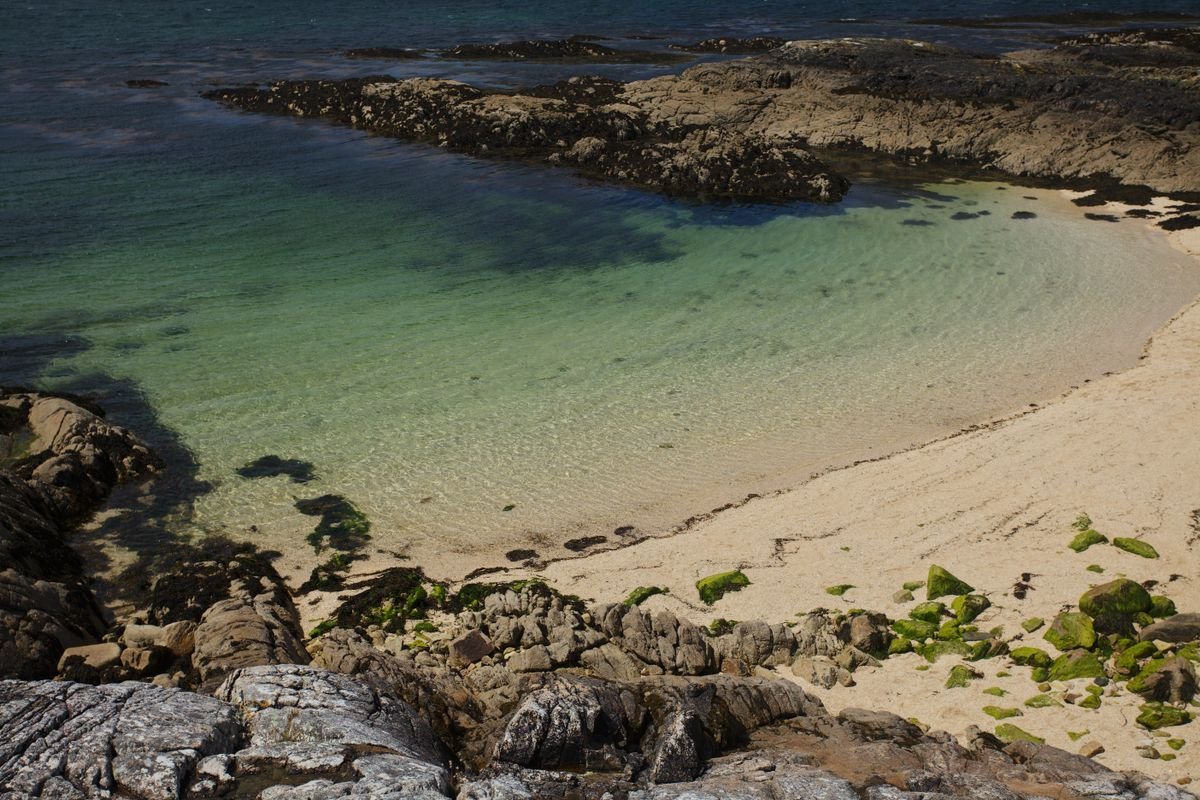
Dog’s Bay is a horseshoe of white shell sand near Roundstone, and dogs are welcome year-round. The sand is soft and pale because it’s made of tiny shell fragments rather than the usual grit, so it stays clean underfoot.
We drove the N59 through Connemara and Roundstone was on our list, but we ran out of daylight and pushed on to the coast instead. That one’s a regret, and it’s first on our list for next time.
Where to Stay Near Dog’s Bay, Roundstone
Rossbeigh Beach, Ring of Kerry
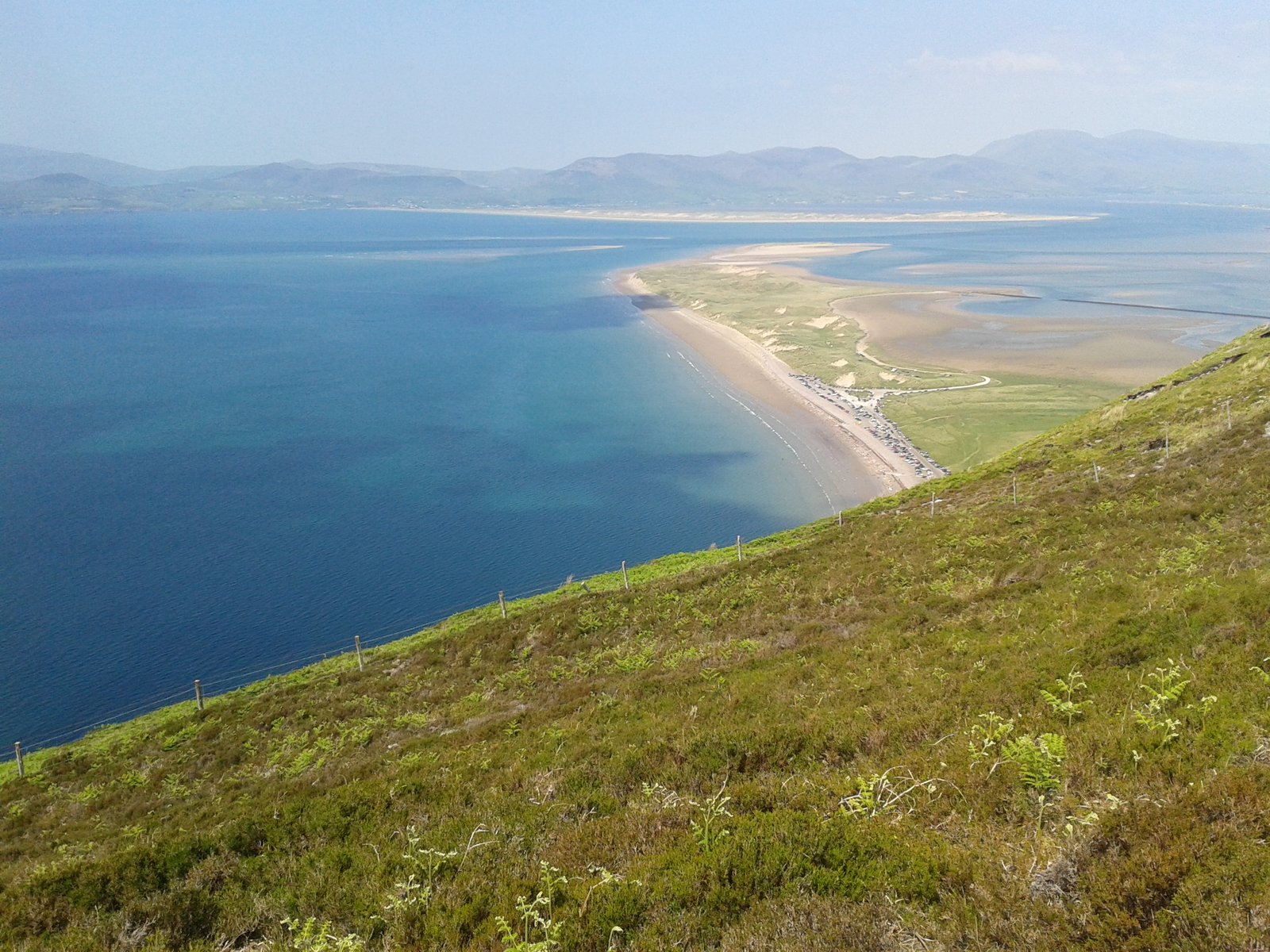
Rossbeigh is a long sand spit that runs out into Dingle Bay, and it’s one of the easier stops to reach on the Ring of Kerry. Dogs are allowed year-round on the far stretches away from the main bathing area.
We drove the Ring clockwise from Killarney in low cloud, and even under grey skies that coastline is worth the drive. A named storm was pushing in, so we didn’t linger. Give it more time than we did.
Inchydoney Beach, County Cork
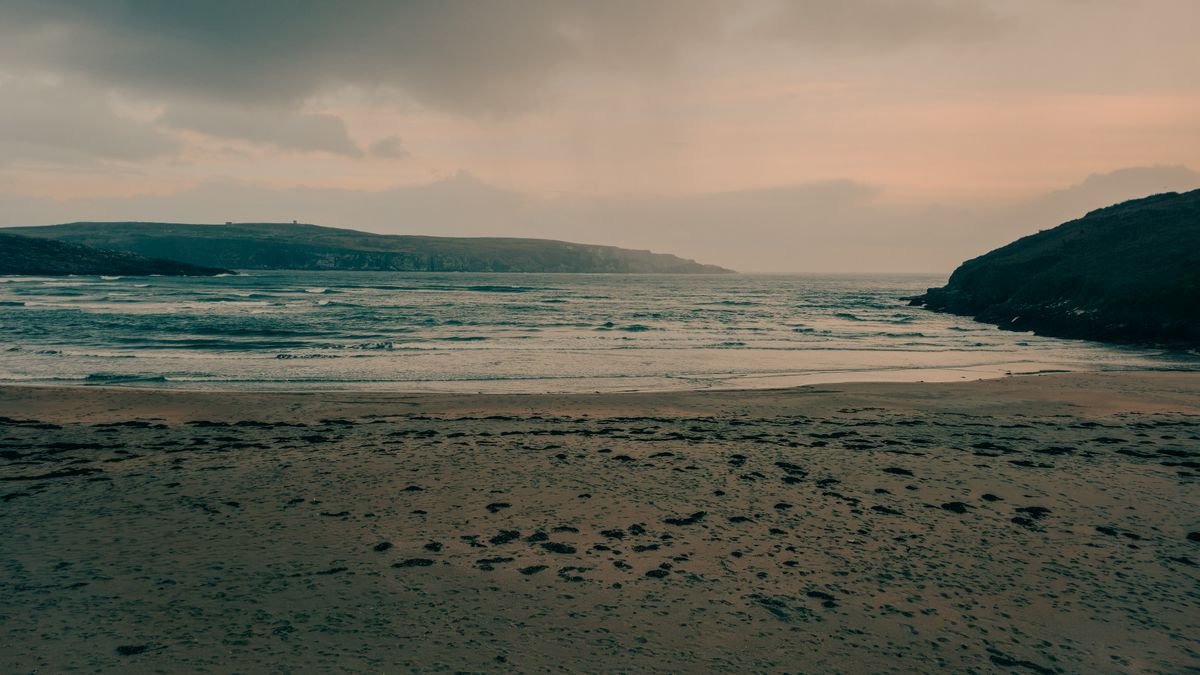
Inchydoney near Clonakilty is two wide sandy beaches split by a headland, and it’s a favorite for West Cork dog walkers. Dogs are welcome off-season, with the usual summer restriction on the Blue Flag stretch.
This is one part of Ireland we didn’t reach. The storm kept us up around Cobh and Cork city, so West Cork is still on the list.
Red Strand, County Cork
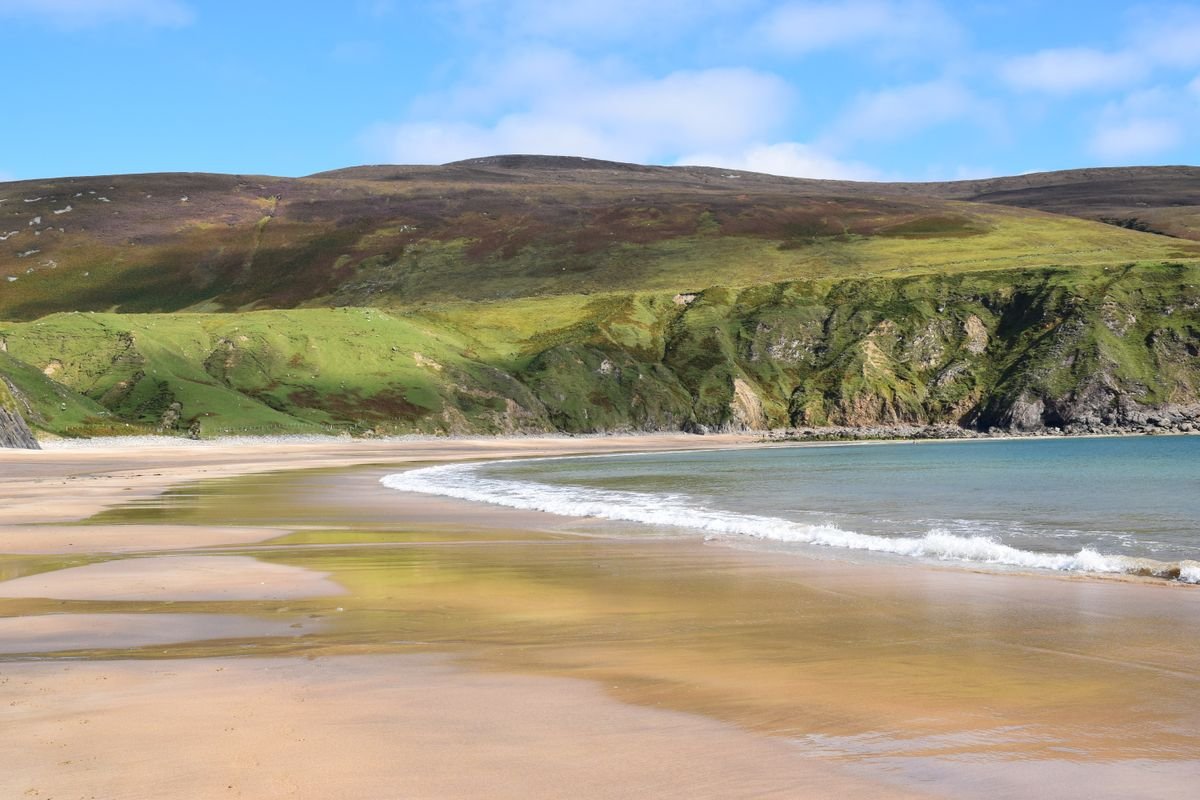
Red Strand sits along the same West Cork coast, named for the reddish sand that comes off the local cliffs. It’s quieter than Inchydoney and welcomes dogs year-round, which makes it a good pairing if you’re doing both in a day.
Curracloe Strand, near Wexford Town
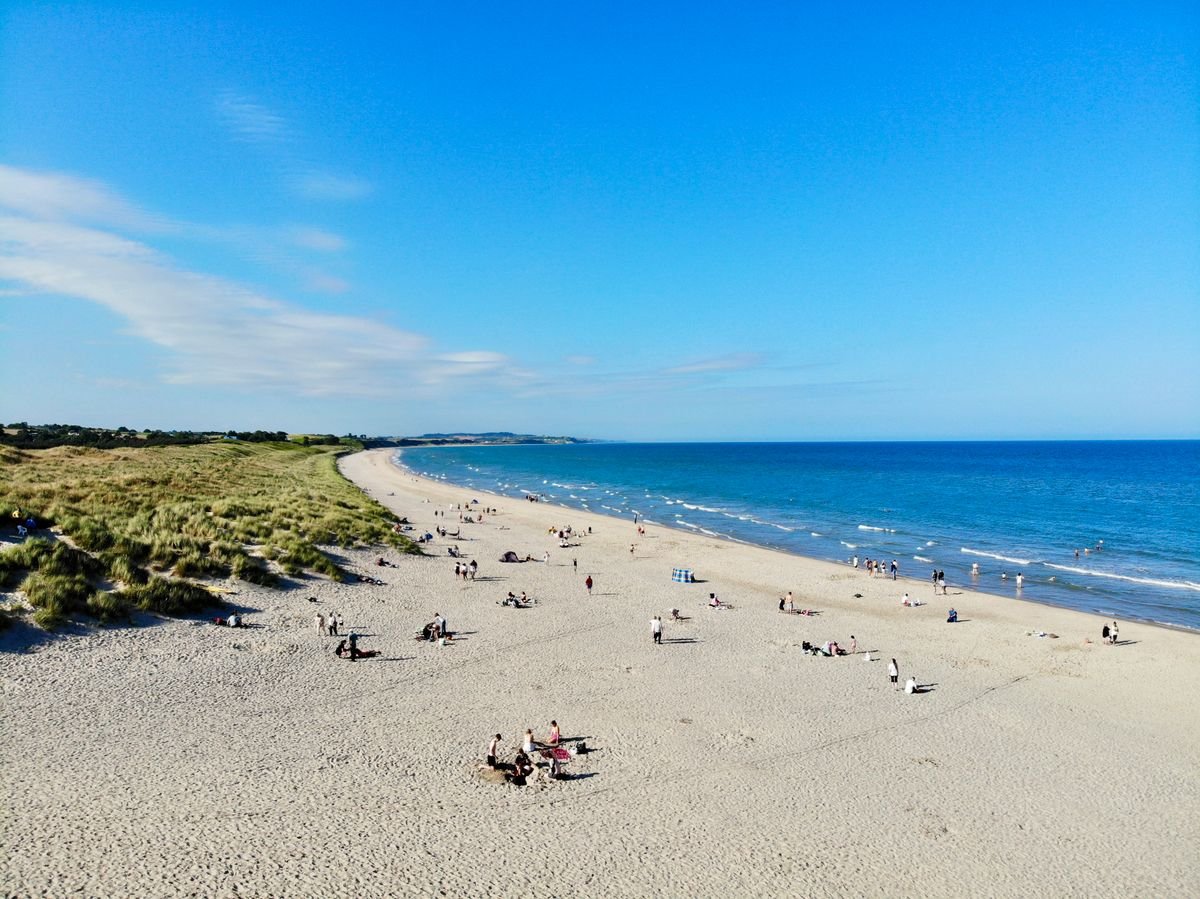
Curracloe is a long dune-backed beach on the southeast coast, and it’s the one that stood in for Normandy in the opening of Saving Private Ryan. There’s miles of sand, so a dog has plenty of room even in summer, with the seasonal restriction only on the marked bathing section.
Ballinesker Beach, County Wexford
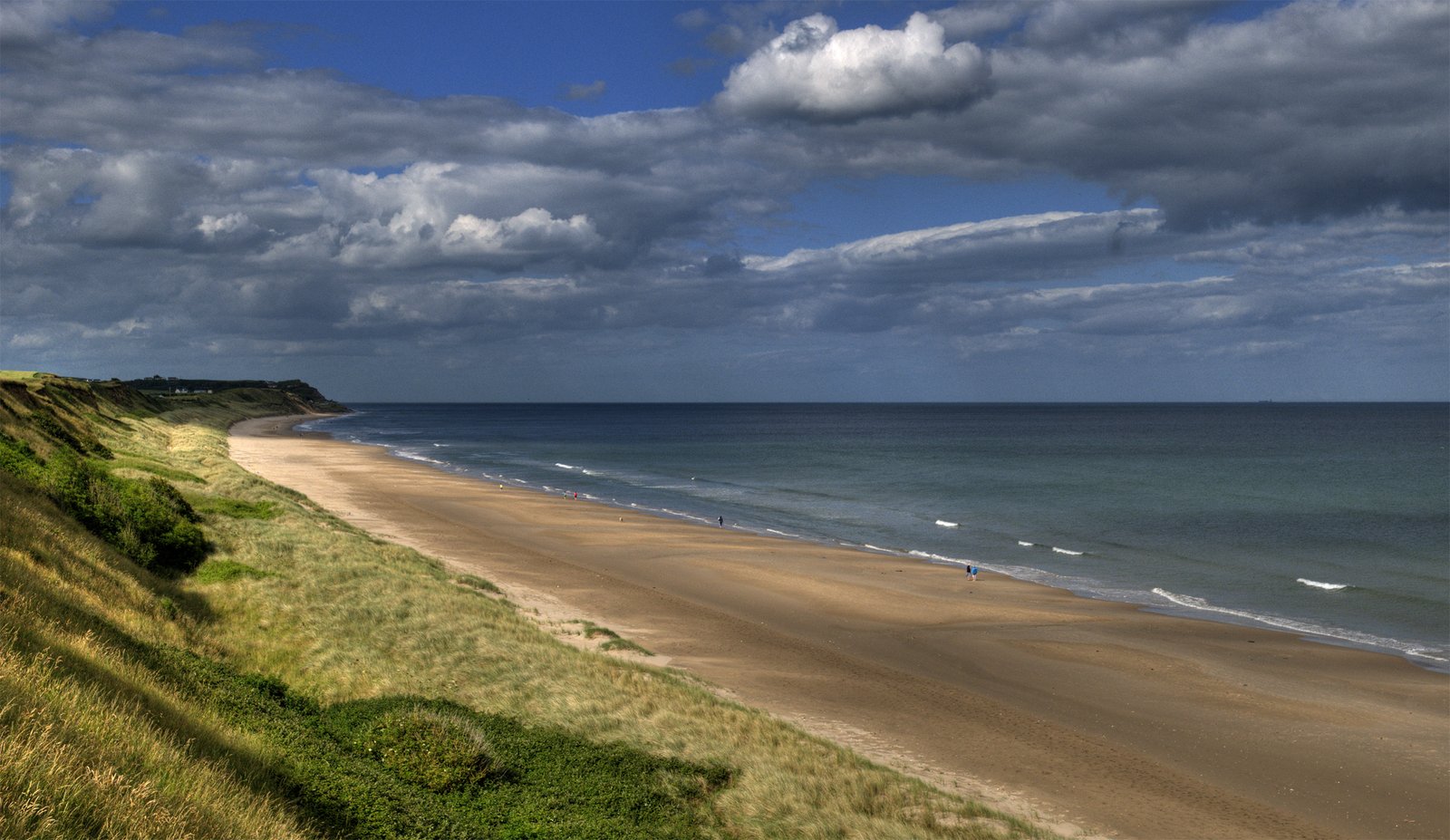
Ballinesker is the next strand along from Curracloe, and it saw film crews for the same movie. It’s less signposted and gets fewer walkers, so it’s an easy one to have mostly to yourself with the dog.
Enniscrone Beach, County Sligo

Enniscrone is a three-mile sweep of sand on the Sligo coast, backed by dunes and popular with surfers. Dogs are allowed year-round outside the bathing zone, and the length of it means there’s always empty sand to walk.
Where to Stay Near Enniscrone Beach
Burrow Beach, Sutton, County Dublin
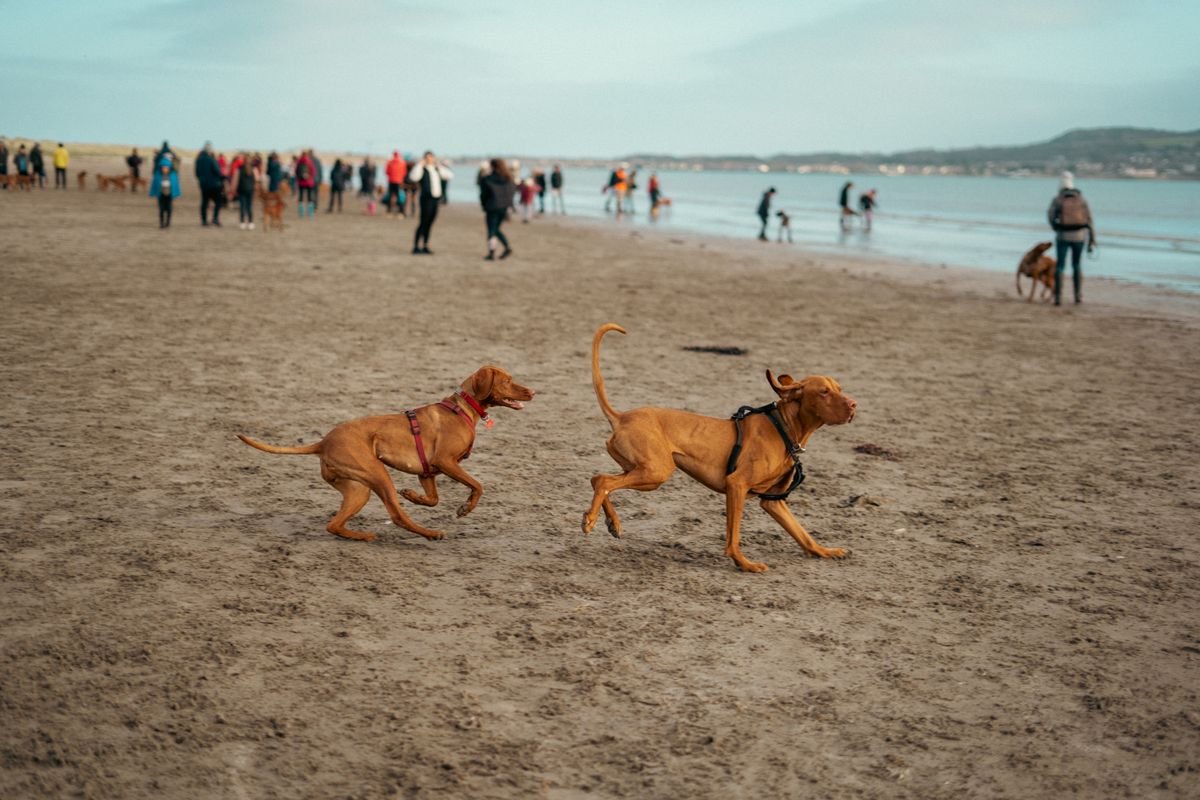
If you’re based in Dublin, Burrow Beach at Sutton is the closest proper dog beach to the city, tucked below Howth. It’s a short sandy strand with views across to Howth Head, and it’s a regular for city dog owners year-round.
Portmarnock Beach, County Dublin
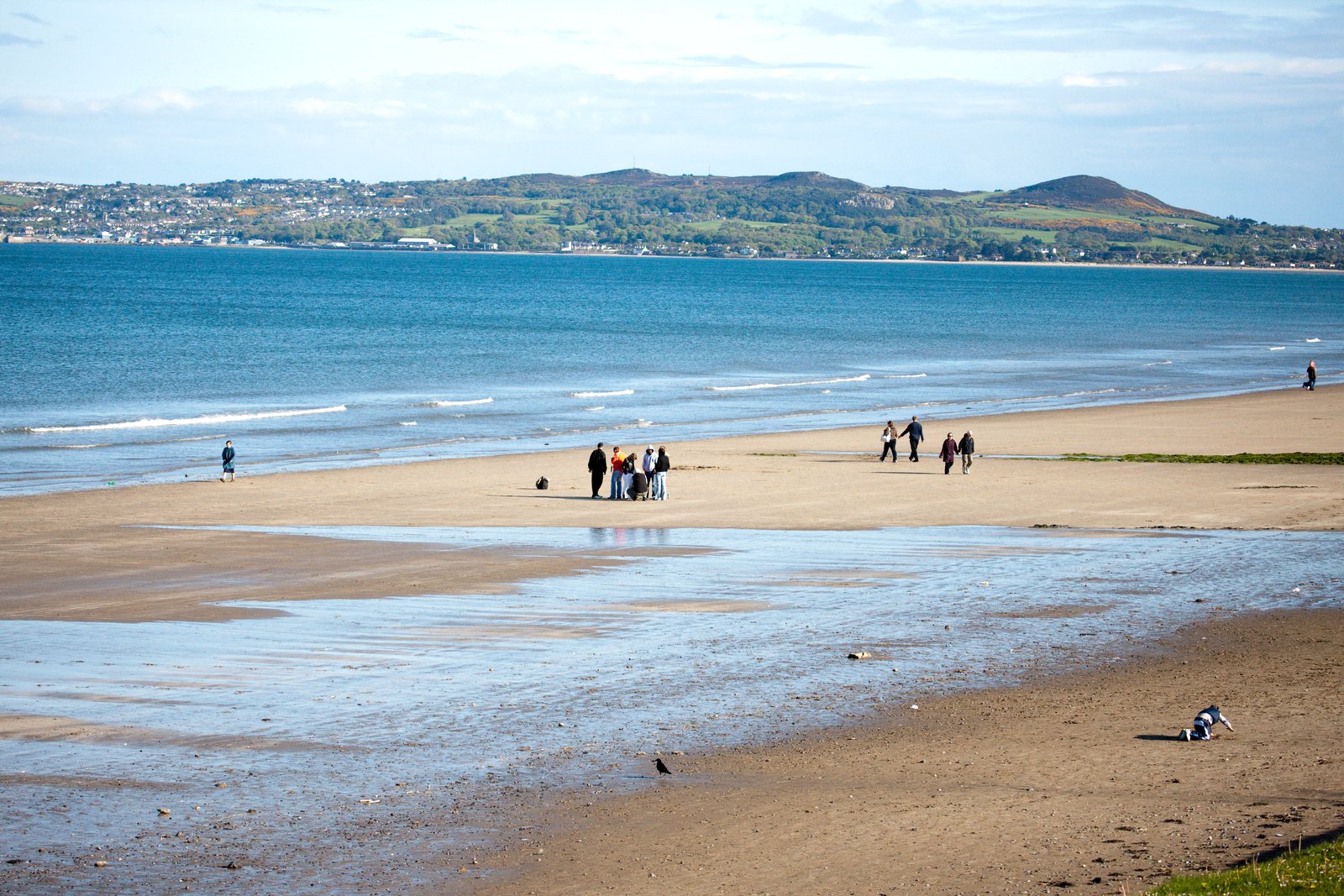
A little further up the coast, Portmarnock’s Velvet Strand is a long flat beach that’s easy to reach from the city by car or the DART. Dogs are welcome off-season, and the seasonal summer rule applies to the Blue Flag part only.
Benone Strand, County Londonderry
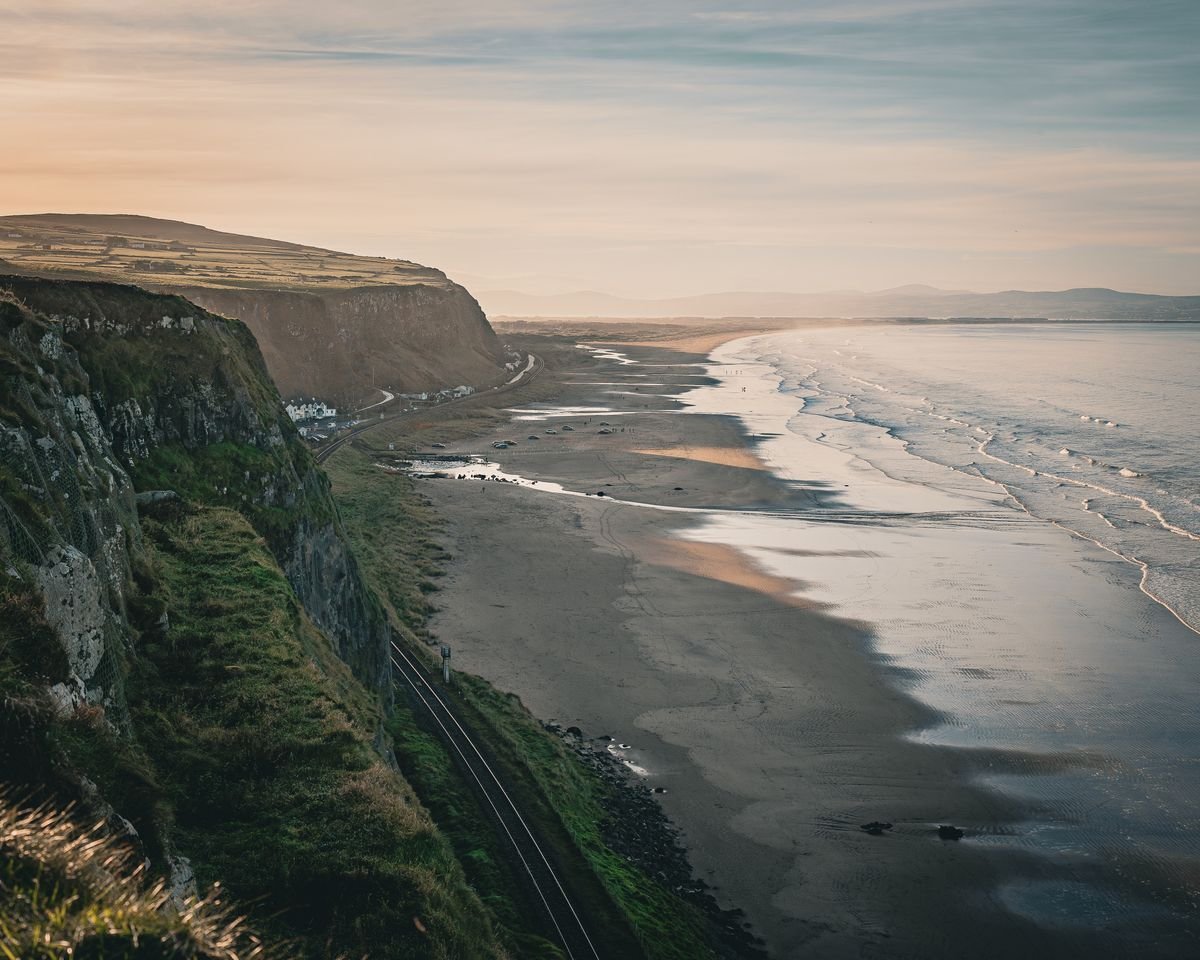
Up in the north, Benone is one of the longest beaches in Ireland, a seven-mile stretch under the cliffs of Binevenagh. You can drive right onto the sand in places, and dogs are allowed year-round away from the small marked bathing area.
Best Time to Take Your Dog to the Beach

Spring and autumn are the sweet spot, and it’s not close. Come outside the June to mid-September bathing season and even the restricted Blue Flag strands open up to dogs, so you’re not stuck working around the rules on the best beaches.
You also get the sand mostly to yourself. We drove the coast in autumn and walked onto strand after strand with nobody else on them, which is exactly what you want with a dog that likes to run.

Summer has its upsides. The water is a touch warmer and the days are long, so if that’s when you can travel, plenty of beaches take dogs year-round anyway. Just steer toward those and away from the busy Blue Flag ones between June and mid-September.
Watch the tide, not just the season

The other timing that actually matters is the tide. Low tide opens up huge flat runs of hard sand on these strands, and high tide can leave you a narrow strip against the dunes. Check a tide table for the day before you drive out.
Weather is the wildcard on the Irish coast, and it’s a logistics problem more than anything. A big Atlantic front can turn a beach day into a stay-in-the-van day, so keep your plans loose and have a backup strand or two in mind.
Where to Stay Around Ireland
- Where to Stay in County Cork: Cork City vs West Cork
- Where To Stay in Killarney: Best Areas and Accommodations
- Where to Stay in Westport: Best Hotels & Accommodation
- Where to Stay in Belfast: Best Areas & Hotels
Practical Tips for a Dog Beach Day in Ireland
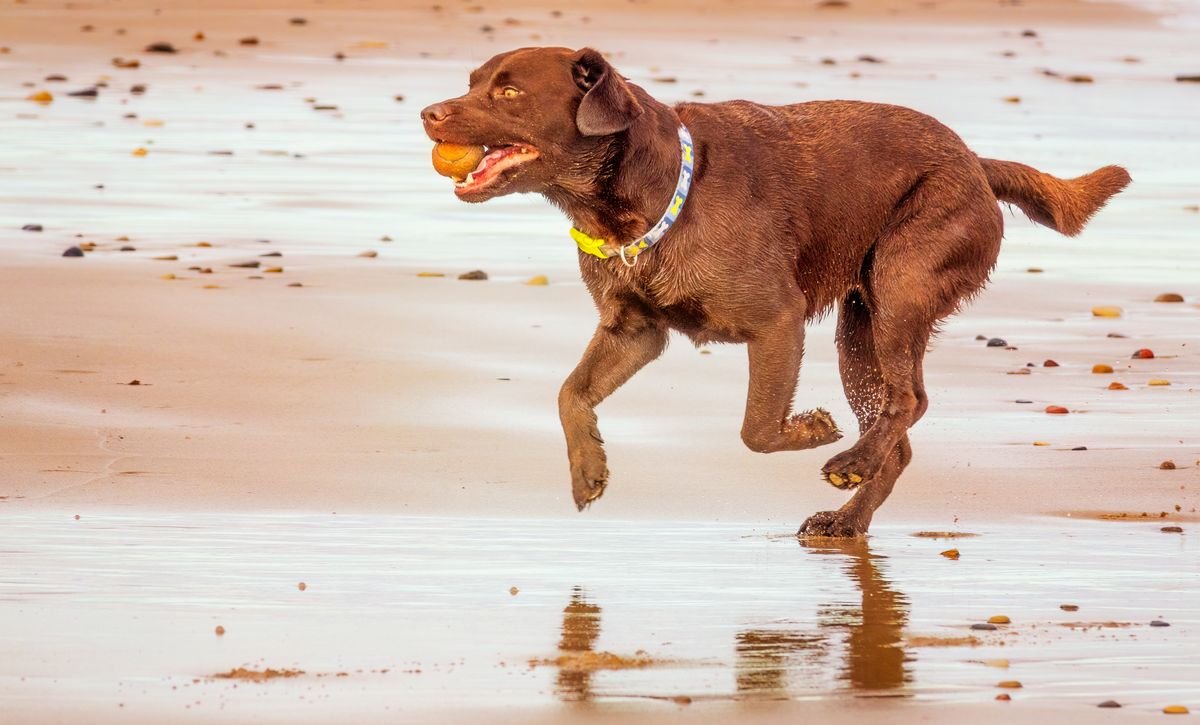
The beaches are easy. It’s everything around the beach day that people forget to plan for, so here’s what we learned dragging a van up and down the coast for two weeks.
Bring fresh water and a bowl. A dog that’s been running on wet sand will drink from a rock pool if you let it, and seawater does no dog any good. A cheap collapsible bowl and a bottle in the bag sorts it.
Deal with the wet, sandy dog before it gets in the car
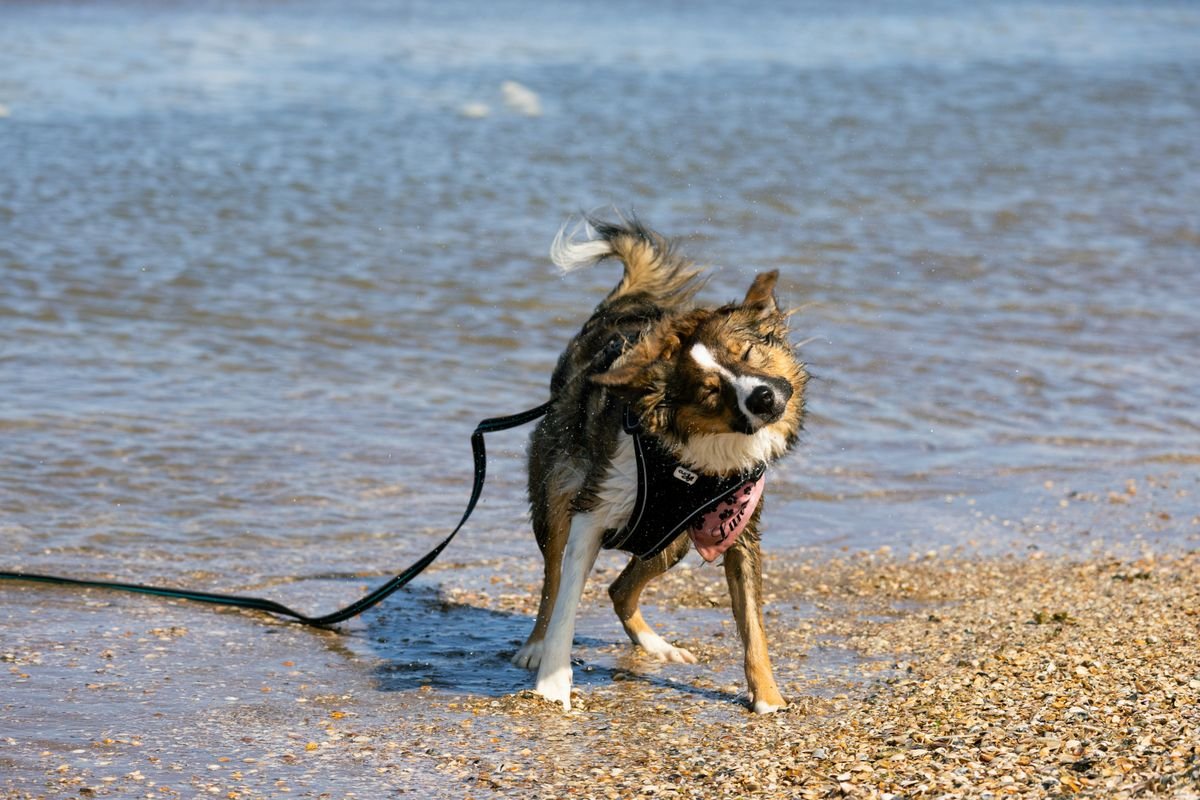
A soaked dog full of Atlantic sand is going to end up in your vehicle one way or another. We were in a campervan, so a big towel by the sliding door and a quick rub-down before the dog jumped in saved us from living in grit for the rest of the trip.
If you’re in a rental car, this matters even more. Some rental companies charge for cleaning or excess hair, so throw a seat cover or an old blanket over the back seat and check your agreement before you pick up the keys. If you haven’t sorted a car yet, you can compare rental car deals on Discover Cars to reach the remote strands.
Ireland is good for a dog afterward
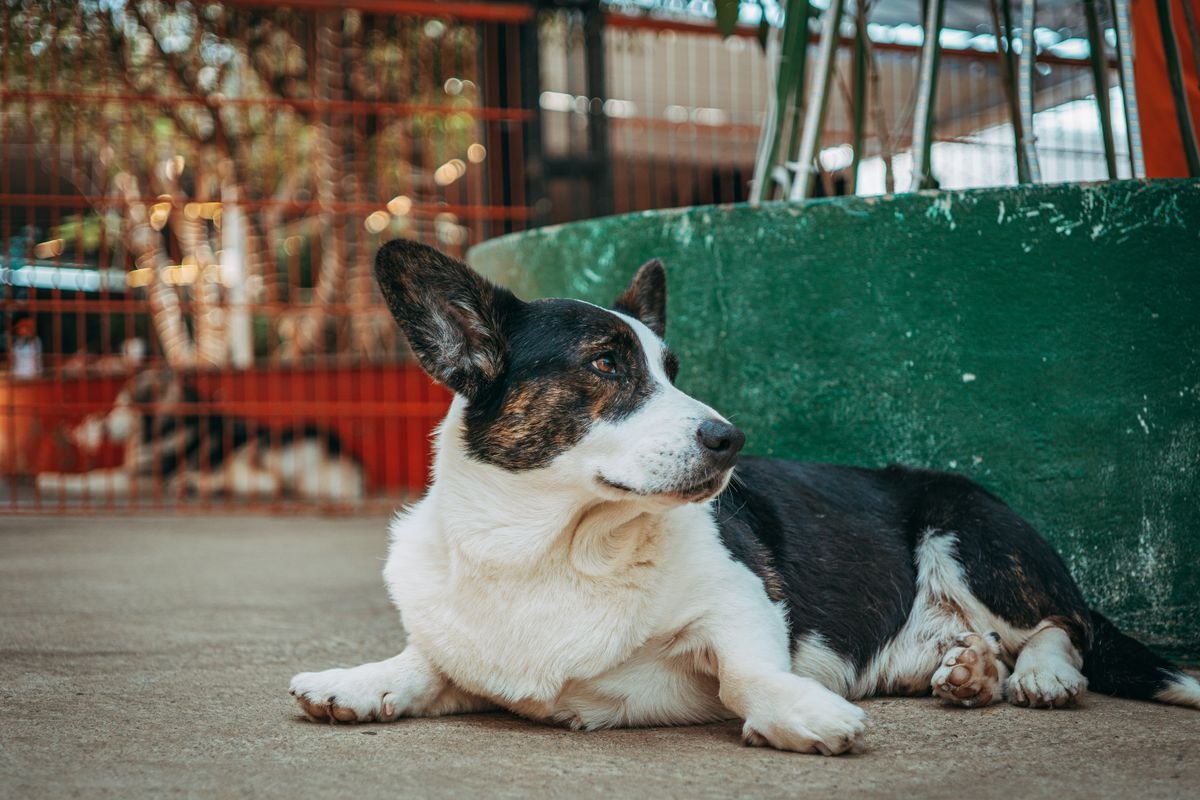
The nice part is what comes after the walk. A lot of Irish pubs are happy to have a well-behaved dog by the fire, especially the small rural ones near the coast. Ask at the bar first, but you’ll rarely get a no.
Pack for cold even in shoulder season. I swam in the Atlantic in late autumn and it was fine for a quick dip, but the wind afterward is what gets you, so bring a warm layer for yourself and dry off the dog properly before you both get cold.
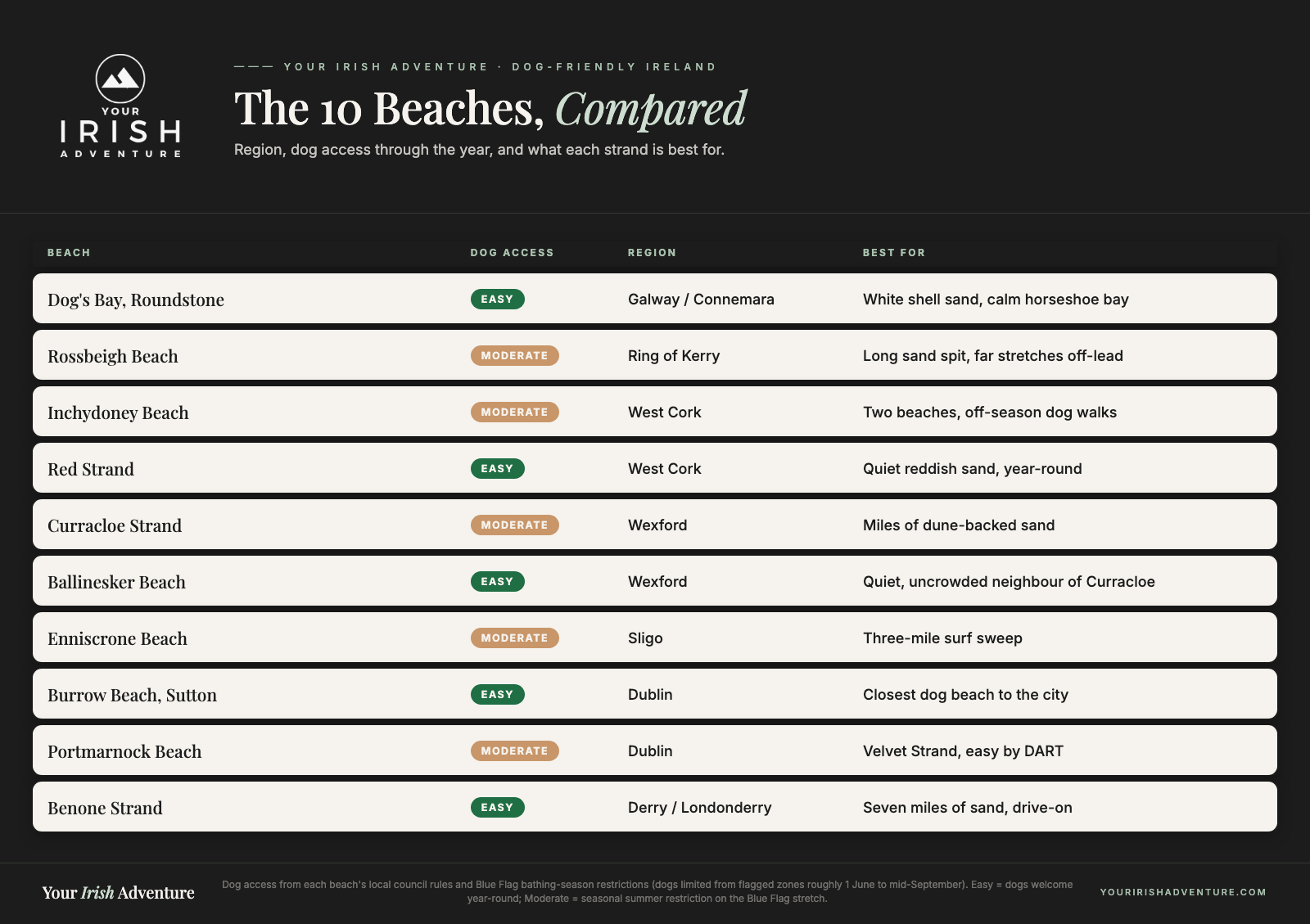
Last one: keep the dog in sight near the water. These west coast strands can have a strong pull on an outgoing tide, and a dog chasing a ball into the surf doesn’t read the sea the way you do.
Where to Stay Near Ireland’s Dog-Friendly Beaches
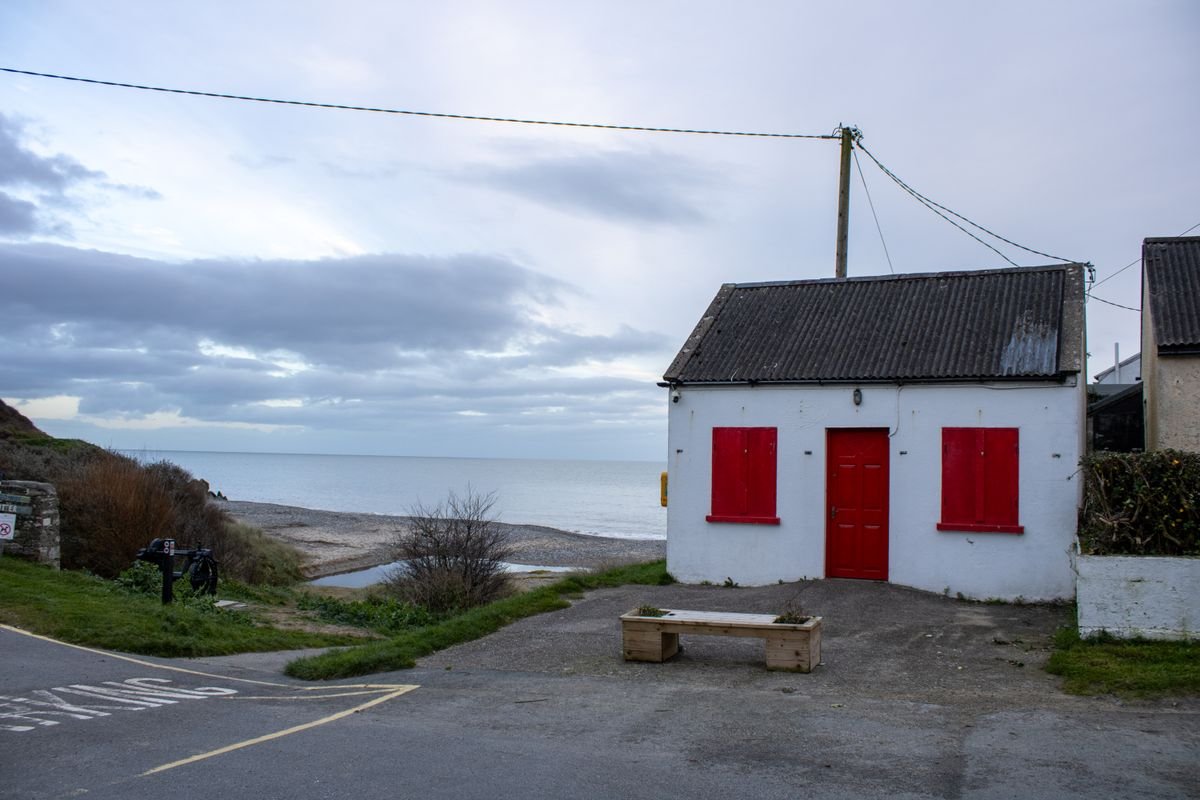
Finding a dog-friendly bed in Ireland is easier than you’d think. Loads of B&Bs, self-catering cottages, and campsites take dogs, especially out along the coast where half the guests turn up with one anyway. It’s worth browsing dog-friendly stays on Booking.com and filtering for the coast. The trick is just to say so when you book, and ask whether they add a nightly fee for the dog.
If you’re camping or in a van, the coastal parks are the move. We stayed at Clifden Eco Beach in Connemara with the van parked facing the Atlantic, and a dog would have been welcome to run straight out onto the sand. It’s a short walk to open water, which is exactly what you want after a long driving day.
Base yourself in a town, not just at the beach
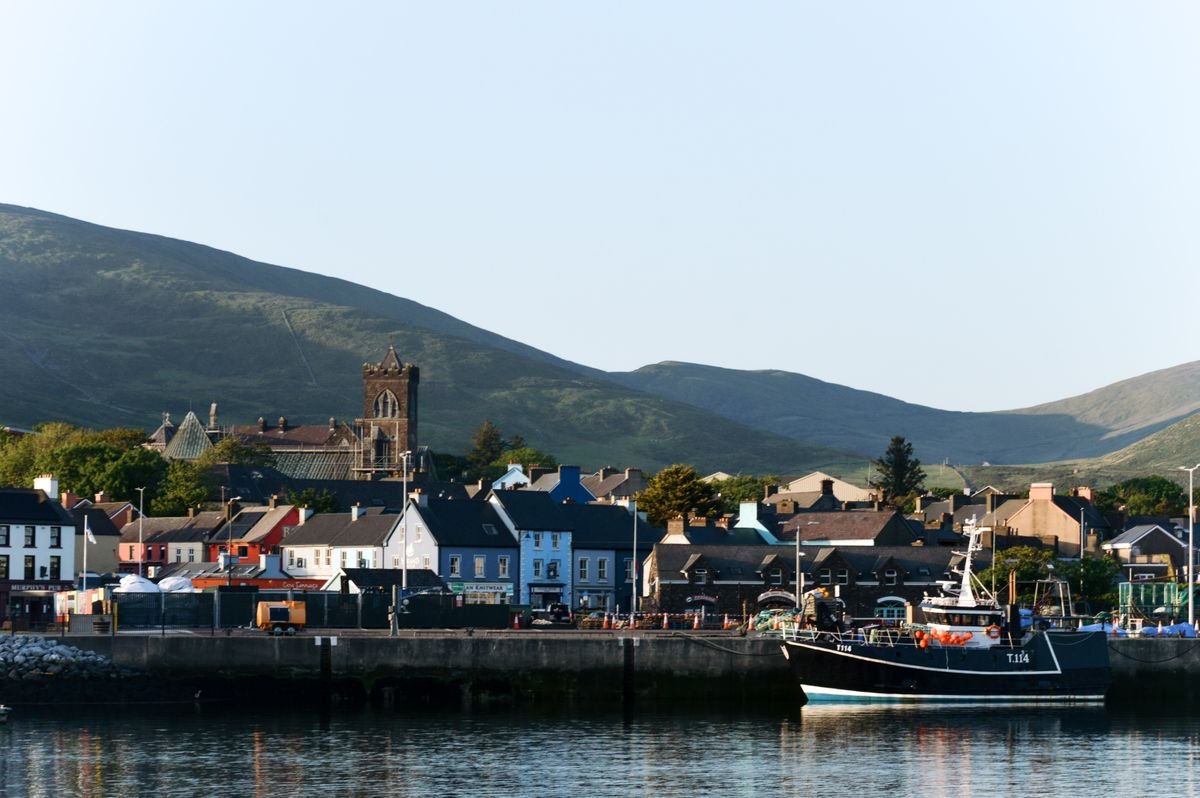
For Galway and the western strands, we based ourselves at O’Hallorans Caravan Park in Salthill, just outside the city. Salthill has its own promenade walk and easy access to the beaches west of town, and you can taxi into the city for the night without a big vehicle to park.
Roundstone makes a good base for Dog’s Bay, and there are B&Bs and cottages in the village within a couple of minutes of the sand. Book ahead in summer, because the small places fill up fast on that stretch of coast.
Dublin and the east coast

If you’re doing the Dublin beaches, plenty of city hotels take dogs, though not all, so check first. We stayed at Fitzsimons in Temple Bar, which is great for a first night in the city but louder than a dog might like. For Burrow or Portmarnock, a place out toward Howth or Malahide puts you closer to the sand and away from the noise.
Wherever you land, the two things worth confirming when you book are whether dogs are allowed in the room unattended and whether there’s an extra cleaning fee. Sort those two before you arrive and the rest of a dog trip in Ireland is easy.
Plan the Coastal Road Trip Around These Beaches
- Wild Atlantic Way Itinerary – Ireland’s Most Epic Road Trip
- A Photographer’s Definitive Ireland Road Trip
- 21 Unique Things To Do in Kerry, Ireland – The Kingdom County
- Howth Cliff Walk: Complete Howth Hiking Guide
In short
- Most Irish beaches allow dogs year-round; only Blue Flag beaches restrict them in summer.
- Blue Flag dog ban runs 1 June to 15 September, roughly 11am to 7pm.
- Dog’s Bay near Roundstone is the top pick: white shell sand, calm horseshoe bay.
- Benone Strand in the north gives seven miles of open sand to run.
- Bring water, waste bags, a towel and a long lead, and check the county signage.
Frequently Asked Questions
Quick answers to the questions dog owners ask most before a trip to the dog friendly beaches in Ireland, from leads to Blue Flag rules to whether the pub will let the dog in.
Can dogs go on beaches in Ireland year-round?
On most Irish strands, yes. The only real restriction is Blue Flag beaches, which keep dogs off during the summer bathing season and then open right back up for the rest of the year. Come outside June to mid-September and you can walk a dog on almost any beach in the country.
Do I need to keep my dog on a lead?
The sign at the entrance is the final word, and it usually asks for a lead near the dunes and nesting areas but lets dogs run free on the open sand. The one time to clip the lead back on without thinking twice is if there is livestock in the fields behind the beach.
Are Blue Flag beaches dog-friendly?
Only part of the year. Blue Flag beaches restrict dogs on the marked bathing stretch from the start of June to mid-September, then welcome them the other nine months. Even in summer, the far ends of a long Blue Flag beach are often fine, so read the sign and walk away from the flagged section.
Which is the best dog-friendly beach in Ireland?
For a dog that likes to run, it is hard to beat Dog’s Bay near Roundstone. It is white shell sand, dogs are welcome year-round, and the horseshoe shape keeps the water calmer than the open Atlantic coast. Up north, Benone Strand gives you a full seven miles of sand instead.
Can my dog stay in the room with me?
Usually, but confirm it when you book. The two things worth checking are whether the dog is allowed in the room unattended and whether there is an extra cleaning fee per night. Plenty of coastal B&Bs and cottages take dogs, so you have options if one place says no.
Can I bring my dog into Irish pubs?
Often, yes, and this is one of the best parts of a dog trip here. It is the small rural pubs near the coast especially, where a well-behaved dog by the fire is a normal sight. Ask at the bar first, but you will rarely get turned away.
Final Thoughts
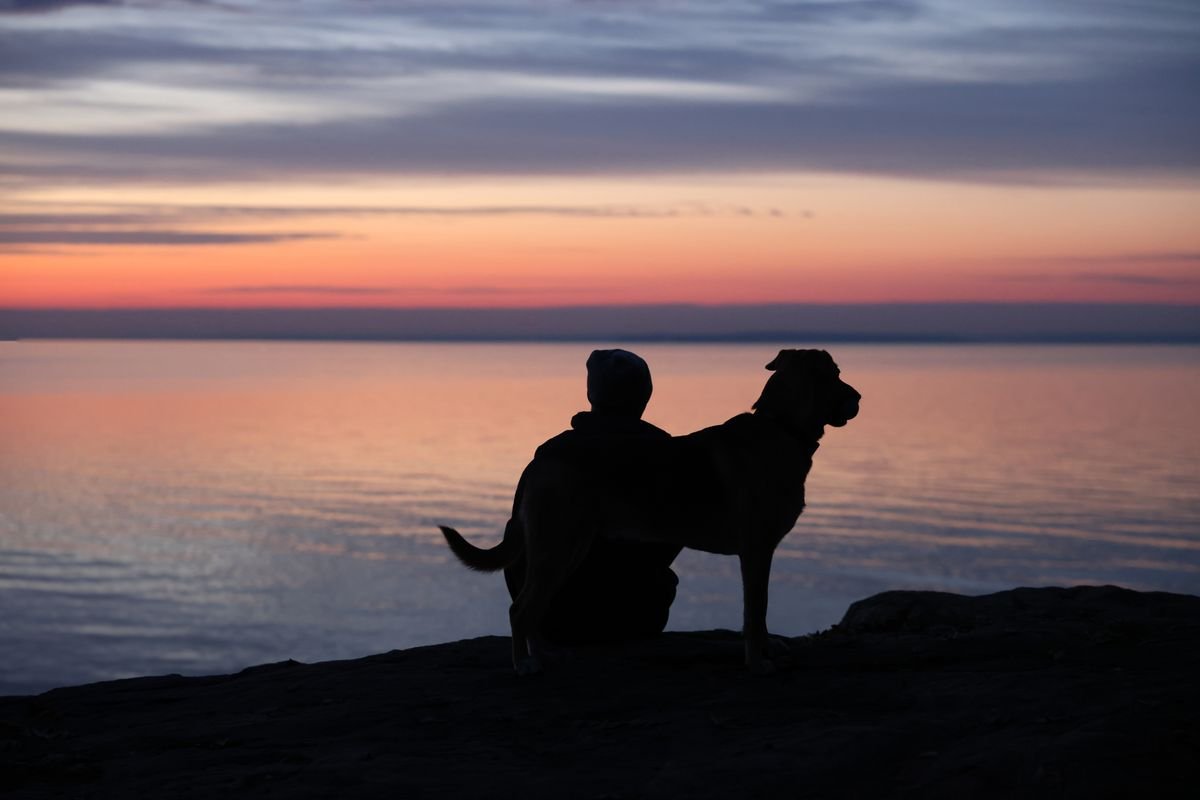
Ireland is one of the easiest countries there is to bring a dog to. Most strands take dogs year-round, the rules are posted right at the entrance, and the coast is one long run of empty sand once summer clears out.
If you can pick your window, come in spring or autumn. That’s when even the Blue Flag beaches open back up, the sand is mostly yours, and the whole trip stops being a puzzle of which beach allows what.
We drove this coast for two weeks and kept thinking the same thing at strand after strand: a dog would lose its mind out here in the best way. Dog’s Bay near Roundstone is the one we’d point you at first, with Benone in the north if you want sheer length.
Pack for cold, carry water and bags, read the sign, and keep the dog in sight near the surf. Do that and Ireland is about as good as a beach trip with a dog gets.
Like it? Pin it!
Save this guide for later