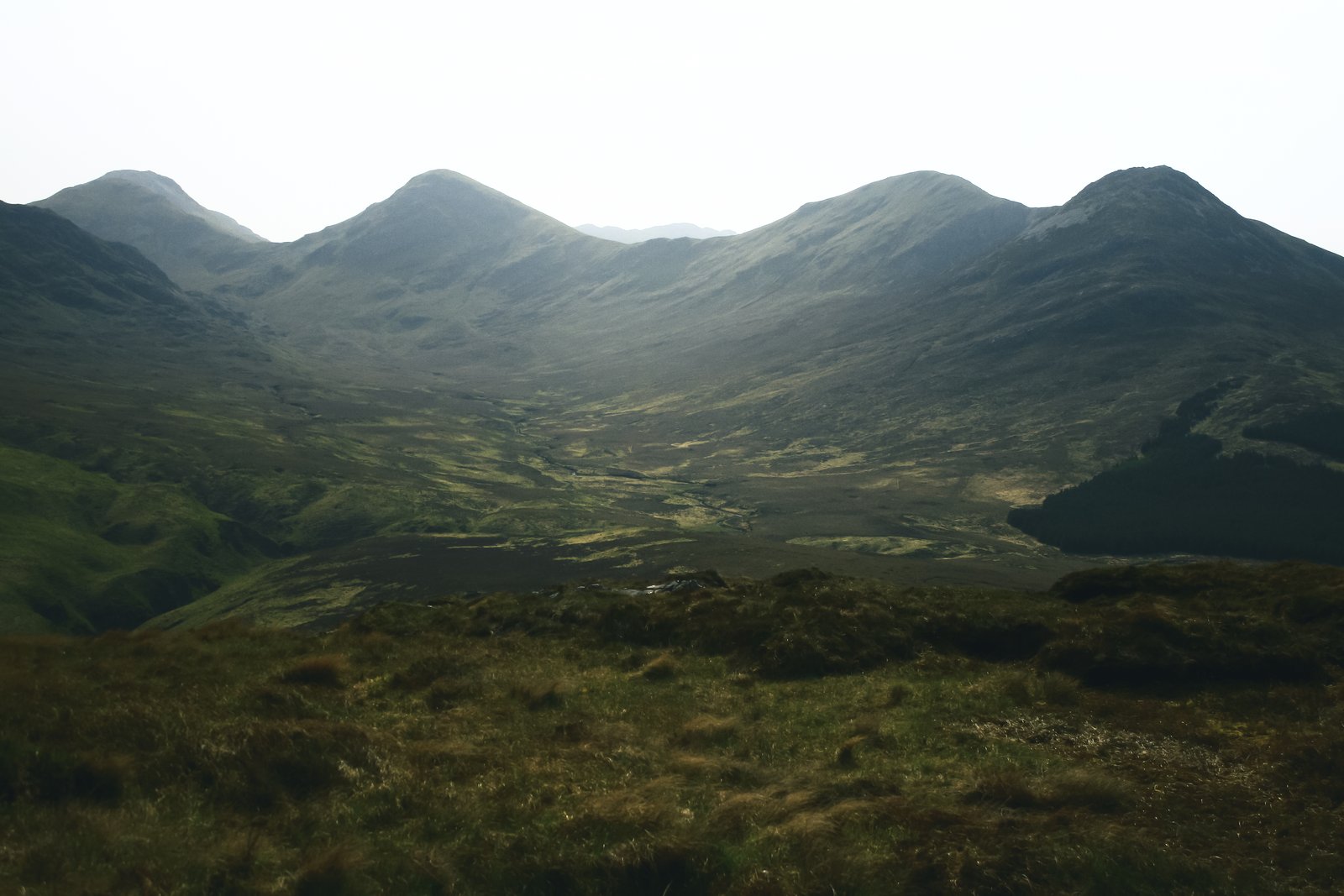
We spent about two weeks driving Ireland on our last trip, and a big chunk of it was chasing light. Some mornings that meant standing in the rain waiting for a cloud to move. Other times it meant pulling the van over on the N59 in Connemara because the Twelve Bens had just come into view and we couldn’t not stop.
Ireland is one of the most photogenic countries in Europe, and you don’t need a fancy camera to prove it. A phone and decent timing will do most of the work.
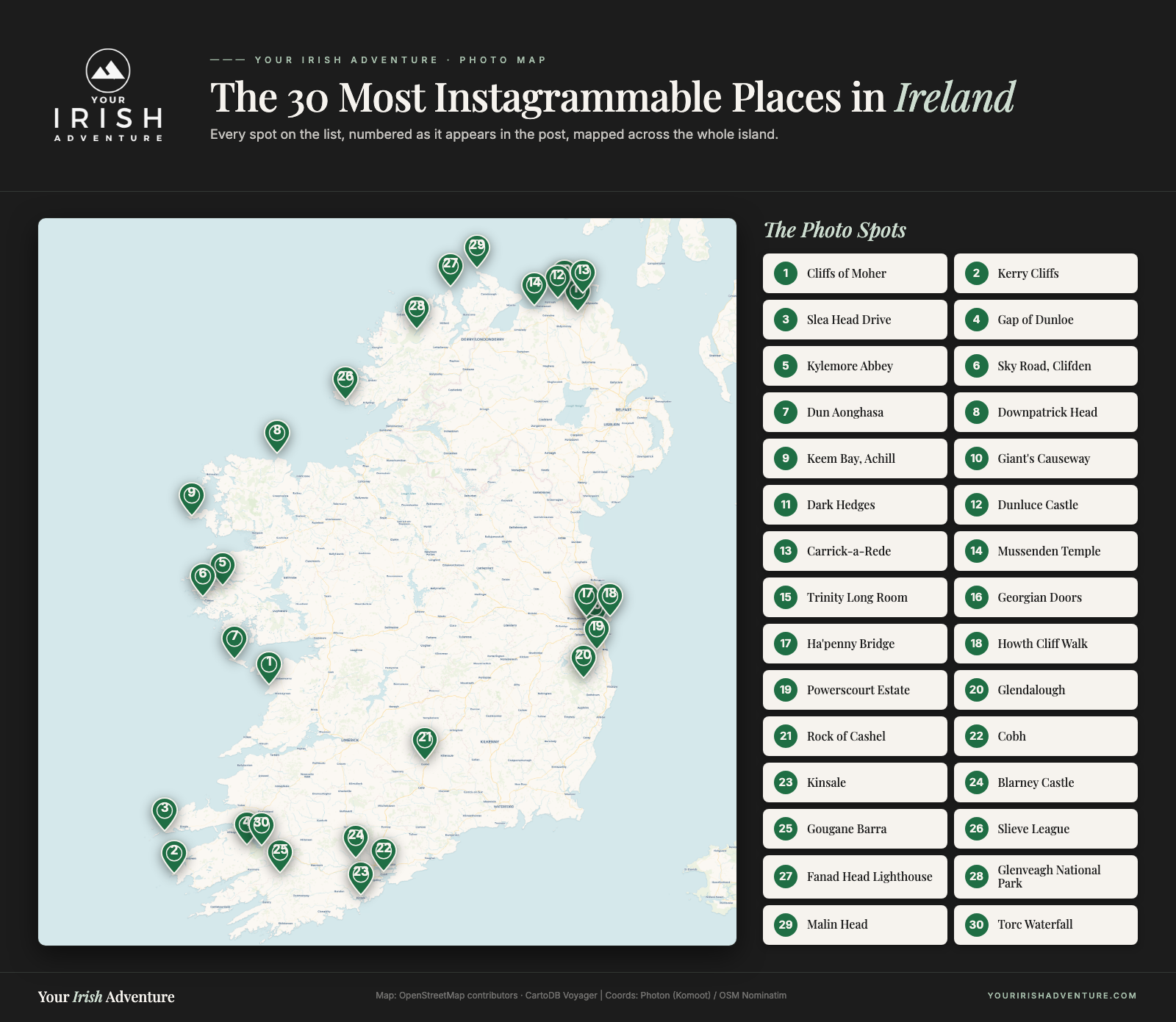
These are the 30 most Instagrammable places in Ireland we’d build a photo trip around, from sea cliffs on the west coast to painted harbor towns in the south. For each one we’ve noted the actual shot, the best angle or time to get it, and one practical detail to have in your pocket before you go.
More Guides to Ireland’s Most Photogenic Places
- The Most Beautiful Towns In Ireland You Need To Visit
- Scenic Towns and Villages in Ireland: 18 Best Picks
- Unforgettable Places To Visit In Ireland Rated By Bloggers
Quick Answer:
The most Instagrammable places in Ireland run from the Cliffs of Moher and Kerry Cliffs on the Wild Atlantic Way to the Giant’s Causeway and Dark Hedges up north, plus Kylemore Abbey, Cobh, and Glendalough. Shoot cliffs at sunset and reflections on still mornings, and allow more driving time than the map suggests for good light.
Where to Stay for the Best Photo Trip Around Ireland
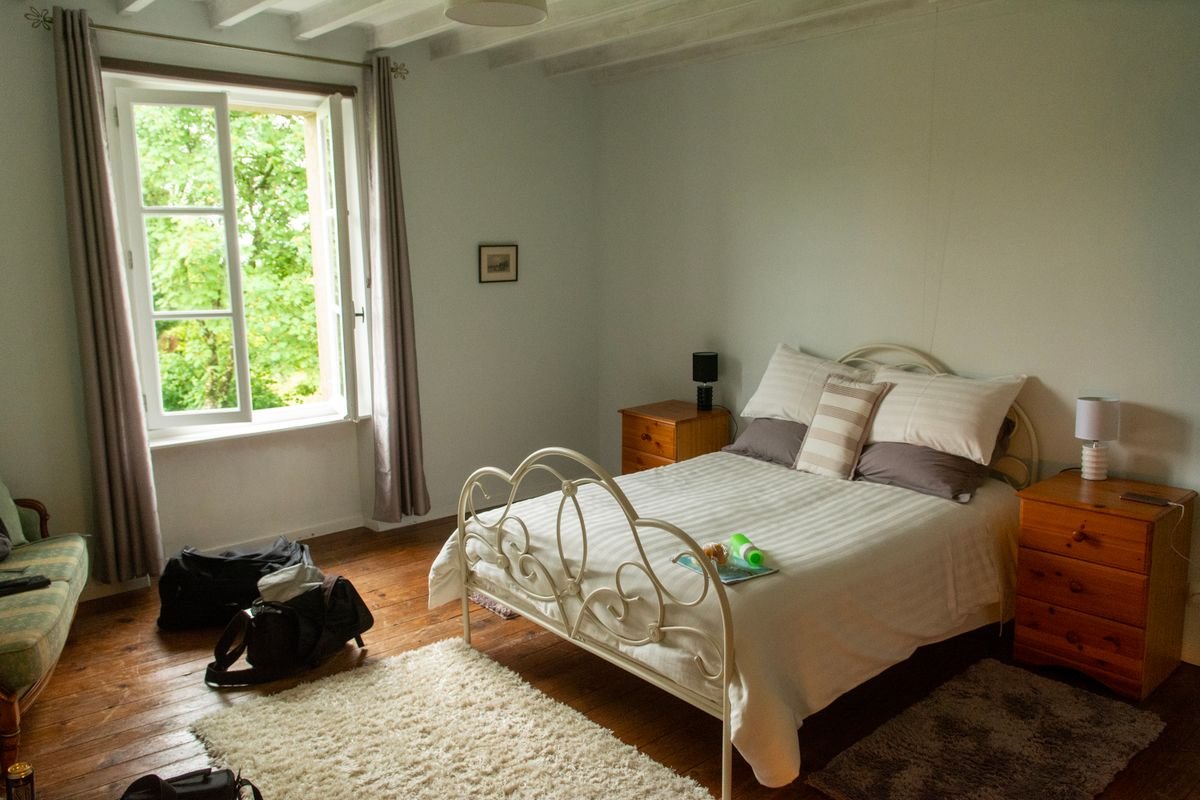
You can’t shoot all 30 of these in one trip without living in the car, so it helps to pick a few bases and work outward from each. Four towns cover most of the good stuff.
Galway is the best base for the west. From here you can reach Connemara, Kylemore Abbey, and the Cliffs of Moher on day trips, and the trad music scene at night is worth the stay on its own. You can browse stays in Galway on Booking.com to find something central. We parked outside the city in Salthill and taxied in, because parking a big vehicle in the center is a headache.
Killarney puts you in range of the Ring of Kerry, the Gap of Dunloe, and Torc Waterfall, with the national park on your doorstep. Dublin covers the east coast and the city shots. And if you want the Causeway Coast in the north, base near Bushmills or Portrush so you can hit the Dark Hedges and Giant’s Causeway at dawn before the crowds.
Most visitors rent a car, which works for every stop on this list and is the easier call for a first trip. It’s worth booking early in summer, and you can compare car hire deals on Discover Cars to see what’s going.
Where to Stay in Galway
Where to Stay in Killarney
Where to Stay in Dublin
Where to Stay in Portrush
The Best Instagrammable Places on the Wild Atlantic Way
The west coast holds Ireland’s most dramatic scenery, and it’s where we spent most of our time. Sea cliffs, island harbors, and reflective lakes are all within a few hours of each other along this stretch. If you’re not driving it yourself, you can book a Cliffs of Moher and Aran Islands cruise on GetYourGuide that covers two of the spots below in a day out of Galway.
Cliffs of Moher, County Clare
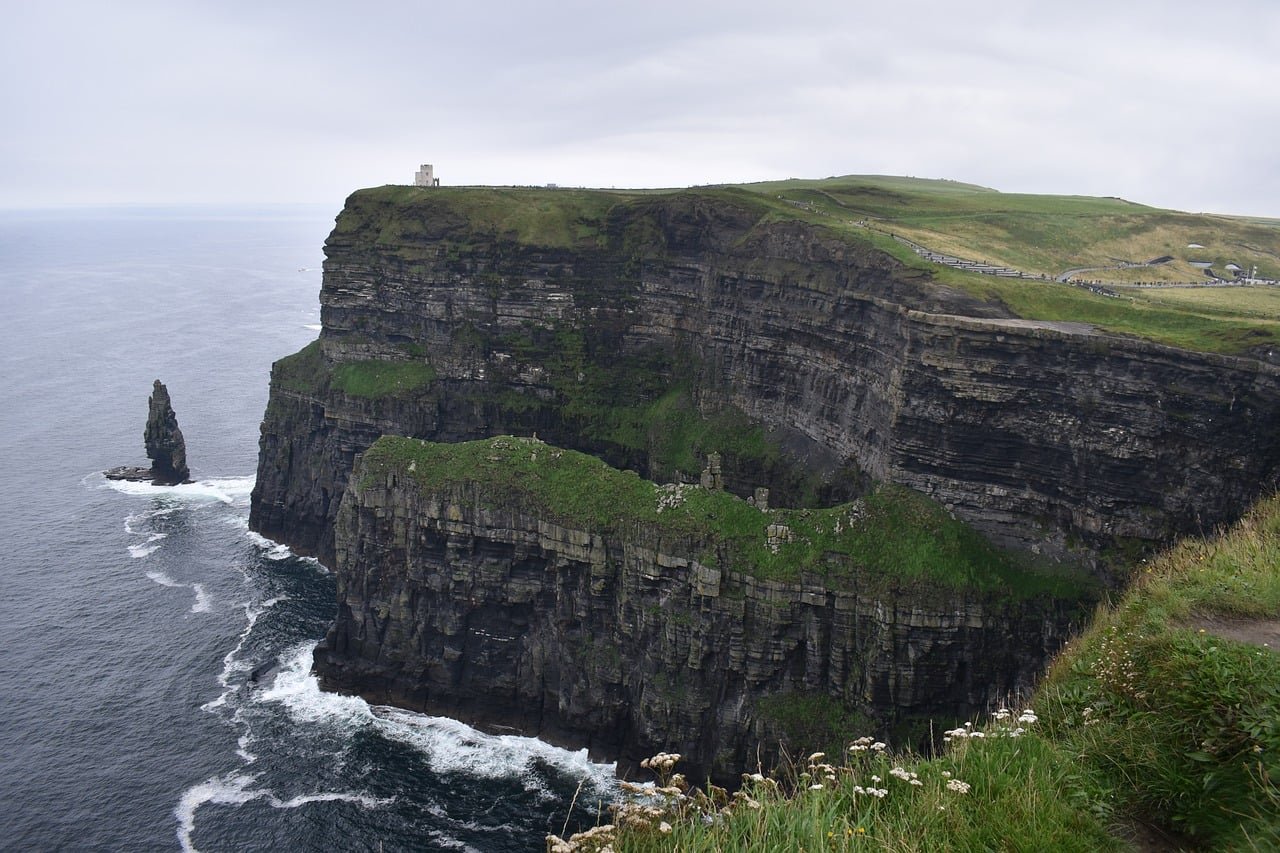
The most photographed sea cliffs in Ireland, and the classic frame is from the O’Brien’s Tower side looking south at sunset. We skipped the busy visitor center and hiked the coastal path up from Doolin instead, with cows grazing on the clifftop and a sheer drop to the ocean. Bring layers, because it’s windy even on a calm day.
Kerry Cliffs, County Kerry
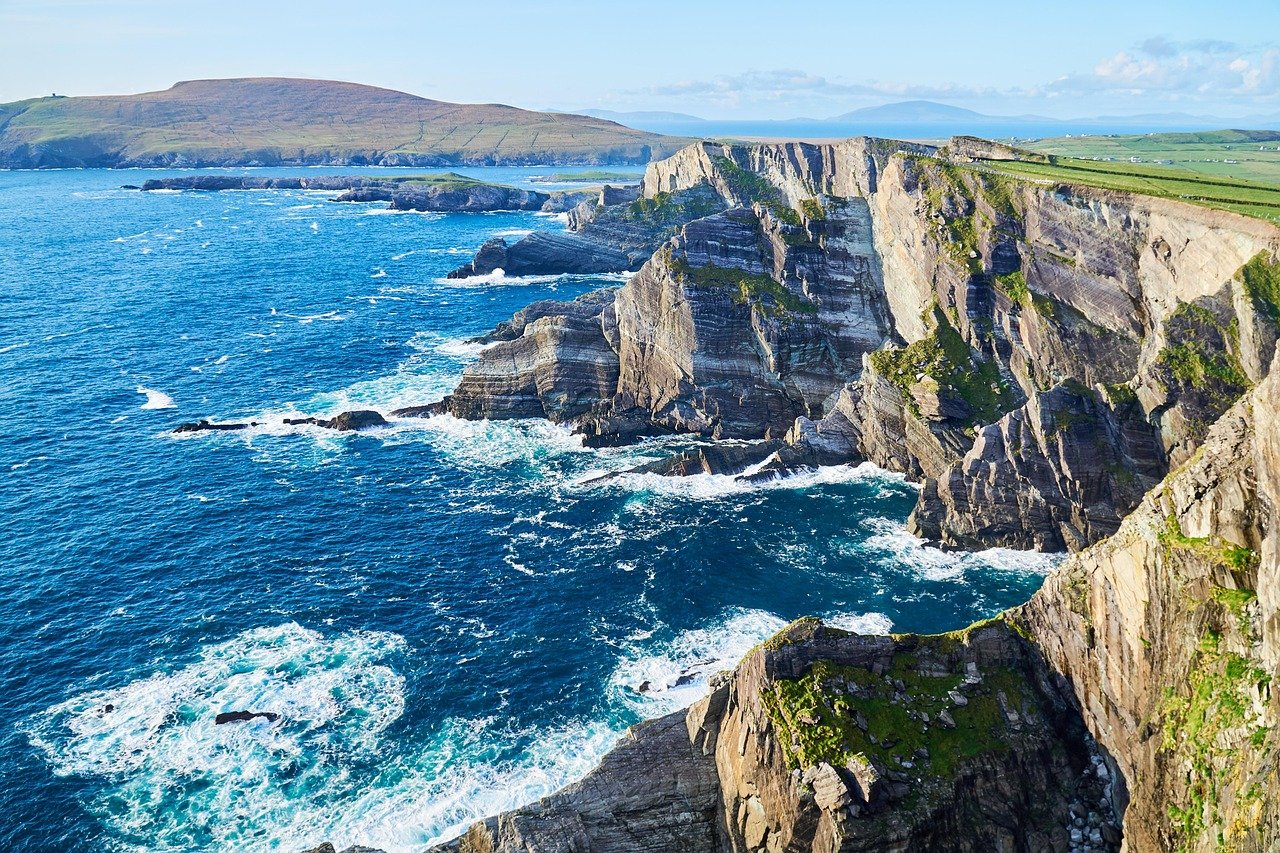
Taller than Moher and much quieter, with the Skellig Islands out on the horizon on a clear day. Shoot from the upper viewing platform in late afternoon when the light is behind you and hitting the cliff face. There’s a small parking charge and it’s off the Ring of Kerry near Portmagee, so it pairs well with a Skellig boat trip.
Slea Head Drive, Dingle Peninsula
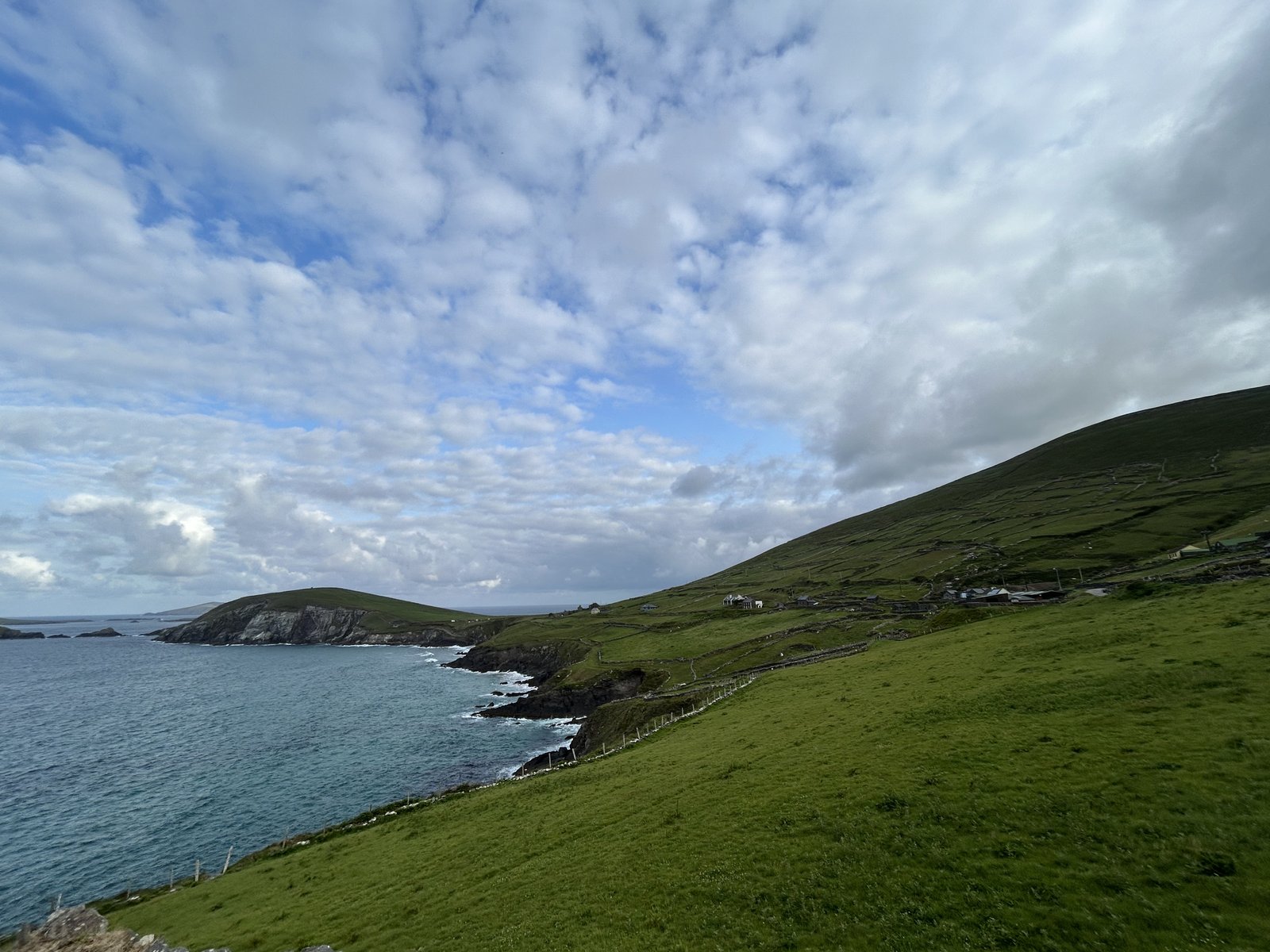
A loop of the best coastal viewpoints on the Dingle Peninsula, with the Blasket Islands offshore and beehive huts along the way. The Coumeenoole Beach pull-off is the standout frame. Drive it clockwise for the ocean side. We only saw it in the dark and heavy rain, our biggest regret of the trip, so give it a daylight morning.
Gap of Dunloe, County Kerry
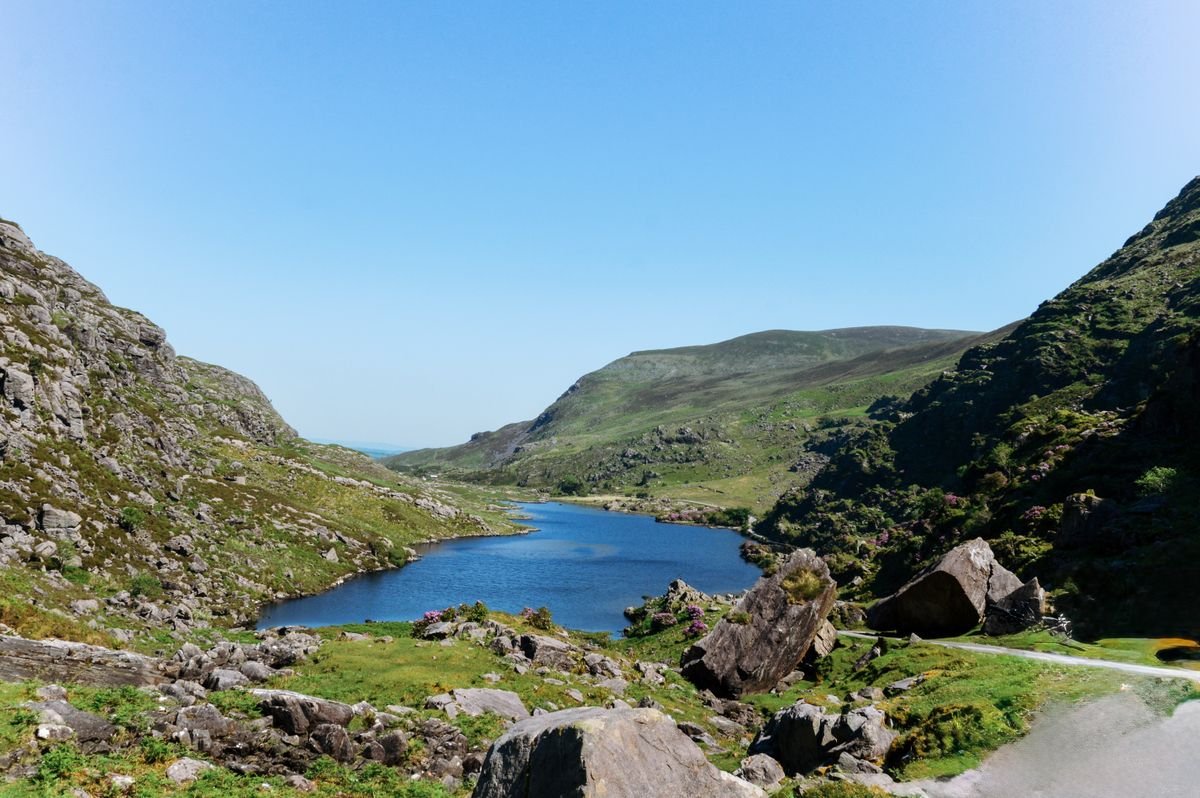
A narrow mountain pass of lakes and old stone bridges between Killarney‘s mountains. The Wishing Bridge gives you the layered valley shot, and it’s cleanest with morning mist before the jaunting cars and walkers arrive. Park at Kate Kearney’s Cottage and walk in, since the road is too narrow and slow to enjoy by vehicle.
Kylemore Abbey, Connemara
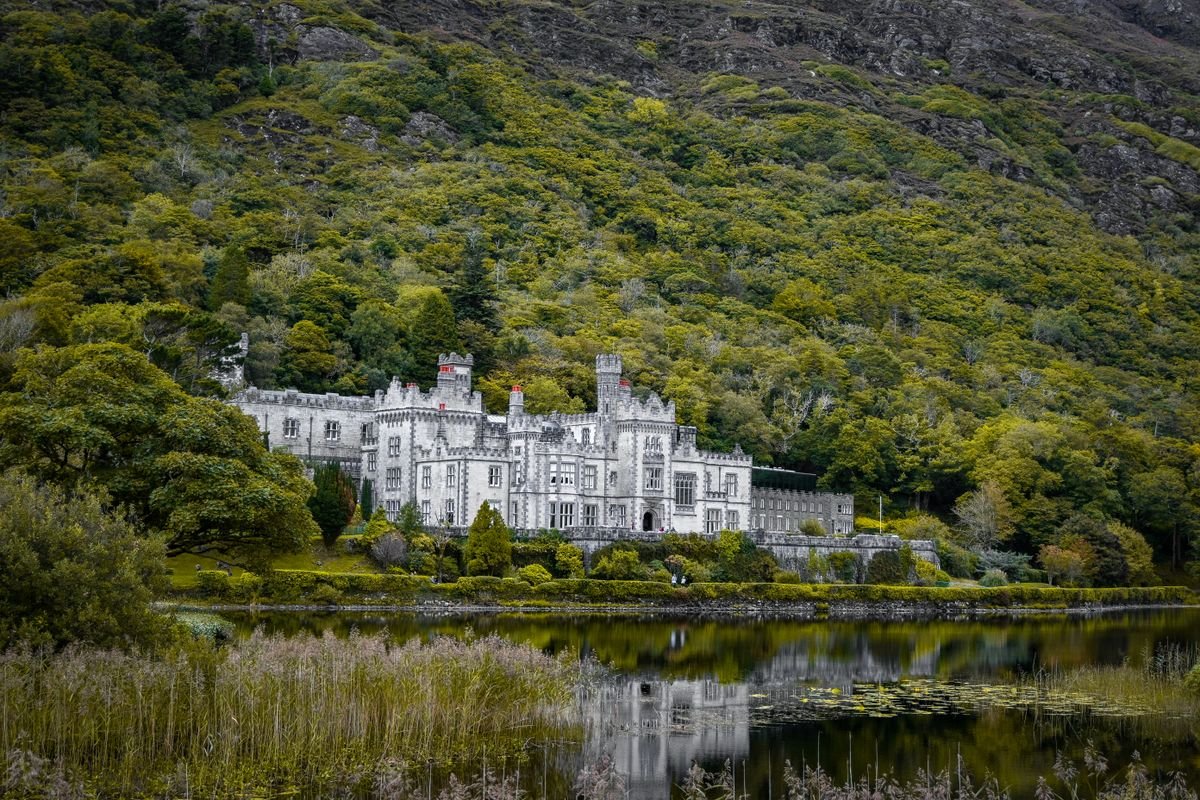
Connemara’s signature shot is the abbey mirrored in its own lake, and it was one of the highlights of our whole trip. The reflection is cleanest on a still morning before the wind picks up. Shoot from the lakeshore path just left of the main building for the full mirror. The walled garden is worth the ticket once you’ve got it.
Sky Road, Clifden
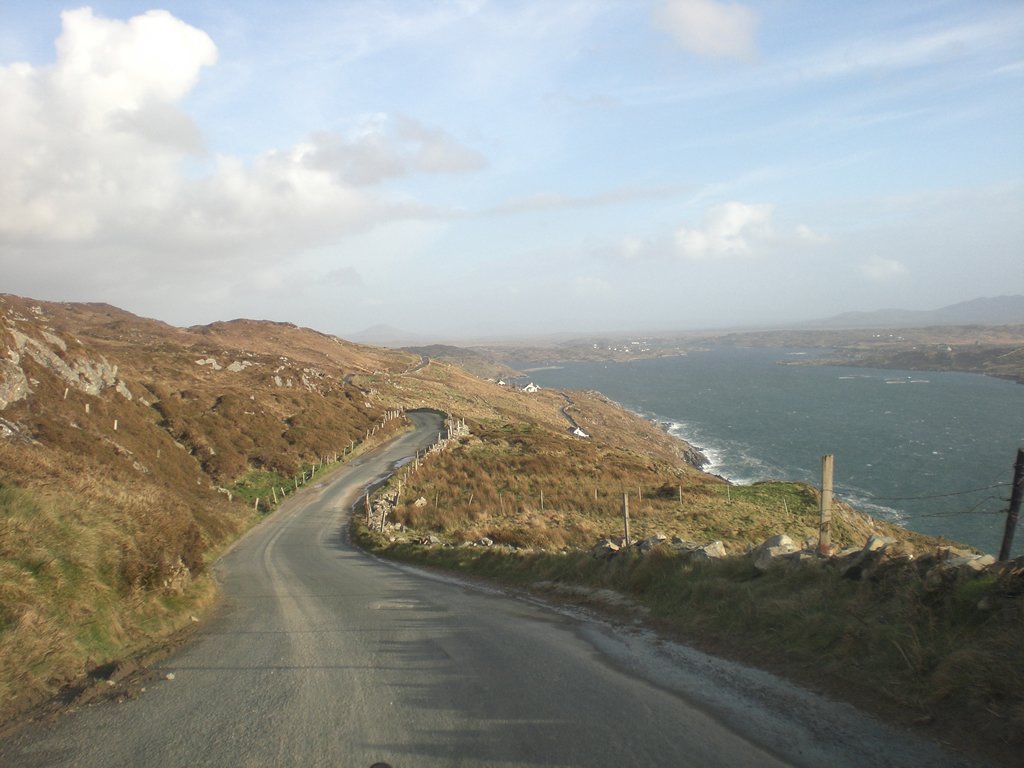
An 11km loop above Clifden with the best panorama of the Connemara coastline and islands scattered offshore. The upper viewpoint pull-off is the spot, and late afternoon puts the sun over the Atlantic for you. It’s a quick drive from town, so it’s easy to catch on the way out toward Kylemore or the coast road.
Dun Aonghasa, Inishmore (Aran Islands)
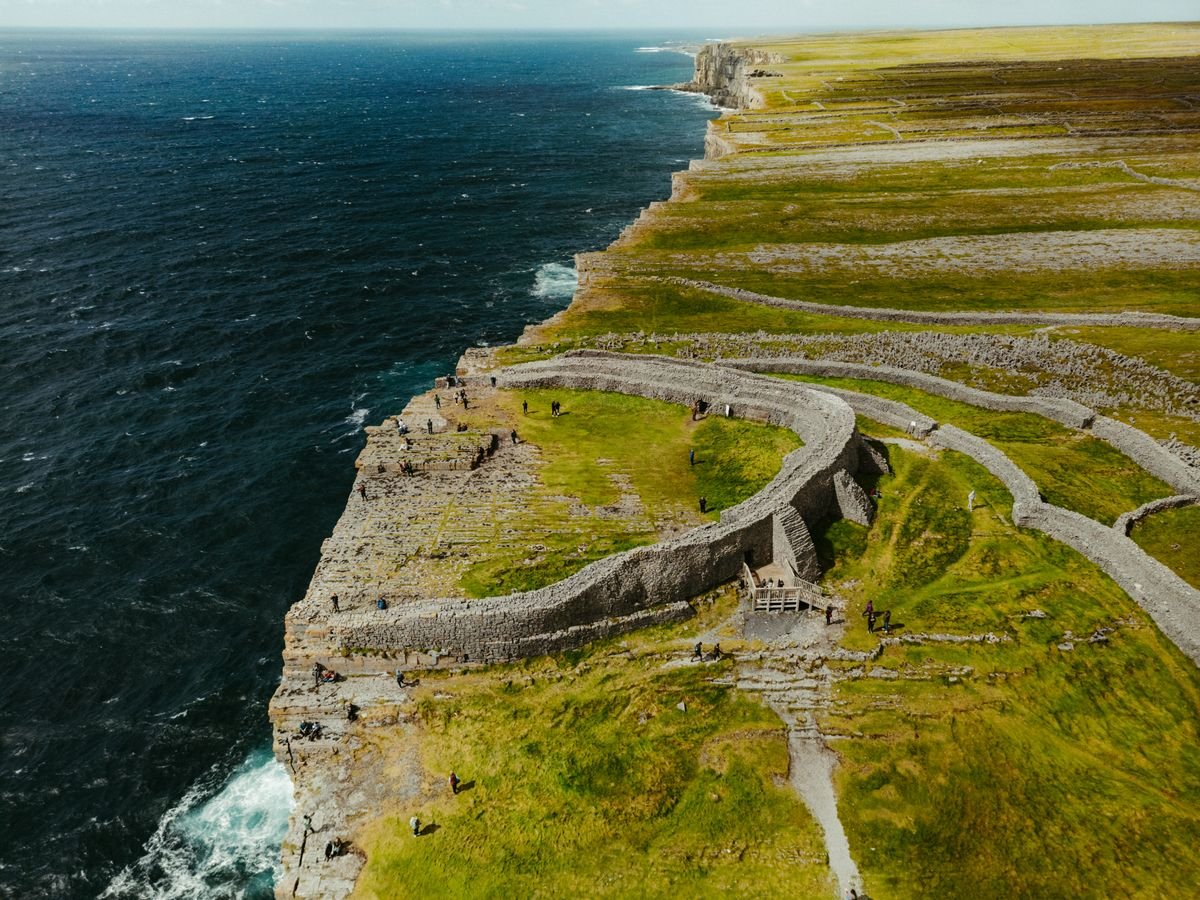
A prehistoric stone fort perched on a 100-meter cliff edge on Inishmore, and one of Ireland’s most striking heritage frames. People lie flat and shoot along the cliff line, because there’s no barrier at the edge. Take the ferry from Rossaveal or Doolin, then walk 20 minutes uphill from the visitor center. Keep well back from the drop.
Downpatrick Head, County Mayo
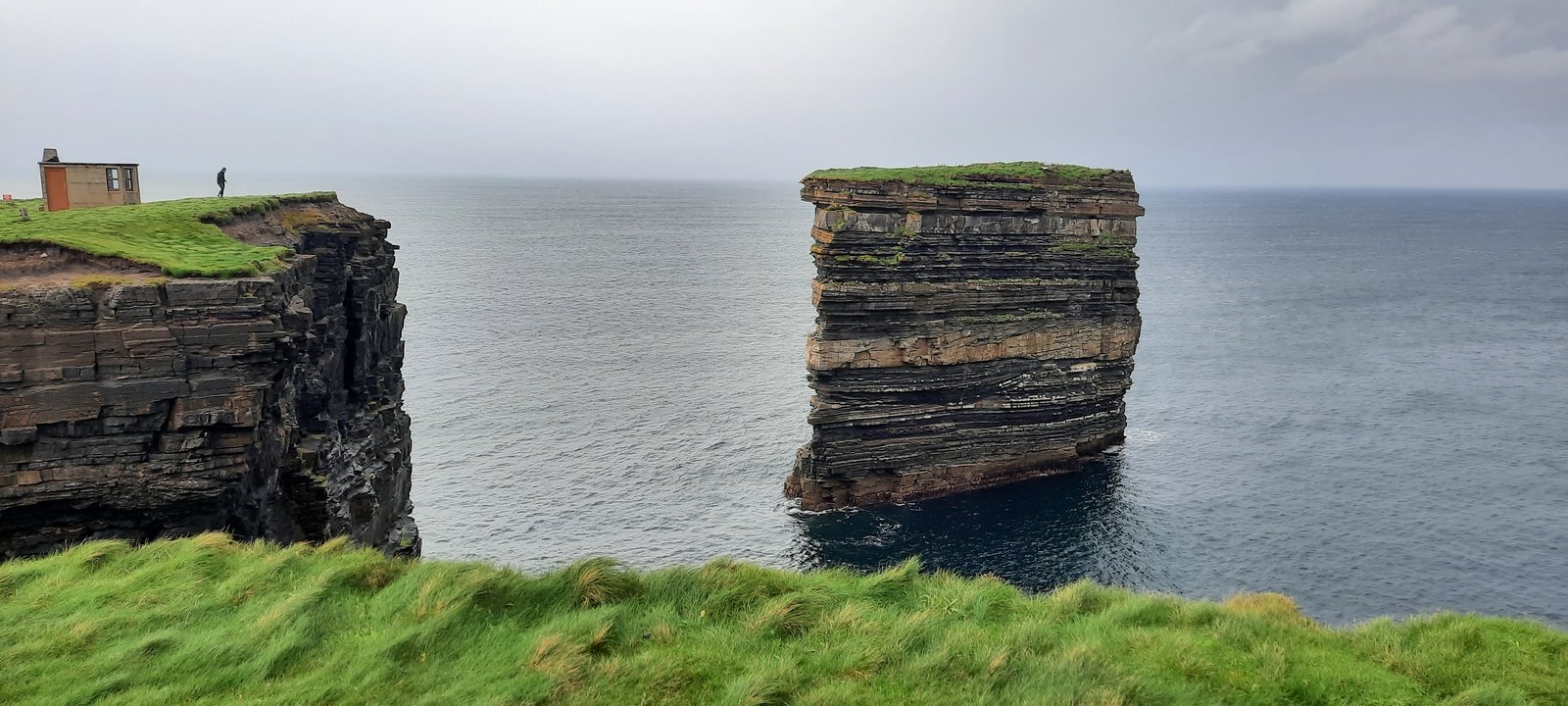
A sea stack called Dun Briste stands just off the headland, sheared away from the cliff, and it’s a dramatic, uncrowded frame. Shoot from the grassy clifftop with the stack layered against the ocean, best in evening light. It’s a short walk from the free parking lot near Ballycastle, with almost no facilities, so bring what you need.
Keem Bay, Achill Island
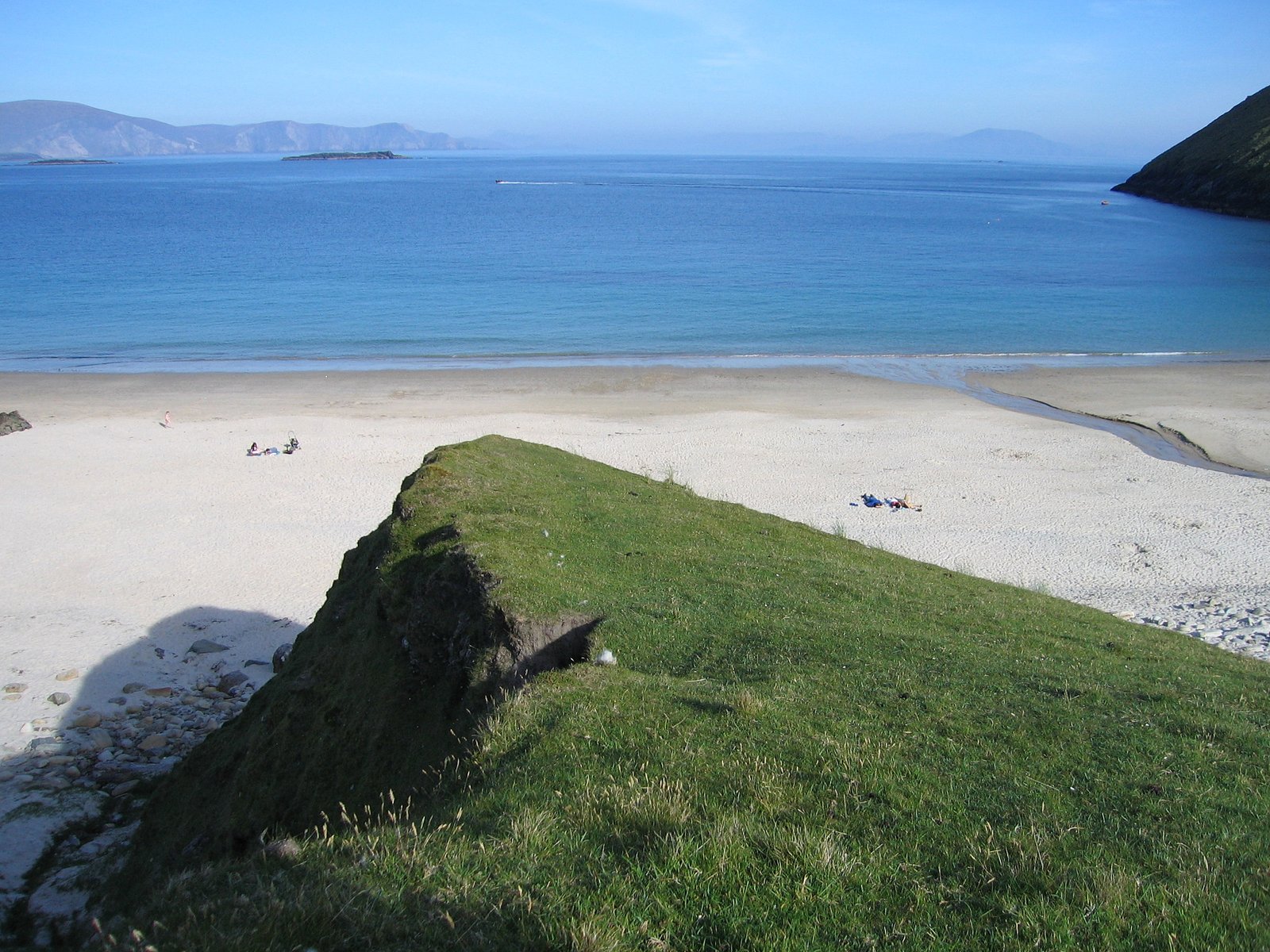
A horseshoe beach ringed by green cliffs at the end of a winding cliff road, and the most photogenic corner of Achill. The shot everyone wants is from the road above looking down at the turquoise water and pale sand. Go on a clear day, since the color needs sun, and get there early because the small parking lot fills fast in summer.
More Wild Atlantic Way Guides
- 9 Best Places On The Wild Atlantic Way Route
- Wild Atlantic Way Itinerary – Ireland’s Most Epic Road Trip
- Wild Atlantic Way Hotels With A Touch Of Luxury
The Most Photogenic Spots in Northern Ireland
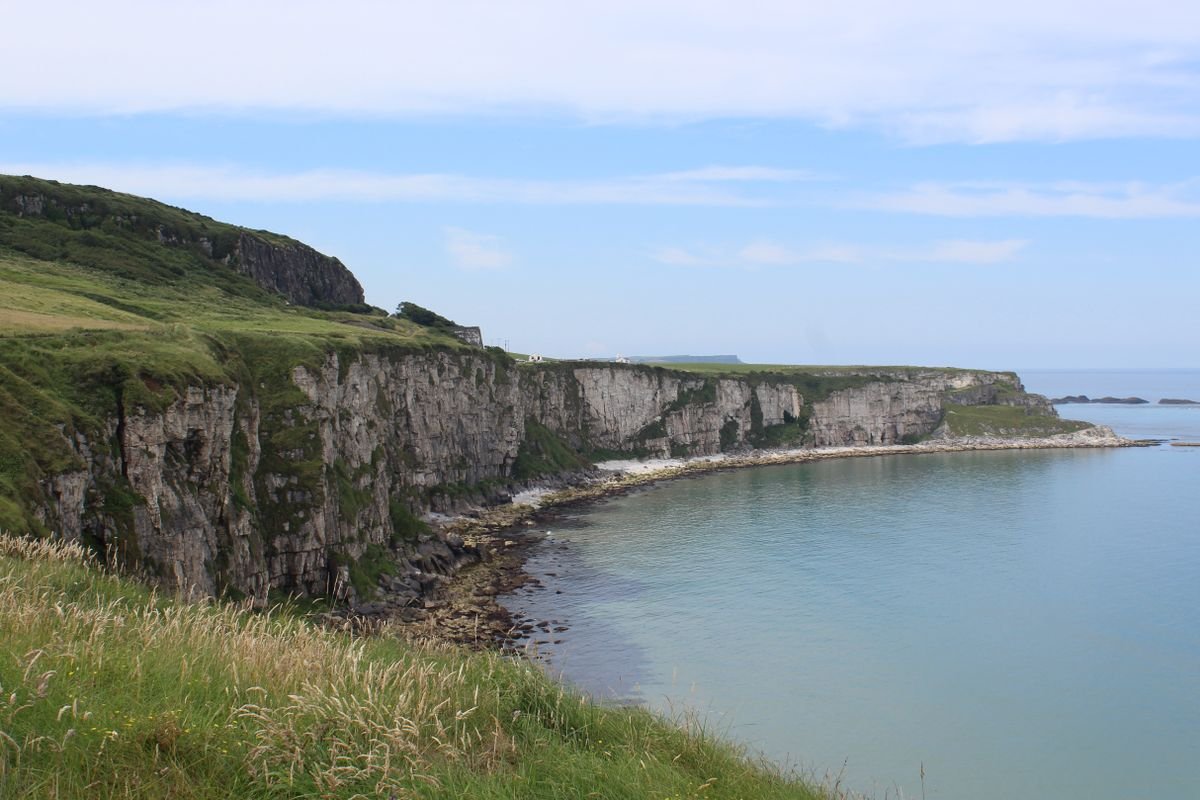
The Causeway Coast packs basalt columns, cliff-edge castles, and a film-famous avenue of trees into one short drive. You can shoot all five of these in a single day if you start early. Without a car, you can book a Giant’s Causeway day tour on GetYourGuide that hits the main stops out of Belfast.
Giant’s Causeway, County Antrim
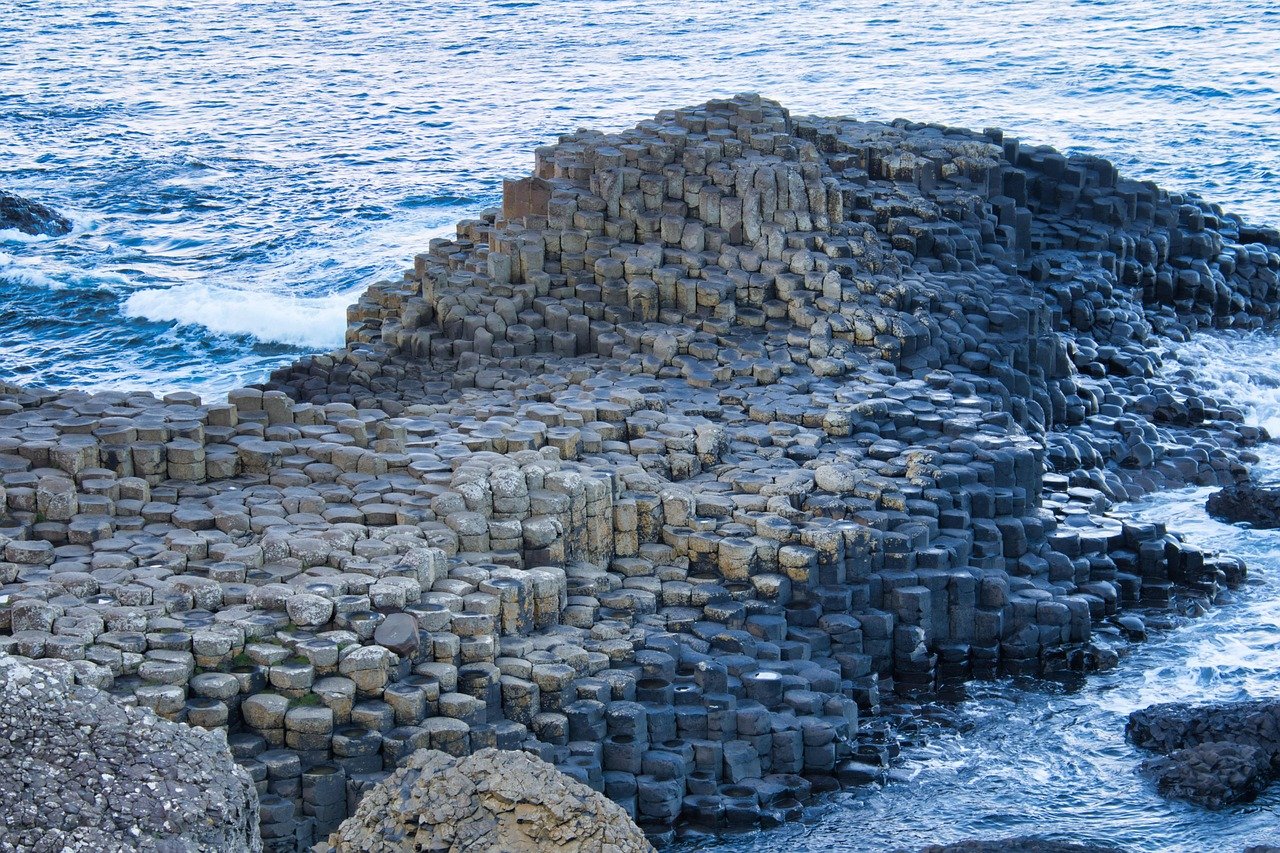
The hexagonal basalt columns are the most iconic photo spot in Northern Ireland, and they work best low and close, shooting along the columns toward the sea. Come at sunrise or near closing to dodge the tour crowds and get long light across the stone. Visitor center parking is pricey, but you can walk in free from the road above.
Dark Hedges, County Antrim
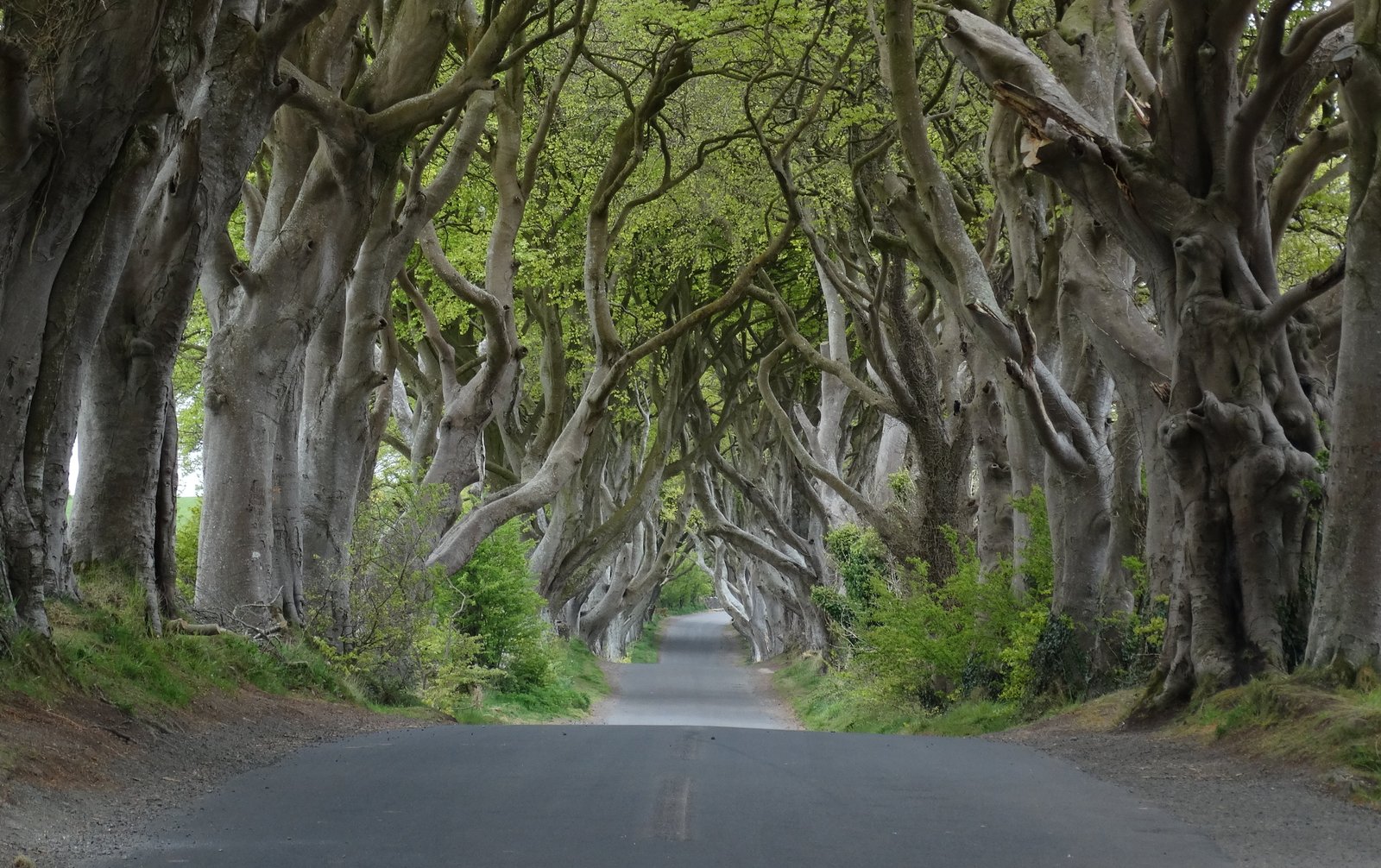
An avenue of twisted beech trees that starred in Game of Thrones, and the frame is straight down the road with the branches arching overhead. Shoot at dawn, because by mid-morning the road fills with people and the empty-avenue look is gone. Cars are restricted now, so park at the nearby Hedges Hotel and walk over.
Dunluce Castle, County Antrim
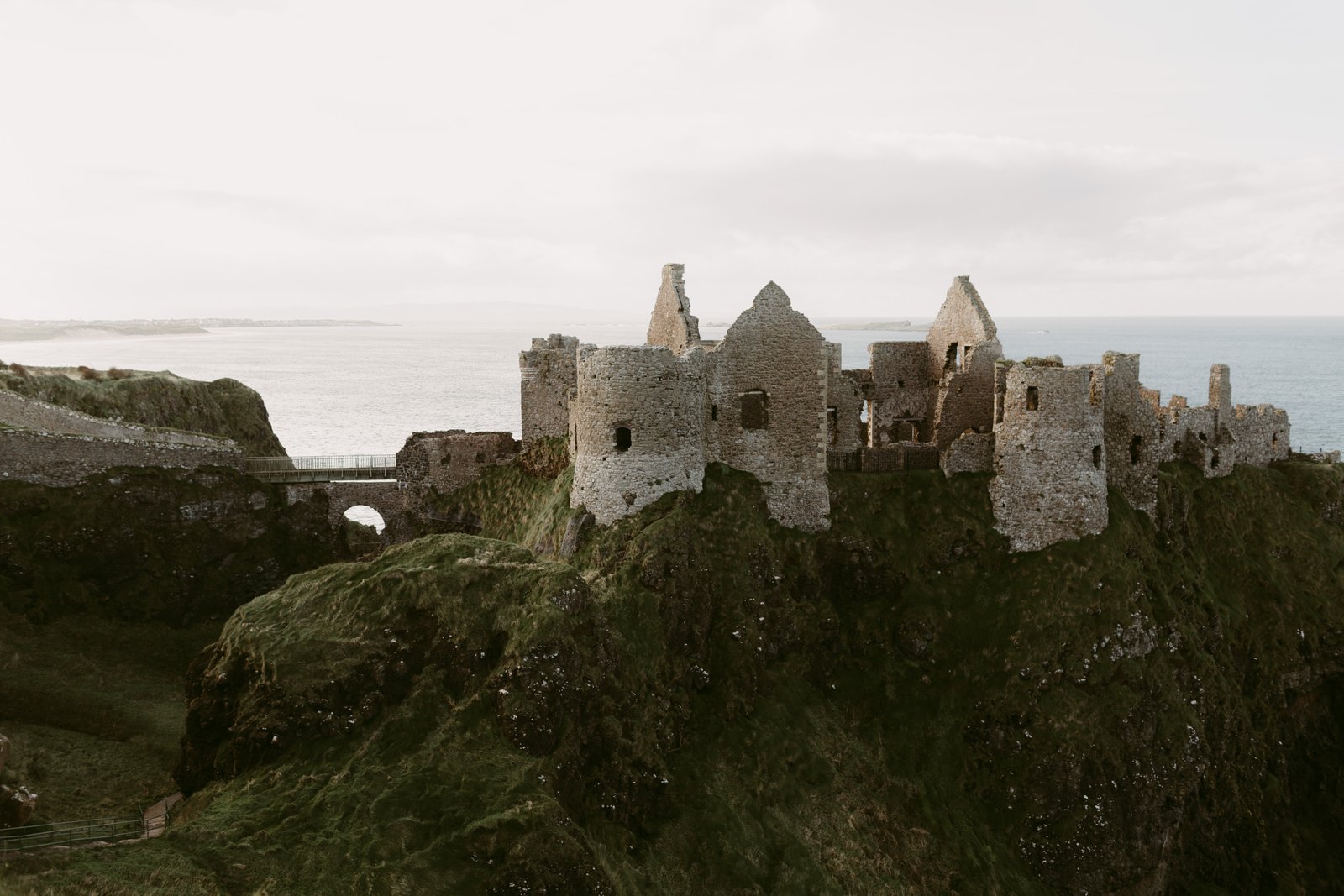
A ruined castle sitting right on a cliff edge, and the most dramatic frame on the Causeway Coast. The best angle is from the grassy path to the west, looking back at the ruin with the sea behind it, ideally at golden hour. There’s a parking lot right there, and you can shoot the exterior view for free without paying to go inside.
Carrick-a-Rede Rope Bridge, County Antrim
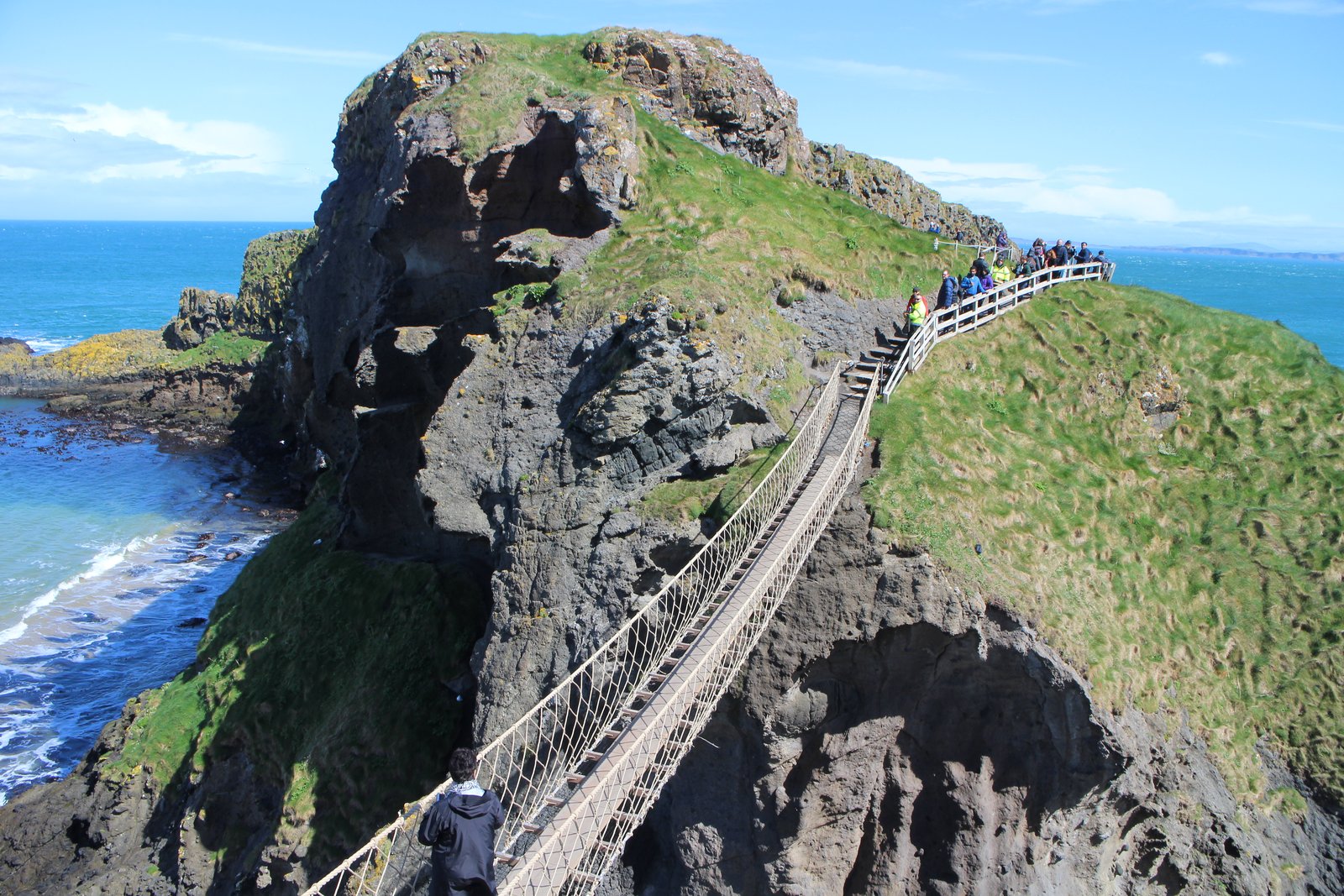
A rope bridge strung between a headland and a tiny island over turquoise water, and a classic Antrim frame from the clifftop approach path. You don’t need to cross it to get the shot. If you do want to walk it, book ahead in summer, because slots sell out and the path is a 20-minute walk from parking.
Mussenden Temple, County Londonderry
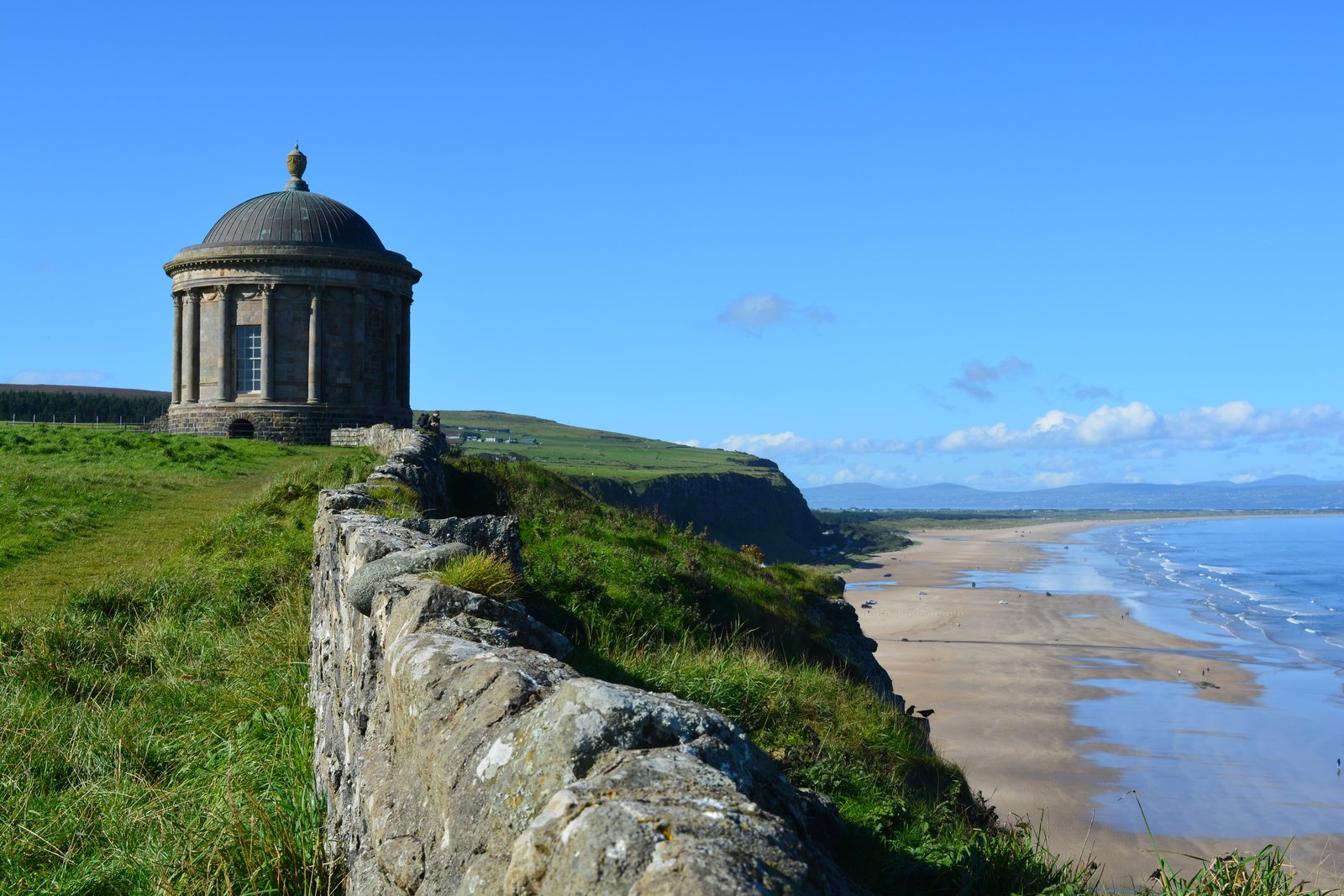
A small round temple sitting on a cliff edge above Downhill Beach, and one of the north coast’s best-known shots. The frame is from the clifftop grounds with the temple against the sea and the beach curving below. Park at Downhill Demesne, walk up, and aim for late afternoon light off the water.
More Guides to Northern Ireland and the Coast
- The Most Beautiful Seaside Towns in Northern Ireland
- Giant’s Causeway From Belfast: All Day Trip Options
- 15 Best Seaside Towns in Ireland To Visit This Summer
Instagrammable Spots in Dublin and the East
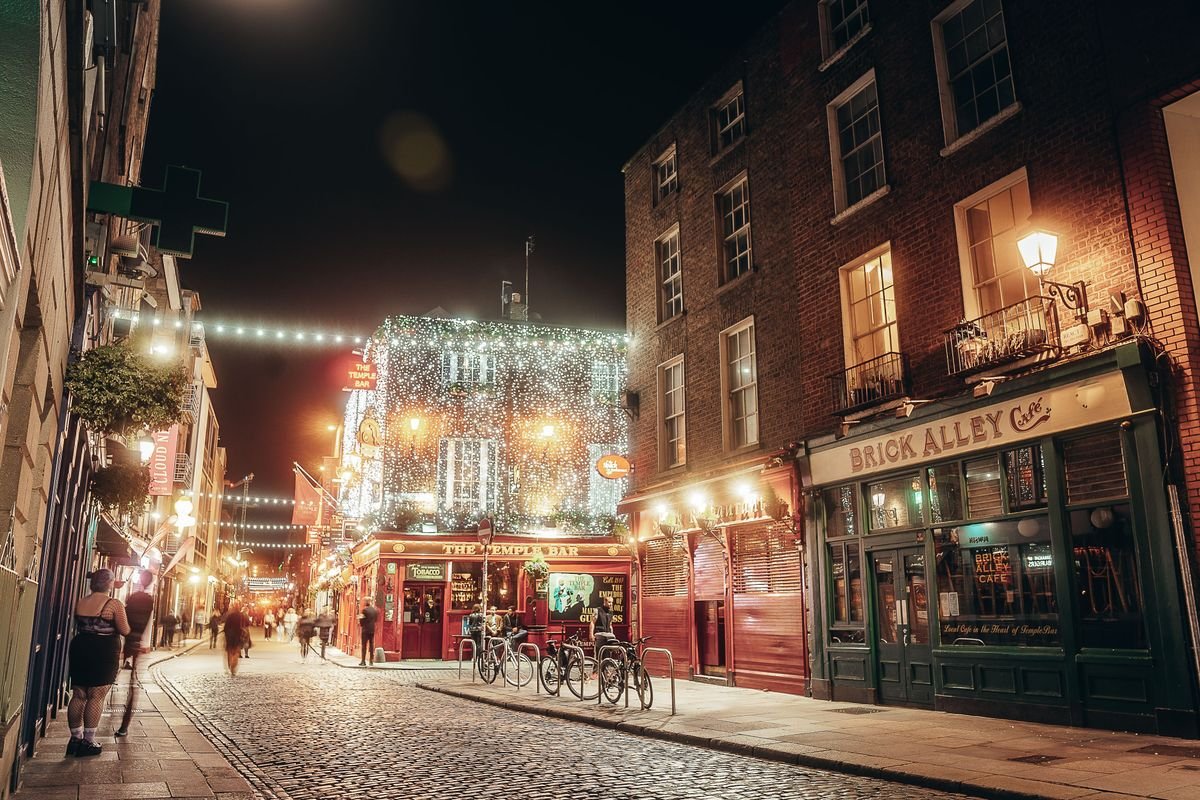
Dublin and the east coast give you colorful doorways, a famous old library, and coastal walks within easy reach of the capital. Most of these are a short walk or a quick train from the city center.
Trinity College Long Room, Dublin
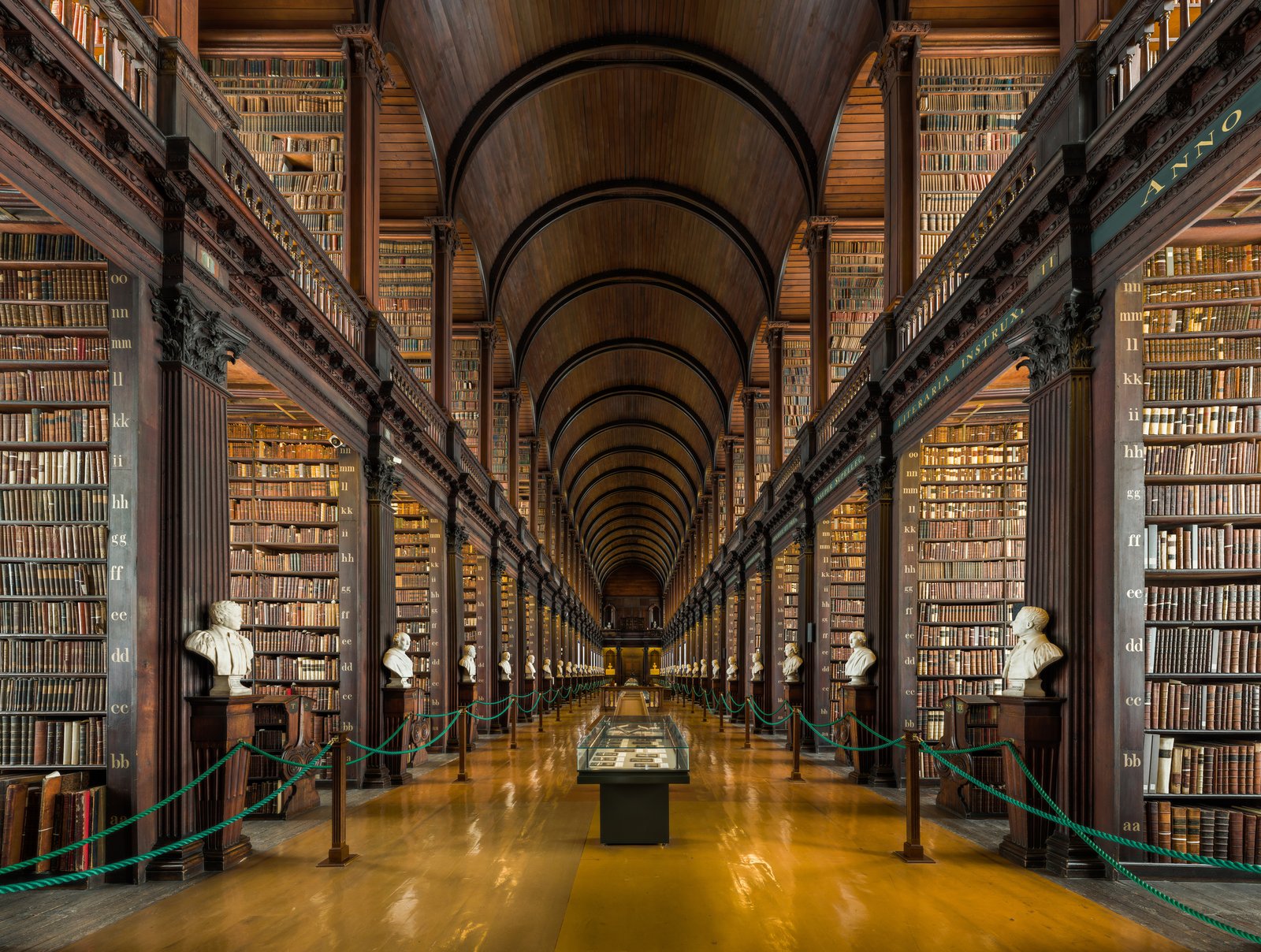
The barrel-vaulted Long Room library is Dublin’s most photographed interior, lined with two floors of old books and marble busts. Shoot straight down the central aisle for the symmetry, and grab the first slot of the day before it fills. It’s a timed ticket that also covers the Book of Kells, so book ahead. The campus is free to wander.
👉 Read our full guide to visiting Trinity College.
Georgian Doors, Dublin
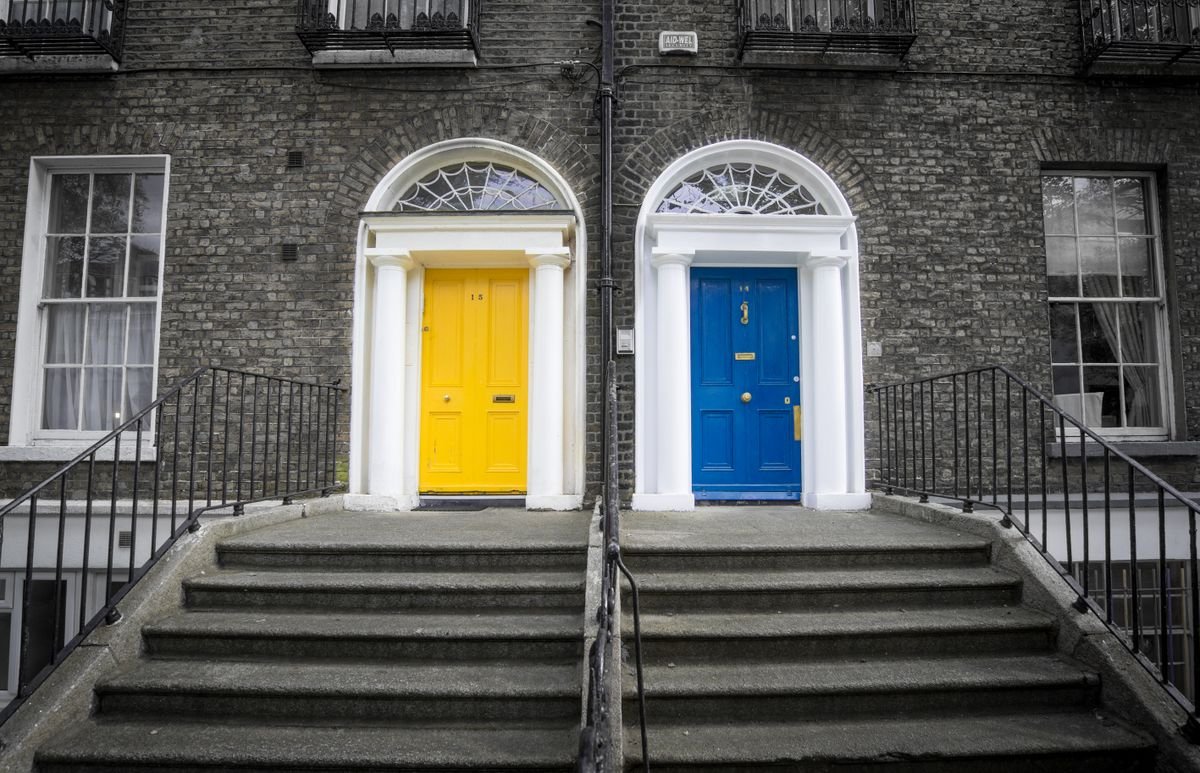
The brightly painted Georgian doors around Merrion Square and Fitzwilliam Square are Dublin’s most recognizable street photo. Line up a row of them for the color, or shoot one head-on with the fanlight above. Go before the office crowd, when the light is softer and the sidewalks are emptier. Merrion Square is the densest cluster.
Ha’penny Bridge, Dublin
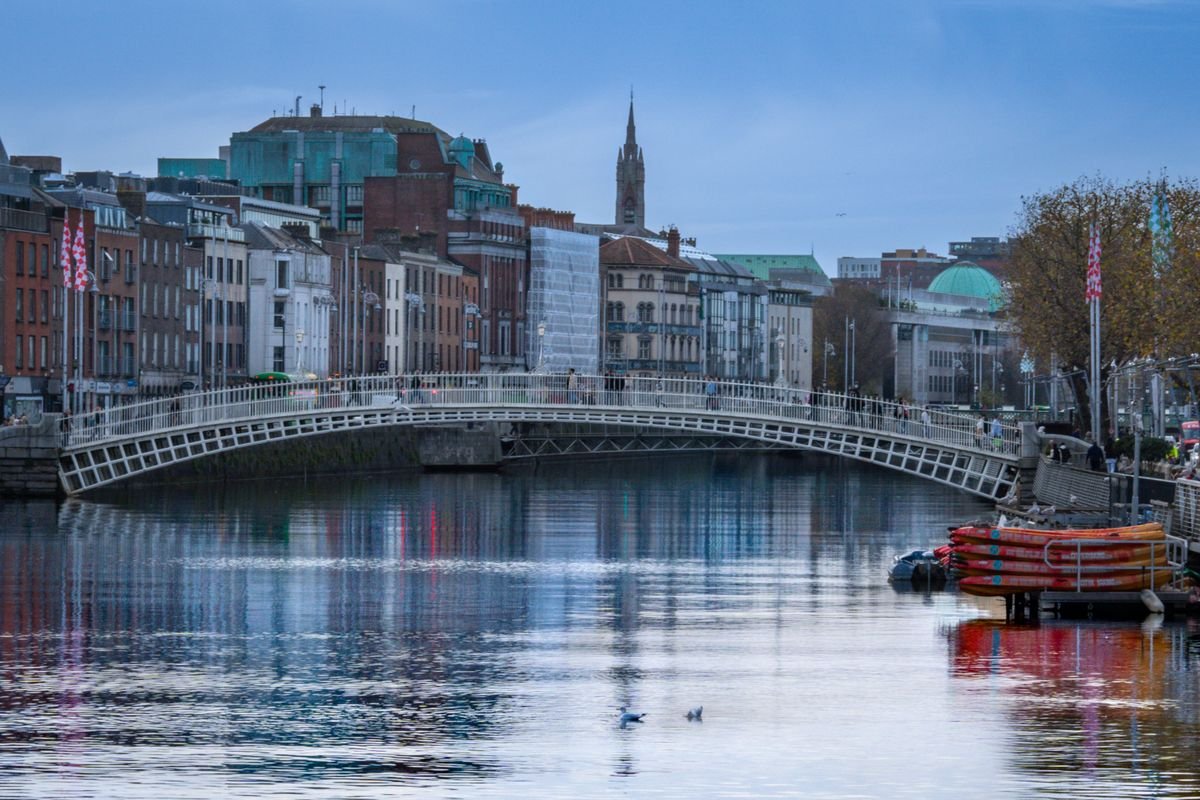
The white cast-iron pedestrian bridge over the Liffey is a classic Dublin shot, and it’s best at blue hour when the lamps come on and the water reflects them. Shoot it side-on from the boardwalk downriver for the full arch. It’s a two-minute walk from Temple Bar, so it’s easy to catch on the way to or from a night out.
Howth Cliff Walk, County Dublin
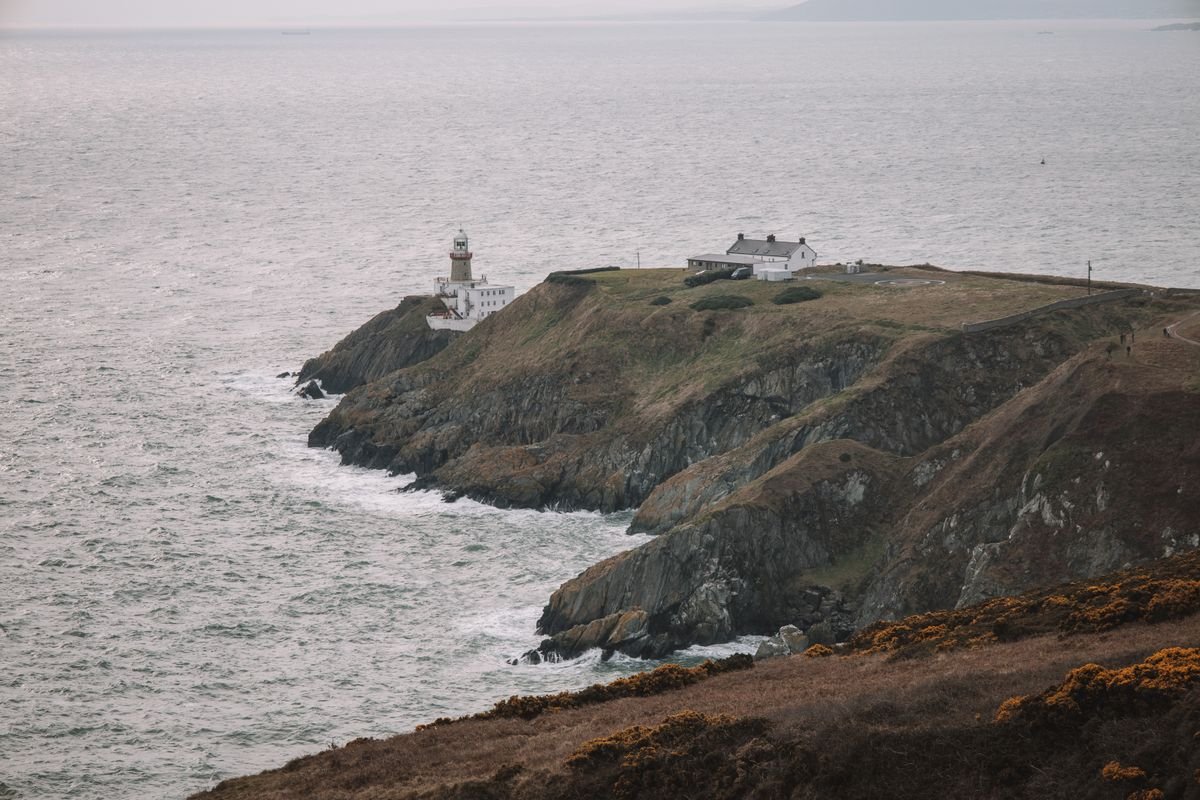
A cliff path just outside the city with sea-stack and lighthouse views, and a working fishing harbor at the start. The loop from Howth village gives you the Baily Lighthouse and offshore stacks, best in late afternoon. It’s a 30-minute DART train from the center, so you can do it without a car. Wear proper shoes for the uneven path.
Powerscourt Estate, County Wicklow
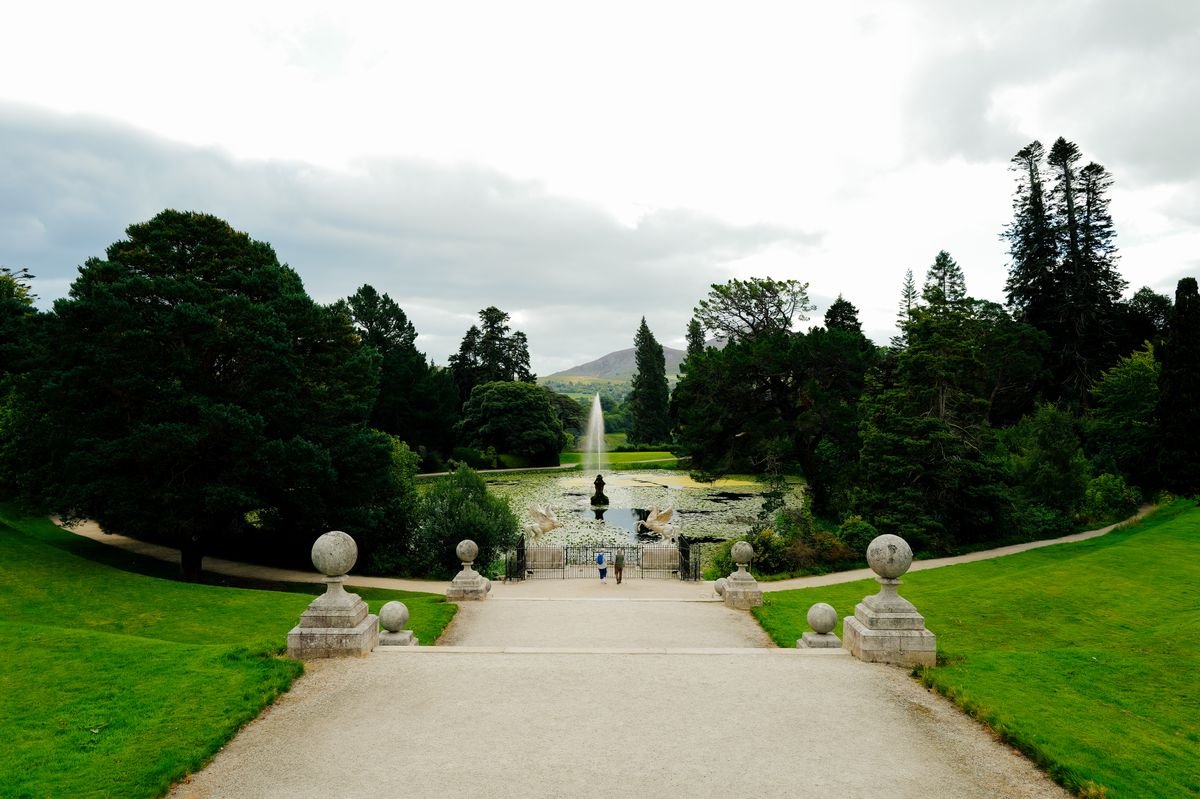
Terraced gardens dropping down to a lake with the Sugarloaf mountain behind, plus a tall waterfall a short drive away. The main shot is from the top terrace looking down the steps to the Triton Lake. Go on a clear day for the mountain backdrop. The waterfall has its own parking off the estate.
Glendalough, County Wicklow
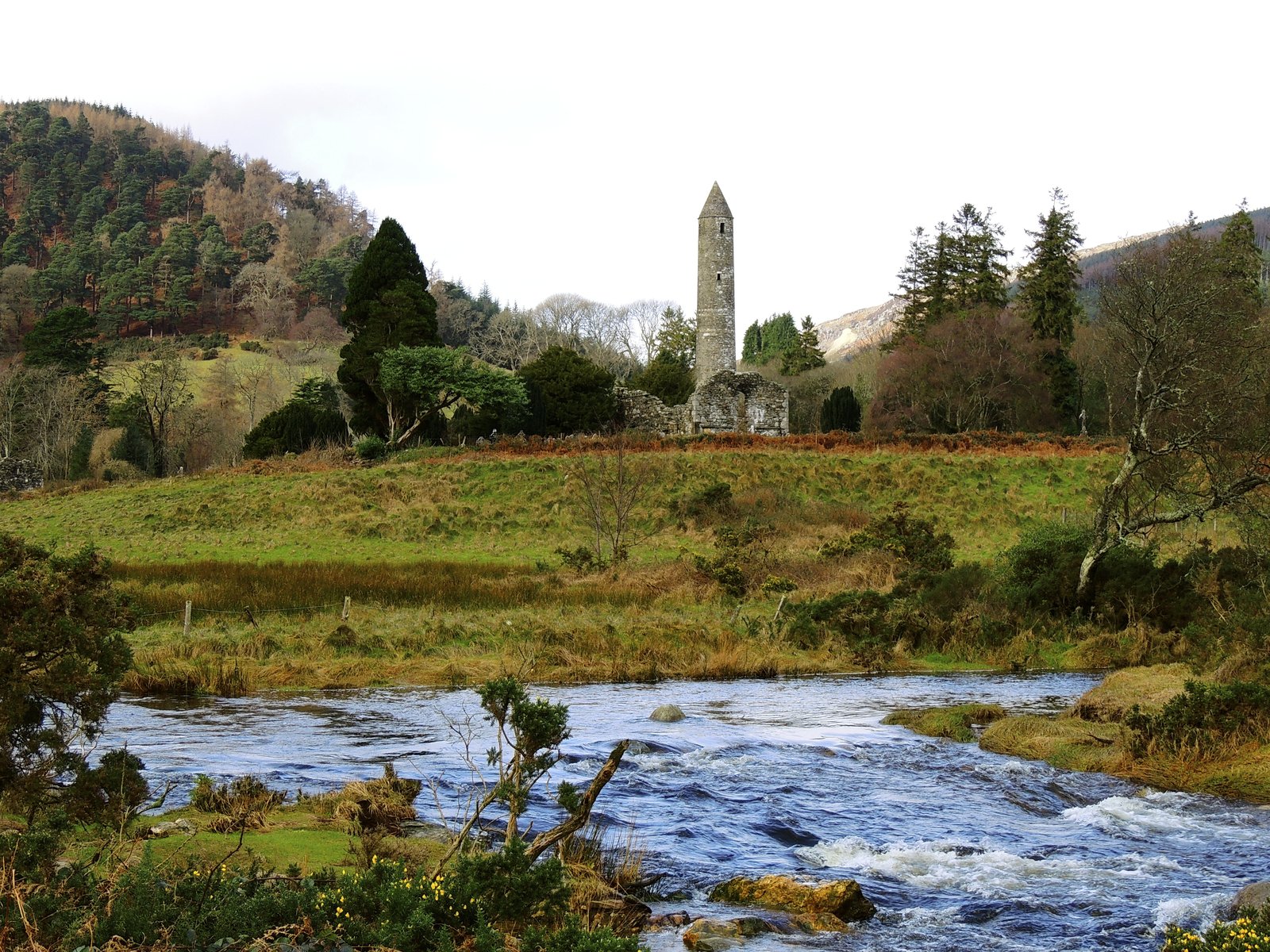
A round tower and monastic ruins beside two dark mountain lakes, and Wicklow‘s signature frame. Shoot the round tower from the graveyard, then walk to the Upper Lake for the reflection shot on a still morning. It’s about an hour from Dublin, and the two free parking lots fill early on weekends, so arrive before mid-morning.
Photo Spots in the South and Southeast
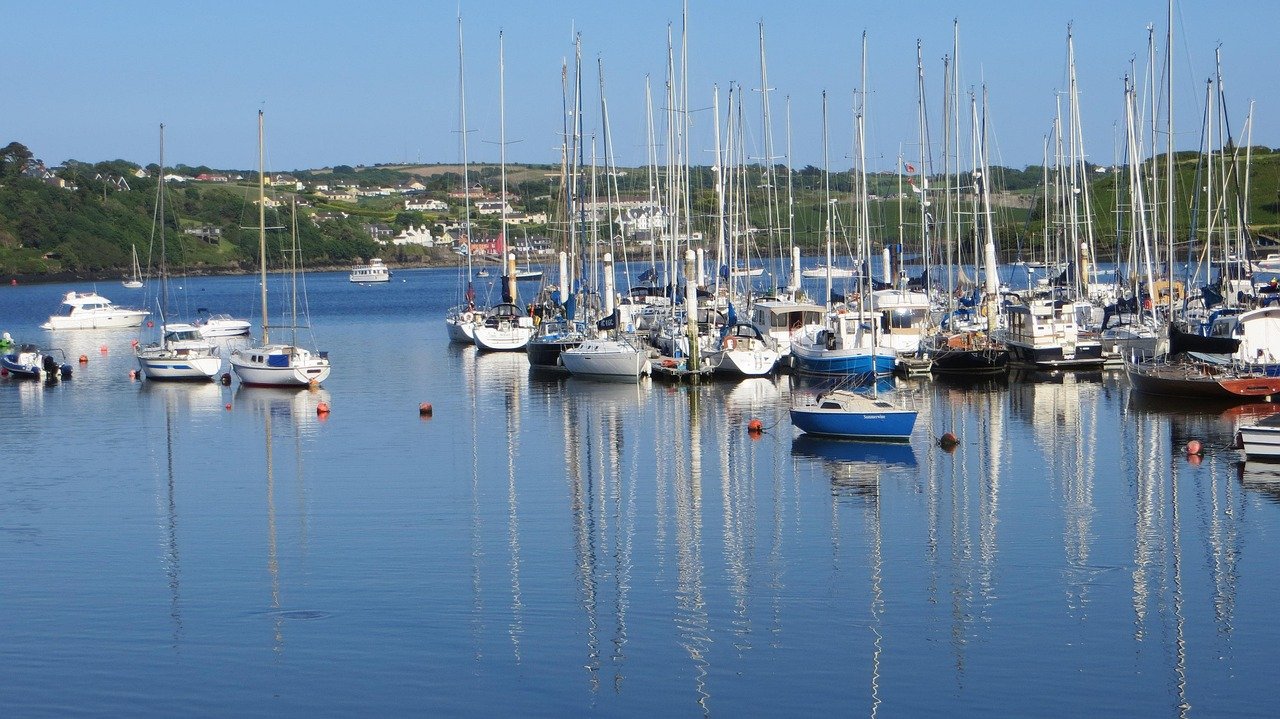
The south holds medieval ruins, painted harbor towns, and a hilltop cathedral you can see for miles. We spent our last few days here and it was a strong finish to the trip. If you’re based in Cork without wheels, you can book a Blarney, Kinsale and Cobh half-day tour on GetYourGuide that strings three of these spots together.
Rock of Cashel, County Tipperary
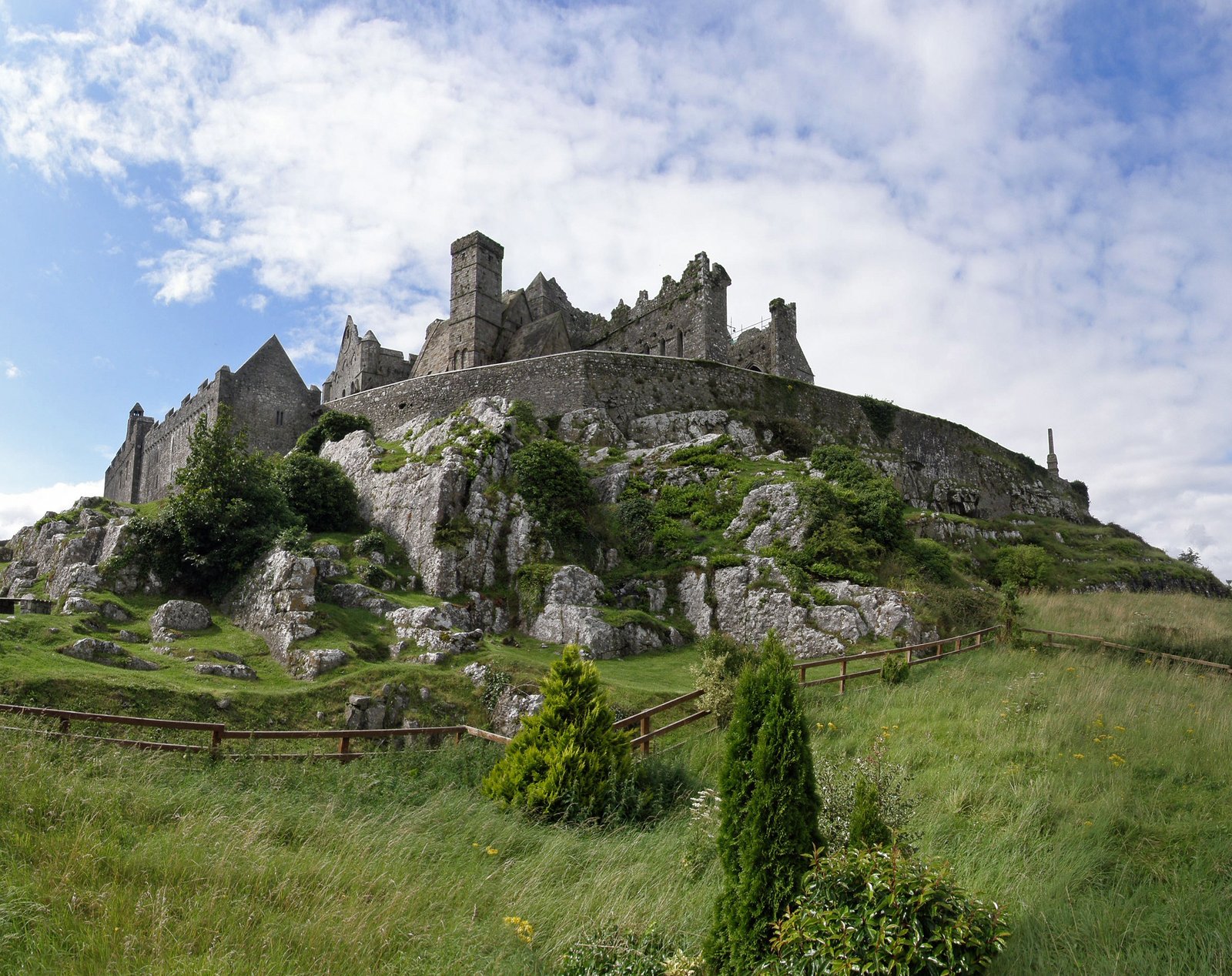
A medieval cathedral and round tower on a rock outcrop above the plains, and one of Ireland’s most dramatic heritage silhouettes. The best frame isn’t from the site itself but from the ruins of Hore Abbey in the field below, which give you a foreground and the whole rock behind it. Walk out to the abbey and shoot back at sunset.
Cobh, County Cork
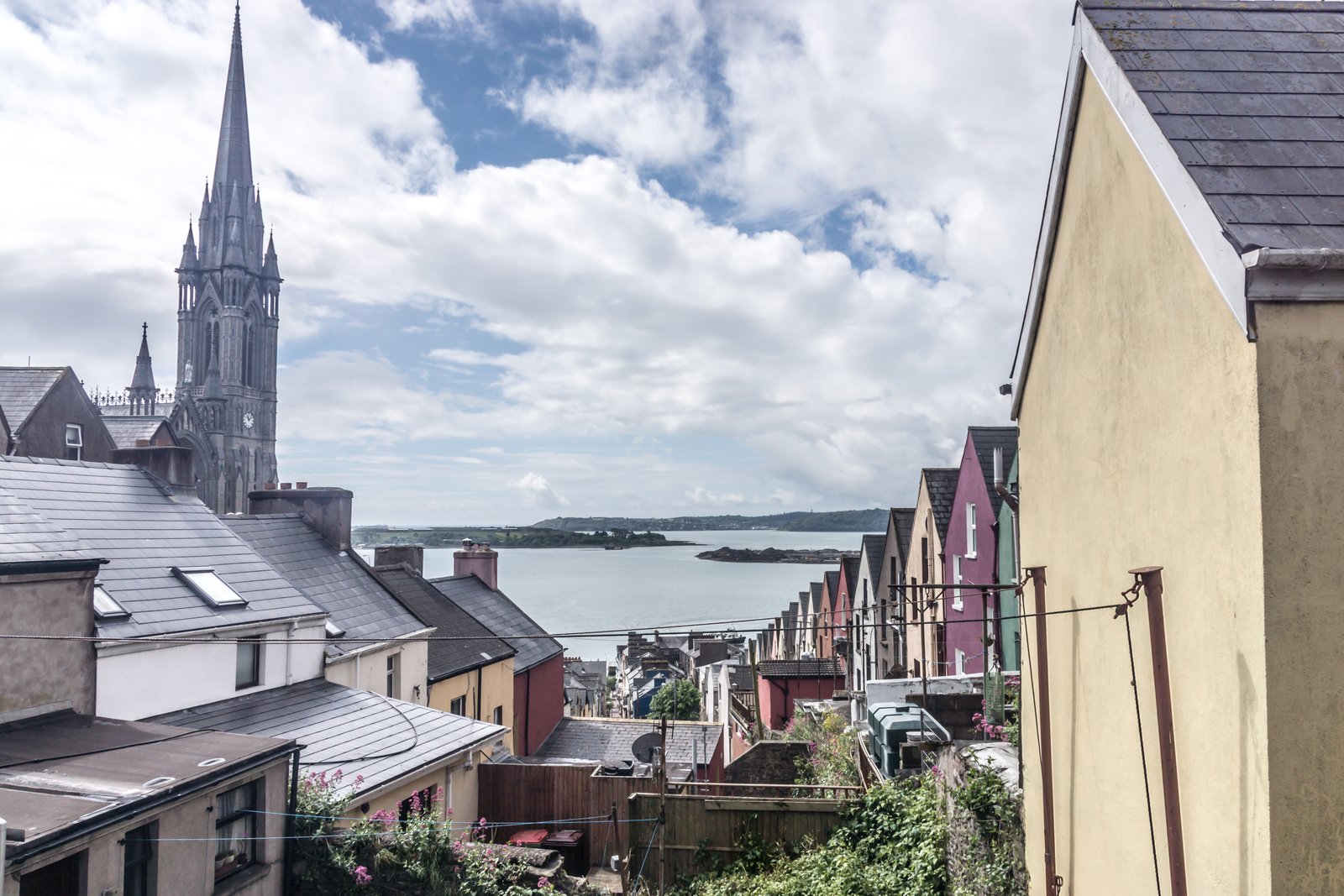
The row of terraced houses known as the Deck of Cards, stacked below St. Colman’s Cathedral, is the south’s most colorful shot. Climb West View or Spy Hill for the frame that lines the houses up under the spire. We arrived as an Atlantic storm rolled in, waited it out, and the sky cleared by 4pm, so don’t write off a gray forecast.
Kinsale, County Cork
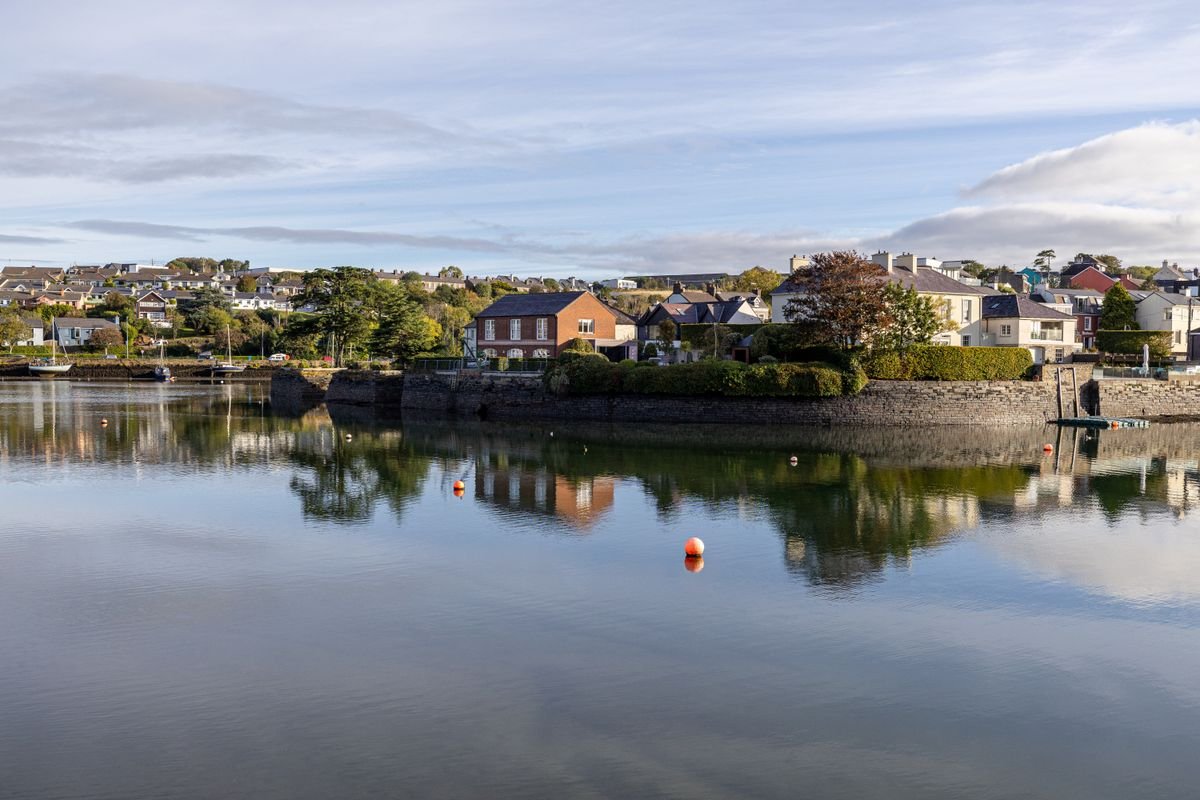
A harbor town of brightly painted shopfronts and narrow streets, and the most photogenic town in the southwest. The colorful terraces on Newman’s Mall and around the waterfront are the frame. Overcast days actually help the colors here, so it’s a good rainy-day stop, and it’s an easy 30-minute drive from Cork city.
Blarney Castle, County Cork
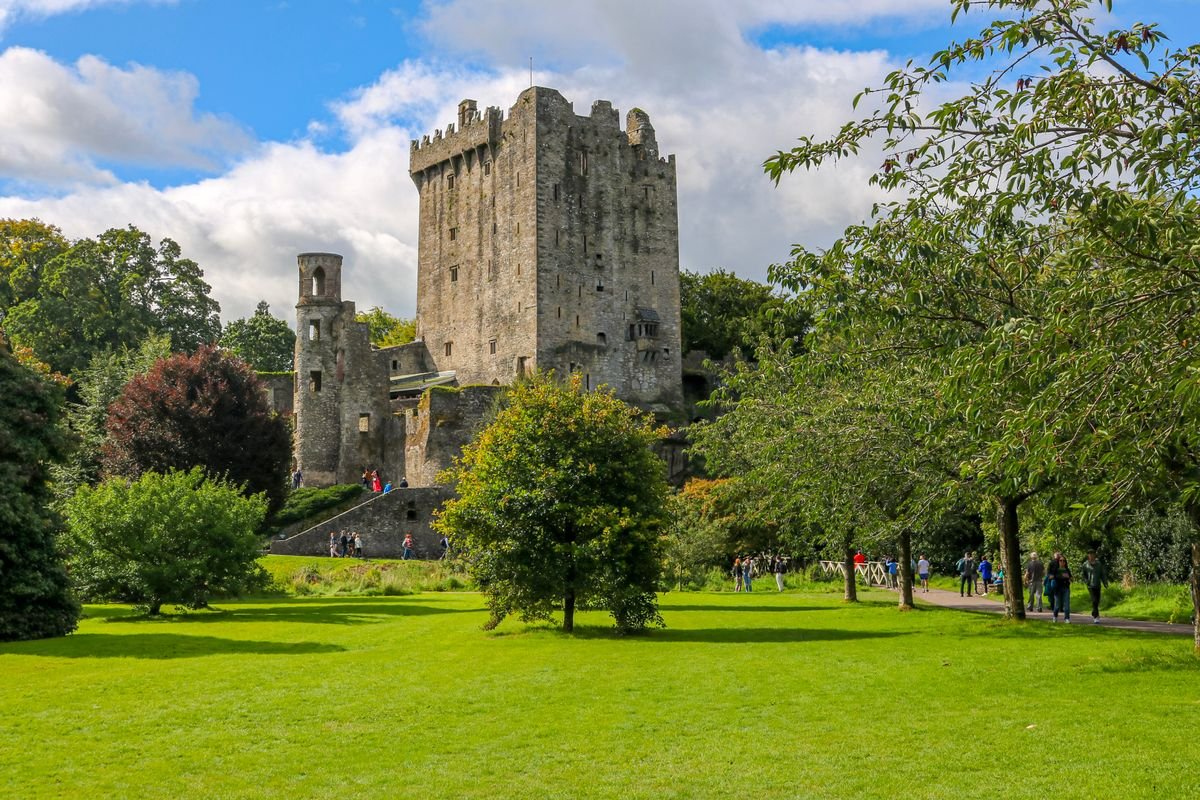
Cork’s most famous stop, and we expected a tourist trap but came away impressed. The classic shot is the castle tower reflected in the river at the base of the grounds, away from the crowd kissing the stone up top. The Fern Garden and Rock Close have the mossy frames. Allow two to three hours, since the grounds dwarf the castle.
👉 See our full visitor guide to Blarney Castle.
Gougane Barra, County Cork
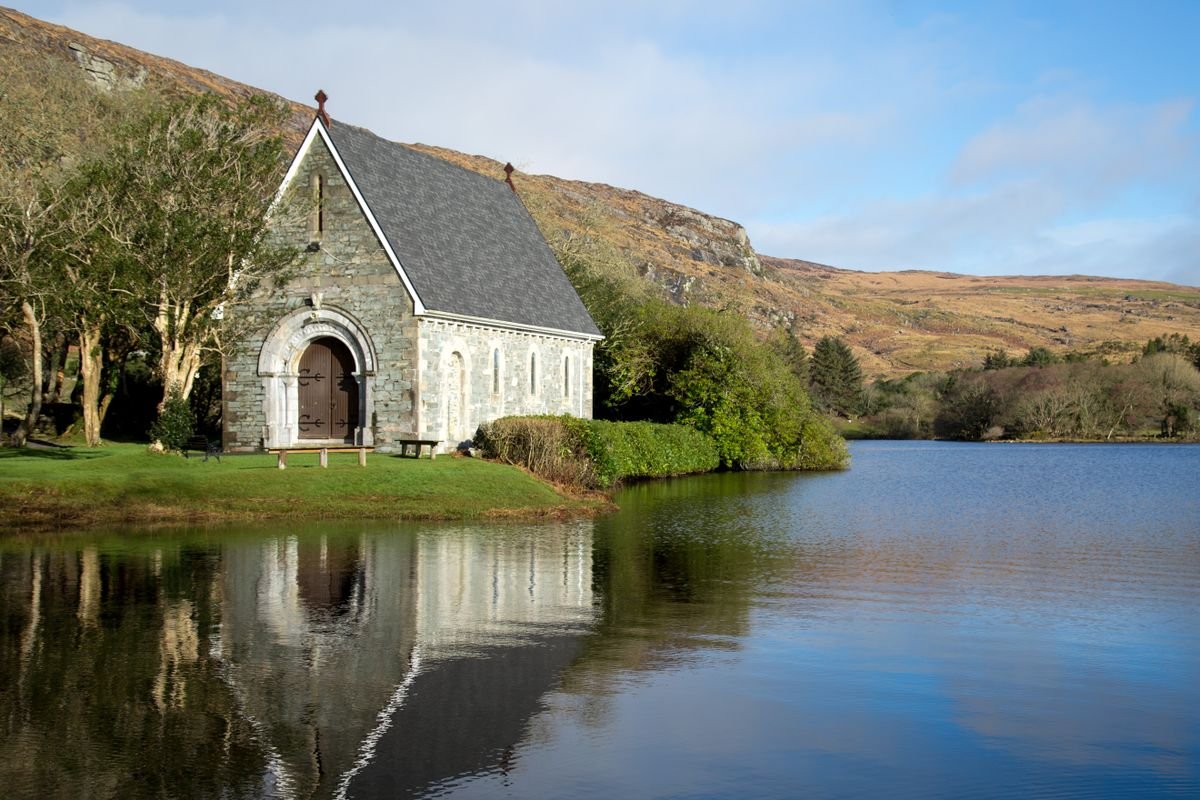
A tiny stone chapel on a small island in a mountain lake, reached by a short causeway, and one of Ireland’s most serene reflection shots. Shoot from the lakeshore with the chapel and the hills mirrored on a still morning. It’s deep in the Shehy Mountains off the main roads, so it stays uncrowded. The forest park around it is worth a walk.
More Wild Atlantic and Inland Spots Worth the Detour
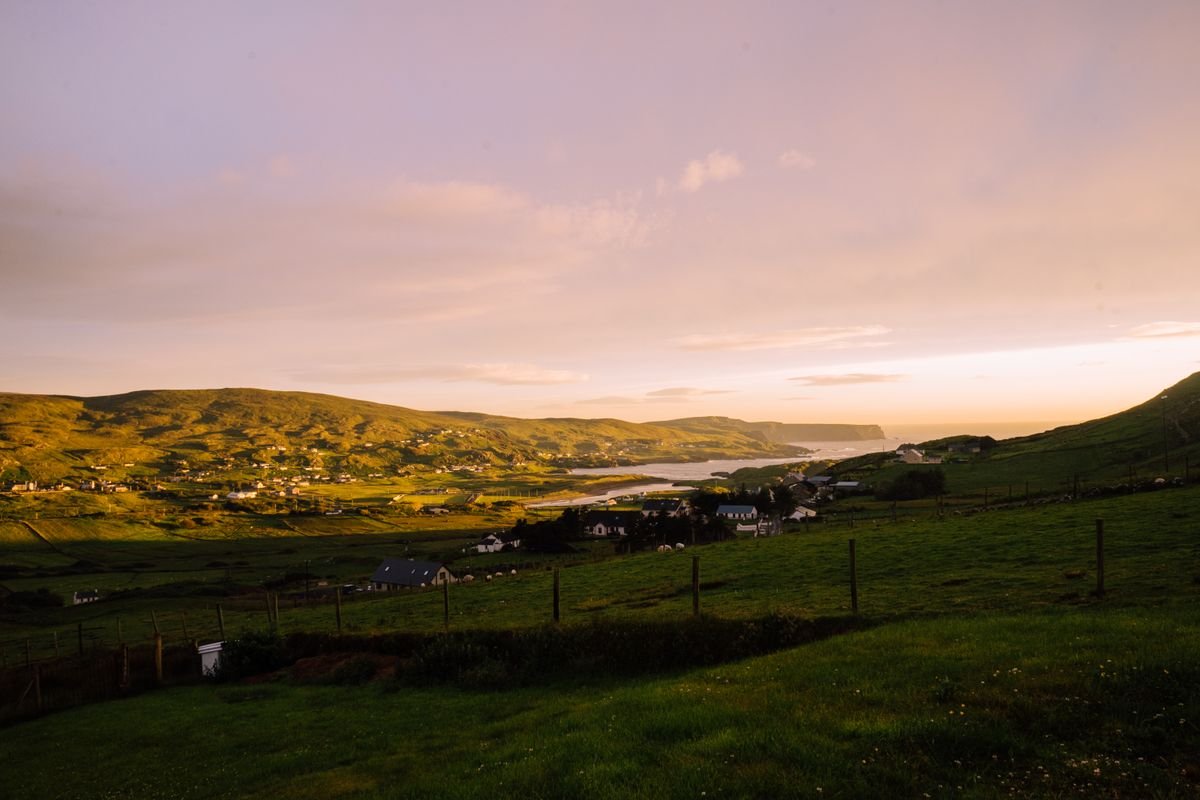
These last five are spread across Donegal and the southwest, and they round out a 30-spot trip. Donegal in particular gets skipped by a lot of first-time visitors, which is exactly why it stays quiet.
Slieve League Cliffs, County Donegal
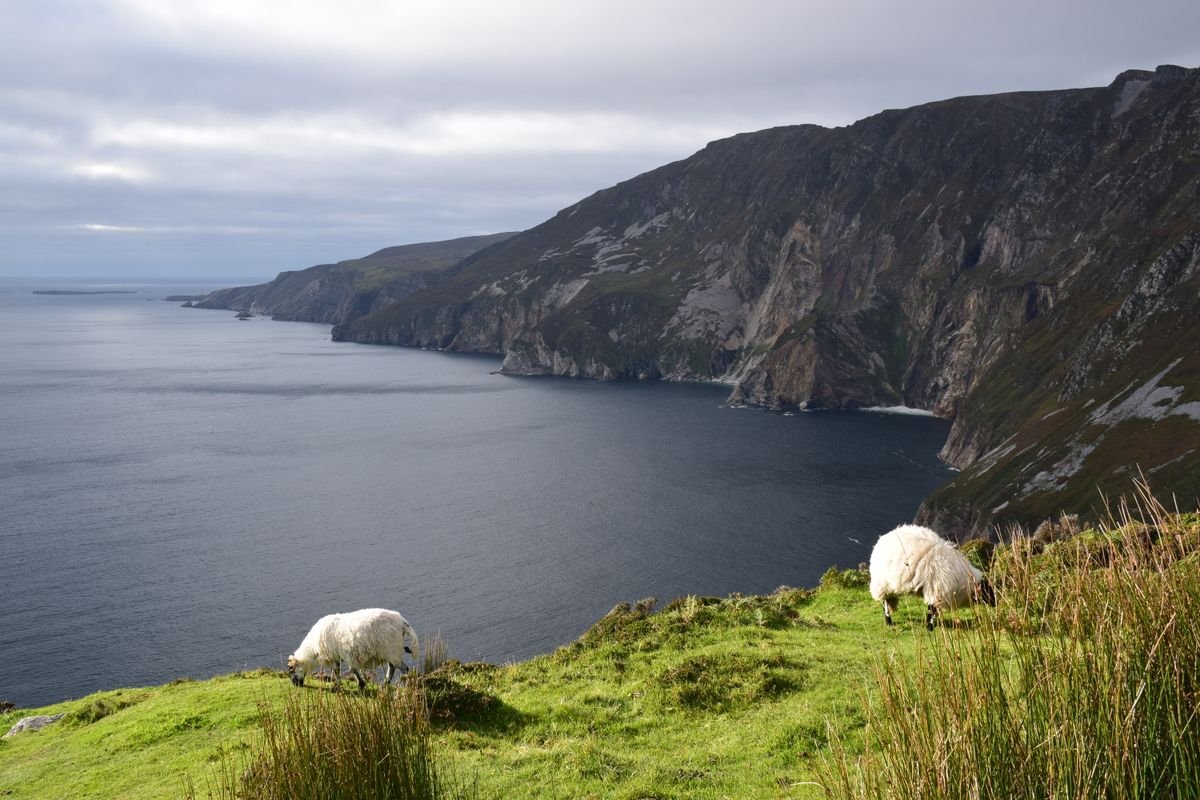
Sea cliffs nearly three times the height of Moher, and far fewer people make it up here. The frame is from the upper viewing point looking along the cliff face as it drops into the Atlantic. Drive to the lower parking lot and walk up, or take the shuttle, and aim for a clear afternoon, since fog rolls in fast at this height.
Fanad Head Lighthouse, County Donegal
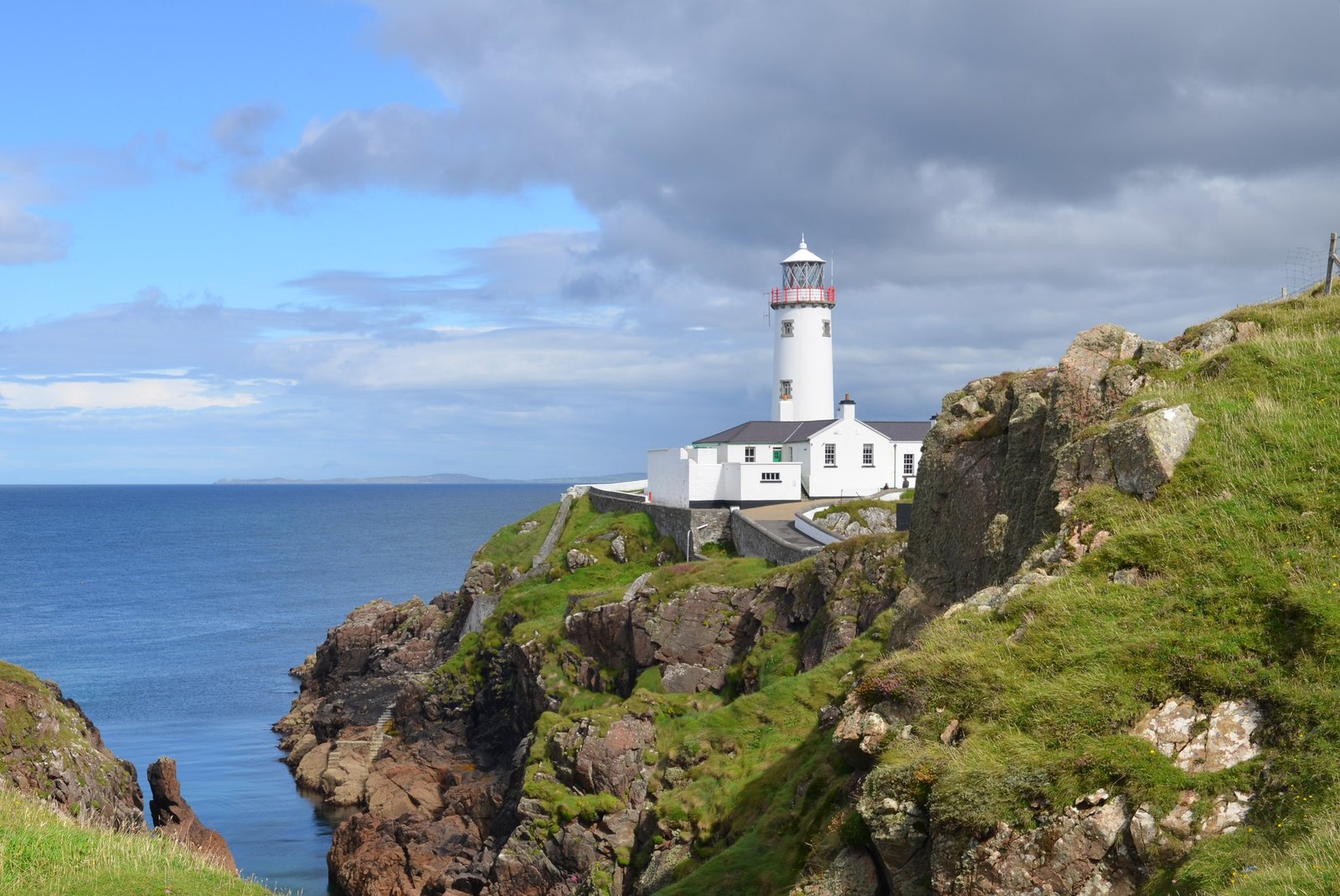
A white lighthouse on a rocky headland reaching into the sea, and Donegal’s most photographed landmark. The shot is from the viewpoint just before the lighthouse, looking across the rocks and the cove to the tower. Go at sunset for warm light on the white walls. It’s a long drive out on the Fanad Peninsula, so build in time.
Glenveagh National Park, County Donegal
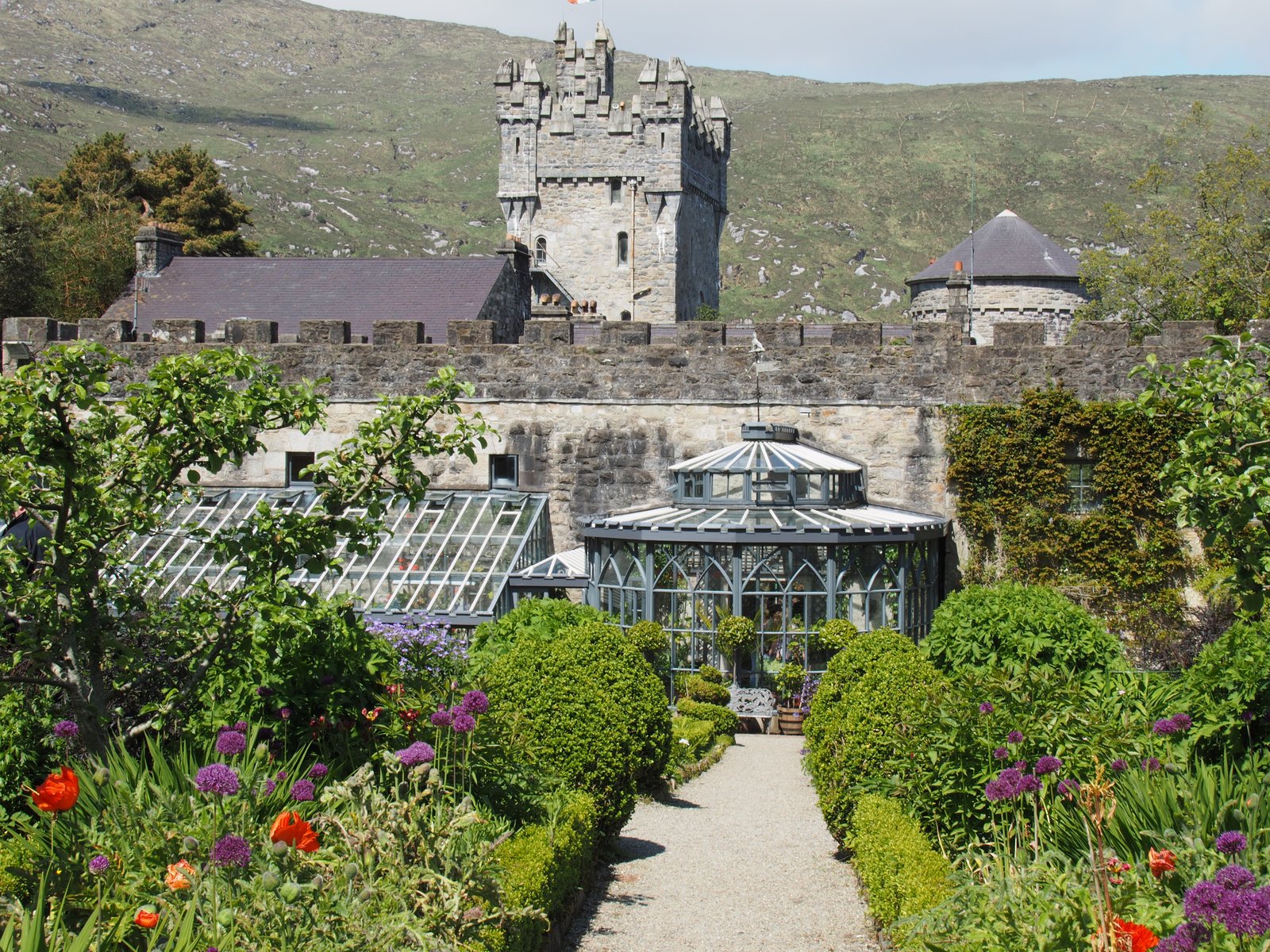
A castle sitting right on the shore of Lough Veagh, ringed by mountains, and the highlight of Donegal’s national park. The frame is from the lakeshore path near the castle with the water and hills behind it. It’s a 3km walk or a short shuttle from the visitor center to the castle, so allow a half day and check the shuttle times.

👉 Check out our full guide to Ireland’s national parks.
Malin Head, County Donegal
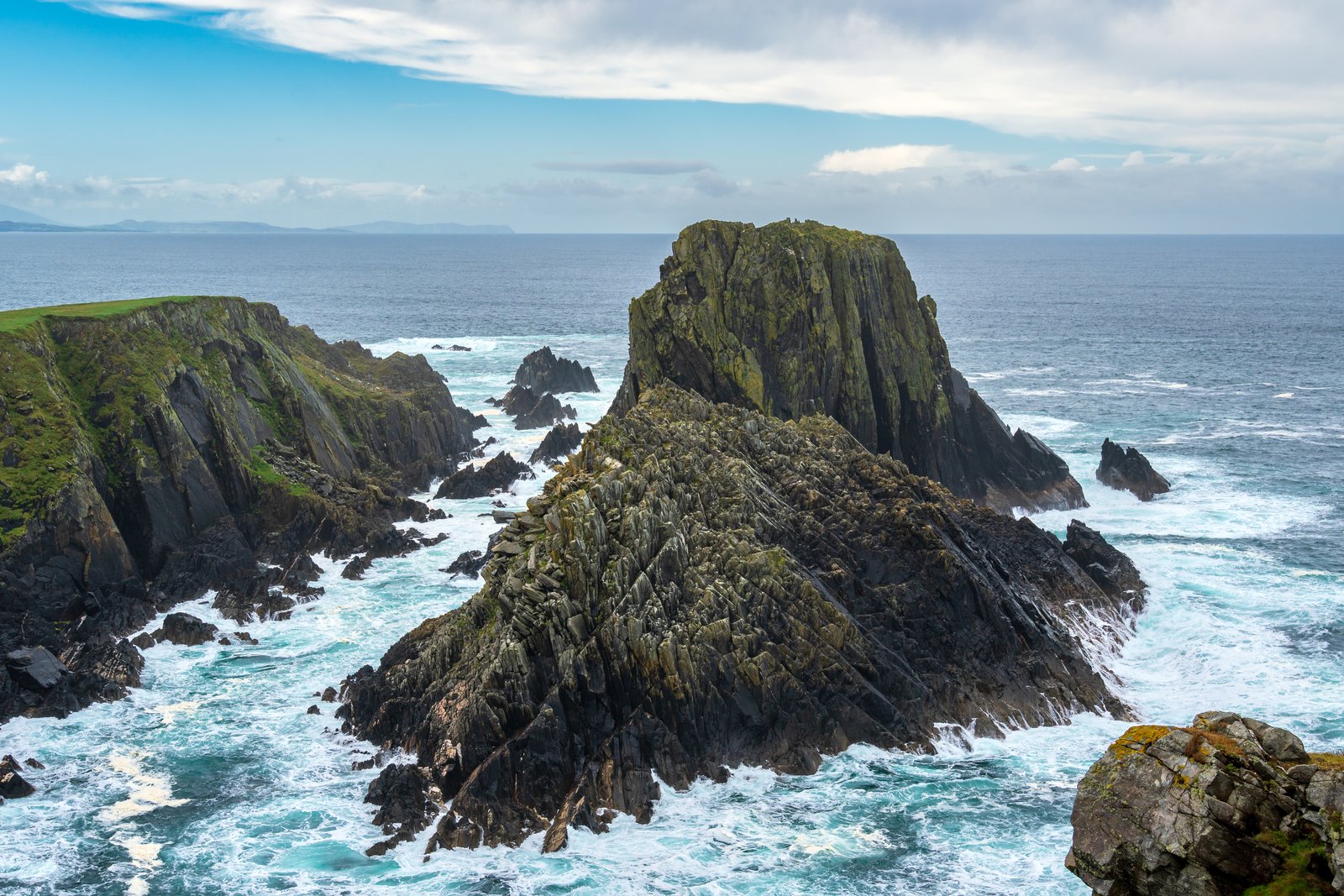
Ireland’s most northerly point, with rugged headland and the coastline that stood in for a planet in a Star Wars film. Shoot from the Banba’s Crown tower for the wide headland view, or down at the eroded cliffs for wilder frames. It’s exposed, windy, and one of the best dark-sky spots in the country, so stay a night for the stars.
Torc Waterfall, Killarney National Park
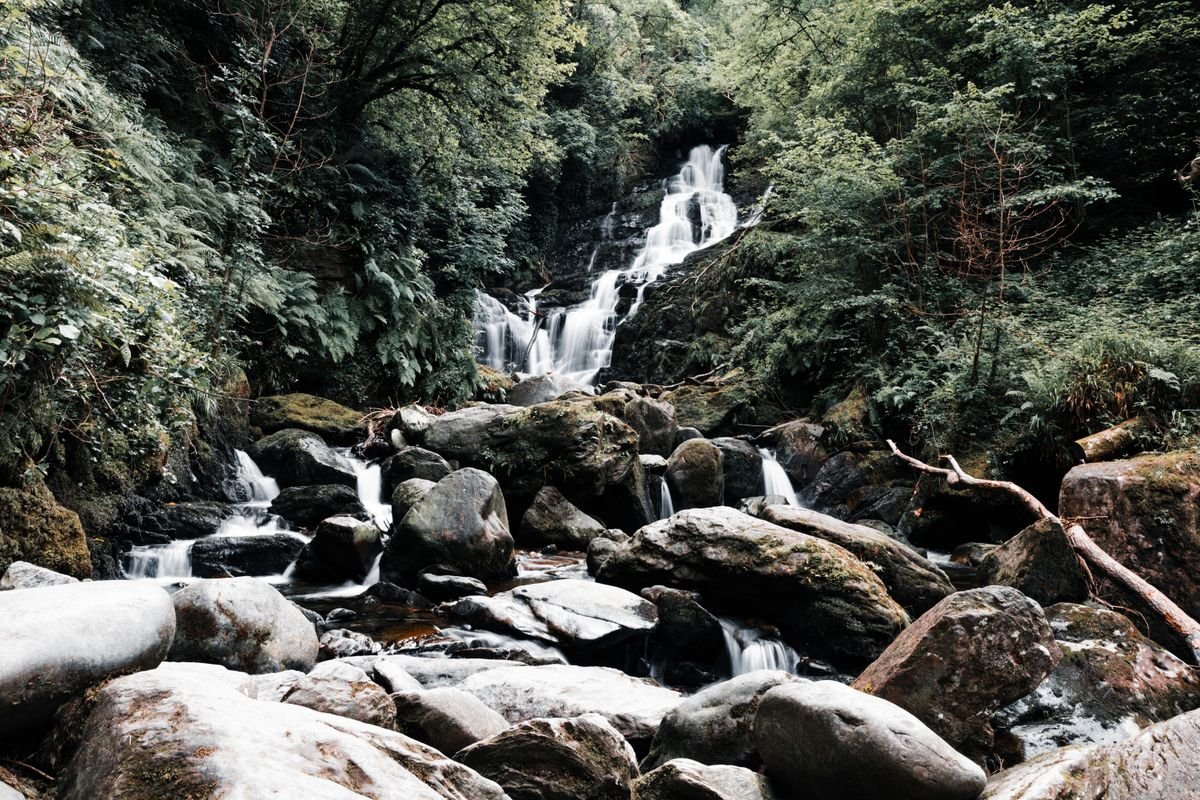
Killarney’s most accessible falls, framed by mossy woodland, and a short walk off the main road. We hit it in heavy rain, which is when it’s at its fullest and most photogenic. Shoot from the viewing platform at the base, and use a slow shutter to smooth the water if you’ve got a tripod. It’s a five-minute walk from the parking lot.
👉 Read our full visitor guide to Killarney National Park.
Plan Your Ireland Road Trip
- A Photographer’s Definitive Ireland Road Trip
- The Best Places to Stay in Ireland
- The Most Haunted Places In Ireland
The Best Time of Year to Photograph Ireland
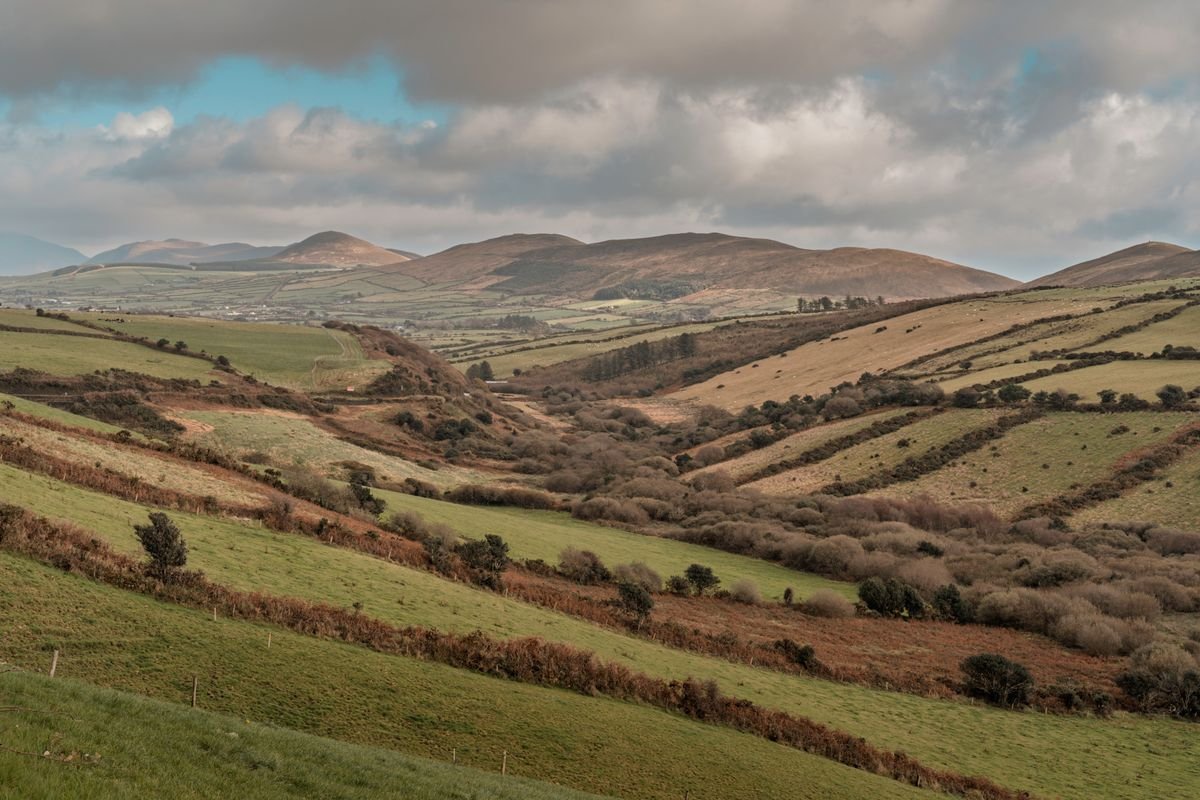
Late spring and early autumn are the sweet spot. May, June, and September give you long daylight, fewer crowds than peak summer, and skies that are dramatic without being a total washout. We drove Ireland in autumn and the light was some of the best we’ve shot anywhere, all low sun and moving clouds.
Summer has the longest days, with light stretching past 10pm in June, but the popular spots get packed and prices climb. Winter gives you moody skies and empty locations, though the days are short and a lot of attractions cut their hours or close.
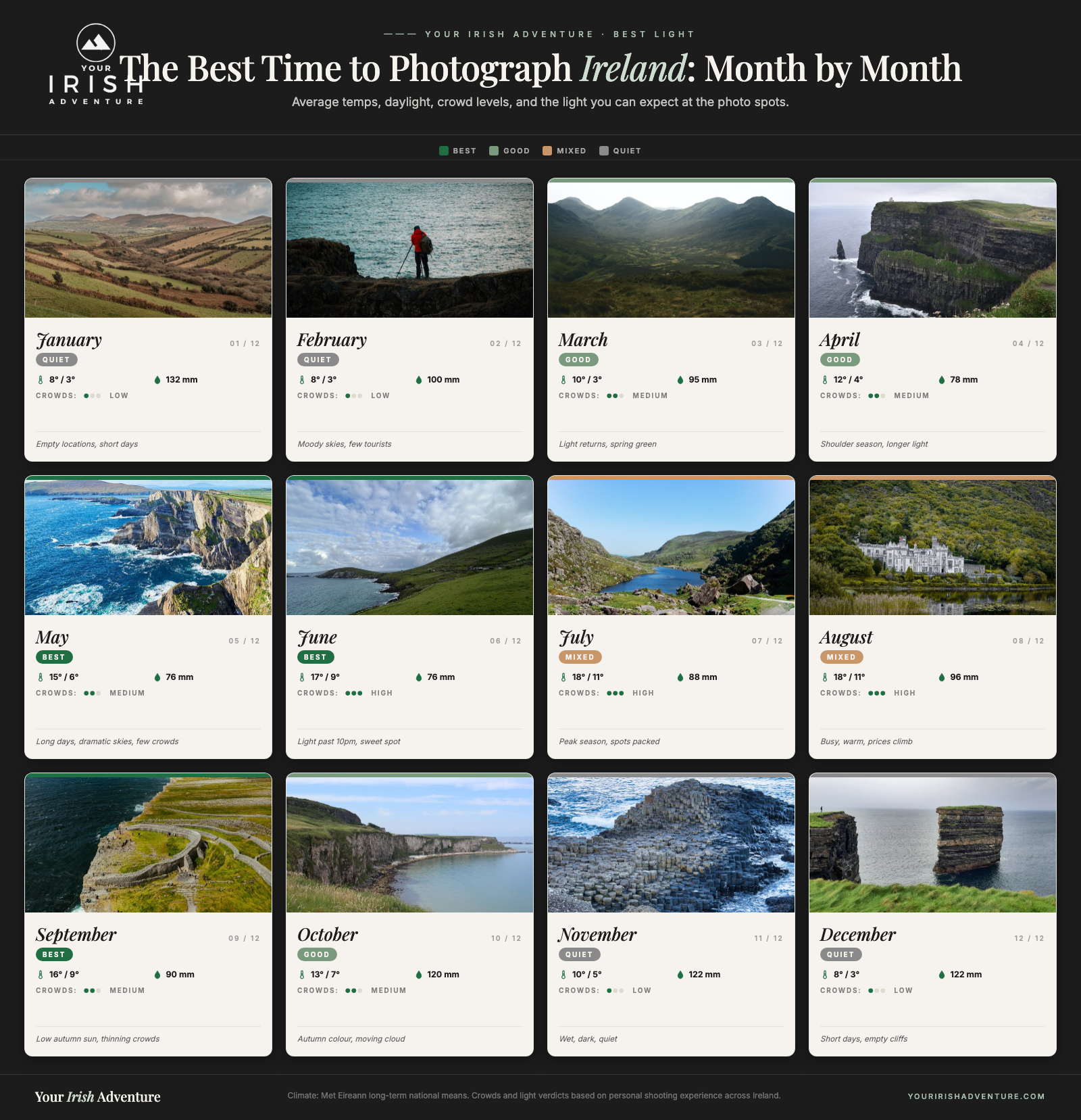
Whatever month you pick, plan around the fact that Irish weather changes by the hour. We had a storm one afternoon in Cobh and blue sky by 4pm the same day. That’s normal. The trick is to stay flexible and be ready to shoot the second the light breaks, rather than banking on a whole clear day.
Tips for Getting the Shot in Ireland
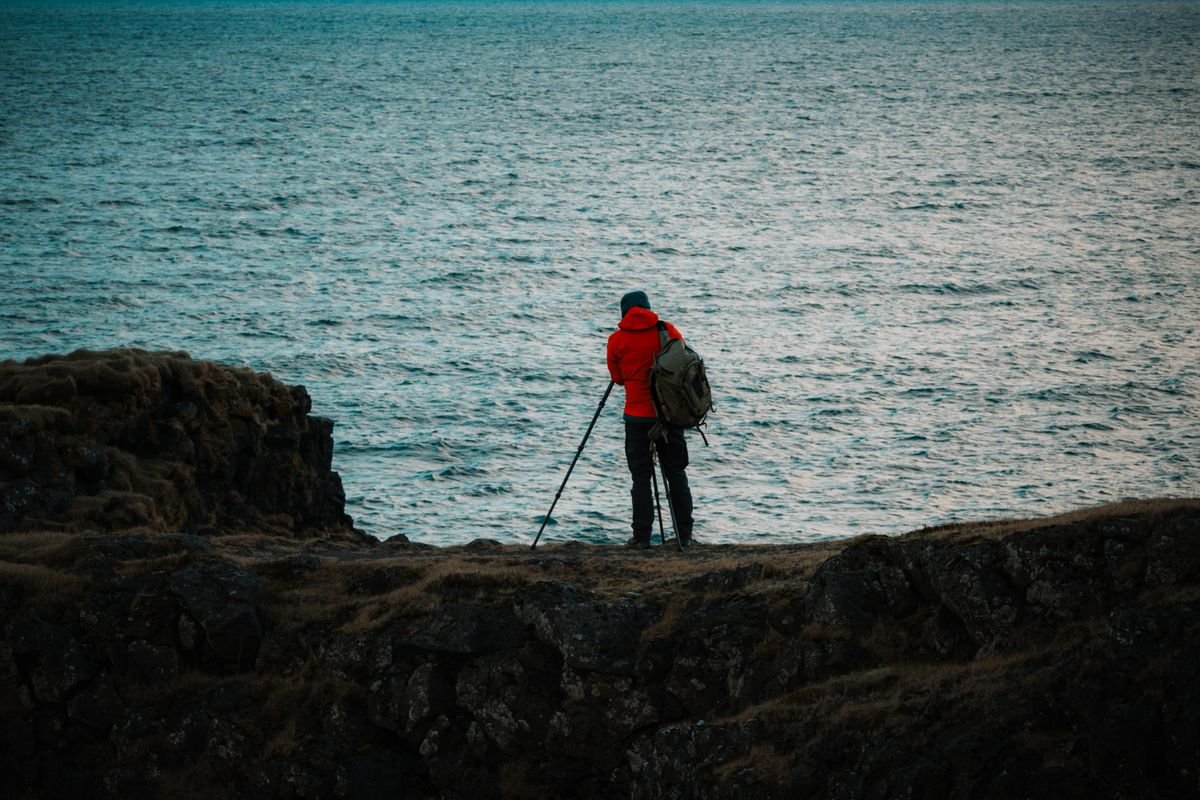
Shoot at golden hour. The hour after sunrise and the hour before sunset do more for these locations than any camera setting, and low sun on cliffs and water is where the drama is. Cliff-edge spots like Moher and Slieve League are best in the evening when the light comes off the Atlantic.
Dodge the crowds with timing. Use the popular-times graph on Google Maps to see when a spot is busiest, then aim for the opposite. Dawn is your friend at the Dark Hedges, the Giant’s Causeway, and Glendalough, where an hour’s difference is the whole shot.
Allow more driving time than the map says. Irish roads are narrow and slow, and a 90km stretch can eat two hours once you factor in tractors, sheep, and photo stops. Don’t cram six locations into one day and expect good light at all of them.
Pack for weather and protect your gear. Rain comes and goes fast, so keep a cloth and a bag cover handy and don’t pack up the moment it drizzles. Some of the best skies come right after a shower. A phone shoots most of these fine, but a small tripod helps for blue hour and waterfalls.
Check drone rules before you fly. A lot of the big sites restrict drones, so look it up per location rather than assuming.
In short
- The Cliffs of Moher and Kerry Cliffs are the standout Wild Atlantic Way shots, best at sunset.
- The Causeway Coast packs the Giant’s Causeway, Dark Hedges, and Dunluce Castle into one day.
- Kylemore Abbey and Gougane Barra give the cleanest reflection shots on a still morning.
- May, June, and September bring long daylight, fewer crowds, and dramatic skies.
- A phone handles most spots; carry a small tripod for blue hour and waterfalls.
Frequently Asked Questions
These are the questions we get asked most about photographing Ireland, from the single best spot to how long you need and whether a drone is allowed.
What are the most Instagrammable places in Ireland?
The Cliffs of Moher are the most photographed spot in the country, but Kylemore Abbey mirrored in its lake is the shot we came away happiest with. It depends on what you’re after: raw coastline points you west to the cliffs, while reflections and heritage point you to Kylemore or the Rock of Cashel.
How many days do you need to photograph the best of Ireland?
You can get a strong set of shots in five to seven days if you focus on one or two regions. To cover the west, north, and south in one trip you’ll want closer to two weeks, since the driving between them adds up fast.
Can you fly a drone at these locations?
Sometimes, but many of the busy heritage sites and national parks restrict or ban drones, and rules differ between the Republic and Northern Ireland. Check each location before you fly, register your drone where required, and don’t launch over crowds.
Do you need a professional camera to get good photos in Ireland?
No. A modern phone handles nearly every spot on this list, and good timing matters far more than the camera. A small tripod is the one add-on worth carrying, for blue-hour city shots and long-exposure waterfalls.
Conclusion
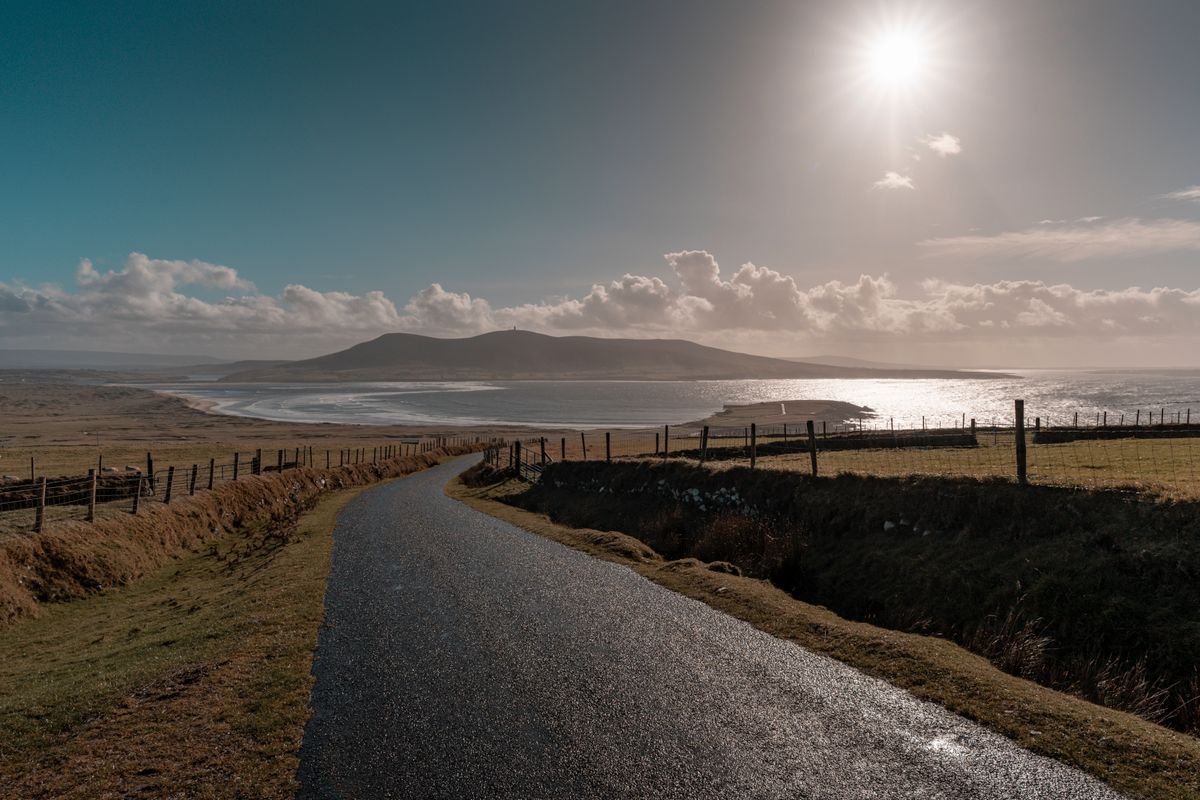
Thirty spots is more than any one trip can cover, so don’t try. Pick a region, base yourself somewhere central, and build a few days around the shots you actually want.
If we had to send you to one area first, it’d be the west coast: Connemara, Kylemore, and the Cliffs of Moher in a few days is hard to beat. Chase the light, stay flexible when the weather turns, and you’ll come home with the shots. All in all, Ireland makes it easy.
Like it? Pin it!
Save this guide for later