
We drove Ireland end to end in a campervan from late September into early October, Dublin down to Cork the long way round, and we picked those dates partly because they were cheap. That timing turned out to be the whole story, because the cheapest time to visit Ireland is not one clean month you can circle on a calendar.
Here’s the catch most budget posts skip. Flights, car hire and hotels don’t all bottom out at the same time of year. Each one has its own price curve, and they cross at different points. Car hire in particular swings harder than anything else, and a compact car that’s cheap in November can cost several times that in July.
So “when is Ireland cheapest” has a different answer depending on what eats most of your budget. Someone flying in for a few nights in Dublin and someone renting a car to drive the whole coast for two weeks are not looking for the same month.
Cheapest is also a different question from the best time to visit Ireland, which weighs daylight, weather and what’s actually open against the price. This post is only about the money.
Below I’ll walk through each of those three costs on its own, flag the weeks that spike prices no matter what, and tell you what the truly cheap months cost you in daylight and weather, since we drove Ireland at the cheap edge of the shoulder. Then I’ll commit to a month, and tell you who it’s wrong for.
Quick Answer:
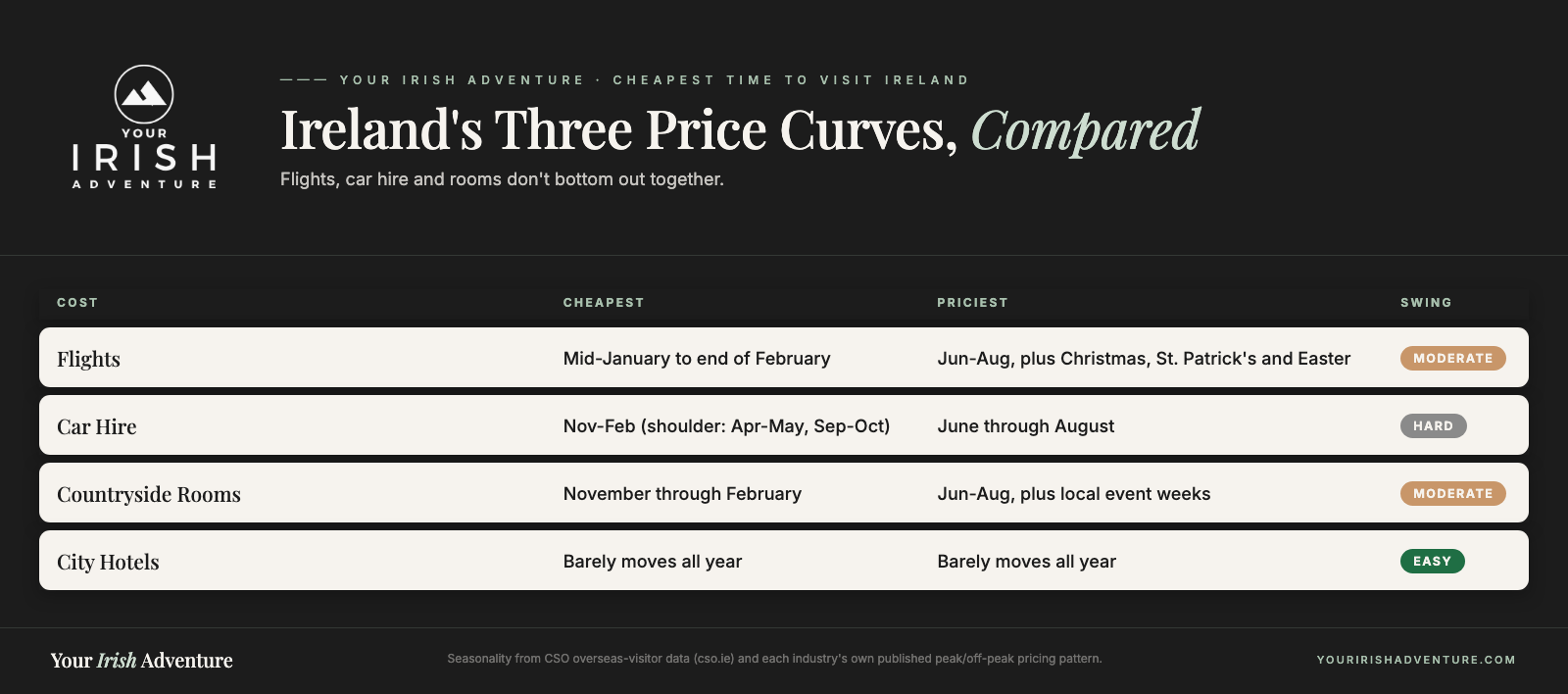
The cheapest time to visit Ireland depends on what dominates your budget. Flights bottom out mid-January through February. Car hire swings hardest, cheapest November through February. City hotels barely move; countryside rooms follow the same winter dip. February wins on price alone; late September trades some discount for real daylight.
More on the Best Time to Visit Ireland
- Best Time to Visit Dublin: Month-by-Month Guide
- Best Time to See the Northern Lights in Ireland
- Best Things to Do in Ireland in Winter (2026 Guide)
- Best Things to Do in Ireland in Summer (Without the Crowds)
The Cheapest Time to Fly to Ireland
Flights are the most predictable of the three costs. They track demand and school holidays, so the price doesn’t slide down a smooth slope across the year. It sits low through the quiet winter weeks and then jumps hard around a handful of dates.
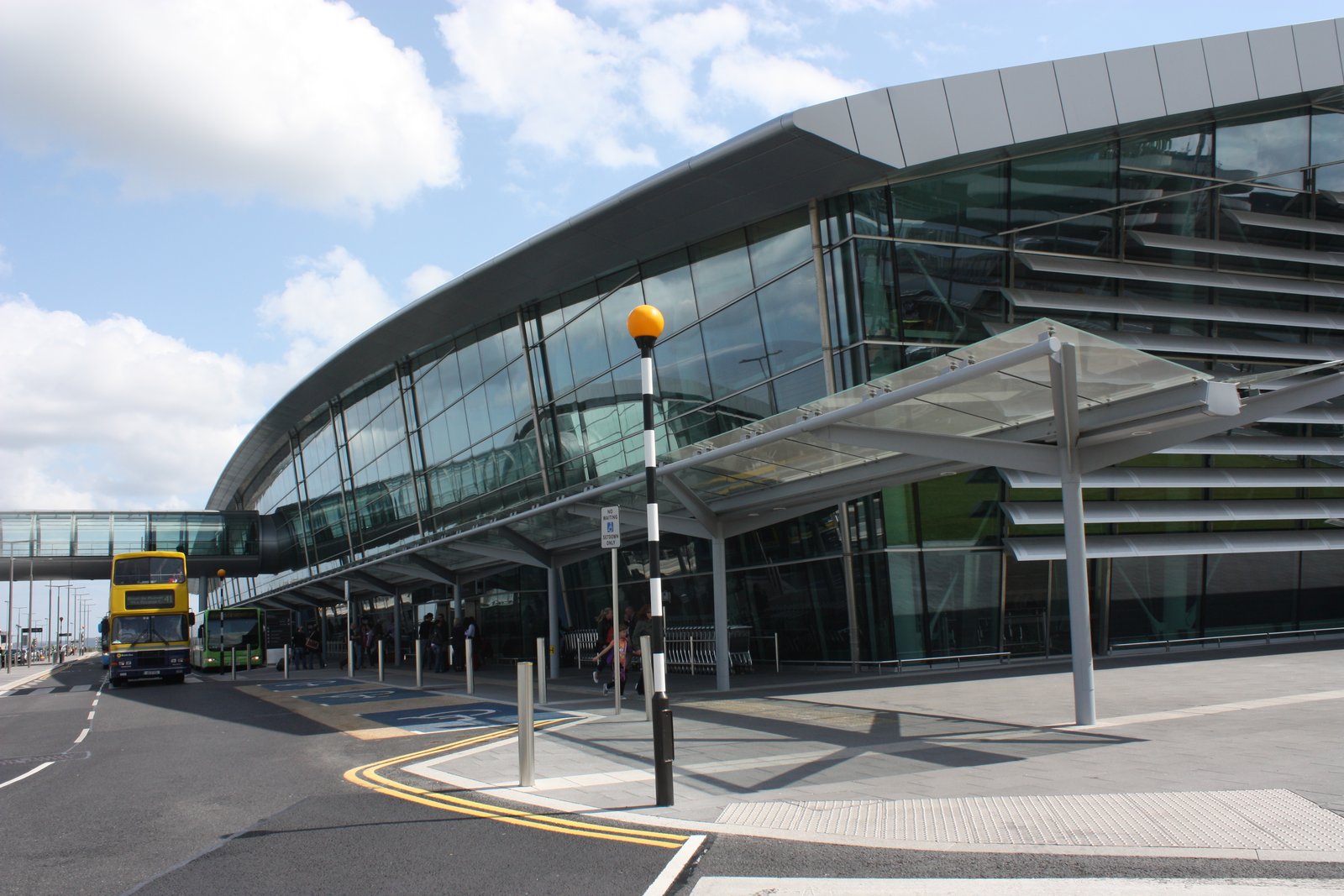
The cheapest transatlantic and European fares to Dublin tend to land in the dead of winter, roughly mid-January through the end of February, one of the quietest stretches of the year for overseas visitors to Ireland.
That’s when airlines have the most seats to spare, so fares drop to fill them. From the US East Coast you can often find round-trips for a fraction of what the same route costs in July.
Summer is the obvious spike. August is the single busiest month of the year for overseas visitors to Ireland, June and July aren’t far behind, and fares climb steadily from May and don’t ease off until well into September. If your only flexibility is summer, book early, because these prices go up as seats sell, not down.
The weeks that spike no matter what
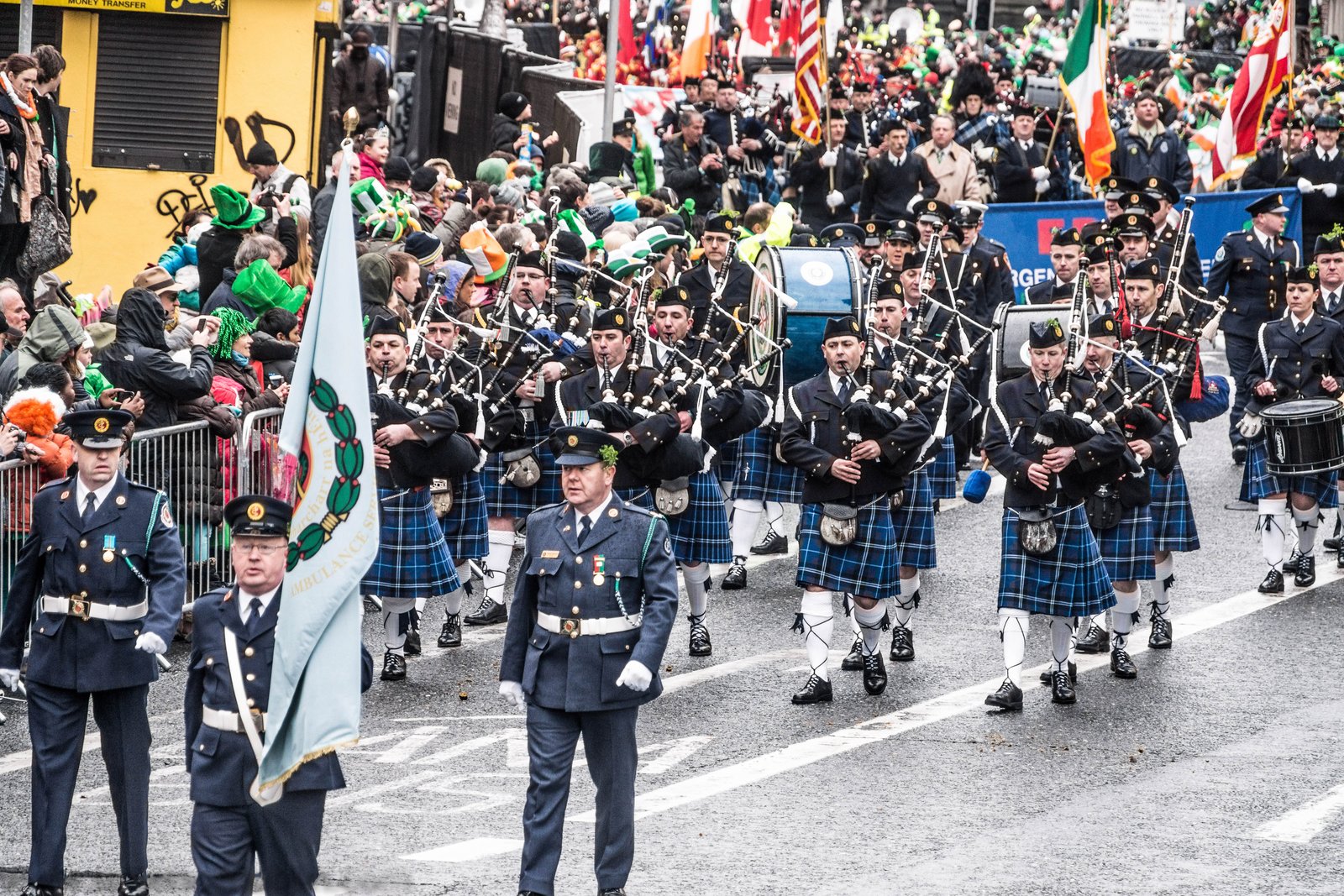
A cheap month can still hide an expensive week. There are a few dates where fares jump regardless of season, and they catch people out.
- The two weeks around Christmas and New Year, when the Irish diaspora flies home and every seat fills.
- St. Patrick’s Day in mid-March, which pulls a wave of visitors into an otherwise quiet stretch.
- Easter week, wherever it falls, since it lines up with school breaks on both sides of the Atlantic.
If you’re chasing the lowest fare, book a midweek departure and dodge those windows entirely. A Tuesday or Wednesday flight in early February is about as cheap as Ireland gets in the air.
One thing to keep in mind about flying in deep winter. The fare is low because almost nobody wants to be in Ireland then, and that same quiet is what drives car hire and hotels down too. So a cheap flight in February isn’t the full picture, it’s the first of three curves, and the other two don’t bottom out on the same week.
The Cheapest Time to Rent a Car in Ireland
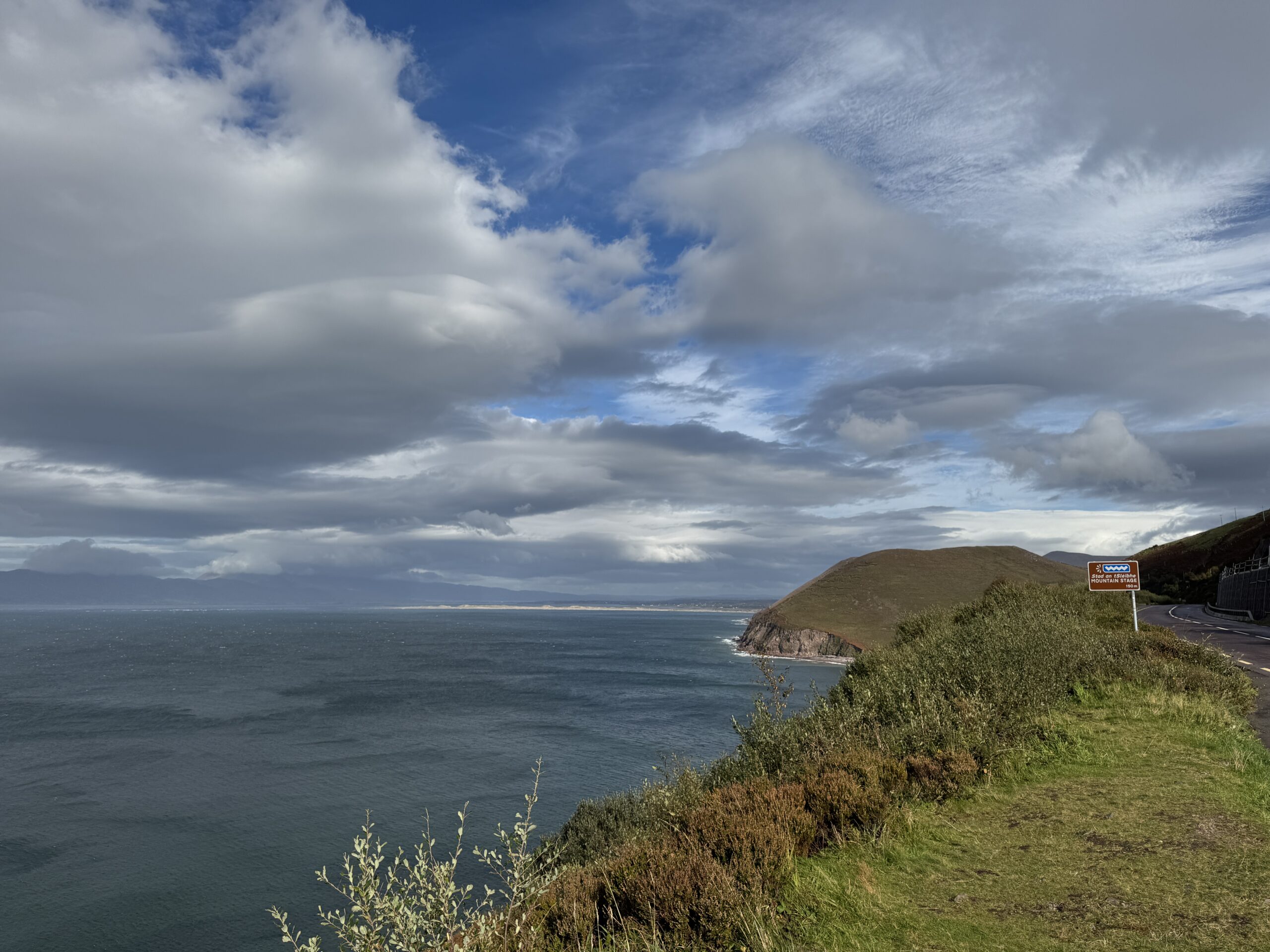
This is where Ireland gets strange. Car hire swings harder across the year than flights or hotels ever do, and the gap between the cheap end and the peak is wider than almost anyone books for. A small manual that’s cheap to rent in the quiet months can cost dramatically more a day once you’re booking inside the height of summer.
The reason is supply. Ireland’s rental fleet is finite, everyone wants a car for the same July and August weeks, and the daily rate is basically an auction against every other visitor driving the Wild Atlantic Way at the same time as you.
So this is the one line of your budget where timing does the heavy lifting. Move your trip a few weeks off peak and the car alone can save you more than the flight.
Where the car curve actually drops
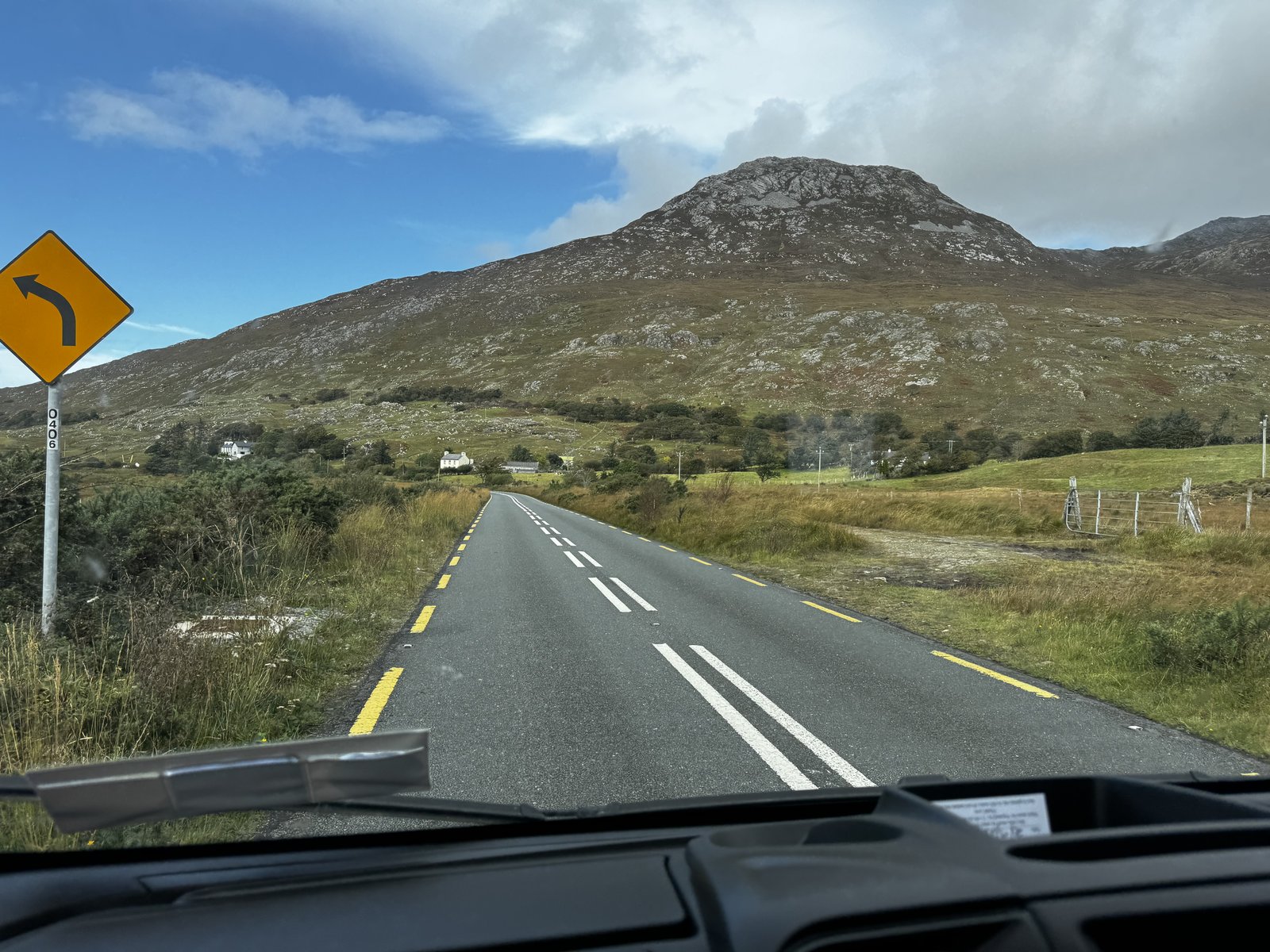
The car rate falls away from summer prices well before flights or hotels do. That drop starts in the shoulder season, the stretch either side of peak, roughly late April into May and then again through September and October.
We drove Ireland at the tail of that autumn shoulder, late September into early October, and the roads had already thinned out. Fewer campervans on the narrow bits, no wait for a parking spot at the good viewpoints, and the whole coast felt like it had exhaled after the summer. That same easing is what pulls rental rates down.
Go deeper into winter, November through February, and the daily rate bottoms out completely. If the car is the biggest line in your budget, and for anyone driving the whole country for a week or two it usually is, those cold months are unbeatable on wheels.
We travelled by campervan, not a hire car, so I’m not quoting rental rates I paid myself. But it’s the same country and the same demand calendar, and the pattern holds. Anything with four wheels in Ireland is cheapest when the fewest people are trying to drive it.
Two things that quietly add to the number

The headline daily rate is not the whole cost, and two extras catch people out no matter what month they book.
- Most Irish rentals are manual. Automatics are a smaller slice of the fleet, they cost more, and in summer they sell out first, so book one early or learn to love a stick shift.
- The insurance and the excess policy can cost as much as the car. Sort out whether your own coverage works in Ireland before you land, because the desk upsell is where a cheap booking stops being cheap.
Book the car the moment your dates are firm. Unlike flights, where last-minute winter deals exist, the good-value cars in the shoulder and summer months are simply gone if you wait, and you’re left paying the auction rate.
Once you’ve picked a month, compare car hire deals on Discover Cars for your actual dates rather than trusting a seasonal average.
Road Trips and Getting Around Ireland
- A Photographer’s Definitive Ireland Road Trip
- Wild Atlantic Way Itinerary – Ireland’s Most Epic Road Trip
- Tips For Camping In Ireland And What To Bring
The Cheapest Time to Book Accommodation in Ireland
Accommodation is the stubborn one. It doesn’t swing like car hire and it doesn’t spike on a handful of dates like flights. It just sags a bit in winter and firms up again for summer, and it never quite gives you the bargain the other two do.
The reason is that a hotel can’t move its rooms. A rental fleet shrinks in winter and a plane flies half empty, but a Dublin hotel has the same beds in February as it does in July. To stay full through the quiet months it has to hold its rates up, so the floor under a city room is a lot higher than the floor under a car.
Cities stay stubborn, the countryside gives
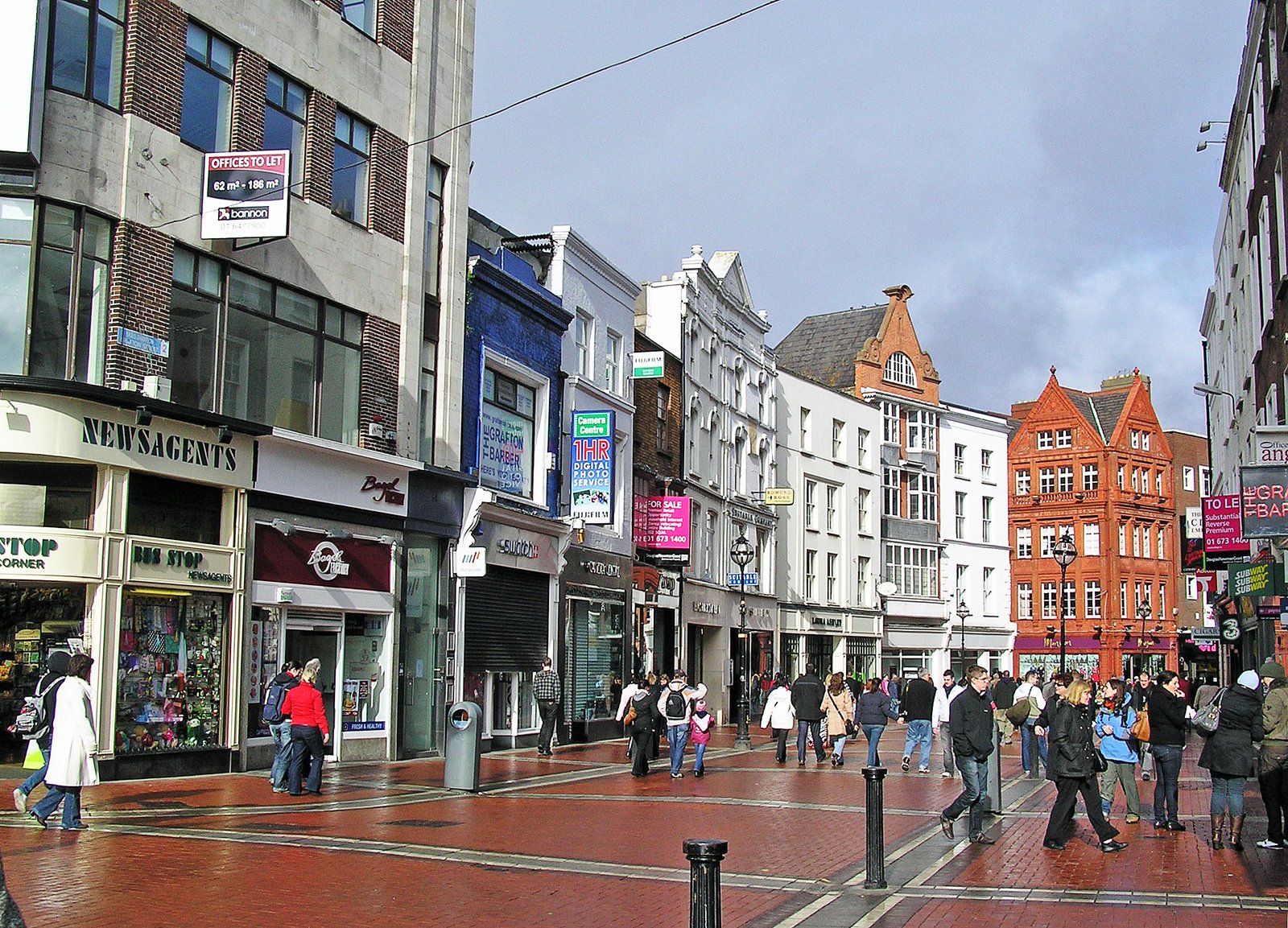
Here’s the split that matters. Dublin, Galway and Cork barely soften off-peak. Business travel, events and stag weekends keep the cities busy year round, so a January rate in Dublin isn’t far off a shoulder rate. You’ll save something, but not much.
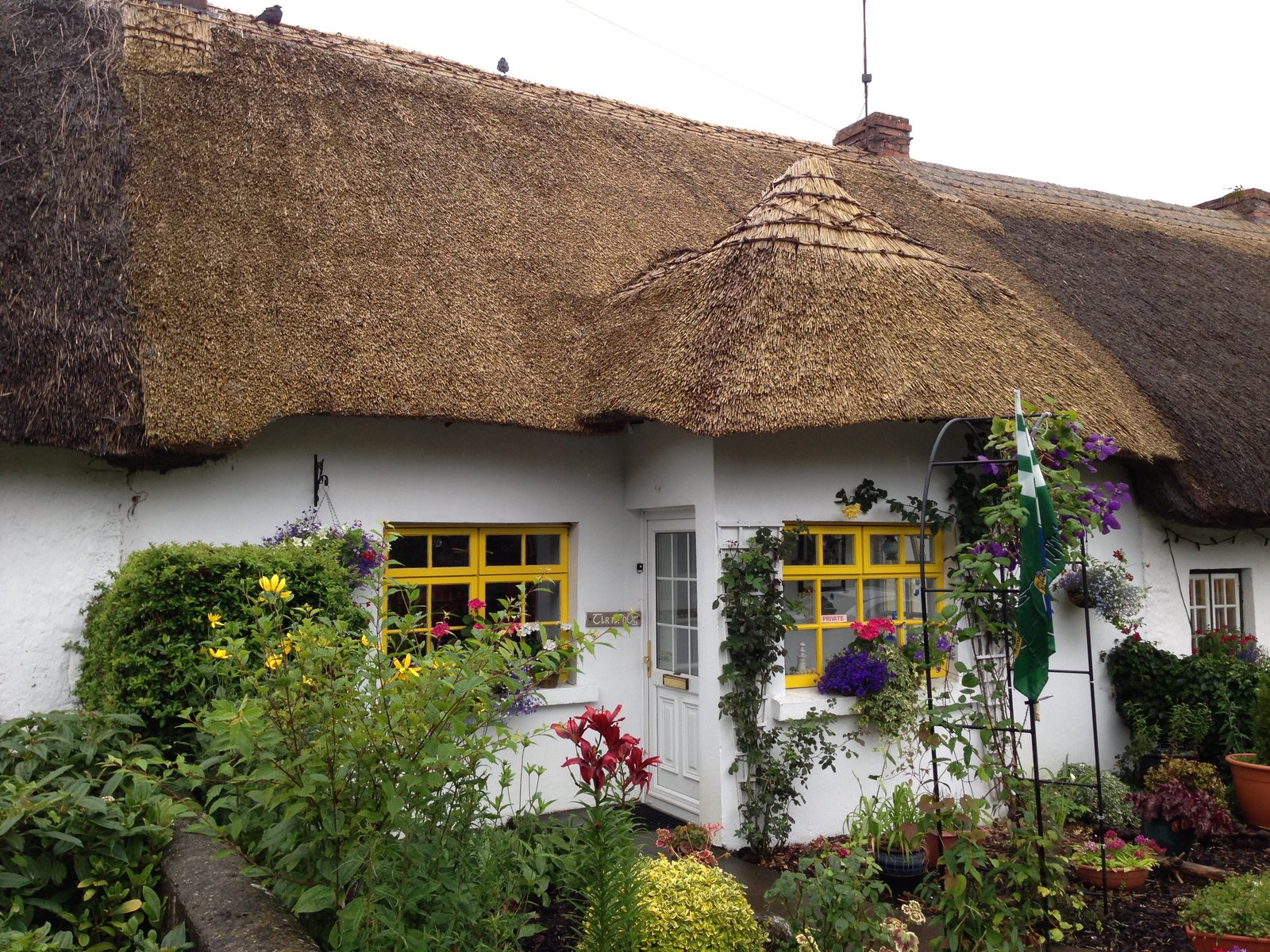
The countryside is where accommodation actually drops. B&Bs, guesthouses and small-town hotels that live off summer tourists cut hard once the crowds thin, and plenty of them close for the winter entirely. When we drove the west and southwest late in the year, the rural places still open were quiet and clearly not charging July money.
So a trip built around Dublin and a trip built around driving the coast don’t save the same way on beds. The city keeps its price and the country hands you the discount.
Where the real accommodation savings hide
If you want the biggest drop on where you sleep, two moves do more than picking a cheap month ever will.
- Base yourself out of the cities. A guesthouse in a smaller town runs well under a comparable city room and falls further off-peak.
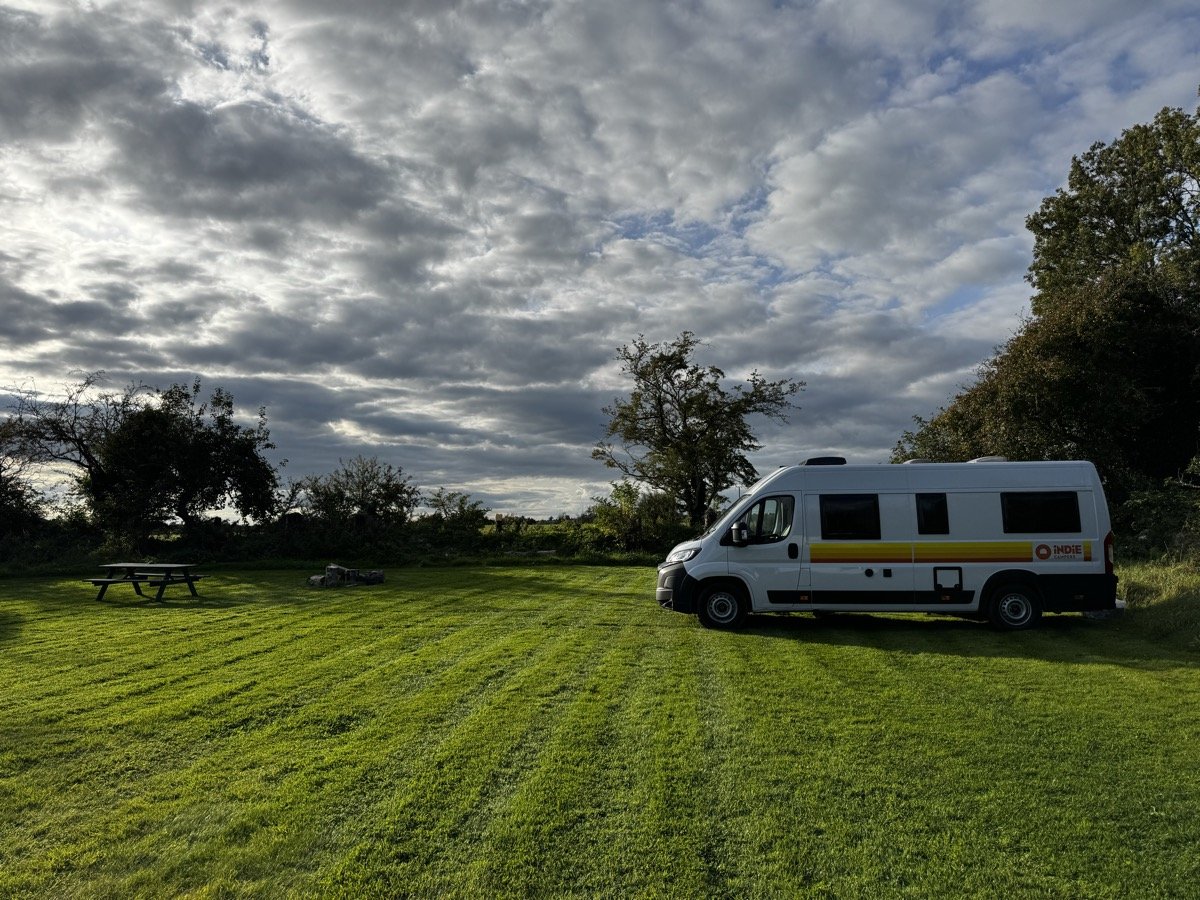
- Travel with your own bed. We did the whole trip by campervan, and Tua Campsite, a field behind a country pub in Lorrha, cost us €10 a person, a fraction of any room in the country, let alone a city.
You don’t need a van to use that logic. Renting a car and staying in rural B&Bs gets you most of the way there, because the moment you leave the cities the price of a bed starts behaving like everything else in Ireland and drops when the crowds do.
One honest warning on the cheap months. Book the countryside ahead even in the quiet season, because so many rural places shut for winter that the few still open fill up faster than you’d expect for a cold Tuesday in the middle of nowhere.
Given how fast the good rural options disappear, check availability on Booking.com as soon as your dates are set, city or countryside.
Planning and Budgeting for Your Ireland Trip
- The Cost of a Golf Trip to Ireland: A Real Breakdown
- The Cheapest Pint In Dublin: A Local’s Guide
- What to Know Before Traveling to Ireland: 15 Tips
The Weeks That Spike Prices Everywhere
Everything above treats the year as three slow curves. Real life has spikes too. There are stretches where flights, cars and rooms all jump at once, and they don’t care which cheap month you thought you’d booked into.

The Christmas fortnight, St. Patrick’s Day and Easter I already flagged for airfares, but they hit the other two just as hard. Rural rooms fill, the good-value cars vanish, and a low base rate stops meaning anything when demand piles onto the same few days from every direction.
The sneakier ones are the local event weeks. A single festival or fixture can send the room rate in one town sharply higher while the rest of the country sits at its normal rate, so a cheap month on paper turns expensive because of where you happen to be sleeping that night.
- The Galway Races in late July and early August, when the whole city books out and rooms go for a wild premium.
- Big summer festivals like the Galway International Arts Festival, which swallow a town’s accommodation for their run.
- All-Ireland final weekends in September, when the host counties and Dublin get busy fast around the matches.
- Public holiday long weekends through the year, when Irish families travel domestically and the countryside tightens up.
We drove late in September on purpose, after the race and festival season had wound down, and you could feel the difference. The roads were easy, rooms were there when we wanted them, and nowhere we stopped was charging event money.
So before you lock in dates, check what’s on in the towns you’re actually staying in. Shifting your trip by three or four days, or just sleeping one town over, is often the whole difference between a normal week and a spike.
What You Give Up by Traveling in the Cheapest Months

All three curves bottom out in deep winter, roughly November through February. That’s the off-season, the cheap window when the flight is low, the car is at its floor, and the rural rooms have softened. The catch is that Ireland gives you less to work with in those months, and it pays to know exactly what less means.
The biggest one is daylight. In late December the sun is up for about seven and a half hours, so you’re driving in the dark on both ends of the day. We felt the front edge of that in late September, when the light was already gone by around seven and we lost an hour or two of every afternoon we’d have had in June.
That matters more than it sounds. A lot of Ireland is the drive itself, the coast road, the mountain pass, the view you pull over for. In winter you get far fewer usable hours to do it in, and half your scenic driving happens after dark.
Weather is the second cost. We hit heavy rain in Dingle and only saw the town at night, and an Atlantic storm pinned us inside the van for hours in Cobh before it cleared. That was the shoulder. Winter turns those days from occasional to normal, and the wind off the Atlantic is real.
Then there’s what’s actually open. Even at the tail of September we found rural spots shut for the season, and one Kilkenny restaurant we’d hoped to try was closed. Go deeper into winter and whole swathes of the countryside, seasonal B&Bs, smaller attractions, some coastal restaurants, lock the doors until spring.
None of this means winter is a bad call. Short days, hard weather and shut doors are a fair trade for the cheapest flight, the cheapest car and a country that isn’t crowded. You just want to go in knowing the trip runs on Irish winter terms, not summer ones, and plan a shorter day around the daylight you actually get.
More Ireland Seasonal Packing Guides
- Ireland in November: Weather, Packing, Festivals and More
- Ireland Packing List for May: Summer Is Here
- Ireland Packing List for April: Spring Is In The Air
- Ireland Packing List For September
In short
- Flights bottom out mid-January through February, the quietest stretch for overseas visitors.
- Car hire swings hardest of the three costs, cheapest November through February.
- City hotels barely move in price all year, even in Dublin, Galway or Cork.
- Christmas, St. Patrick’s Day, Easter and the Galway Races spike prices regardless of season.
- Late September gave us near-winter prices with real daylight and most doors still open.
Frequently Asked Questions
What is the single cheapest month to visit Ireland?
November through February is where all three costs sit lowest at once, and February is the safest pick if you want the flight, the car and the rural room all cheap on the same trip. Just know you’re buying short days and hard weather along with the low price.
Is Ireland actually cheaper in winter?
Yes, on flights and cars especially. Winter airfares from the US can run well below July’s, and the car rate falls to its floor. City hotels barely budge, so if your whole trip is Dublin the winter saving is smaller than you’d hope.
How much can I save by moving my trip a few weeks off peak?
The car is where you feel it most. A small manual can cost dramatically more a day in July than it does in the quiet months, so nudging a two-week driving trip out of high summer can save more than the flight does.
When is the most expensive time to visit Ireland?
June, July and August, with the sharpest peaks around the Christmas fortnight, St. Patrick’s Day and Easter. Layer a local spike like the Galway Races on top of summer and a room in that town can cost far more than the same bed the week before or after.
Is late September a good compromise?
It’s the sweet spot we chose, and I’d choose it again. The roads had thinned, rural rooms weren’t charging summer rates, and the car curve had already dropped, but we still got real daylight and most places were open. You trade a little light and a bit of weather luck for close to winter prices.
The Verdict: Which Cheap Month Fits Your Trip
Here’s the commitment. If you’re driving the whole country and the car is your biggest budget line, book February. The flight is at its floor, the car rate bottoms out, and the rural rooms have softened. It’s the one month where all three curves sit low at once, and for a two-week road trip it saves the most by a clear margin.
But February is wrong for a lot of people, and I won’t pretend otherwise.
If your trip is mostly Dublin, skip February. The city hotel barely moves off-peak, so you’re buying seven and a half hours of daylight and a lot of rain to save almost nothing on the one cost that dominates your budget. A midweek flight in a quiet stretch is the only real saving there, and you can get that without freezing.
And if you want cheap without gutting the trip, late September is the honest answer over deep winter. It costs a bit more than February, but you get real daylight, open doors, and a car curve that’s already dropped. We drove it at that exact edge and I’d book it again in a heartbeat.
So there’s no single cheapest month, because the three costs don’t agree. February for the driver chasing rock bottom, a quiet-stretch midweek flight for the Dublin city break, and late September if you want most of the saving without the short days. Pick the one that matches your budget, and book the car the second your dates are firm.
Like it? Pin it!
Save this guide for later