
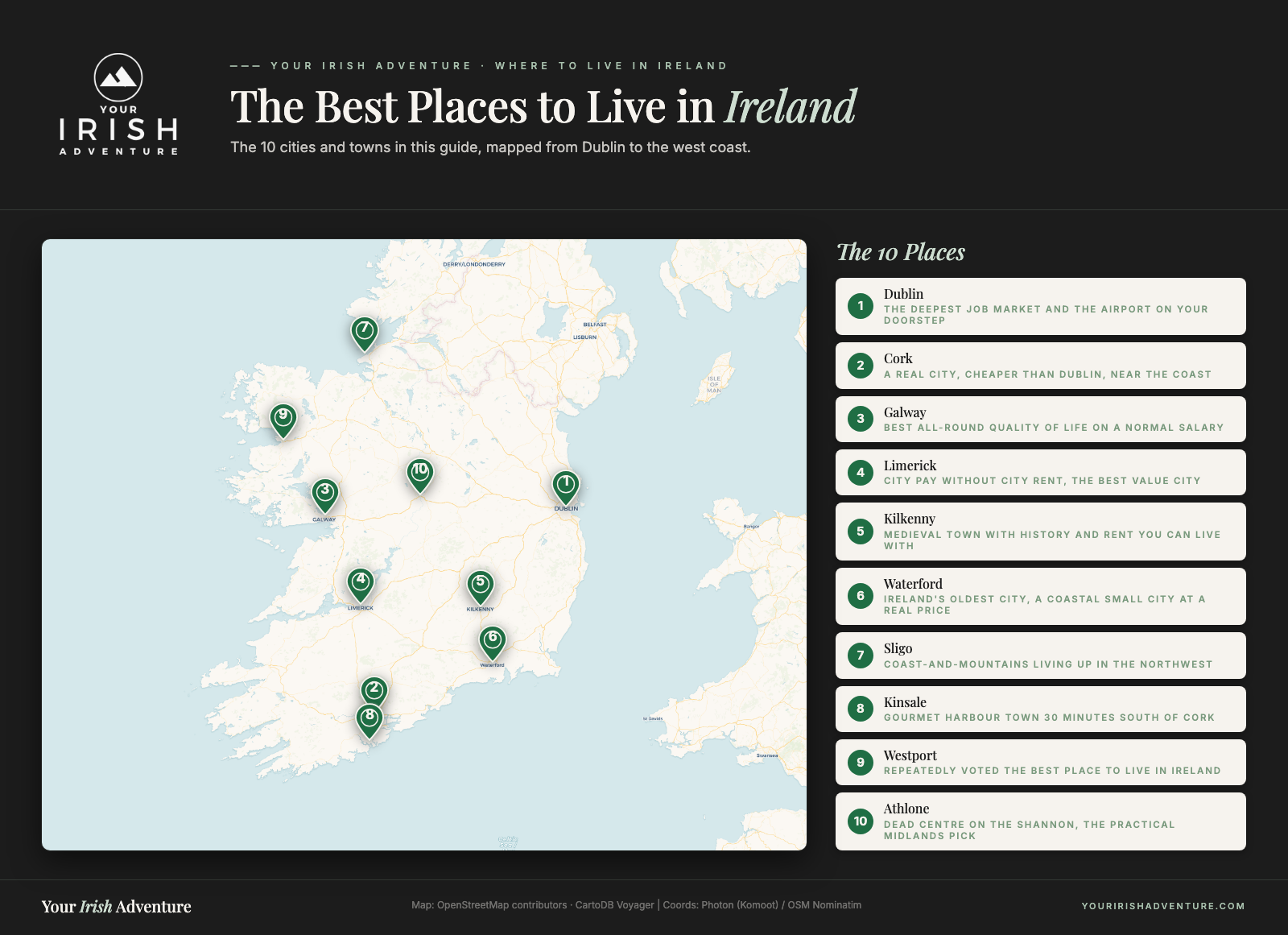
Picking the best places to live in Ireland comes down to a few real trade-offs: what you can actually afford, whether you want a city or a coast town, and how far you’re willing to be from a decent job. The gap between where people think they want to live and where they’d actually be happy is bigger than most guides admit.
On our last trip we spent about two weeks driving the country in shoulder season, from Dublin down to Cork and back up through the west, and we stayed in or passed through most of the places on this list.
We did it by campervan, but a rental car works the same here, and it’s the easier choice for a first trip. It’s worth a few minutes to compare car hire deals on Discover Cars before you go.
Some of these are the obvious big names. Galway, for one, had us sold within the first hour, walking off the taxi into a 20-person trad session at Monroe’s. Others are the smaller towns we’d point you toward before the famous ones, depending on what you’re after.
So here’s the real breakdown: what it costs to live here and how housing actually works, then the cities and towns themselves from Dublin to Kinsale, plus the jobs, the visa side of moving as an expat, and how to figure out which one’s right for you.
Quick Answer:
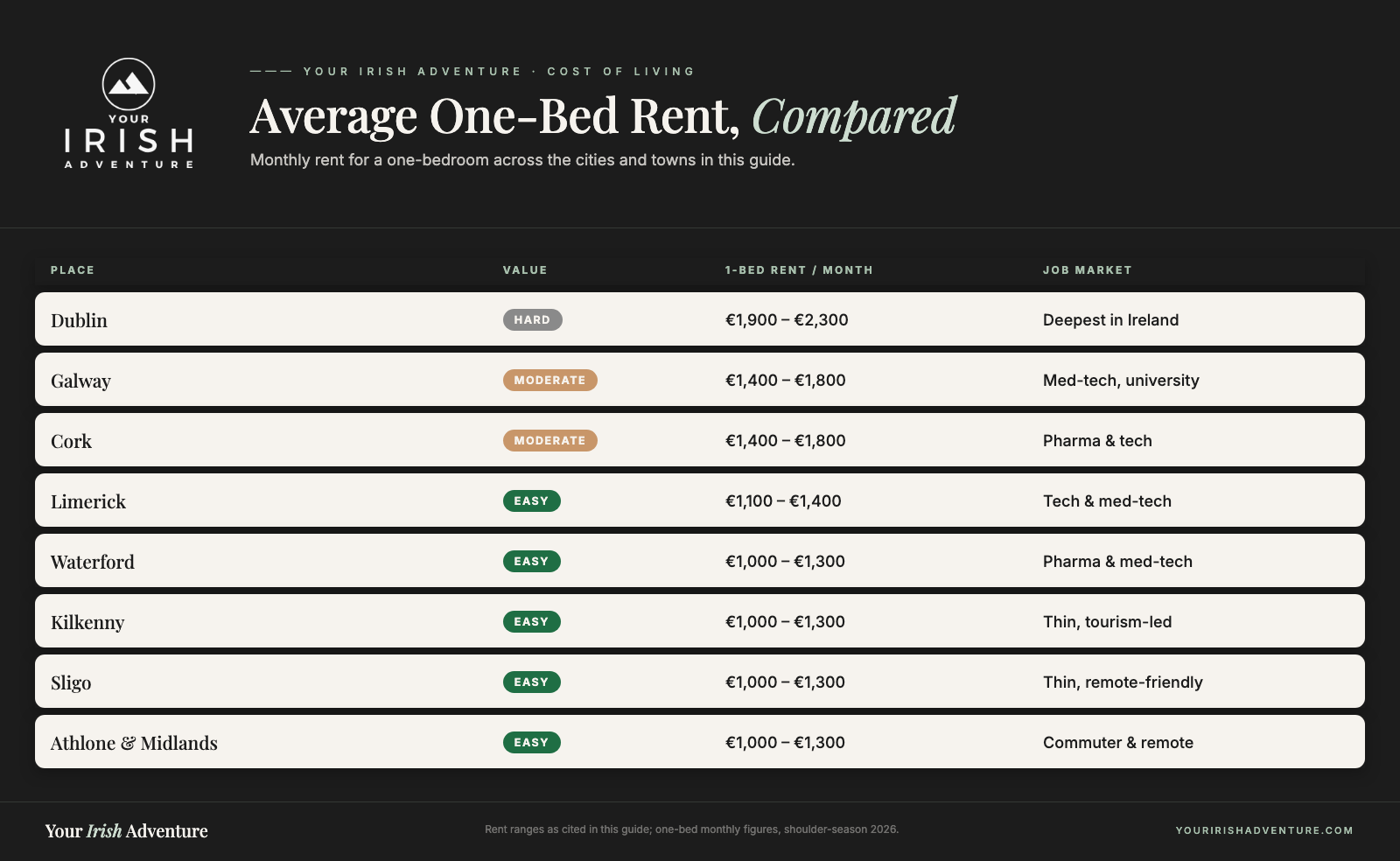
The best places to live in Ireland depend on your budget. Dublin is the priciest, with a one-bed in the city center running €1,900 to €2,300 a month. Galway and Cork sit lower at €1,400 to €1,800, and Cork is usually the better value. Smaller towns like Kilkenny drop to €1,000 to €1,300, but jobs get scarcer the farther west you go.
What It Actually Costs to Live in Ireland
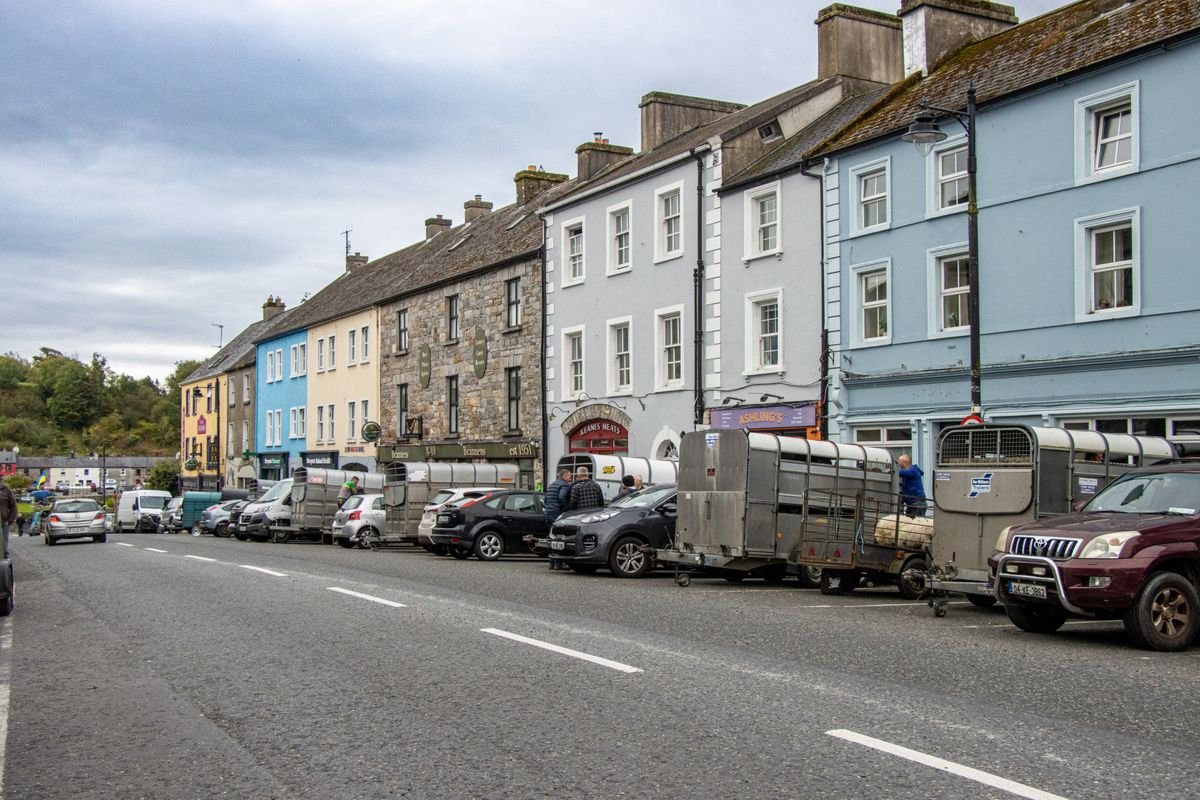
No way around it: Ireland is expensive, and rent is the reason. Housing is the single biggest factor in deciding the best places to live in Ireland, and it’s tight everywhere. The country has been short on homes for years, so wherever you land you’ll be competing for it.
Dublin is the priciest by a wide margin, and you feel it the second you’re handing over money for a pint in Temple Bar. A one-bedroom in the city center runs around €1,900 to €2,300 a month (roughly $2,050 to $2,500). Push out to the suburbs or commuter towns and you’ll knock a few hundred euro off, but you trade it back in commute time.
Rent outside Dublin
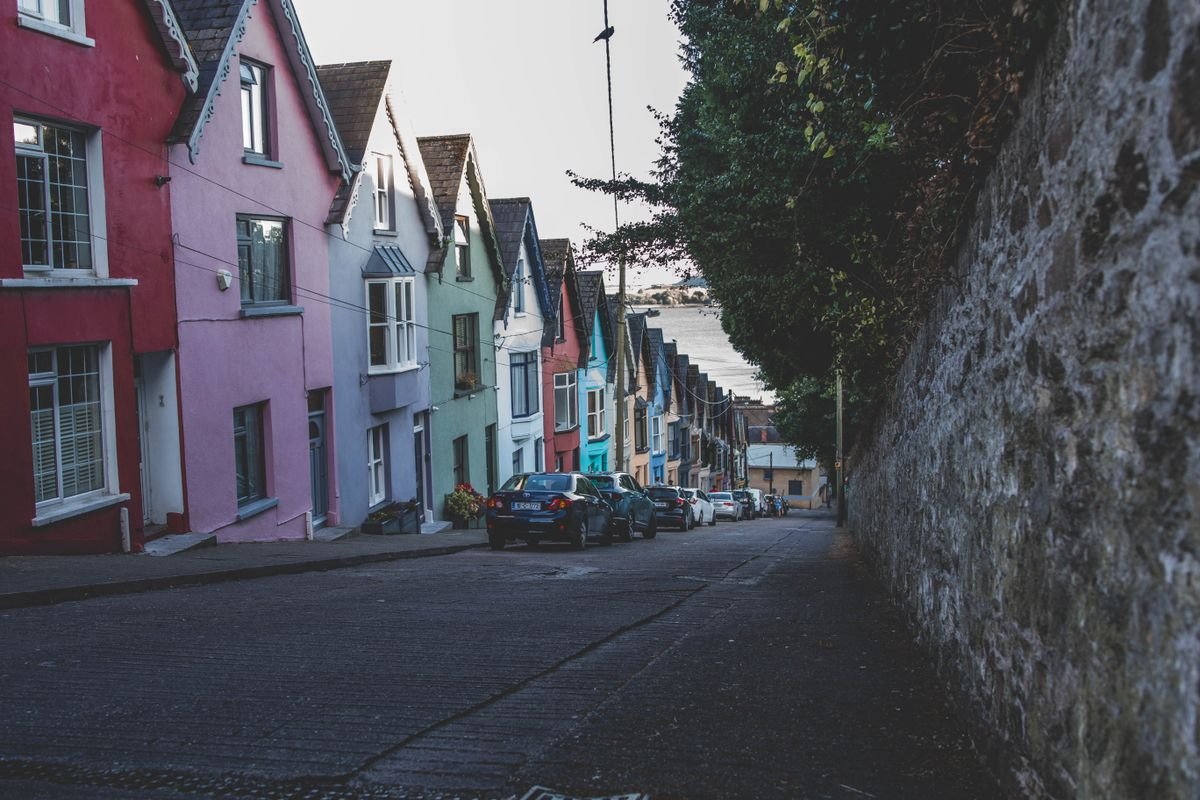
Galway and Cork sit a clear step below Dublin. Expect roughly €1,400 to €1,800 a month for a one-bed in either city, and Cork is usually the slightly better value of the two. Both still feel the same housing squeeze, so the cheap listings go fast.
The smaller towns are where the math changes. In a place like Kilkenny or a quieter spot in the west, a one-bed can drop to €1,000 to €1,300, and you get more space for it. The catch is jobs, which I’ll get to further down.
Everyday costs

Outside rent, day-to-day life is manageable if you’re not eating out constantly. Rough monthly numbers for one person, on top of rent:
- Groceries: around €300 to €400 ($325 to $435)
- Utilities (electricity, heat, trash): €150 to €250, and higher in winter because heating Irish homes is not cheap
- Broadband: about €45 to €60
- A pint: €6 to €8 in Dublin, closer to €5 in a rural pub
- A car, if you’re outside a city: factor in gas, insurance, and tax, because rural Ireland runs on driving
The bottom line is that a single person needs somewhere around €2,800 to €3,500 a month to live comfortably in a city, and most of that is rent. Pick a smaller town and that figure comes down a lot, as long as the work is there to match it.
Finding Housing: Renting and Buying
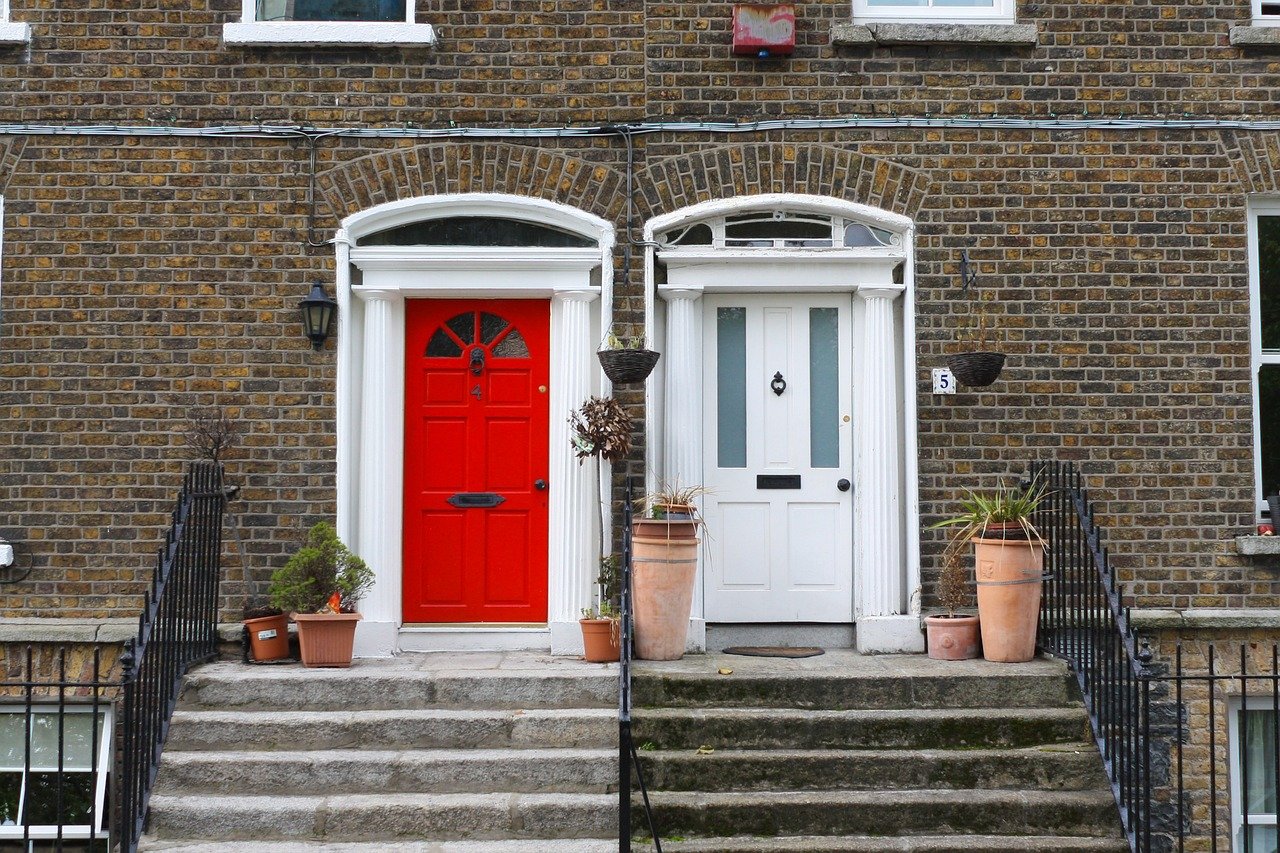
Knowing what a place costs is the easy part. Actually landing one is where Ireland tests your patience, because the market is tight and it moves fast in every town worth living in.
Renting

Start on Daft.ie. It’s the main site for rentals across the country, and Rent.ie is worth a second look. Set up alerts, because the good listings in Dublin, Galway, and Cork are gone within a day or two of going up.
Be ready to move the moment something decent appears. A viewing in a city can mean ten or fifteen other people in line for the same flat, so you’ll often be asked for references, proof of income, and sometimes a reference from your last landlord before you’ve even seen the place.
A few things that actually help:
- Have your documents ready as one PDF: references, a work contract or proof of income, and ID
- Reply to listings fast and politely, with all of the above attached
- Look just outside the city, where commuter towns are cheaper and a bit less of a scramble
- Budget for a deposit of one month’s rent plus the first month up front
Renting a room in a shared house is the cheapest way in, and it’s how a lot of people start, even in their 30s. Many landlords ask for the first month and deposit together, so have that cash on hand before you arrive.
Buying

Anyone can buy property in Ireland, including non-residents, so being an expat isn’t a barrier to owning. The barrier is the same one as renting: not enough homes, and prices that have climbed hard for years.
If you’re getting a mortgage, the rules are strict. You’ll generally need a 10% deposit as a first-time buyer, and banks lend up to four times your income. The Help to Buy scheme can put some of that deposit back for new builds, so it’s worth checking if you qualify.
The process is slow and you’ll be bidding against other buyers, often above the asking price in the cities. Daft.ie and MyHome.ie are where the listings live, and a local solicitor handles the legal side, which is standard here and not optional.
My advice is to rent first wherever you’re thinking of settling. A few months on the ground tells you which neighborhoods you actually want, and that’s worth far more than committing to a mortgage in a town you’ve only seen on a map.
More Help Planning Your Move to Ireland
- Whats’s the best thing about living in Ireland? #Reddit Responds.
- Ireland On A Budget – How To Save Money
- The Definitive Guide To Driving in Ireland For Tourists
- 30 Best Things To Do in Ireland
- The Best Things to Do in Ireland With Kids (Top 10 Picks)
Dublin
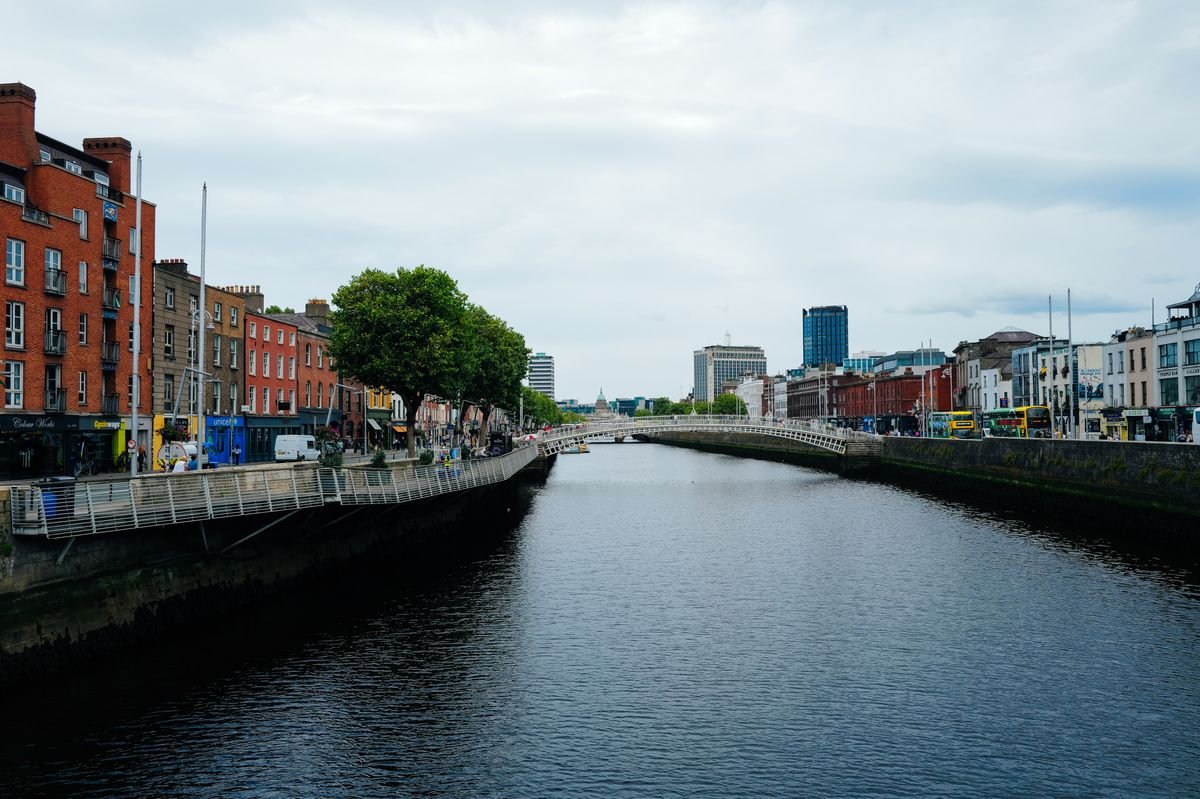
Dublin is where a lot of people start, and for good reason. It’s where the jobs are, especially in tech and pharma, and it’s the easiest place to land if you’re moving over without work lined up. The trade-off is the cost, which I covered above and which you’ll feel everywhere.
We bookended our last trip here, arriving on the airport bus and dropping our bags at Fitzsimons Hotel in Temple Bar. Temple Bar is touristy and you wouldn’t want to live in the middle of it, but it was a fun first night, and we walked straight into Darkey Kelly’s on Fishamble Street for the first pints.
The thing about actually living in Dublin is that the good parts aren’t the tourist parts. The Trinity College grounds are free to walk and easy to stroll right past. We did the Jameson Distillery tour on Bow Street with the four-glass tasting flight, and the glass-ceiling bar at the top is worth the ticket on its own.
Where you’d actually live
If you want a neighborhood to settle into, look at Stoneybatter and Smithfield on the north side, or Rathmines and Portobello south of the canal. They’re walkable, full of cafes and proper pubs, and close to the center without the Temple Bar circus. We didn’t get enough time in Stoneybatter, and it’s where I’d go back first.
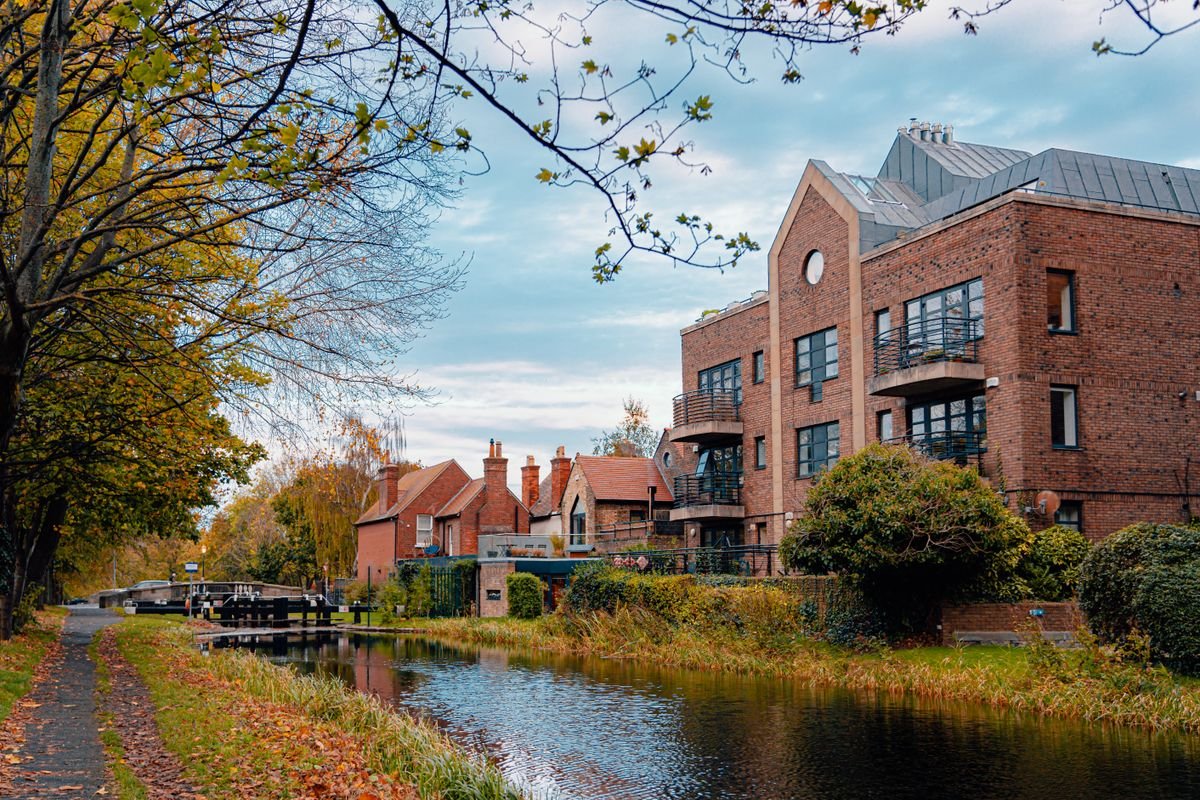
Dublin works best for you if you want a real city: the job market, the transport, the airport twenty minutes away. If a city is what you’re after, it’s the obvious choice. Just go in knowing rent will eat the biggest chunk of your budget, and that the housing scramble is worse here than anywhere else on this list.
Where to Stay in Dublin
Cork
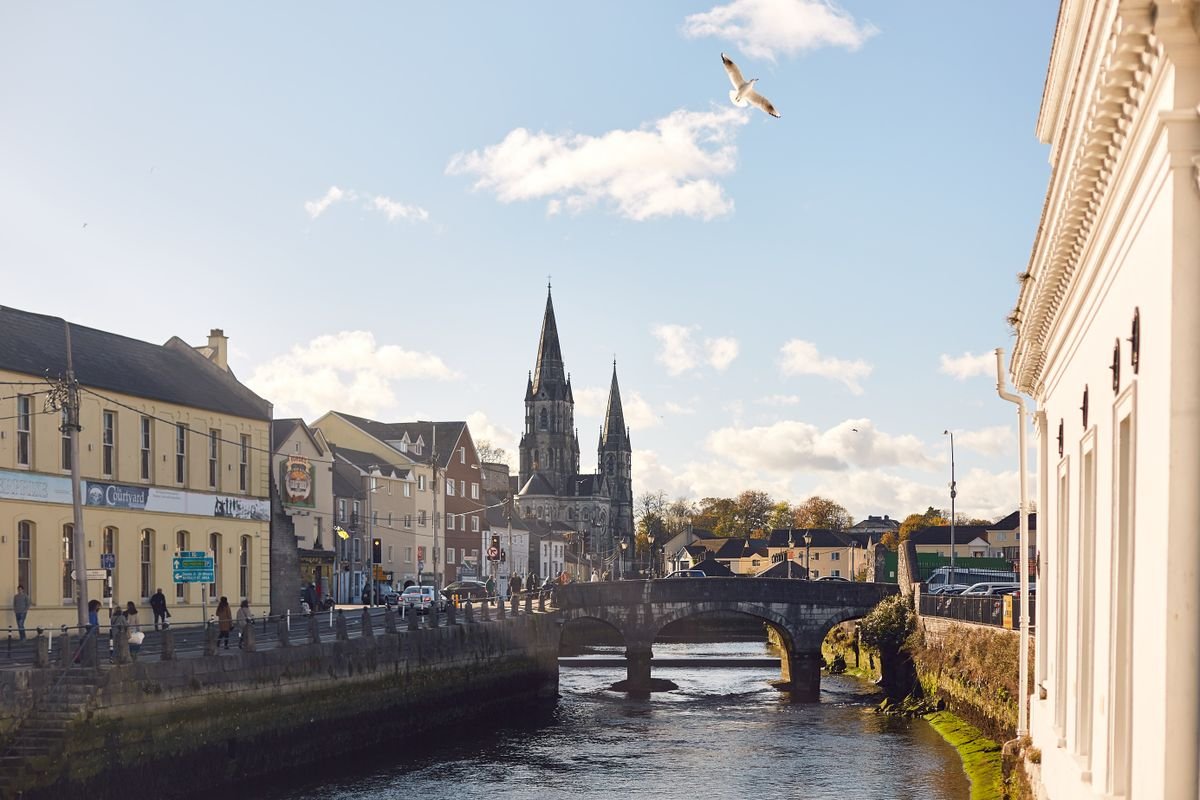
Cork is the obvious pick if you want a real city without Dublin’s prices. It’s Ireland’s second city, and locals will tell you, often, that it’s the real capital. Rent sits a clear step below Dublin, there’s a proper food and pub scene, and the jobs hold up with pharma and tech around the harbor.
I’ll be straight with you: we barely got to see it on our last trip, and that’s on us. A storm rolled in while we were over in Cobh and pinned us there, so Cork ended up being a quick run in rather than the day or two it deserves.
It’s only a 25-minute train from Cobh into the city, an easy hop, and we used the time we had to stop and eat at Le Bon Crubeen near Beresford Lane before driving on. Book that one ahead, it’s a popular spot. That was about the size of our Cork visit.
So I won’t pretend to give you the lived-in version. What I will tell you is that everyone we know who’s spent real time there rates it highly, and the things we ran out of time for, the English Market, the pub scene around the city center, are exactly what would make it a good place to settle.
If you want a city that feels like a city but costs less than the capital and is close to the coast, Cork is the one I’d look at hardest after Dublin. Just give it more than the afternoon we managed.
Where to Stay in Cork
Galway
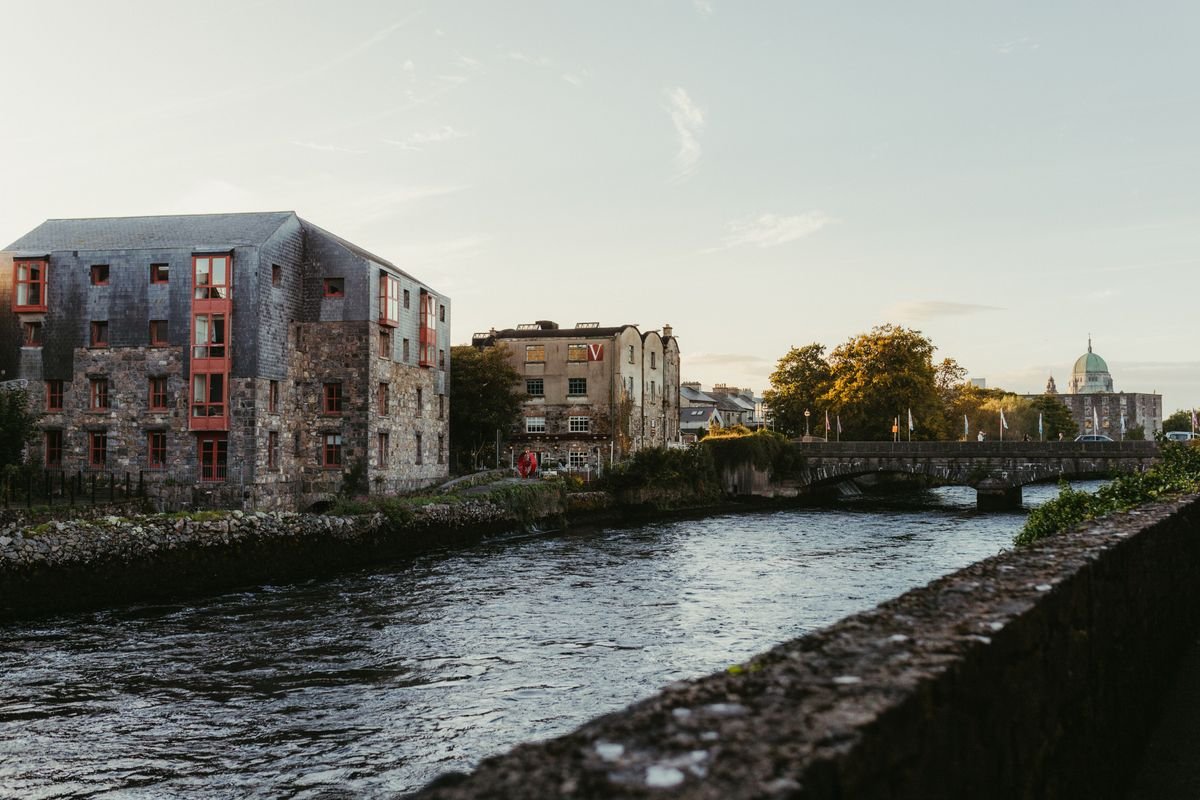
If you want the best of Ireland in one small city, Galway is it, and it’s the place on this list I’d push hardest for anyone choosing on quality of life over salary. It’s a university town on the Atlantic, it’s walkable end to end, and the music we mentioned up top is just the everyday backdrop here.
We’d heard a lot of good things going in, and it turned out even better than we thought. We stayed at O’Hallorans Caravan Park out in Salthill, taxied into the center, and worked through the Latin Quarter pubs over two nights, Tig Coilí on Mainguard Street and Taaffe’s Bar being the two I’d point you to first.
Eating well takes a reservation

The one thing that fell short for us was eating well on short notice. We couldn’t get a table at Kai or Oscar’s Seafood Bistro, both booked solid, and ended up with chips from Prátaí on Shop Street instead.
They were excellent, but not the sit-down meal we’d planned. If you live here you’ll have your standing spots; as a visitor, book the good restaurants days ahead.
Where you’d actually live
Salthill is the easy pick if you want the sea on your doorstep, with the prom for walks and a quick run into the center. Rent is a clear step below Dublin, but the listings still go fast, so you’ll want alerts running on Daft.
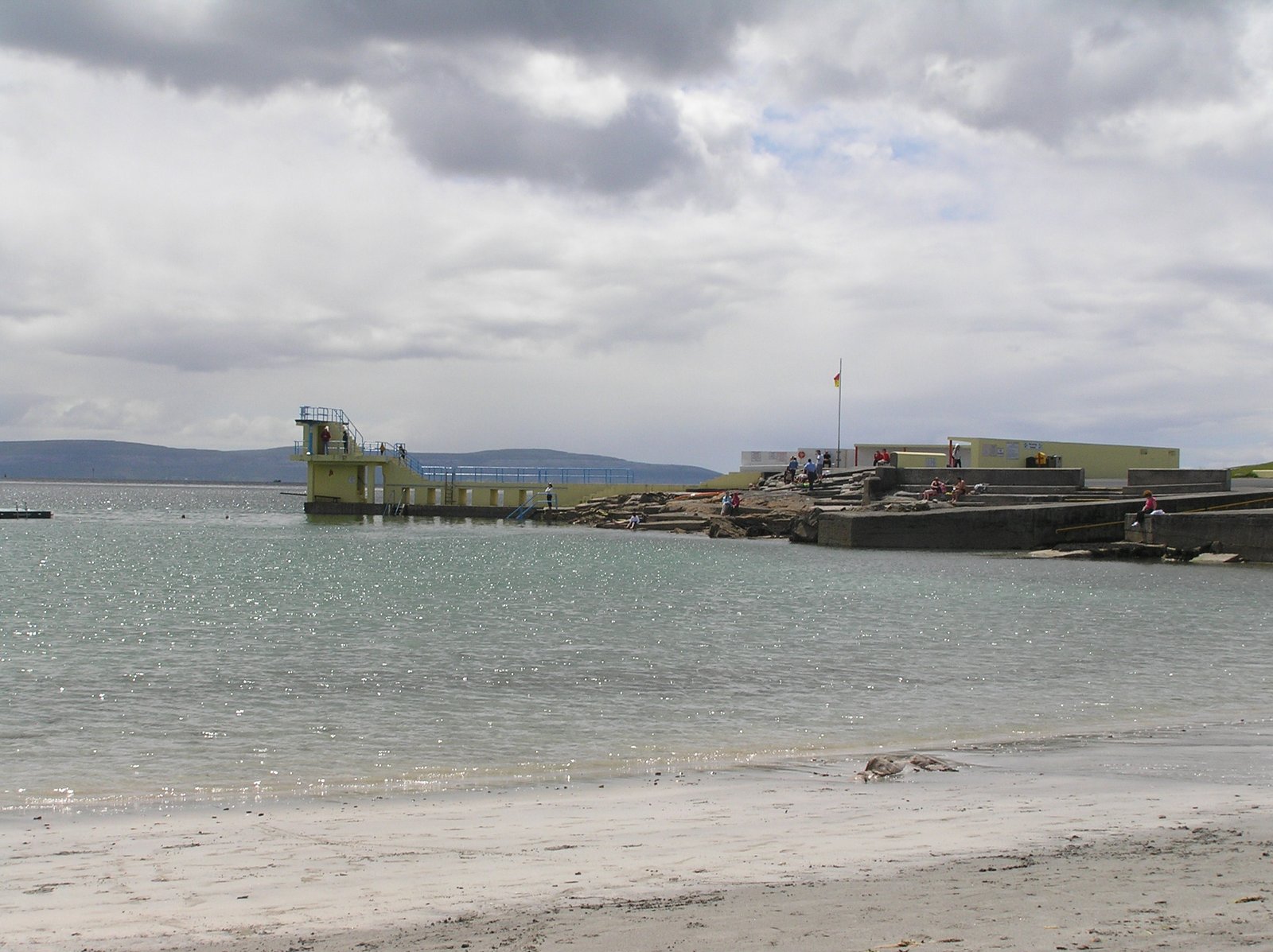
One practical note if you’re car-bound: parking a big vehicle in the city center is a non-starter, which is why we based ourselves out in Salthill and used the FreeNow app to taxi in. Living here you’d want to be walkable to the Latin Quarter or close to a bus line, not reliant on driving and parking downtown.
On jobs, Galway leans on med-tech, the university and hospital, and a growing tech scene, so the work is there, just thinner than Dublin or Cork. If you can land a role or work remote, this is the one I’d choose. It’s the rare city that’s a great place to live and a great place to be on a Tuesday night.
Where to Stay in Galway
Limerick
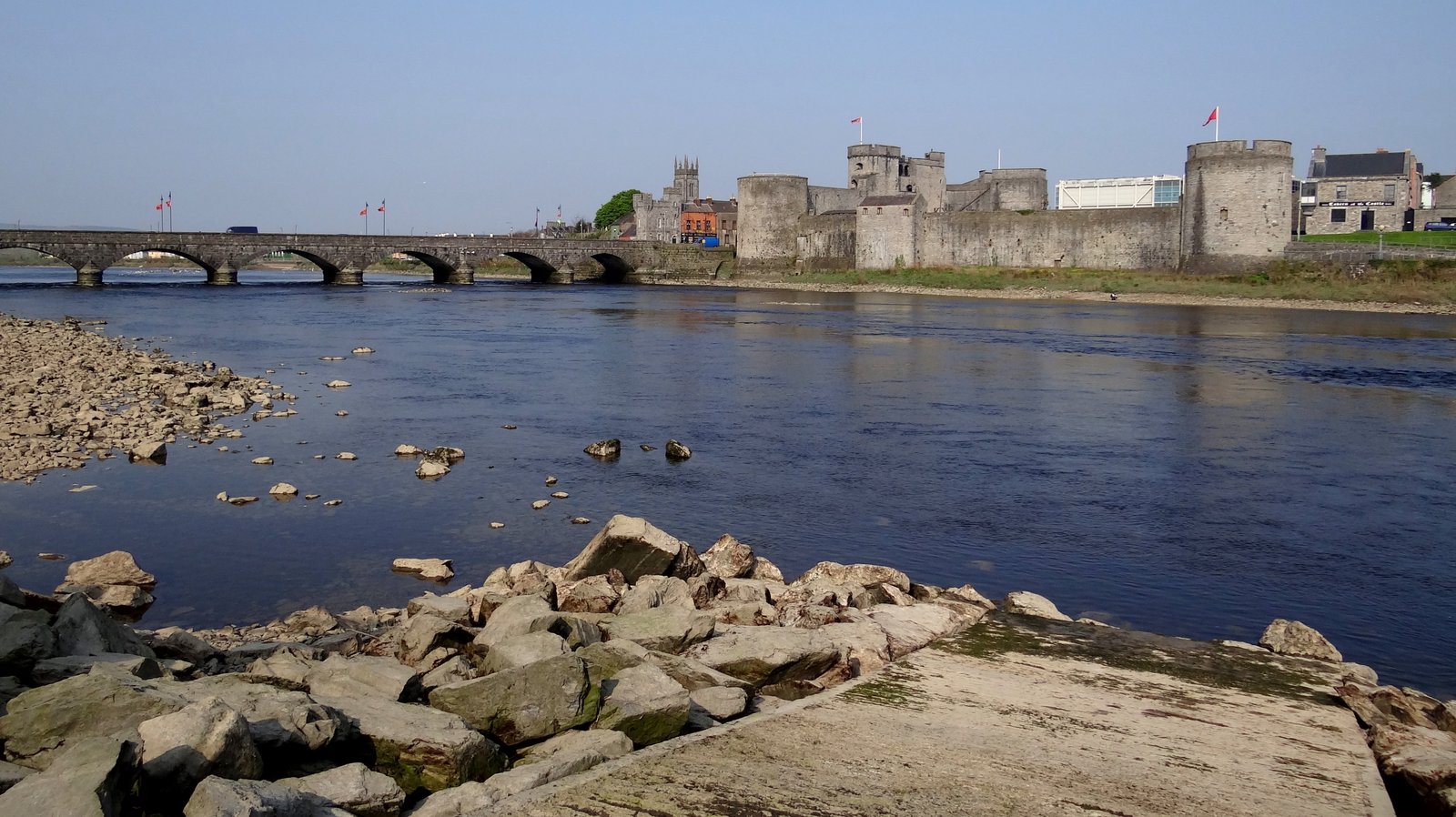
Limerick is the one people leave off these lists, usually because of an old reputation it’s spent the last twenty years shaking off. The “Stab City” nickname and the Angela’s Ashes version of the place are long gone. What’s there now is Ireland’s third city on the River Shannon, and it’s the best value of any city on this list.
Rent is the headline. A one-bed in the city center runs around €1,100 to €1,400 a month, well under Galway and Cork, and you get more space for the money. If your top priority is keeping the rent down while still living somewhere with a real city around you, Limerick is the strongest case in the country.
The jobs back it up too, which is the part that makes it work as a place to actually settle rather than just save. The University of Limerick anchors a real tech and med-tech base, with big employers like Analog Devices and Regeneron in the area, plus a growing cluster of startups around the campus.
What the city itself is like
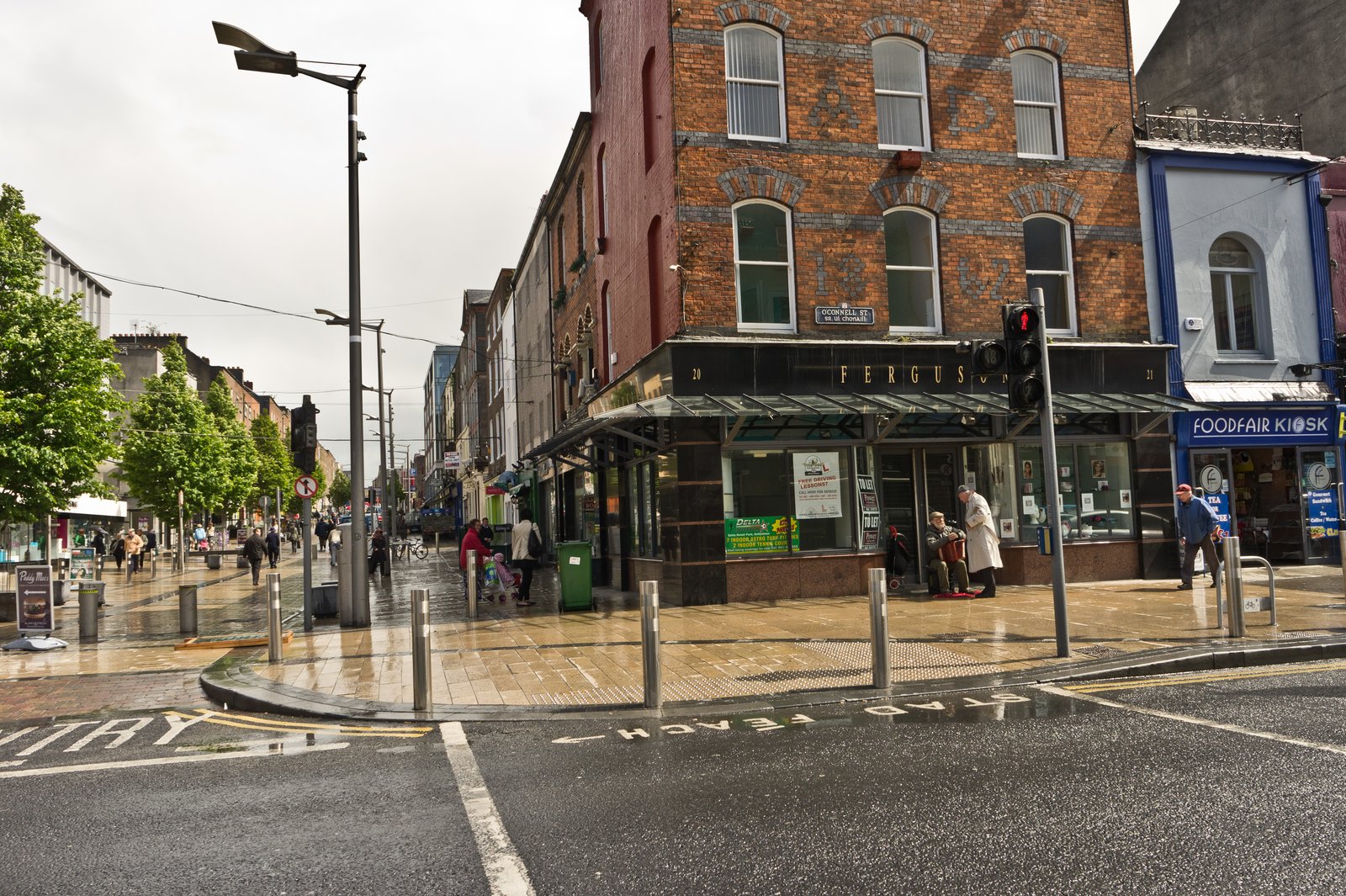
The Georgian core around O’Connell Street and the river is the nicest part, and King John’s Castle on the Shannon is the landmark everyone knows. It’s a proper rugby town as well, and a Munster match at Thomond Park is one of the loudest sporting days you’ll have in Ireland.
I’ll be honest about the trade-off: Limerick doesn’t have the postcard pull of Galway or the food scene of Cork, and parts of the center are still a work in progress. It’s a city you’d choose on value and jobs, not on looks.
Location is the quiet bonus. You’re an hour from Galway, an hour and a bit from Cork, and a short drive from the Cliffs of Moher and the Burren, so the whole west is within easy reach for weekends. For a young professional or a family who wants city pay without city rent, Limerick is the one I’d tell you to stop ignoring.
Where to Stay in Limerick
Where to Stay Around Ireland
- Where To Stay in Dublin: Best Areas and Accommodations
- Where To Stay in Cork: Best Areas and Accommodations
- Best Places to Stay in Galway, Ireland
- Where To Stay in Killarney: Best Areas and Accommodations
- Where to Stay in Kinsale: Best Areas & Hotels
Kilkenny
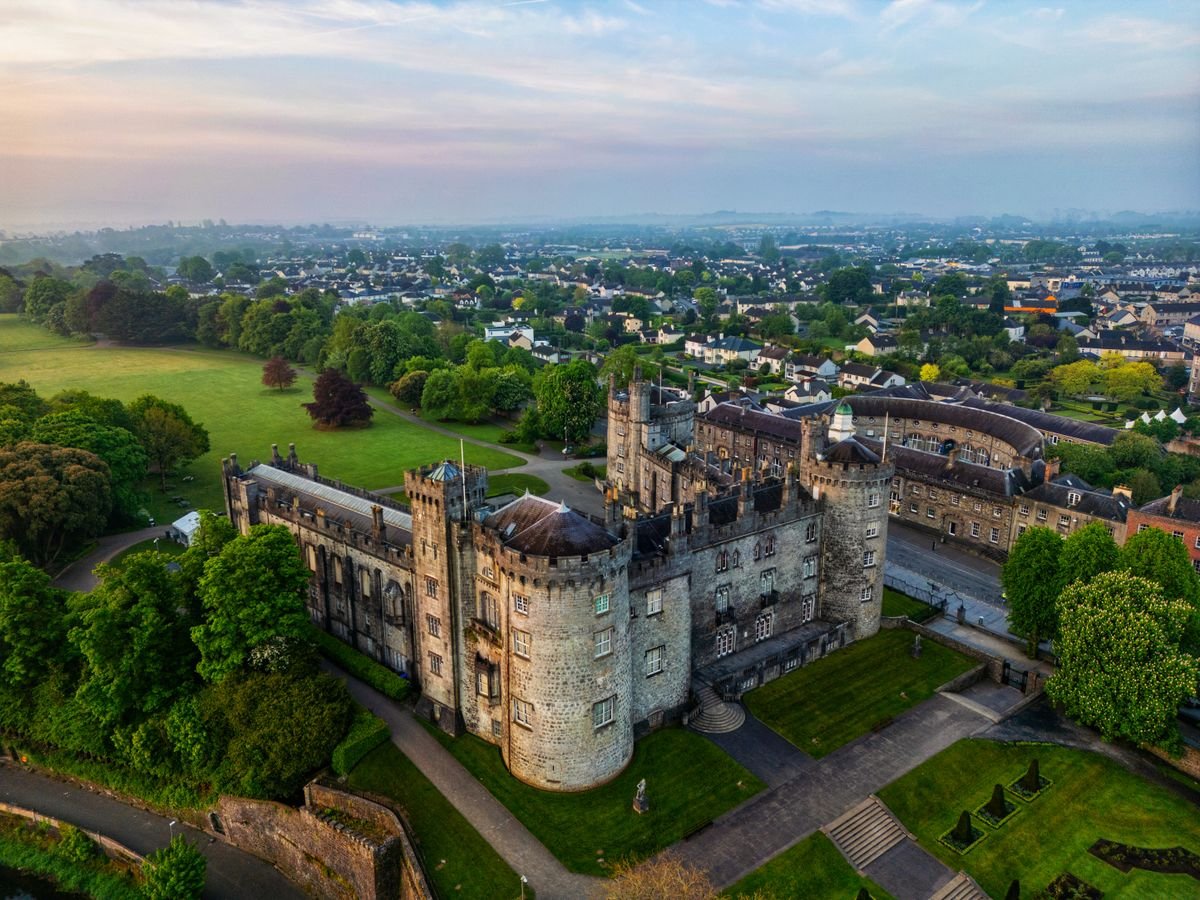
Kilkenny is the one I’d point you to if you want a smaller place with real history around you and rent you can actually live with. It’s a medieval town about 2.5 hours south of Dublin, compact enough to cross on foot, and the one-bed prices I gave earlier sit well below any of the cities on this list.
We stopped here for a night on our last trip, driving down from Dublin and camping at Tree Grove Campsite, which is a 30-minute walk into town along the canal. If you’re doing the same drive, it’s a handy base. Settle here and you’d rent in town instead, but that walk in is the nicest way to arrive.
That Canal Walk takes you straight to Kilkenny Castle, which is the landmark the whole town is built around. The grounds are free to walk and the interior needs a ticket. Inside there’s a set of giant Irish elk antlers on display, wider than I am tall.
The rest of the old town is the draw for daily life. We cut through the Butter Slip, a narrow medieval alleyway between two streets, and spent the evening at The Pumphouse over Guinness and live music. The pubs, the lanes, and the river give it more going on than a town this size should have.
The catch: jobs

I’ll be straight about the trade-off. Kilkenny is short on the large employers that make Dublin, Cork, or Limerick easy to land work in. It leans on tourism, hospitality, and smaller local business, so the job market is the thin part.
That makes it a strong pick in two cases: you work remote, or you’re happy with the commute to Dublin, which is doable by car or train if you don’t mind the daily trip. Get the work side sorted and Kilkenny gives you a lot of town for the money. It’s worth a couple of nights to feel out even if you’re only passing through.
Where to Stay in Kilkenny
Waterford
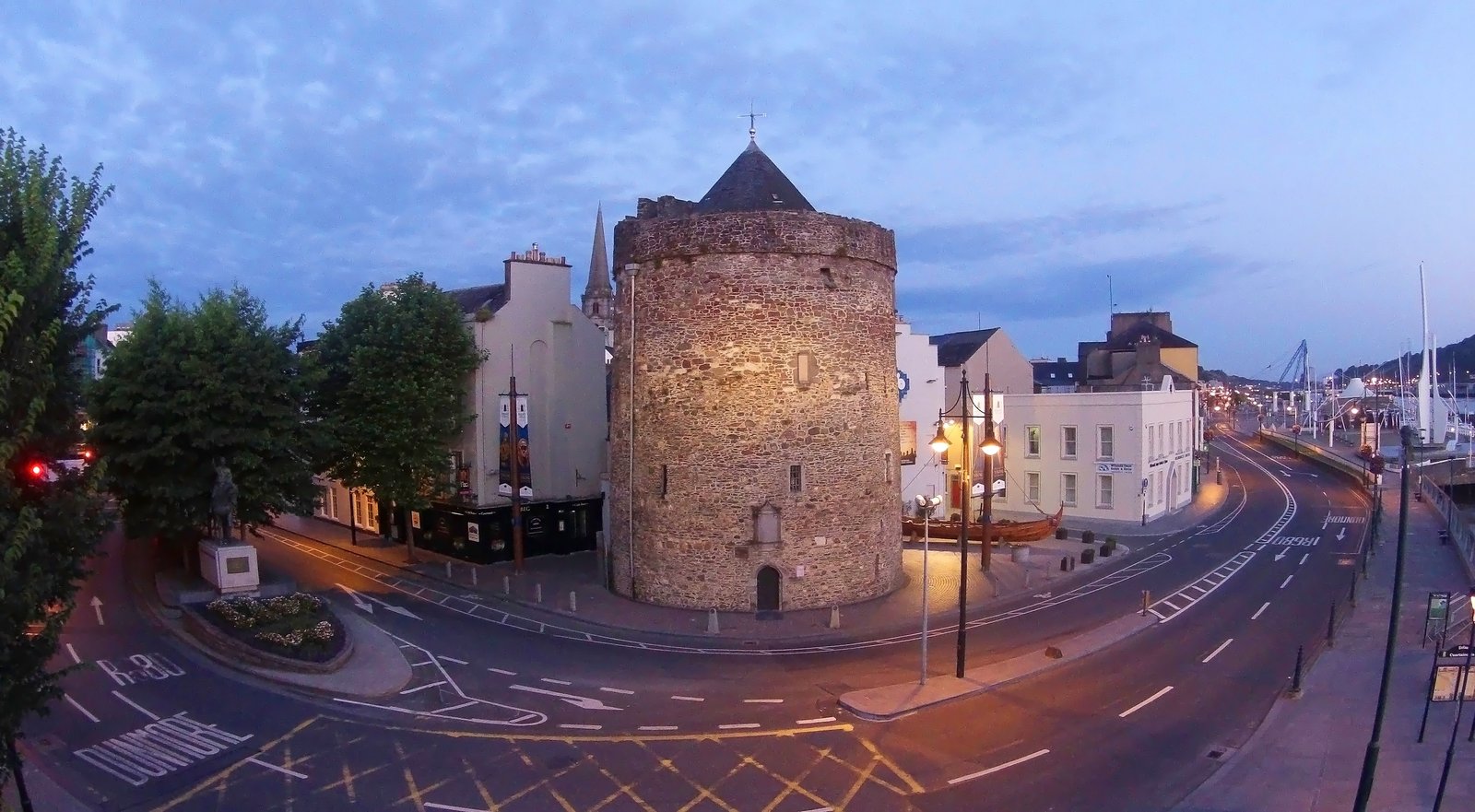
Waterford is the one I’d float for anyone who wants a small city on the coast, cheaper than the big three, with more going on than its size suggests. It’s Ireland’s oldest city, founded by Vikings over a thousand years ago, and it sits down in the southeast where the weather is a bit drier and sunnier than the west.
The pull for daily life is value. Rent runs below Galway and Cork, closer to the smaller-town numbers I gave earlier, so a one-bed in the city is a good deal more manageable than anywhere on the coast further west.
The old core is the Viking Triangle, a tight cluster of medieval streets around Reginald’s Tower, which has stood on the quay since the 1200s. Waterford Crystal still runs its factory and visitor tour in the middle of town, and it’s the name the place is best known for.
The jobs side

This is where Waterford does better than a lot of towns its size. There’s a real pharma and med-tech base around the city, with big employers like Sanofi and Bausch + Lomb in the area, plus the new South East Technological University feeding into it.
It’s not Dublin or Cork for sheer volume of work, so I wouldn’t move over blind and expect roles to be everywhere. But if you land in one of the bigger employers or you’re remote, the work side holds up better here than in a place like Kilkenny.
The trade-off is that Waterford is quieter and has less buzz than Galway or Cork, and the city center has had its rough patches like a lot of Irish towns. You’re choosing it on value, the coast, and an easier pace, not on a big night-out scene.
Location helps close the deal. You’re under two hours from Dublin, close to the beaches and fishing villages of the Copper Coast, and a short hop from Kilkenny for a day out. For a family or anyone wanting a coastal city at a real-world price, Waterford is worth a serious look.
Where to Stay in Waterford
Sligo
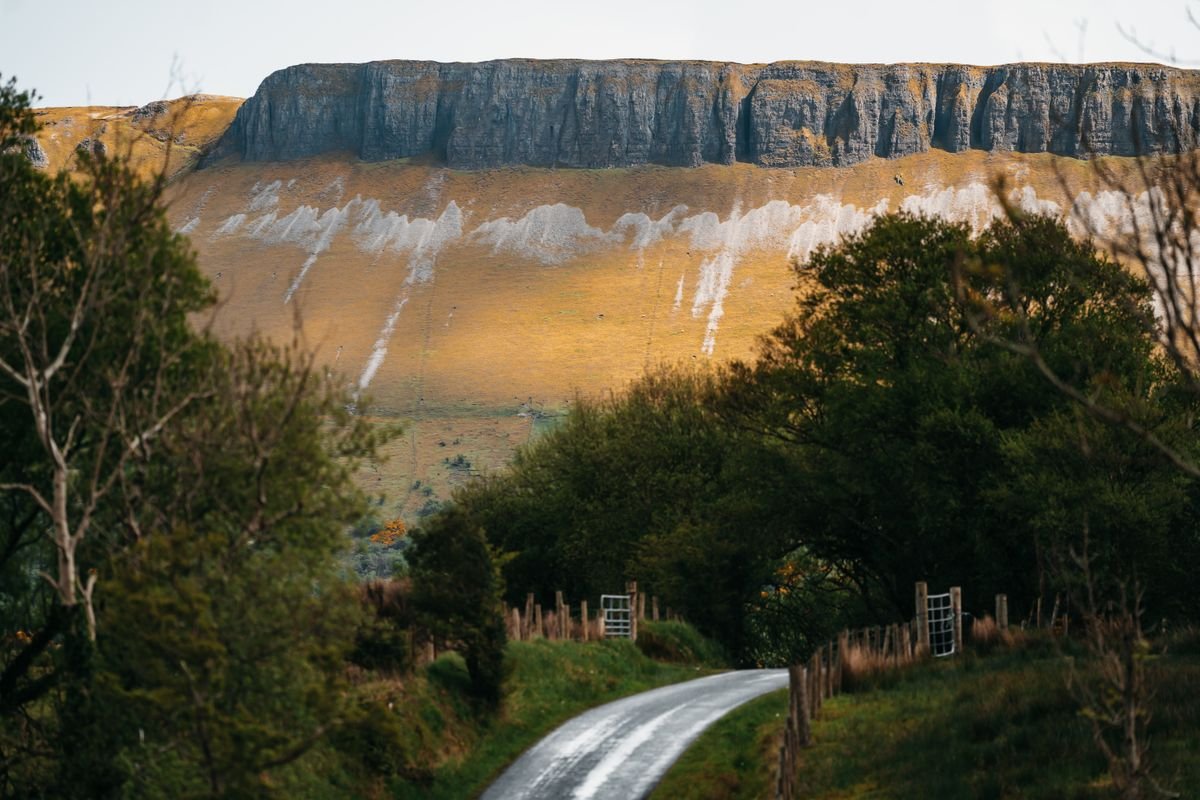
Sligo is the one I’d point you to if your idea of a good life involves the Atlantic and you don’t mind being a long way from a big city. It sits up in the northwest, a small town wrapped in some of the best coast and mountain scenery in the country.
Rent runs closer to the smaller-town numbers I gave earlier than to any of the cities on this list, so the value side stacks up well if you can make the location work.
The draw here is what’s on the doorstep. Benbulben, the flat-topped mountain that looms over the whole area, is the landmark you’ll see from everywhere, and the beaches at Strandhill and Rosses Point are a short drive out of town.
Strandhill in particular has built a real surf scene, and you can rent a board and a wetsuit year-round if cold-water surfing is your thing.
The town itself is compact, with a decent run of pubs, cafes, and trad music, plus the Yeats connection that the place leans on, since the poet’s grave sits out at Drumcliffe under Benbulben. It’s not a big night-out city, but for its size there’s more going on than you’d expect.
The catch: distance and jobs
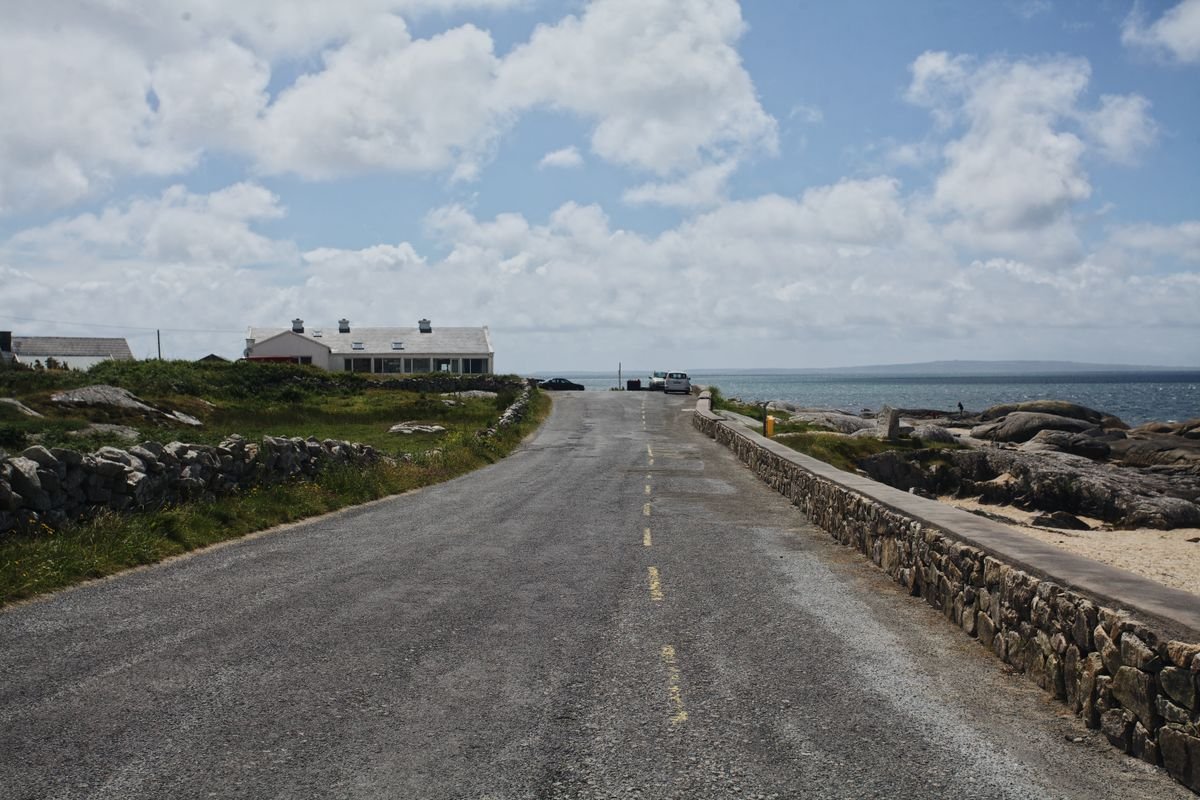
The trade-off is a real one. Sligo is far from everything. You’re around three hours from Dublin and a fair drive from Galway, so the commute-to-a-city option that saves Kilkenny doesn’t really work here.
The job market is thin too. There’s some med-tech and pharma in the area, the Atlantic Technological University, and local business and tourism, but nothing like the depth of Cork, Limerick, or Dublin. This is a place that works if you’re remote, retired, or you land one of the larger local employers.
Get that side sorted, though, and Sligo gives you a coast-and-mountains life at a price the western cities can’t match. For anyone choosing on scenery and pace over salary and a busy job market, it’s the one I’d tell you to go look at.
Where to Stay in Sligo
More Things to Do Around Ireland
- 15 Fun Things To Do in Killarney, Ireland
- 20 Best Things To Do in Dingle, Ireland
- 21 Unique Things To Do in Kerry, Ireland – The Kingdom County
- 15 Best Things To Do in Wicklow, Ireland
- The Best Things to Do in Donegal, Ireland
Kinsale and Westport
These two get their own section because they’re a different kind of choice. Kinsale and Westport are small coastal towns you’d pick for the lifestyle first and sort the work around second. Both run on tourism, and both ask the same question: can you actually earn a living here, or is this a remote-work and retirement play?
Kinsale
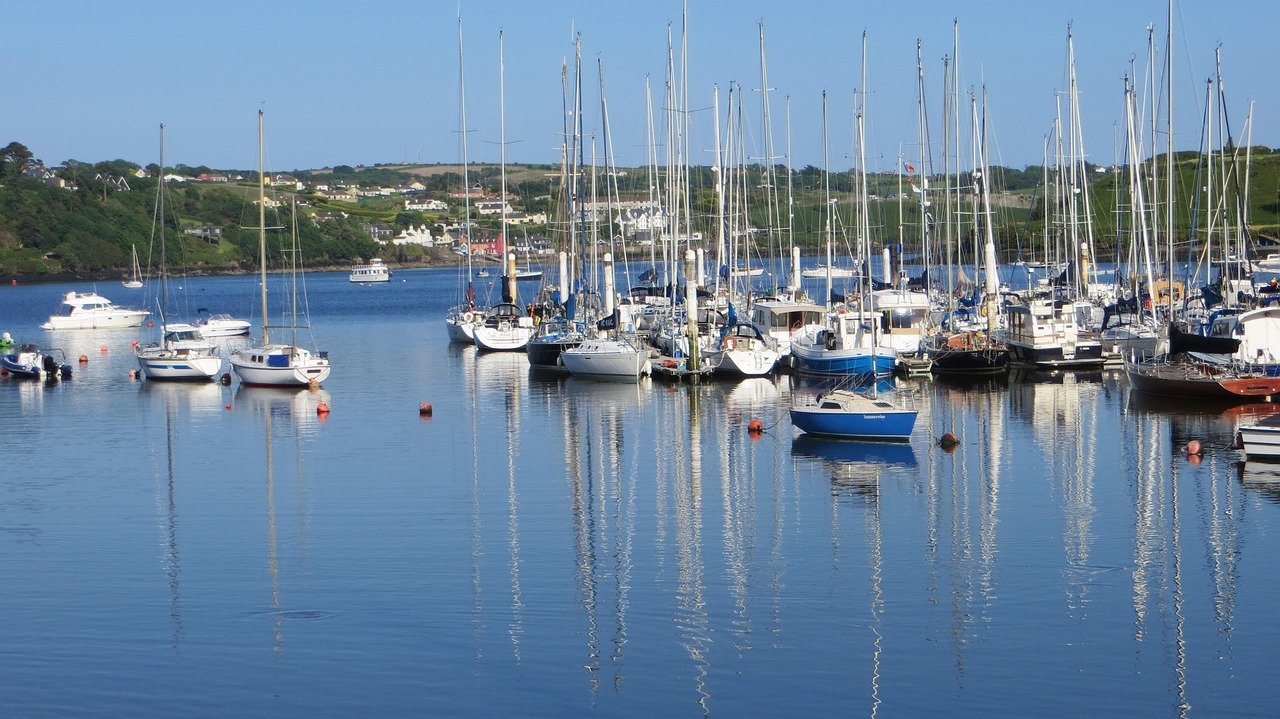
Kinsale is a harbor town about 30 minutes south of Cork, and it’s built its name on food. It calls itself the gourmet capital of Ireland, and for a place this small the run of restaurants backs it up. If eating well is high on your list, this is one of the best towns in the country for it.
The town itself is a tight grid of narrow streets, painted shopfronts, and a working harbor full of yachts and fishing boats. Charles Fort, the big star-shaped fort on the headland, is the landmark and an easy coastal walk out of town.
Living here, the appeal is obvious: the coast, the food, and Cork city close enough to drive in for work or a bigger night out. The catch is just as obvious. It’s a tourist town, so it’s busy and pricey in summer and quieter in winter, and the local job market is thin outside hospitality.
I’d put Kinsale on your list if you work remote, you’re retiring, or you don’t mind the commute into Cork. Go in knowing rent reflects the postcard appeal, and the year splits hard between a packed summer and a slow off-season.
Westport
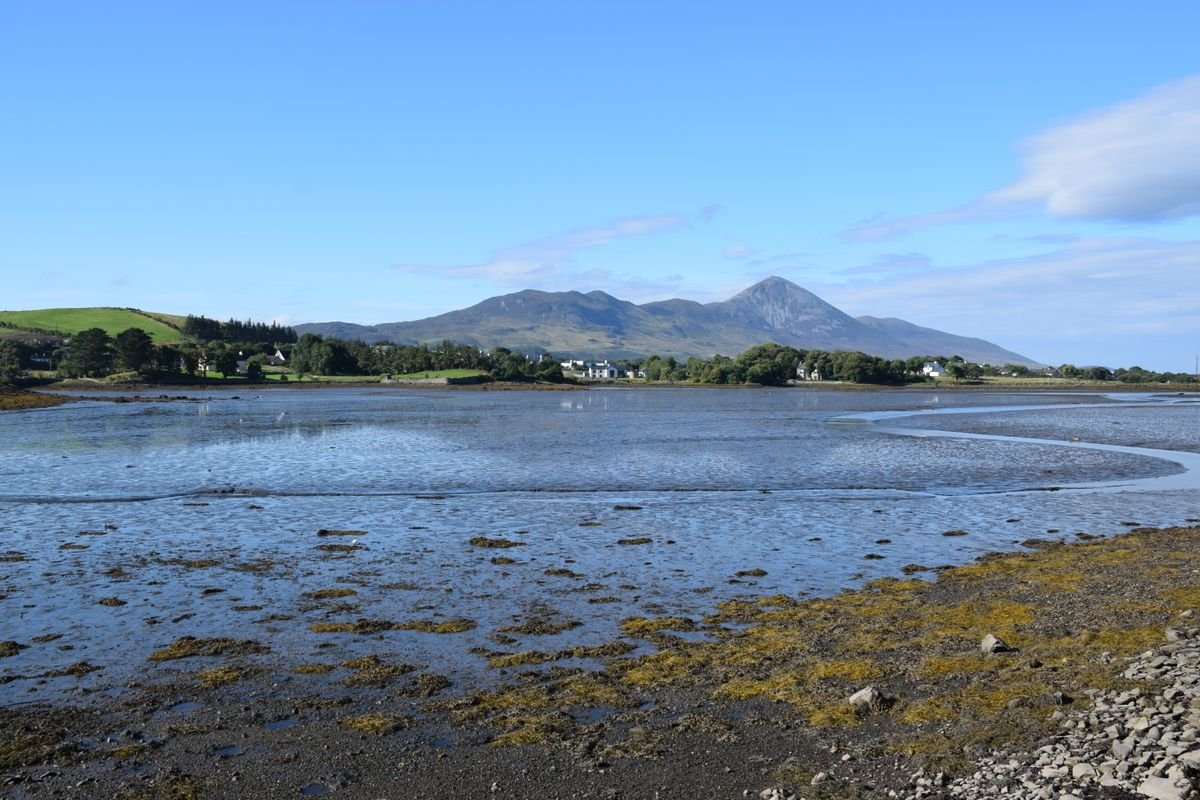
Westport is up in County Mayo on the west coast, and it regularly gets voted the best place to live in Ireland in the national tidy-towns and quality-of-life polls. It’s a planned Georgian town, laid out around a tree-lined river mall, which makes it one of the better-looking small towns you’ll find.
What sells it for daily life is the mix. You’ve got a real town with good pubs and trad music, Matt Molloy’s of the Chieftains being the famous one, plus Croagh Patrick rising right behind it and the Wild Atlantic Way and the Great Western Greenway cycle path on the doorstep.
The trade-offs are distance and jobs, the same two that come up for anywhere this far west. You’re a long drive from Dublin, so the commute-to-a-city fallback doesn’t really exist, and the work leans on tourism, local business, and a bit of med-tech in the wider county.
Westport is the one I’d point you to if you want a coast-and-mountains life in a town that actually has its act together, and you can either work remote or settle in for the long haul. It’s not a save-money move like Limerick, but for quality of life in a small western town, it’s about as good as Ireland gets.
Where to Stay in Kinsale
Where to Stay in Westport
Athlone and the Midlands
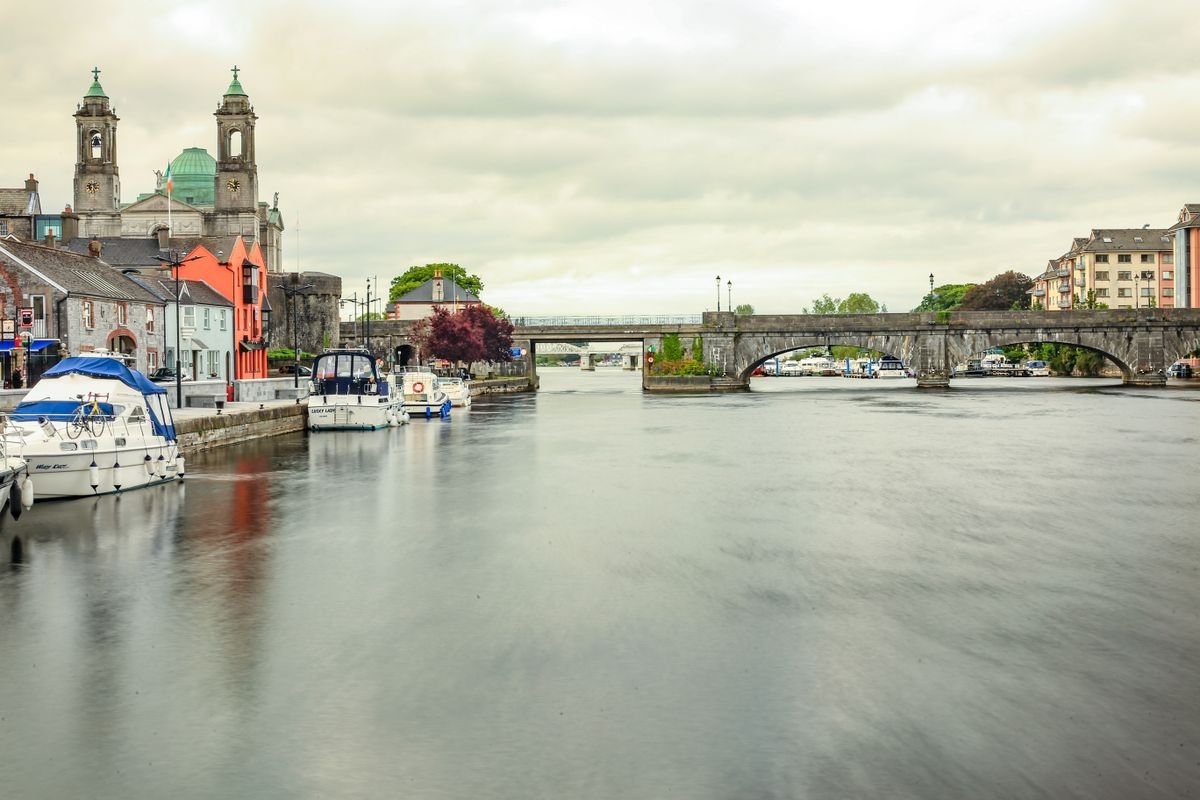
The Midlands are the part of Ireland nobody puts on a postcard, and that’s exactly why they’re worth a look. You’re trading the coast and the scenery for a lower cost of living and a spot smack in the middle of the country, with everywhere else a manageable drive away.
Athlone is the one I’d anchor this on. It sits right in the geographic center of Ireland on the River Shannon, in County Westmeath, and it’s the obvious pick if you want a real town with a low rent and an easy run to a bigger city.
The big draw is location. Athlone sits on the M6 motorway, so Galway is about an hour west and Dublin about an hour and a half east, and there’s a direct train to both. If your work is in one city but the rent there is killing you, basing yourself in Athlone and commuting is a real strategy.
The town itself has more going on than its size suggests. Athlone Castle sits on the riverbank, and Sean’s Bar, right beside it, has a decent claim to being the oldest pub in Ireland, with records that go back over a thousand years. The Left Bank area around it has a good run of cafes, restaurants, and independent shops.
The rest of the Midlands
Athlone isn’t the only option here. Mullingar, Tullamore, and Portlaoise all run on the same logic: cheaper rent than the cities, and a commuter line into Dublin. Portlaoise in particular is on the main rail line, which has turned it into a long-distance commuter town.
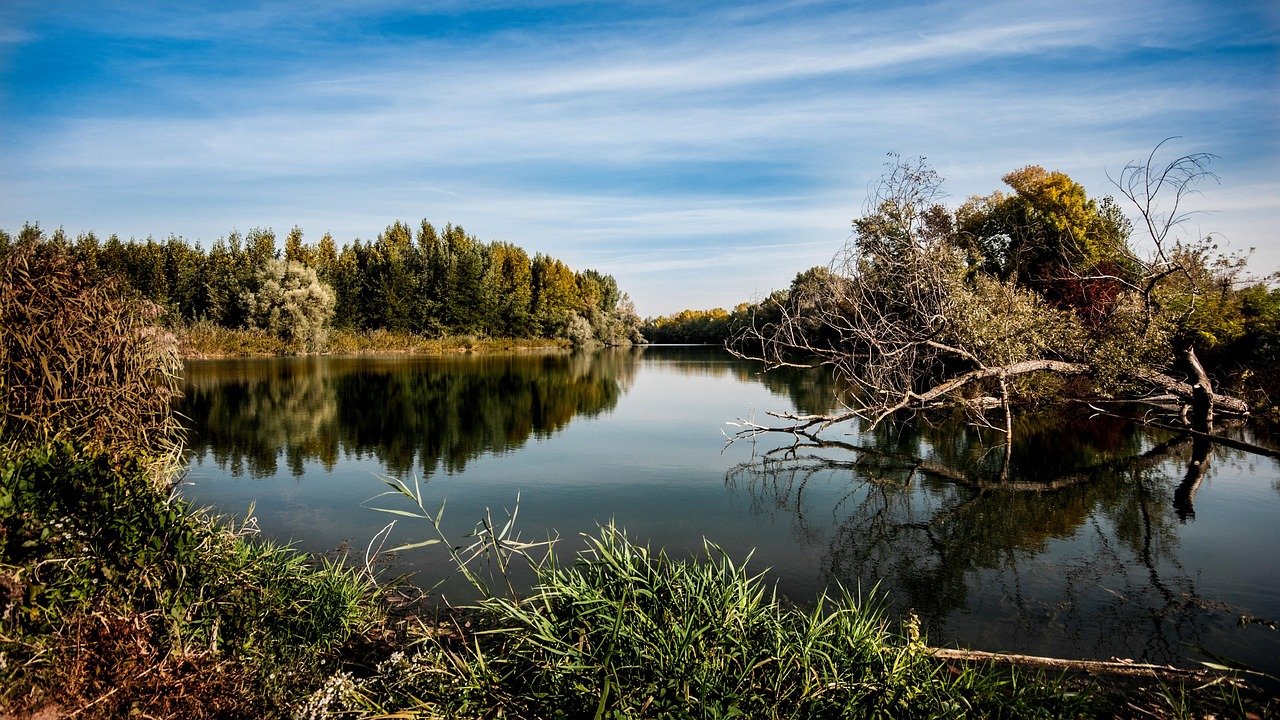
Lough Ree and Lough Derg put a chunk of the Shannon’s lakeland on the doorstep too, so the boating, fishing, and walking are better than you’d expect from a region with no coastline.
The trade-off here is the obvious one. The Midlands don’t have the pull of Galway or the coast that sells Sligo and Westport, and the local job market is thinner outside the commuter-and-remote setup. You’re choosing this region on value and central location, not on looks or a buzzing scene.
For a family or a remote worker who wants more house for the money and doesn’t need the sea, Athlone and the wider Midlands are the practical, unglamorous answer that quietly works.
More Ireland Itineraries & Road Trips
- 14 Days in Ireland: The Ultimate 2-Week Itinerary
- 10 Days in Ireland: The Ultimate Itinerary
- A Photographer’s Definitive Ireland Road Trip
- Wild Atlantic Way Itinerary – Ireland’s Most Epic Road Trip
- The 20 Most Scenic Drives in Ireland
Jobs and Salaries Across Ireland

Where the work is shapes this whole list, because for a lot of people the job decides the town, not the other way around. Ireland’s economy runs heavy on foreign multinationals, and they cluster in a handful of cities. That’s the first thing to understand before you fall in love with a place on the map.
The big three sectors are tech, pharma and med-tech, and finance. The European headquarters for Google, Meta, Microsoft, Apple, and a long list of others sit in Ireland, mostly in Dublin, which is why the capital still has the deepest job market by a wide margin.
What you’ll actually earn

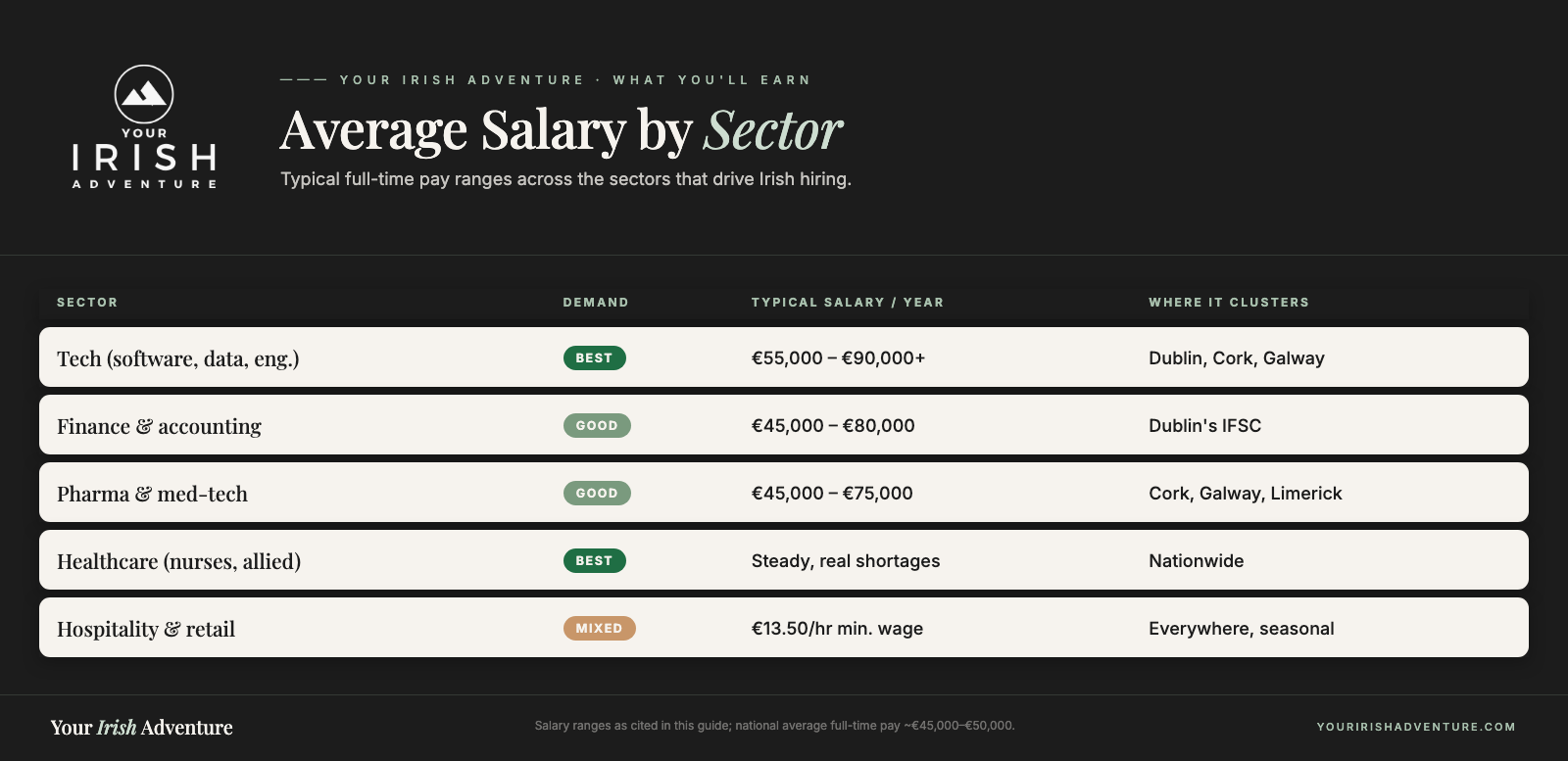
The average full-time salary in Ireland lands somewhere around €45,000 to €50,000 a year, but that number hides a lot. Tech and pharma roles in Dublin pay well above it, and hospitality or retail in a small town sit well below.
Rough ballparks for the sectors that matter most:
- Tech (software, data, engineering): €55,000 to €90,000-plus, higher with experience
- Pharma and med-tech: €45,000 to €75,000 across lab, production, and quality roles
- Finance and accounting: €45,000 to €80,000, concentrated in Dublin’s IFSC
- Healthcare (nurses, allied health): steady demand nationwide, with real shortages
- Hospitality and retail: often near minimum wage, which is €13.50 an hour
One thing to weigh against those numbers: income tax is high here. Once you’re earning over about €44,000 you hit the 40% rate on the rest, so a big salary on paper shrinks faster than you’d expect by the time it’s in your account.
Where each sector lives
Dublin has the most of everything, full stop. Cork is strong on pharma and tech, with Apple’s European base and a cluster of drug makers around the harbor. Galway and Limerick both lean on med-tech, with Galway built around medical devices and Limerick anchored by big employers near the university.
Outside those cities, the local job market thins out fast. Waterford holds up better than most thanks to its pharma base, but the smaller towns and the western coast run on tourism, hospitality, and local business, which means lower pay and more seasonal work.
Remote work changes the math

This is the part that opens up the whole list. If you work remote, you’re no longer tied to where the offices are, and that’s what makes Sligo, Westport, Kilkenny, or the Midlands realistic instead of a compromise.
Plenty of Irish companies and the multinationals here run hybrid or fully remote setups, and broadband in most towns is good enough to work on. The play a lot of people make now is simple: earn a Dublin or Cork salary, pay small-town rent, and live by the coast. Get that combination and almost everywhere on this list works.
Visas and Moving as an Expat
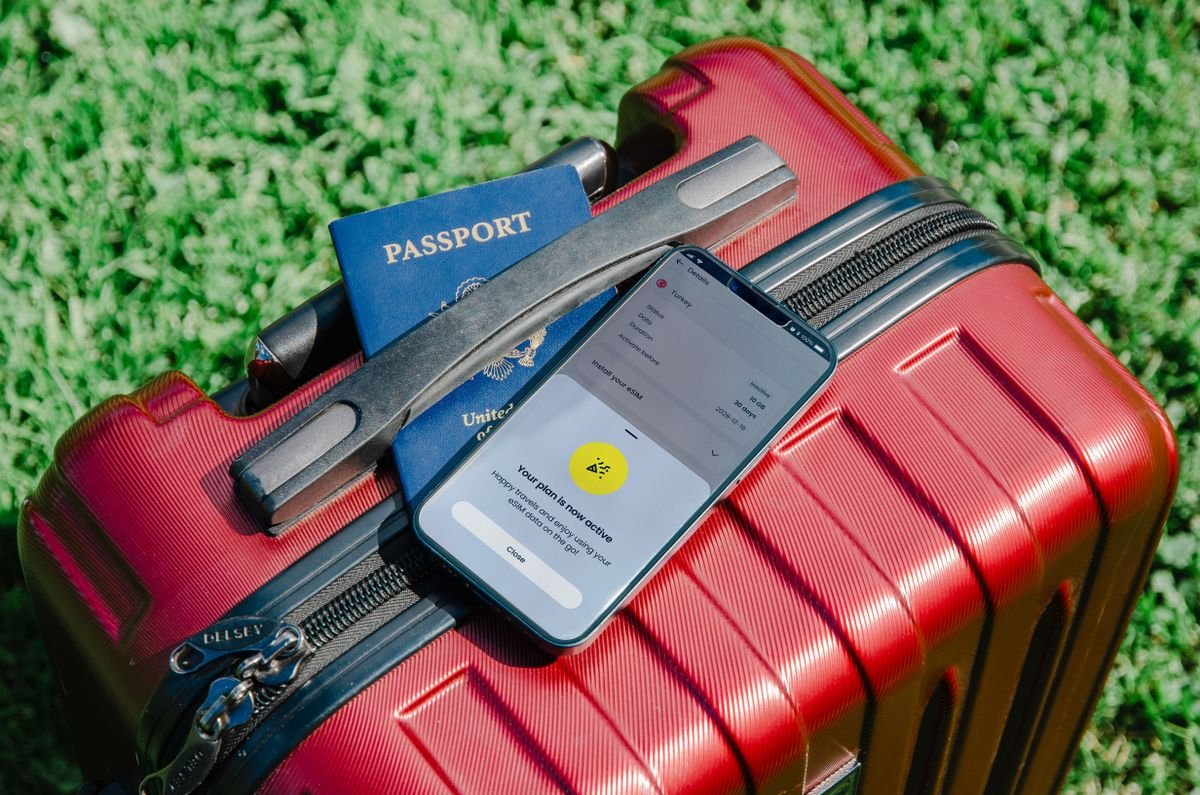
Whether you can just move to Ireland or have to jump through hoops comes down to one thing: your passport. The rules split hard between EU and non-EU, and it changes the whole game for where and how you settle.
If you hold an EU, EEA, or Swiss passport, you can move to Ireland and start working with no visa and no permit. You show up, get a PPS number for tax and services, and that’s it. Same goes for citizens of the UK, who can live and work here freely under the long-standing Common Travel Area.
Moving from outside the EU

For Americans, Canadians, Australians, and anyone else from outside the EU, it’s harder. You can visit for up to 90 days, but to live and work here long-term you need a job offer first, and your employer has to sponsor the permit. The job almost always comes before the move.
The main route is the Critical Skills Employment Permit. It’s aimed at roles Ireland is short on, mostly tech, engineering, healthcare, and some finance, which is why the cities with those jobs are where most expats land.
The usual bar is a job offer paying €38,000 or more on the eligible-occupations list, or €64,000-plus for jobs off it. The big advantage of that permit is the path it gives you: your spouse can usually work too, and after a couple of years you can apply to stay long-term.
The General Employment Permit is the fallback for jobs below that salary threshold, but it’s more restrictive and slower to lead anywhere permanent.
Other ways in
A few routes don’t run through a job offer:
- Irish ancestry: if a grandparent was born in Ireland, you may qualify for citizenship by descent, which is the cleanest route of all and skips the permit system entirely. Worth checking your family tree before anything else.
- Working Holiday Authorisation: for younger people from a handful of countries, this gets you a year or two to live and work without a sponsor
- Spouse or partner of an Irish or EU citizen: you can generally live and work here on that basis
- Remote workers and the self-employed have a tougher time, since Ireland has no dedicated digital nomad visa, so this side is more complicated than for some EU countries
My take is to sort the legal side before you fall for a town. It’s easy to read this list, decide on Galway or a spot on the coast, and forget that for most non-EU people the permit decides the city, because that’s where the sponsoring employers are. Line up the job and the paperwork first, then pick the place.
And get proper advice for your own case. Immigration rules shift, the salary thresholds get updated, and the official source is the Irish government’s immigration service site. This section gets you oriented, but it’s not a substitute for checking the current rules against your exact situation.
Frequently Asked Questions
These are the questions people ask most before moving to Ireland, on cost, the cheapest spots, visas, and which city actually fits. Short, straight answers below.
What is the best place to live in Ireland?
There’s no single answer, it comes down to what you’re after. If quality of life on a normal salary is the goal, Galway is the one I’d push hardest for. If you want city pay without city rent, it’s Limerick. For a coastal town that has its act together, Westport.
Where is the cheapest place to live in Ireland?
Among the cities, Limerick is the clear winner, with one-beds around €1,100 to €1,400 a month and real jobs to back it up. Go smaller and Athlone, the wider Midlands, or a quieter town in the west drop you to the €1,000 to €1,300 range.
Can Americans move to Ireland?
Yes, but you’ll need a job offer first in most cases. Non-EU citizens can visit for 90 days, but to live and work here long-term you need an employer to sponsor a work permit, usually the Critical Skills Employment Permit for tech, engineering, or healthcare roles.
Is it better to live in Dublin or Galway?
Dublin if the job comes first, Galway if the life does. Dublin has the deepest job market by a wide margin and the international airport, but rent will eat the biggest chunk of your budget.
Is Ireland a good place to live?
Yes, with two things to be straight about. The housing shortage is real and finding a place takes patience, and the weather is wet and gray for a big stretch of the year.
How much money do you need to live comfortably in Ireland?
In a city, a single person needs somewhere around €2,800 to €3,500 a month to live comfortably, and most of that is rent. Pick a smaller town and that figure comes down a fair bit.
In short
- Dublin city-center one-beds run €1,900 to €2,300 a month, the priciest in Ireland.
- Galway and Cork one-beds sit around €1,400 to €1,800; Cork is usually better value.
- Smaller towns like Kilkenny or the west drop a one-bed to €1,000 to €1,300.
- A pint costs €6 to €8 in Dublin, closer to €5 in a rural pub.
- Shoulder season suits a two-week drive from Dublin to Cork and up the west coast.
Picking the Best Place to Live in Ireland for You
By now you’ve probably noticed the same two things decide every spot on this list: the job and the rent. Get those straight in your head first, and the right place tends to pick itself. Here’s how I’d run through it.
Start with work, because for a lot of people it’s the thing you can’t bend. If you need a deep job market and you’re not remote, you’re realistically looking at Dublin, Cork, Limerick, or Galway. Everywhere else on this list needs you to be remote, retired, or willing to commute.
Then ask yourself the city-or-coast question and answer it straight. A lot of people picture a small town by the sea and then realize a month in that they miss having things to do on a wet Tuesday. If that’s you, go for a real city. If it isn’t, the smaller towns give you far more for your money.
Match the place to what you’re optimizing for

Once work and setting are sorted, it comes down to what you’re willing to trade. A few quick verdicts to point you:
- Best all-round quality of life on a normal salary: Galway
- City pay without city rent: Limerick
- A real city, cheaper than Dublin, near the coast: Cork
- The deepest job market and the airport on your doorstep: Dublin
- A small town with history and rent you can live with: Kilkenny or Waterford
- Coast-and-mountains living, distance and thin jobs accepted: Sligo or Westport
- The most house for the money, central, no sea: Athlone and the Midlands
If you’re moving from outside the EU, flip the order. The permit decides the city for you, because that’s where the sponsoring employers are, so sort the job and the paperwork before you fall for a town.
And whatever shortlist you land on, rent there for a few months before you commit. A place reads completely differently when you’re living its ordinary weeks rather than driving through on a good afternoon. Even in shoulder season, the towns that won us over fast weren’t always the ones we’d planned on.
Pick the one that fits your job and your budget, give it a real trial run, and let the place make its own case. That’s how you find the right corner of Ireland, not by the photos.
Like it? Pin it!
Save this guide for later