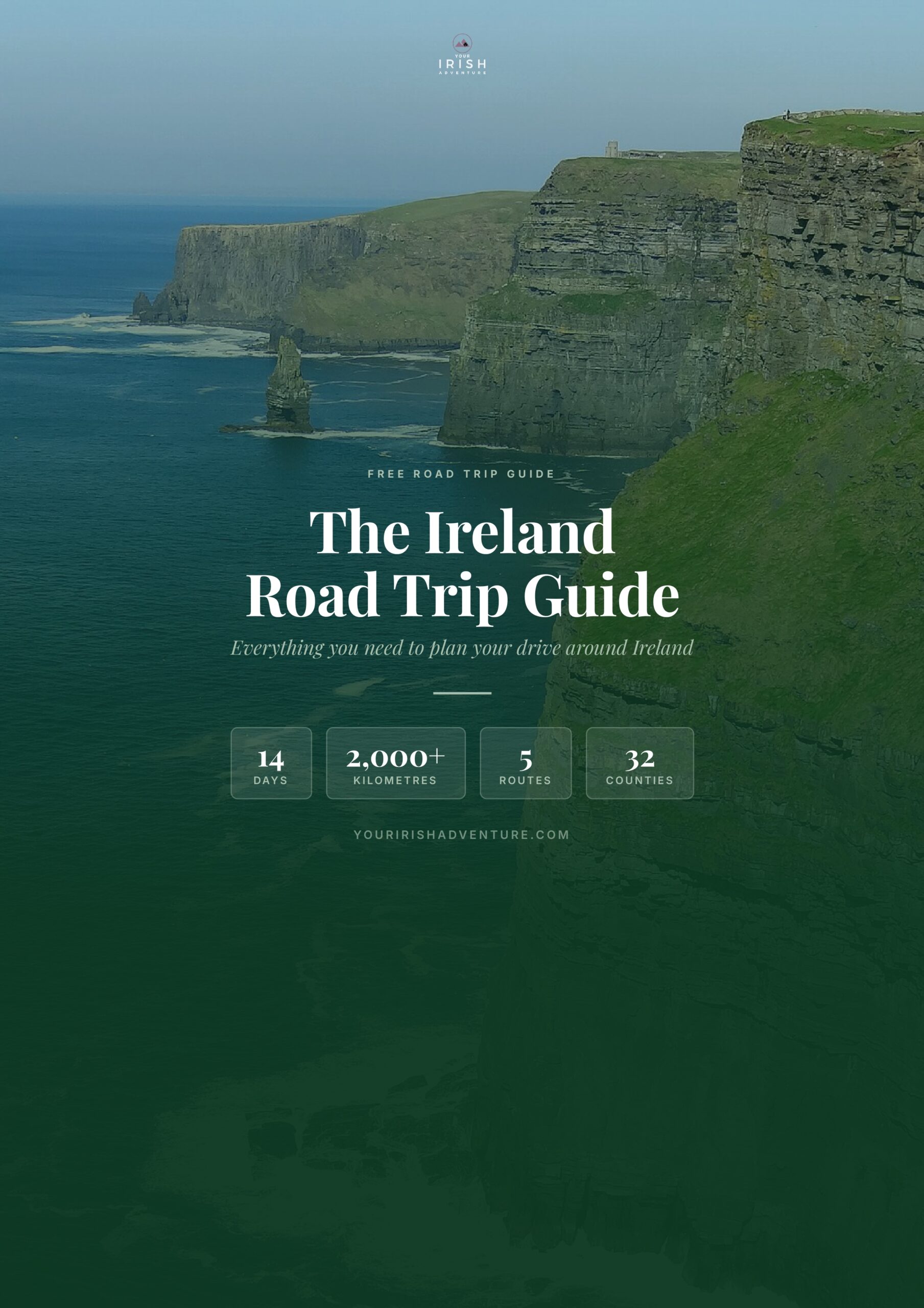
Looking for the best things to do in Ireland with kids? Ireland is one of the best family travel destinations in Europe, and it’s easy to see why families keep coming back.
The combination of friendly locals, wide-open landscapes, ancient castles, and a culture that genuinely welcomes kids makes it hard to find anywhere quite like it.
From the wild Atlantic coast to medieval towns full of history, there’s enough here to keep every age group happy for weeks.
More guides for your Ireland trip:
- 33 Best Things To Do in Galway, Ireland
- 15 Best Things To Do in Howth, Ireland
- 30 Best Things To Do in Ireland
- 15 Best Things To Do in Doolin, Ireland
- 20 Best Things To Do in Dingle, Ireland
- 15 Best Things To Do in Wicklow, Ireland
- 15 Best Things To Do in Kinsale, Ireland
- 15 Best Things To Do in Derry, Ireland
- Best Things To Do In Cork (City & Day Trips)
- 15 Best Things to do in Bray
A Bit About Ireland
Ireland is a small island on the western edge of Europe, divided into 32 counties split between the Republic of Ireland in the south and Northern Ireland in the north.
The whole island is easy to cover by road. You can drive coast to coast in a couple of hours, which makes an Ireland family road trip one of the best ways to see the country.
You get wild Atlantic coastline, ancient megalithic sites, medieval castles, and friendly locals who are good with kids.
The character of the place is hard to fake: it’s warm, unhurried, and surprisingly easy to navigate.
One thing to know before you go: the weather is famously unpredictable, even in summer.
Pack a waterproof jacket for every member of the family, no matter what the forecast says.
Top 10 Things to Do in Ireland With Kids
This list covers both the Republic of Ireland and Northern Ireland, so you’re looking at the whole island. Some of these are easy half-day stops you can fold into a road trip, while others are worth anchoring a couple of nights around.
1. The Cliffs of Moher
The Cliffs of Moher are the most visited natural attraction in Ireland, and with 8 km of cliff edge dropping up to 214 m straight into the Atlantic, it’s easy to see why they top every family Ireland itinerary.
The visitor centre is good with kids. The interactive geology and wildlife displays are well put together and hold attention better than you’d expect.
If the weather turns (and it often does), it gives you somewhere useful to be rather than just sheltering in the car.
Taking a guided tour from Dublin or Galway is the easiest way to do this with young children. No navigation stress, no parking headaches, and a guide who can point out the puffin colonies on the cliff face that most people walk straight past. A Cliffs of Moher day tour from Dublin covers the Wild Atlantic Way and swings through Galway City too, which makes it a solid full day out.
That said, be realistic about the clifftop path if you have little ones. The exposed sections get very windy, buggy access is limited on the rougher trails, and the main viewing area can be seriously crowded in summer.
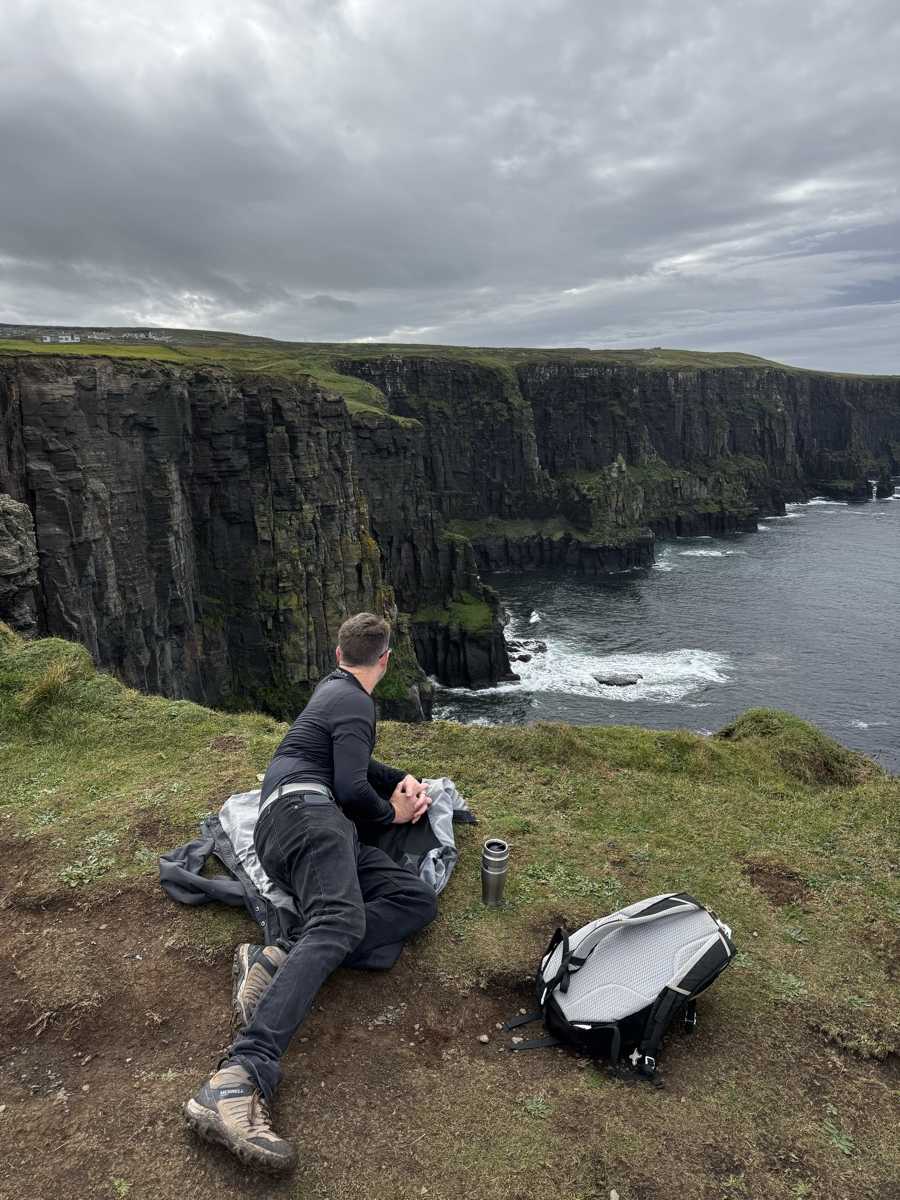
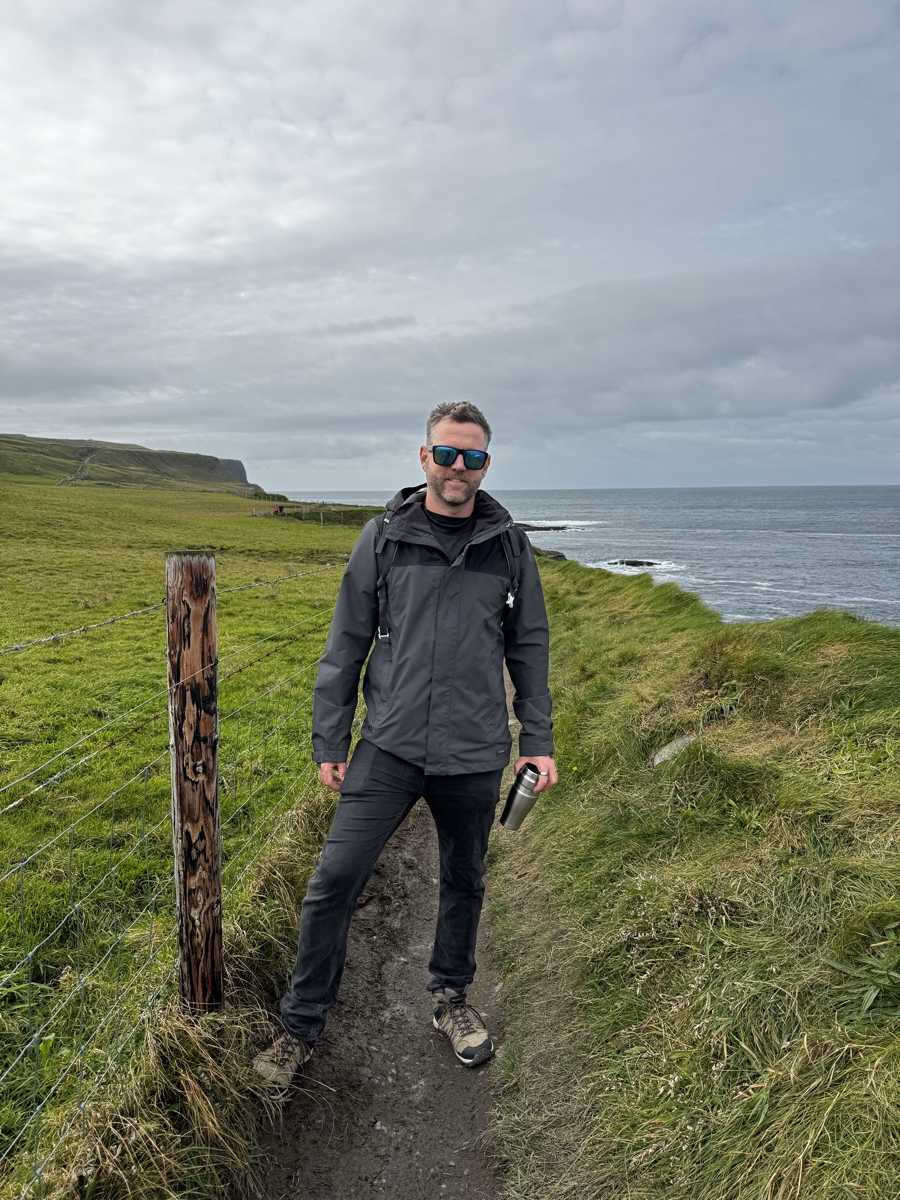
We did the walk north from Doolin along the cliff edge instead, and that stretch is wilder and far less hectic. Dress everyone in layers and skip the sandals.
Best for: Kids aged 5 and up who can walk a short distance independently.
2. The Dingle Peninsula
The Dingle Peninsula is one of the most spectacular stretches of coastline in Ireland, and I regret not spending more time here.
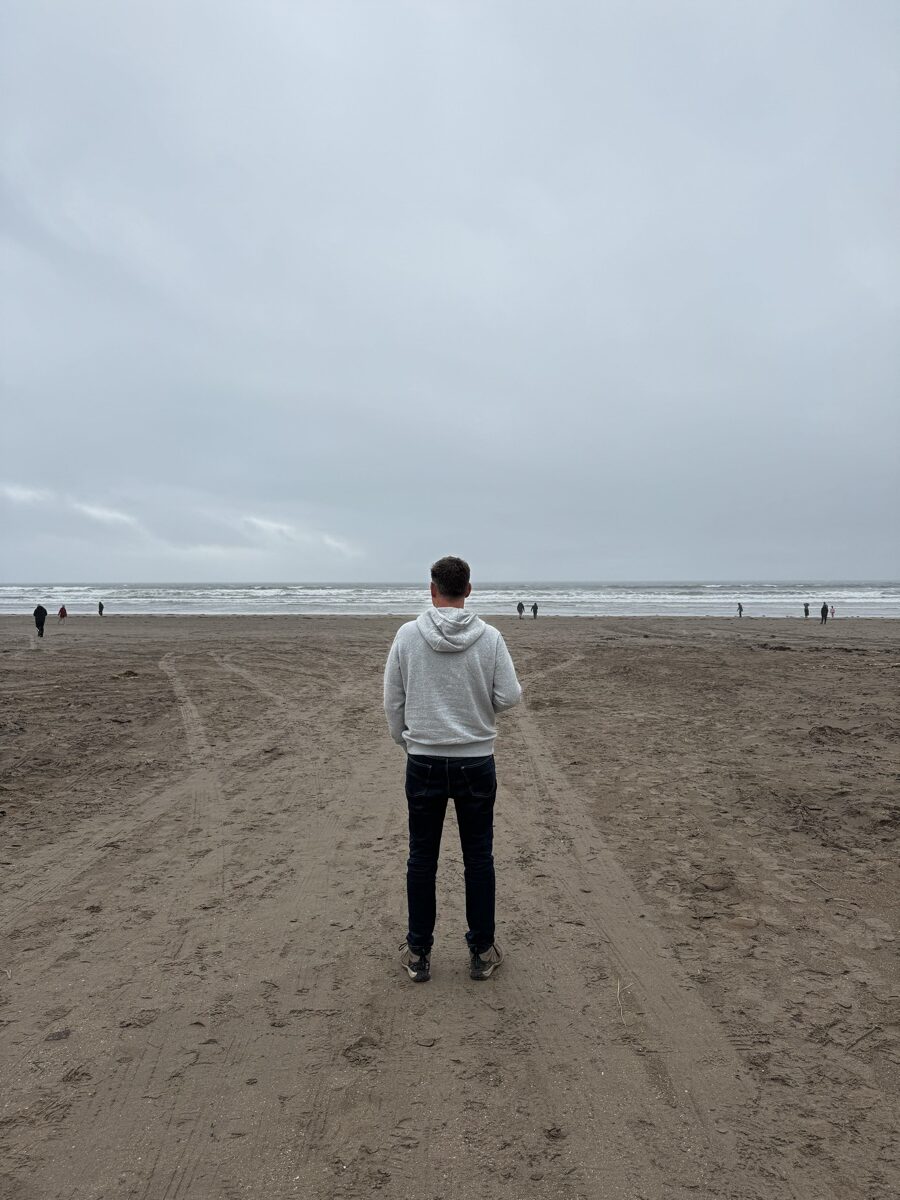
We arrived in heavy rain and only really saw Dingle after dark, which is our biggest regret of the entire trip.
The town itself is brilliant at night, but the peninsula deserves daylight, and ideally two full days.
For families, the Slea Head Drive is the main draw.
You get the beehive huts at Fahan, which are ancient stone structures that look like something from a hobbit film.
Kids tend to find them properly strange and fascinating in a way that most historical sites never quite manage.
Inch Beach is a three-mile stretch of flat sand with calm enough water for easy paddling, and it’s a natural stopping point on the drive.
Dolphin-watching boat trips out into Dingle Bay are popular too, and while Fungie the famous resident dolphin is no longer around, wild dolphins are still regularly spotted in the bay.
One warning for families hiring a car: the Slea Head Drive includes stretches of single-track road.
Passing places are tight, there’s oncoming traffic, and the drop to the sea is not always far away.
Nervous drivers will find it stressful.
If that sounds like your situation, a guided day tour from Killarney or Tralee is a far more relaxed way to do it.
Dingle and the Ring of Kerry sit in the same corner of County Kerry, so if you’re planning a Ring of Kerry with kids as well, it’s easy to combine both into a two or three-night base in Killarney.
Best for: Families who enjoy a mix of beaches, coastal scenery, and genuinely ancient history. Allow at least one full day, ideally two.
3. Blarney Castle and the Blarney Stone
We expected Blarney Castle to be a tourist trap and walked away impressed. Yes, kissing the Blarney Stone is the headline act, but the estate around it is far more substantial than most people realise.
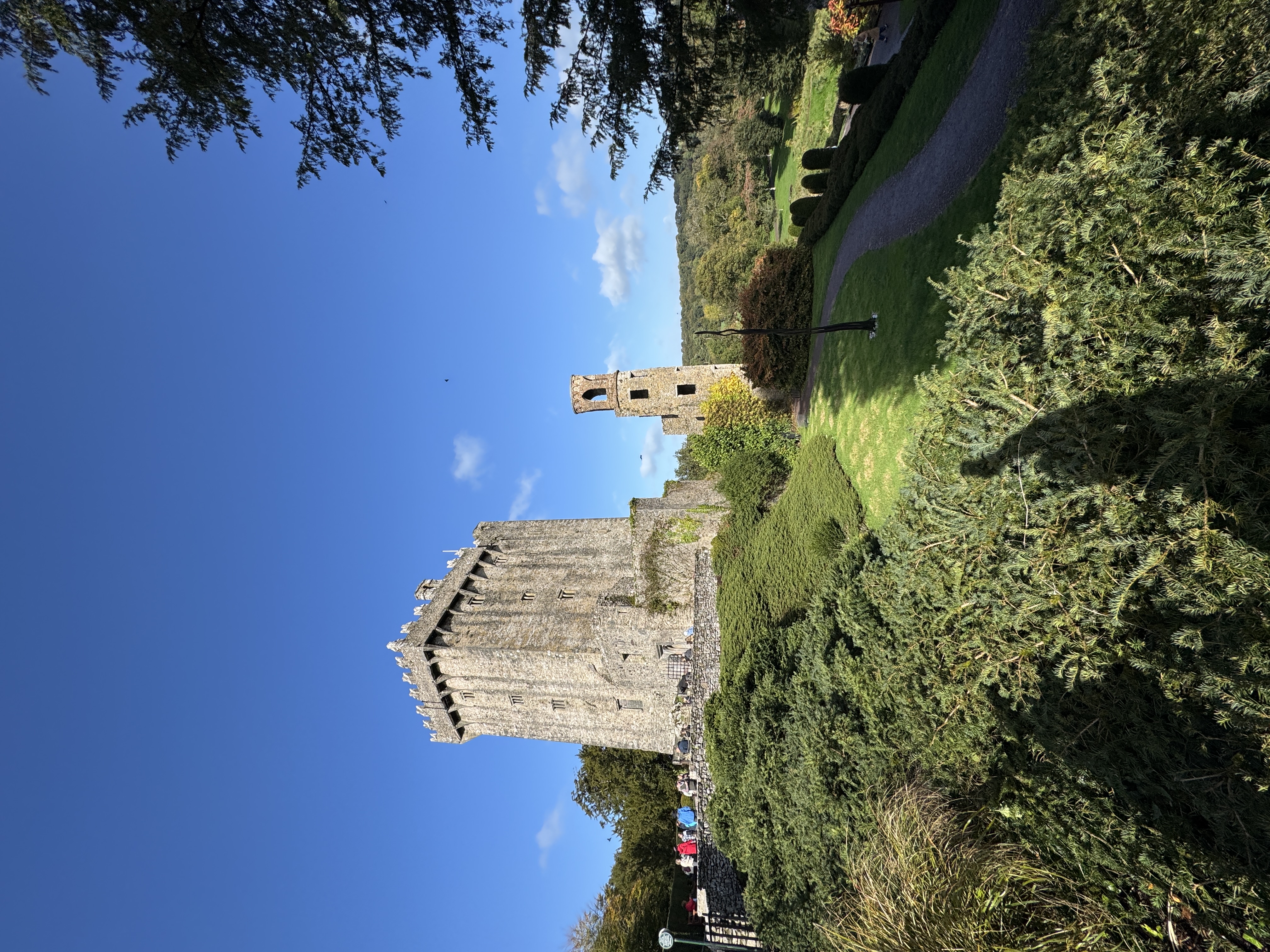
The stone itself sits at the top of a 25-metre castle tower. Kids who are old enough to handle the climb love the absurdity of it, lying backwards over a parapet to press their lips against a block of limestone.
For families, the grounds below are just as good. The Rock Close is a woodland garden built around ancient stones and a druid’s altar that looks straight out of a fairy tale.
The Poison Garden has real toxic plants with explanatory signs that older kids find fascinating. We also spent a good hour on the Fern Garden and the River Bank Walk, both beautifully maintained and easy going underfoot.
Entry is around €18 for adults and €8 for children at the time of writing. In summer the queue for the stone can stretch long, so book a timed entry slot in advance.
Guided options are available if you want someone to put the history in context.
Best for: Families with kids of most ages. Allow two to three hours minimum, more if you want to do the full grounds properly.
4. Titanic Belfast
Titanic Belfast is one of the best family museums in the British Isles, and that’s not a claim I make lightly.
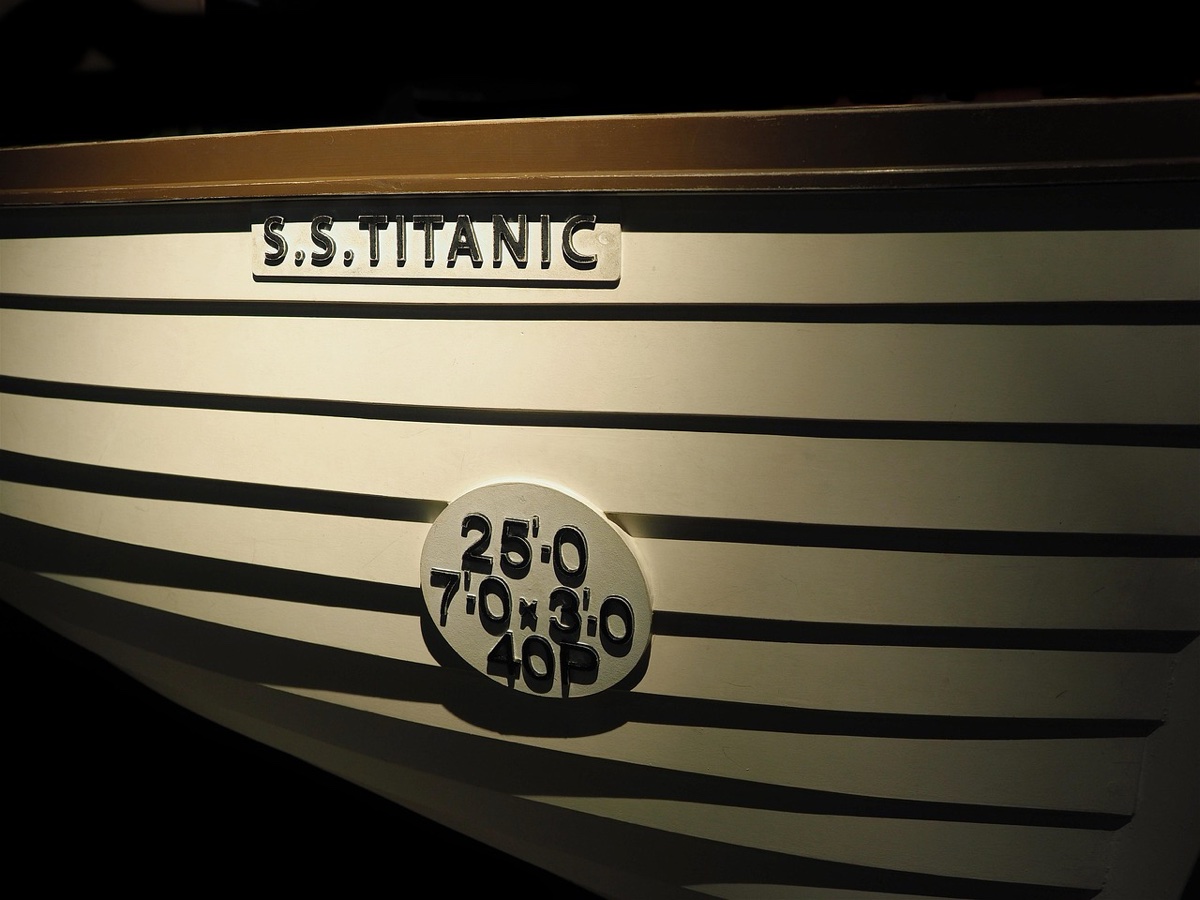
Nine interactive galleries take you from the shipyard floors of early 1900s Belfast all the way through the Titanic’s ill-fated maiden voyage, with a dark ride through a recreated shipyard, full-scale cabin interiors, and a genuine sense of scale that no documentary quite manages to replicate.
Kids engage with it well, but be aware that the later galleries cover the sinking and the death toll in real detail.
It’s handled respectfully, not sensationally, but it’s heavy content for younger or more sensitive children. Worth knowing before you walk in.
Entry runs around €26 for adults and €13 for children. Guided tours are available if you want the full historical context rather than self-guiding through the exhibits.
Titanic Belfast is located in the Titanic Quarter, a short taxi or bus ride from Belfast city centre.
If you’re already based in Dublin for your trip, Belfast is under two hours by car or train, which makes this a natural day trip or overnight extension. You can also do it without a car – there are organised options like this Titanic Belfast & Giant’s Causeway tour that handle the logistics from Dublin if you’d rather not deal with trains and taxis.
It pairs well with a wider Northern Ireland itinerary, especially if you’re already looking at things to do in Ireland with kids across both sides of the border.
Best for: Families with kids aged 8 and up. Allow at least two to three hours, more if you want to take your time in the later galleries.
5. The Céide Fields
The Céide Fields in County Mayo are the oldest known field systems in the world, preserved for over 5,000 years under a blanket bog.
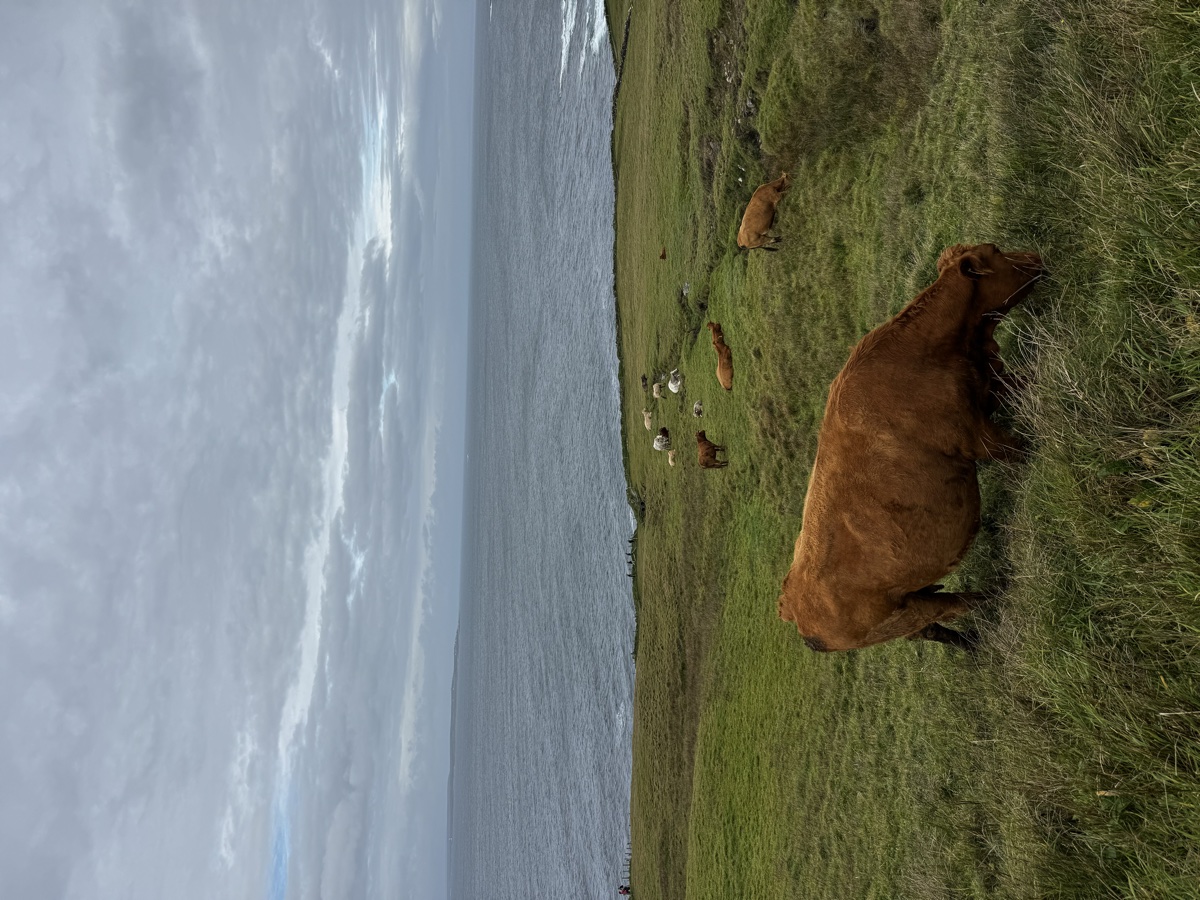
That’s not marketing copy – archaeologists didn’t know what was under there until a local teacher started noticing unusual patterns in the ground in the 1930s.
The pyramid-shaped visitor centre does a brilliant job of making that scale feel real, with guided bog walks on boardwalk paths and a viewing platform that puts the whole landscape in context.
You get a clear picture of how Stone Age farmers actually laid out their land, divided it into fields, and built homes here millennia before the pyramids went up in Egypt.
This place is deliberately remote, sitting on the north Mayo coast between Ballycastle and Belmullet. Plan it as a purposeful stop rather than a quick detour off the main road.
Entry runs around €5 for adults and €3 for children, which is good value for what you get. The bog walks are on boardwalk the whole way, so they’re manageable for most ages and fitness levels.
6. The Dublin Duck Boat (Viking Splash Tour)
The Viking Splash Tour is one of those things that looks cheesy on paper and turns out to be great fun, especially for families looking for things to do in Dublin with kids.

You board an amphibious DUKW vehicle, get handed a Viking helmet, and spend the next hour rolling past St Patrick’s Cathedral, Merrion Square, and the Georgian streetscapes of central Dublin.
Then the driver points the nose straight at the Grand Canal Basin and drives into the water.
The splash is the moment everyone’s been waiting for, and it delivers every time.
Along the way, the guide encourages roaring competitions at unsuspecting pedestrians, the humour is deliberately over the top, and that’s exactly the point.
It works because nobody’s pretending it’s anything other than a fun, loud, slightly ridiculous way to see the city.
It’s good for ages four and up, and the mix of a land tour and a boat ride in one keeps shorter attention spans locked in throughout.
Book well in advance if you’re visiting in summer, seats go fast and it’s a popular pick. Click here to check availability and book your spot.
7. The Burren National Park
The Burren is one of the most otherworldly landscapes in Ireland, a vast limestone plateau cracked into an endless grid of grikes and clints, with wildflowers pushing up through what looks like solid rock.
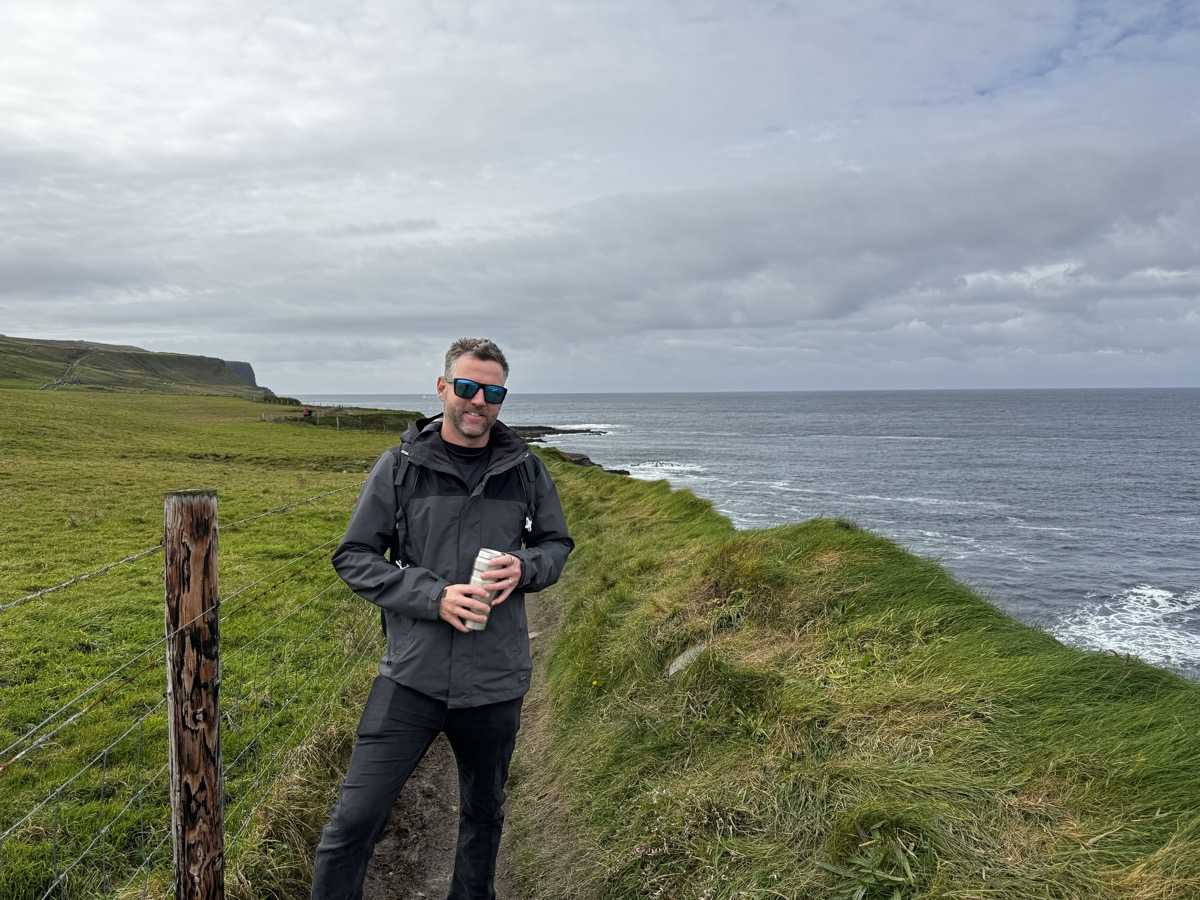
Kids tend to love it for reasons that have nothing to do with geology. The Poulnabrone Dolmen is a 5,000-year-old portal tomb that looks like it was lifted straight from a fantasy film set, and the rock-hopping across the limestone pavement keeps younger ones occupied far longer than any guided tour would.
The Burren sits in County Clare, which makes it a natural pairing with the Cliffs of Moher on the same day out. Drive one, walk the other, and you have a full Clare loop without doubling back on yourself. If you’re coming from Dublin without a car, a Cliffs of Moher, Burren & Galway tour covers both in a single day trip and saves you the logistics of navigating rural Clare on your own.
One caveat: the terrain is uneven and can be rough going with a buggy or a toddler who doesn’t want to be carried. Entry to the national park itself is free, so the only cost is your time getting there.
8. The Ring of Kerry
The Ring of Kerry is a 179 km loop around the Iveragh Peninsula in County Kerry, taking in coastline, mountain passes, and lakes in one of the most iconic drives in Ireland.
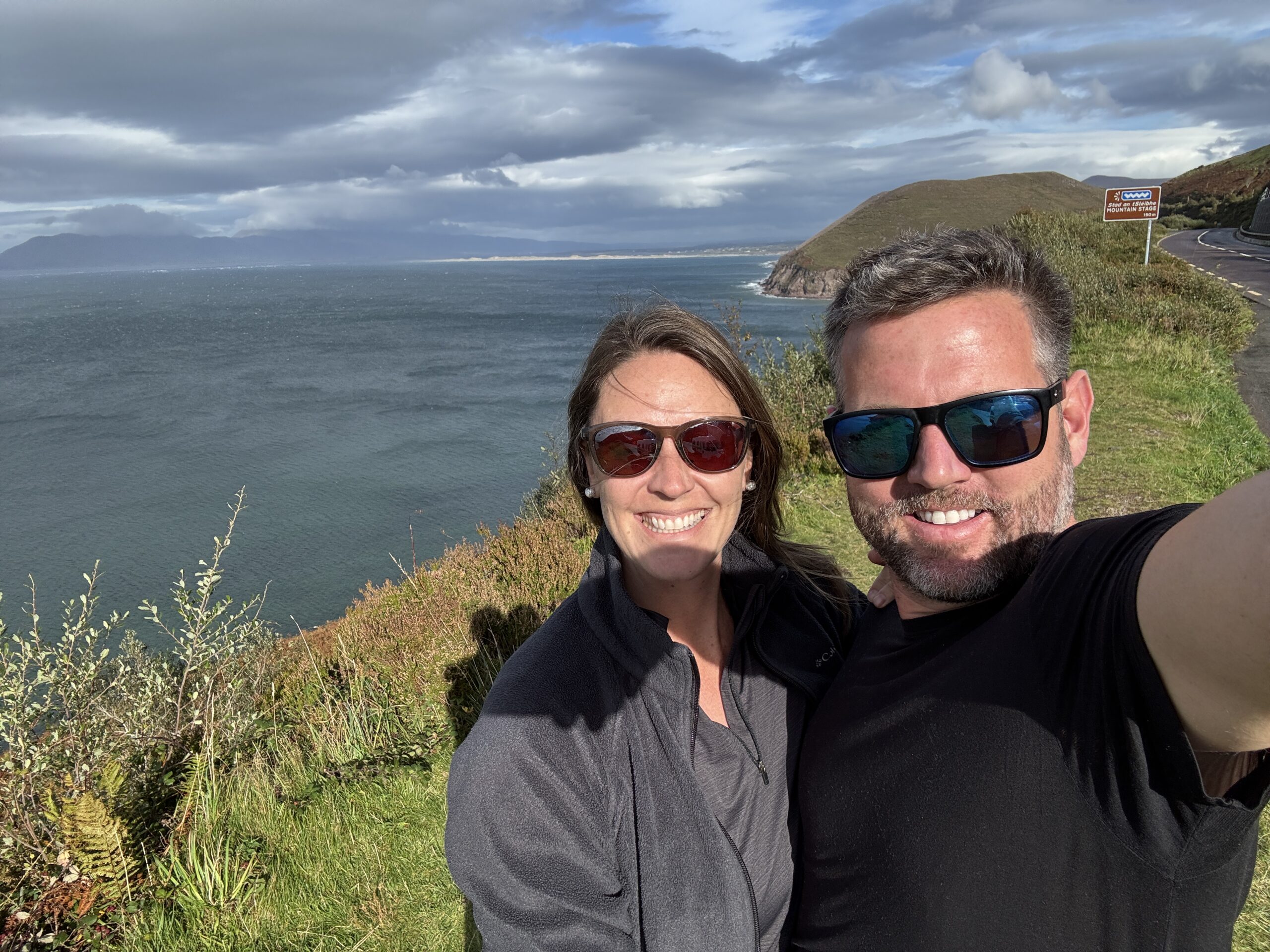
We drove it in October under heavy cloud cover, and even then it held its own.
In good weather, this route is spectacular, so if the sun is out, stop at every viewpoint you come across and don’t rush it.
For families, the Gap of Dunloe is the standout. It’s a narrow glacial valley where you can hire a jaunting car, a traditional horse-drawn trap, and be driven through while the driver tells stories.
Ring of Kerry with kids doesn’t get much better than that, and it’s the kind of experience that tends to stick with younger travellers long after the scenery has faded.
Torc Waterfall near Killarney is worth a stop too. It’s a short, easy walk from the car park, and it’s dramatic enough to hold everyone’s attention without asking much of shorter legs.
One practical tip: coach tours run the Ring anticlockwise. Self-driving families should go clockwise to avoid getting stuck behind a convoy of buses on the narrow stretches.
More guides for your Ireland trip:
- 28 Unique Things To Do in Clare: Ireland’s Foodie Trail
- 27 Fun Things To Do in Belfast, Ireland
- Fun Things To Do in Wexford – Ireland’s Sunny Southeast
- 15 Fun Things To Do in Killarney, Ireland
- Fun Things To Do in Tipperary – Ireland’s Ancient East
- 17 Fun Things To Do in Sligo – Ireland’s Underrated Adventure Capital
- Fun Things To Do in Kildare – Ireland’s Ancient East
- Fun Things To Do in Kilkenny – Ireland’s Marble City
- Unique Things To Do in Carlingford – Ireland’s Adventure Centre
- Unique Things To Do in Donegal Town in Ireland’s Northwest
9. The Aran Islands
The Aran Islands (Inis Mór, Inis Meáin, and Inis Oírr) sit off the Galway coast and feel unlike anywhere else in Ireland.
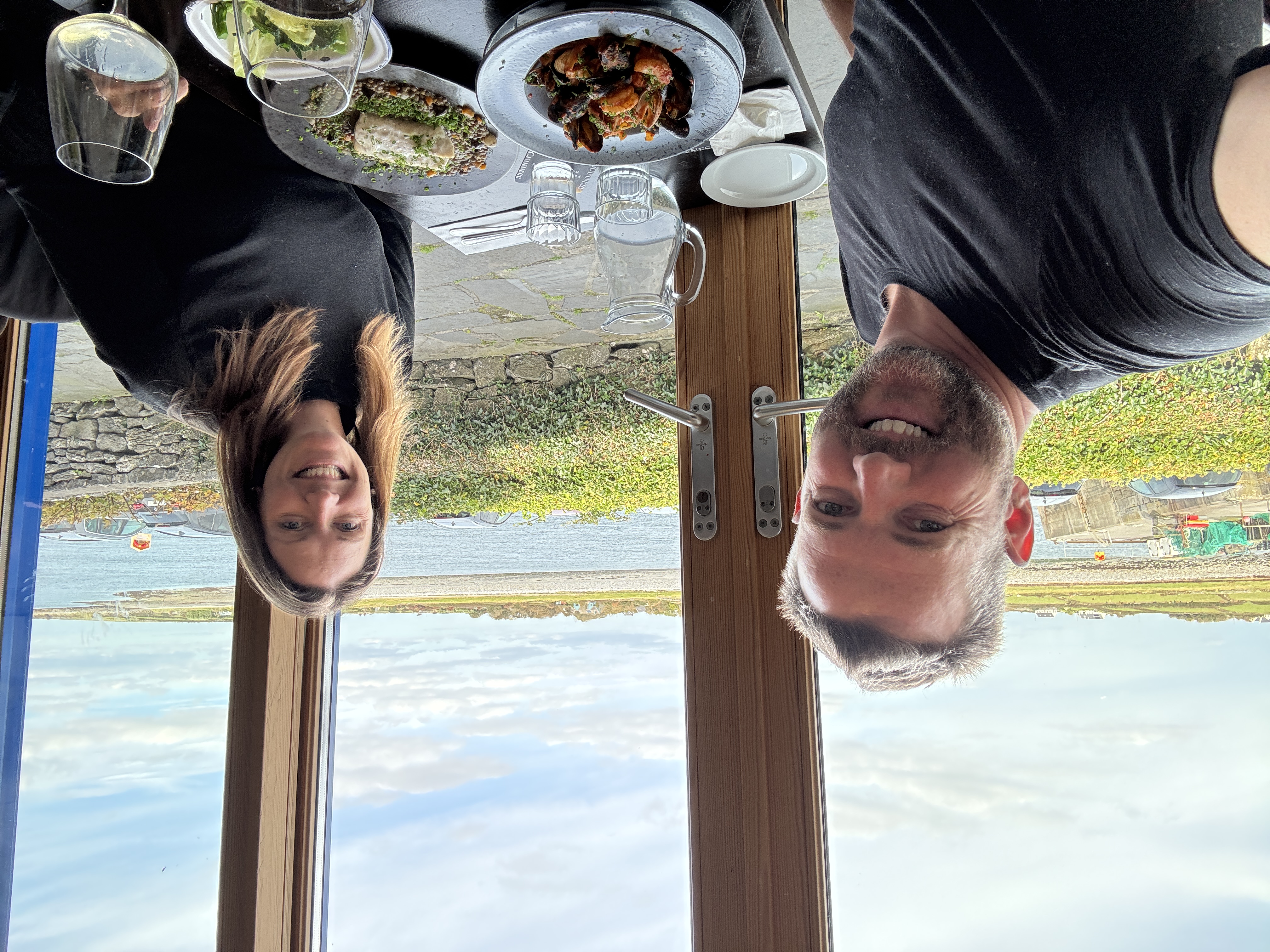
Irish is still spoken as a first language here, the landscape is ancient limestone and dry-stone walls, and the pace of life is slower in a way that actually registers.
For families, Dún Aonghasa on Inis Mór is the standout: a prehistoric stone fort perched right on the edge of a 100-metre cliff, with nothing between you and the Atlantic below.
It’s one of the most dramatic archaeological sites in Europe, and kids old enough to grasp the scale tend to go very quiet when they reach the edge.
Hiring bikes on Inis Mór is the best way to explore. The island is flat enough that younger children can handle it, and the roads are quiet.
One practical note worth taking seriously: the ferry from Rossaveal takes around 40 minutes and can be rough when the weather turns.
Check the forecast before you go and bring sea sickness tablets if anyone in your group is prone. It’s not a pleasant crossing in a swell.
Ferries run year-round, and day tours departing from Galway city are a straightforward option if you’d rather have the logistics handled for you.
10. Killarney National Park
Killarney National Park is Ireland’s oldest national park, and it earns that status.
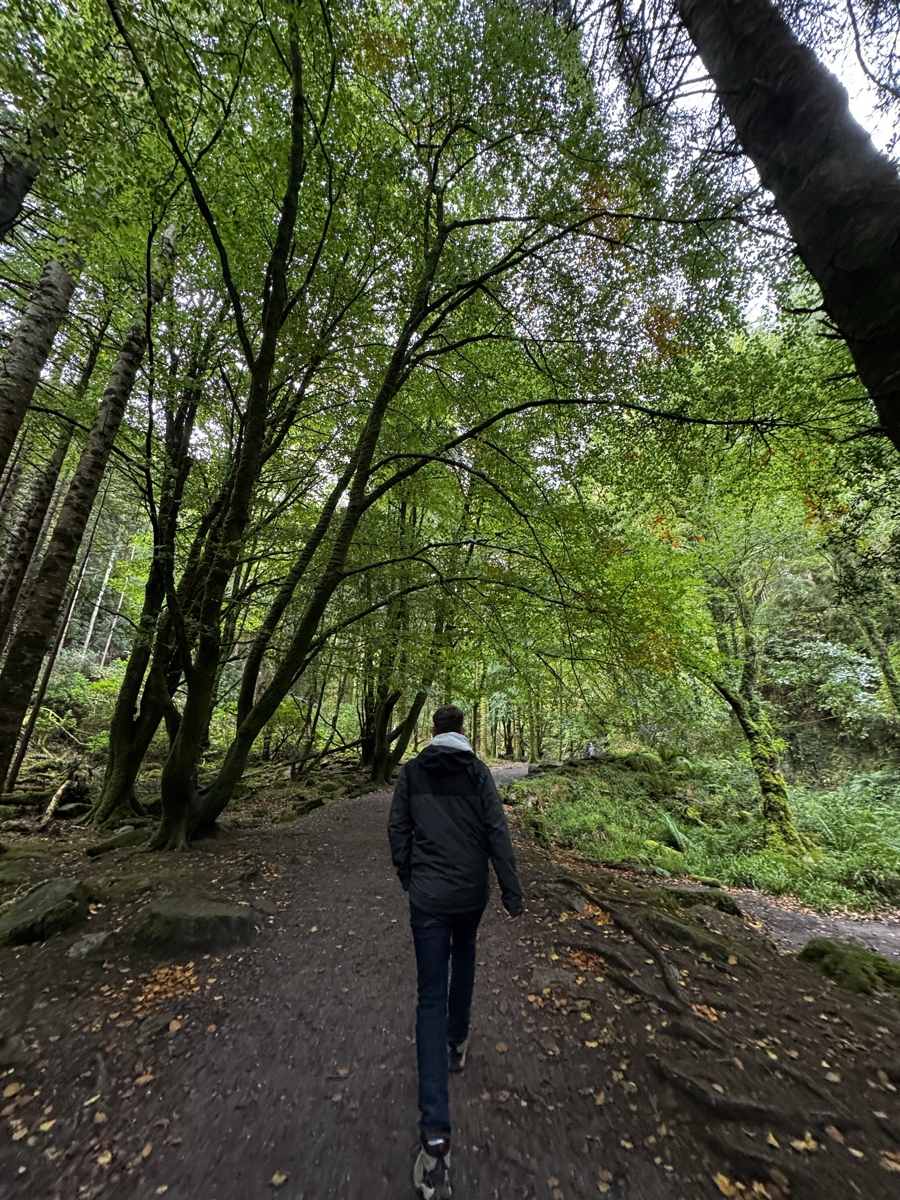
We visited in October and spent a full day at Muckross Estate in heavy rain, and it was still one of the best days of the trip.
Muckross House is a Victorian manor house with interactive traditional farm demonstrations, butter-churning, wool-spinning, basket-weaving, the kind of hands-on stuff that actually holds kids’ attention.
The Muckross Abbey ruins are right nearby, a 15th-century Franciscan friary that looked atmospheric even soaked in mist. Torc Waterfall is a short walk from the car park and worth every step.
For families, the park’s dedicated cycling trails are a strong option, and the Lakes of Killarney boat trips add something genuinely different to the day.
For Ireland with teens, the cycling and kayaking options here are particularly well-suited to older kids who want more than walking between sites. The Killarney National Park website has current trail maps and boat trip information worth checking before you go.
One note: Killarney town has a reputation for being touristy, and in July and August, the park genuinely gets crowded. Early starts for boat trips pay off.
Outside peak summer, it’s a different experience entirely, and Killarney deserves two to three nights if you can manage it.
More Places to Visit in Ireland With Kids
Ireland has more to offer families than the big-ticket spots alone. The towns and cities below are worth building into a longer itinerary as overnight stops or half-day breaks.
Kilkenny is one of the best-preserved medieval cities in Ireland, with a castle the kids can actually explore inside and a compact, walkable centre.
Cobh, on the south Cork coast, tells the story of Irish emigration in a way that lands even for younger visitors, and the colourful hillside streets are genuinely photogenic.
Dingle is a small but vibrant town on the Wild Atlantic Way with beaches, dolphins, and a famous pub or two. And if your family has a theme park day in the budget, Tayto Park (now Emerald Park) near Dublin is well worth the detour.
Trinity College and Dublin City
Dublin is one of the most walkable cities in Europe, and for families it makes an excellent base, whether you’re arriving fresh off a flight or winding down at the end of a road trip.
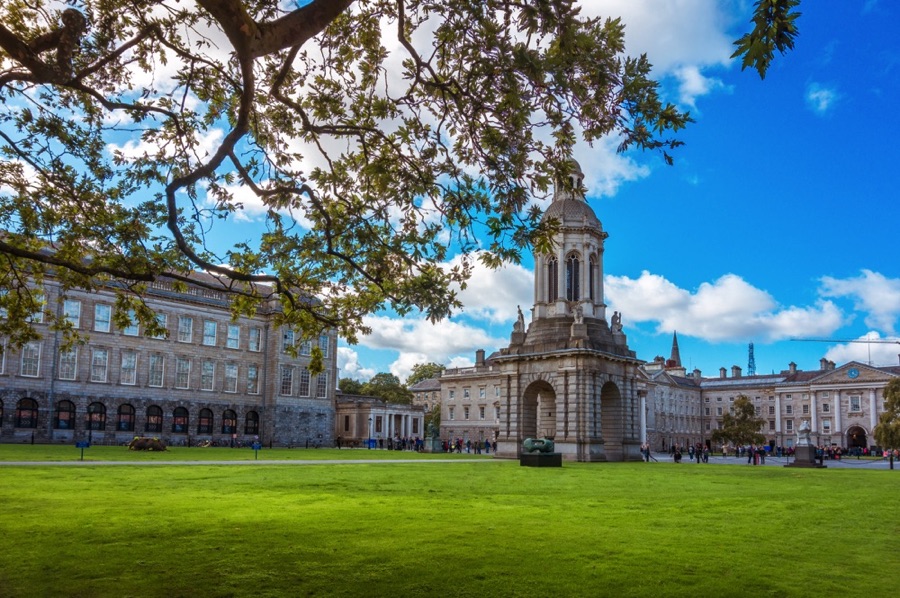
The Book of Kells at Trinity College is one of those things that genuinely impresses kids who have any interest in history or art.
The Long Room library above it is one of the most beautiful rooms you’ll find anywhere on the continent.
St Stephen’s Green is a free option that works well for younger children who need to burn off some energy.
Worth noting: Dublin is expensive, so budget accordingly, especially for food and tours near the main sights.
If you want to make the most of the city with younger visitors, this Book of Kells & Dublin Castle tour covers the highlights without the legwork of planning it yourself.
Kilkenny
Kilkenny is one of Ireland’s best-preserved medieval cities, and it punches well above its weight for a place this compact.
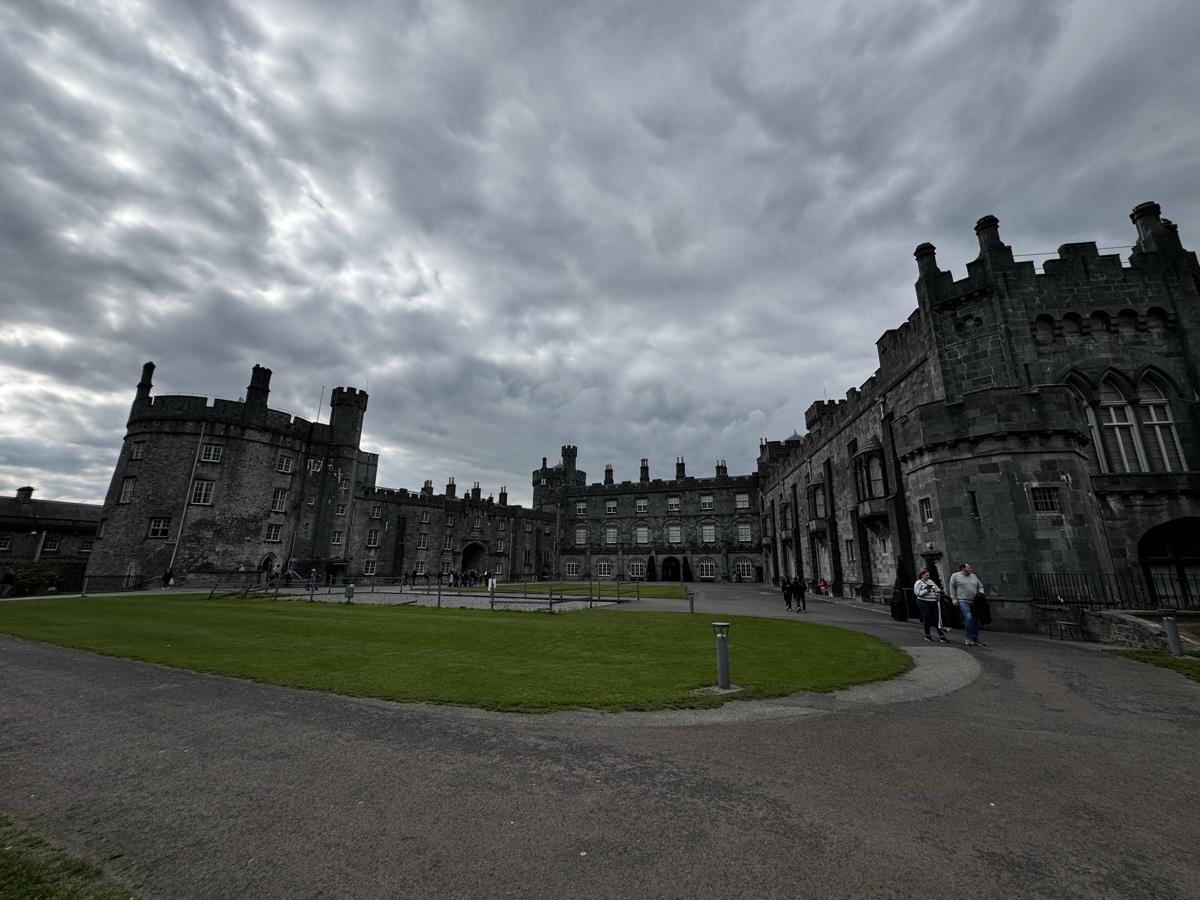
We spent a day wandering the Medieval Mile, exploring the Butter Slip alleyway, and walking the castle grounds along the river.
Kilkenny Castle is the centrepiece, and the interior is well worth the ticket price. The Irish elk antlers display inside is one of those unexpected details that sticks with you.
The Medieval Mile Museum fills in the history well if you want more context after the castle.
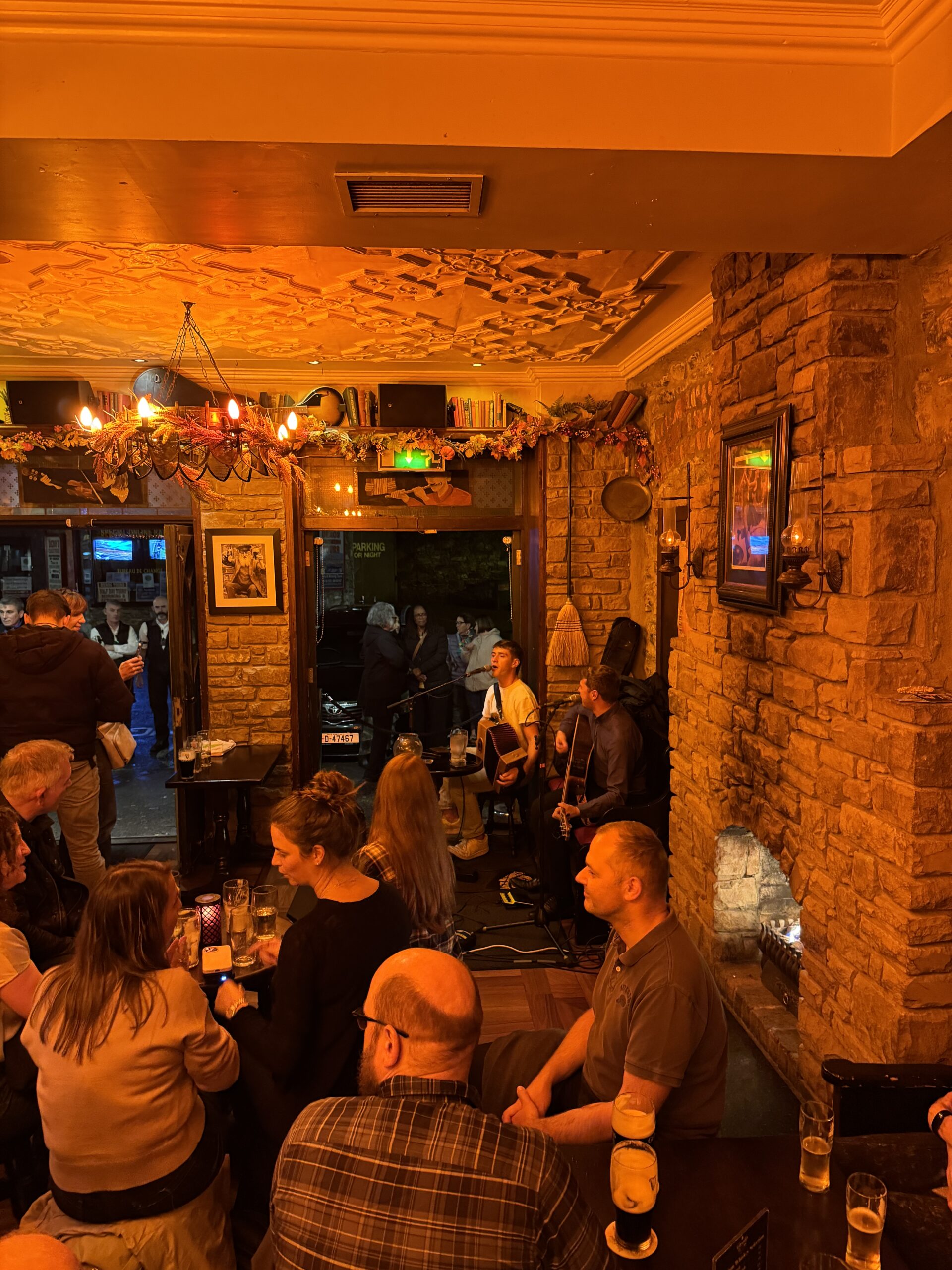
Evening on Parliament Street, a Guinness at The Pumphouse with live music, and a steak at the Butcher Restaurant rounded out one of the better stops on the whole route.
One note: Kilkenny is small. Half a day covers the highlights comfortably, and a full day with a relaxed evening is enough before moving on south.
Galway
Galway is the most characterful city on Ireland’s west coast, and if you’re exploring Connemara, the Burren, or the Aran Islands, it makes an excellent base.
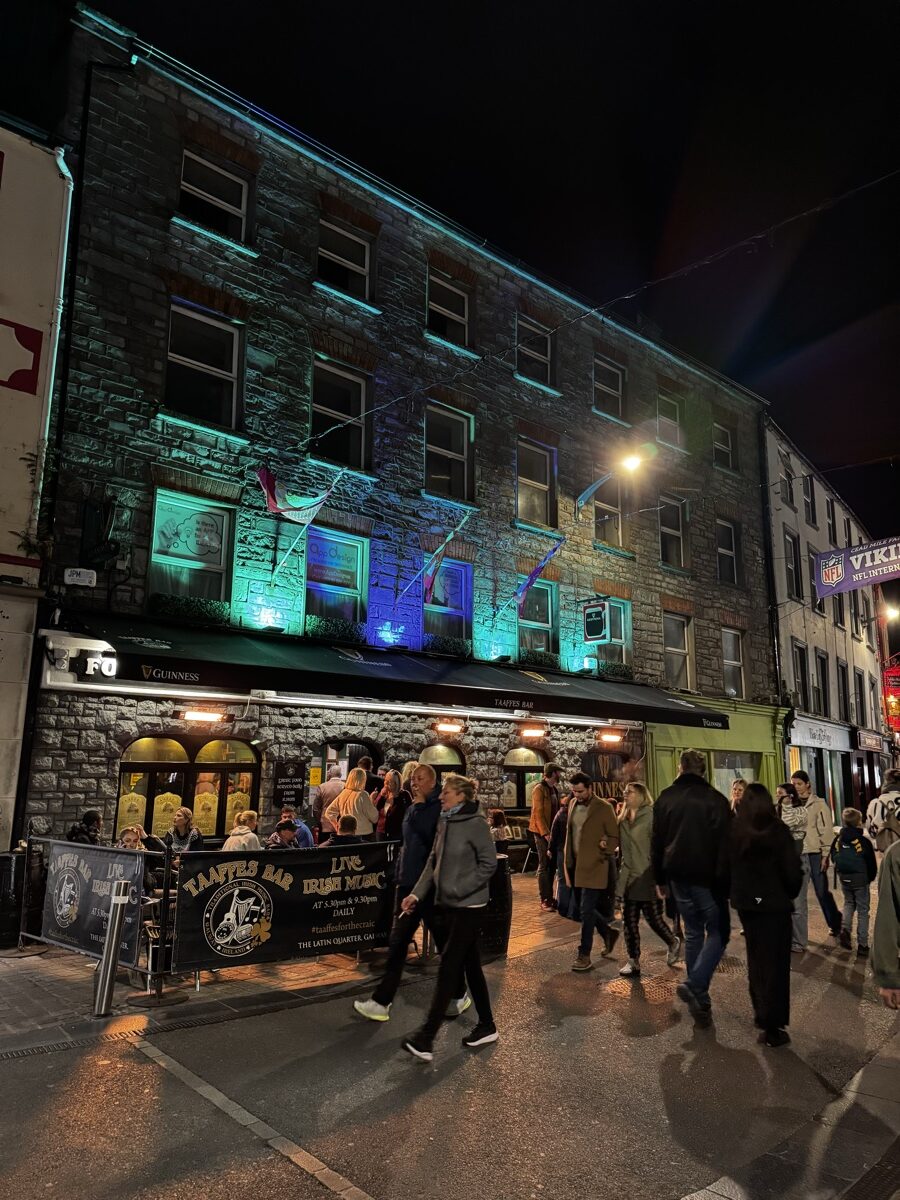
Shop Street’s buskers and street performers are free entertainment regardless of age, and the whole city centre is compact enough to cover on foot in an afternoon.
Walk from Shop Street down to Quay Street, cut through the Spanish Arch, and follow The Long Walk along the water.
If you’re using Galway as a base but want to tick off some of the east while you’re in Ireland, a Glendalough, Wicklow & Kilkenny day tour out of Dublin is worth building into your itinerary before or after your time on the west coast.
One thing to plan around: accommodation fills up fast in summer, and during festival season it can be nearly impossible to find last-minute rooms. Book well ahead.
What to Pack for Ireland With Kids
Ireland’s weather doesn’t care what season you’re travelling in. It can rain in July and be perfectly sunny in November.
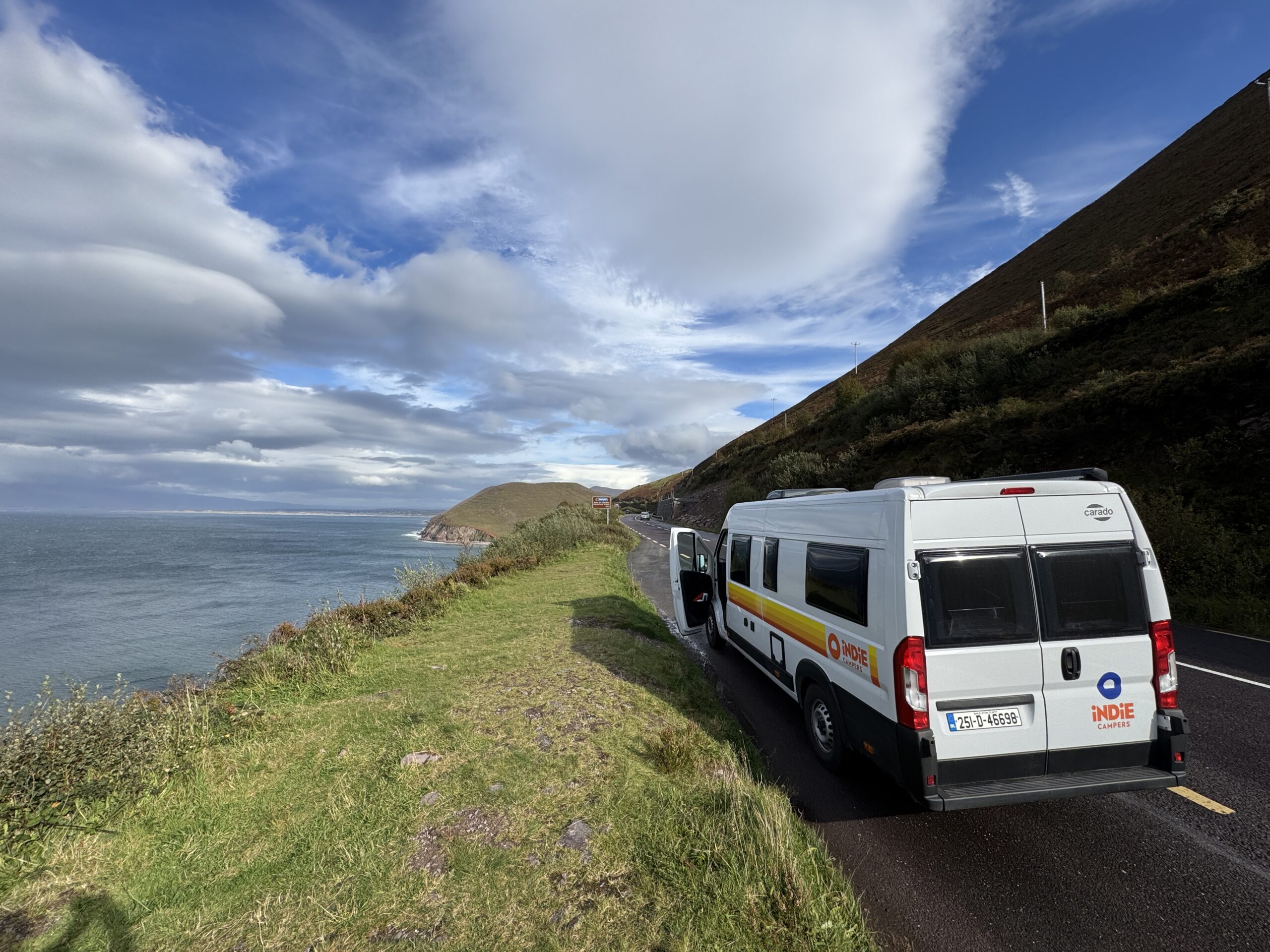
Pack accordingly, and you’ll be fine. Here’s what actually matters when you’re travelling Ireland with kids.
Waterproof Jackets and Layers
This is non-negotiable. Every single person in your family needs a proper waterproof jacket, not a light shower-resistant one.
Layers matter too. Irish weather shifts fast, and what starts as a cool morning can turn into a warm afternoon, then back to cold by the time you’re walking back to the car.
Good Walking Shoes
Cobblestones are everywhere in Irish towns and city centres. Kilkenny, Galway, Cobh, Dingle – the streets are beautiful and genuinely uneven.
Trainers work, but waterproof walking shoes are better, especially if you’re planning any cliff walks or trail hikes with the kids.
Car Seat for Rentals
Most rental companies offer car seats as an add-on, but availability isn’t guaranteed and the quality varies.
If your child is at an age where fit and comfort matter, bring your own or book the seat well in advance. Don’t assume it’ll be sorted when you arrive at the desk.
Travel Adapter
The Republic of Ireland uses Type G plugs, the same three-pin rectangular style as the UK. If you’re coming from North America or mainland Europe, you’ll need an adapter.
Grab a universal one before you fly. You won’t find good ones cheaply at the airport.
EU Health Insurance Card (or Travel Insurance)
UK visitors should bring their GHIC card, which covers emergency medical treatment in the Republic of Ireland. EU visitors can use their EHIC.
Everyone else, get travel insurance that covers medical costs. Irish healthcare isn’t free for visitors, and a trip to a GP or urgent care clinic adds up fast.
A Daypack Per Child
Walking days in Ireland are long, especially if you’re doing cliff paths, castle grounds, or forest trails. Give each kid their own small backpack, with snacks, a water bottle, and a light layer, and you’ll stop being the pack mule.
It also gives them a bit of ownership over the day, which helps on the longer stretches.
Where To Stay in Ireland With Kids
Finding the right base makes a family trip to Ireland much easier. These three hotels are all family-friendly, well-located for Ireland’s top attractions, and bookable directly through Booking.com.
Fota Island Hotel and Spa
Fota Island Hotel and Spa is one of Ireland’s standout family resorts, set on its own island in Cork Harbour right next to Fota Wildlife Park. It has multiple pools, a kids’ club, and spacious rooms — so children have plenty to keep them busy without leaving the grounds. Cork city, Cobh, and the Wild Atlantic Way are all within easy reach.
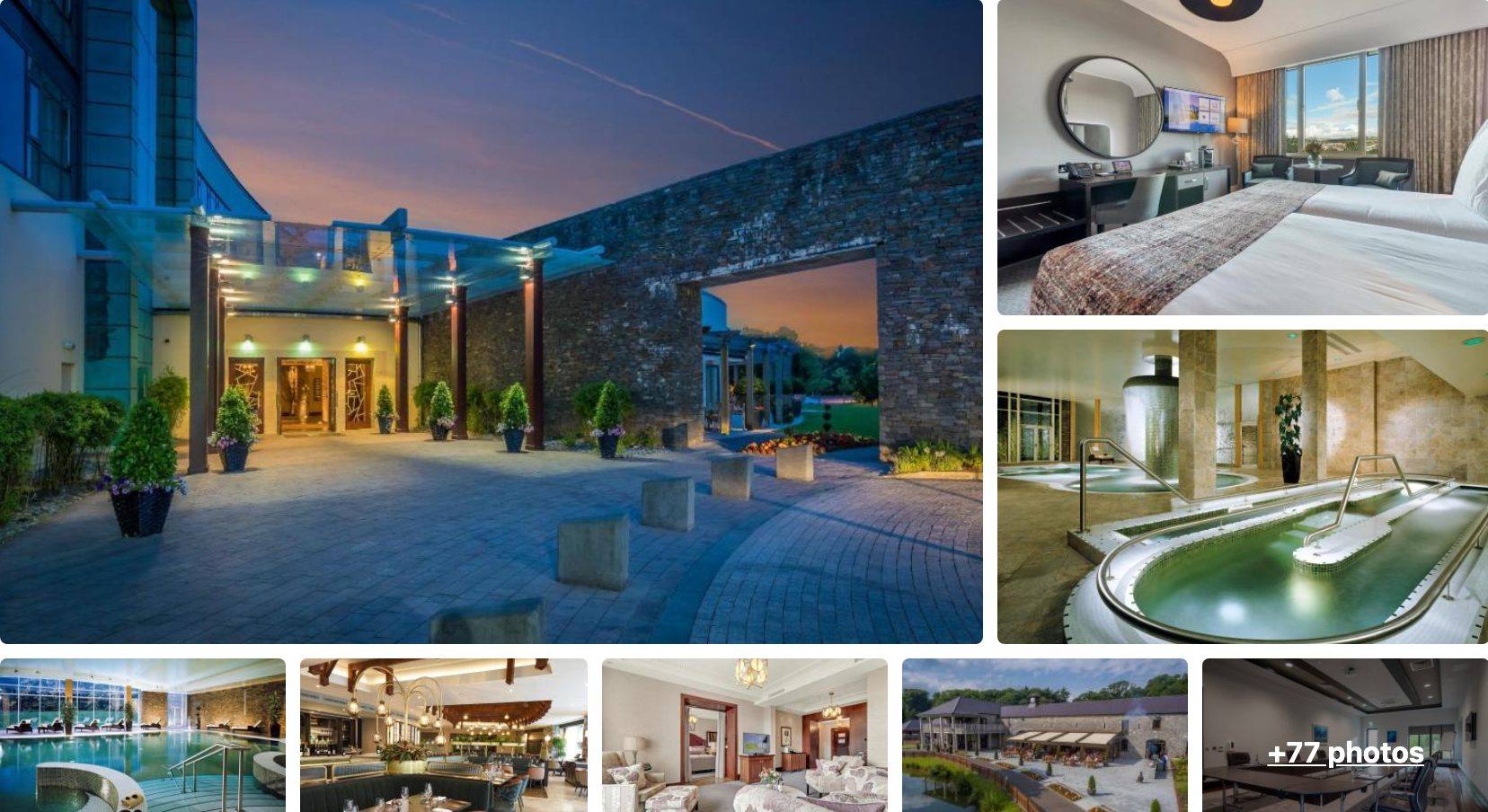
Check availability and current rates for Fota Island Hotel and Spa on Booking.com.
The Brehon
The Brehon is a polished four-star hotel right in Killarney, within walking distance of the National Park and the town centre. Families love the leisure centre with pool, the relaxed dining, and the easy access to jaunting cars, boat trips on the lakes, and cycling trails through the park. A solid base for the Ring of Kerry too.
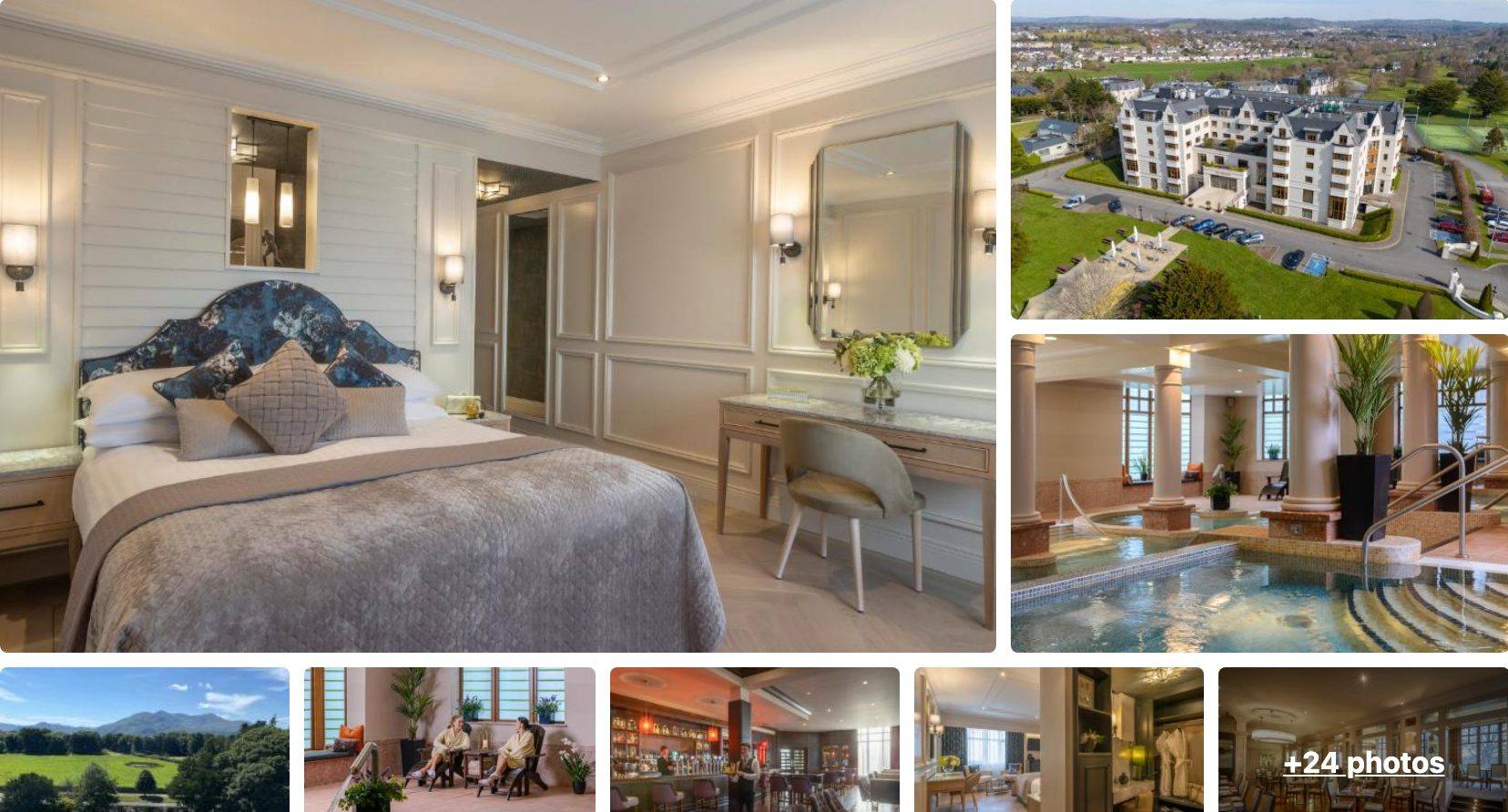
Check availability and current rates for The Brehon on Booking.com.
Leonardo Hotel Galway
Leonardo Hotel Galway is a well-located four-star hotel right in the heart of Galway city, a short walk from Shop Street, the Latin Quarter, and the Spanish Arch. Spacious rooms and easy parking make it a comfortable base for families exploring the west of Ireland — Connemara, the Aran Islands, and the Cliffs of Moher are all within easy driving distance.
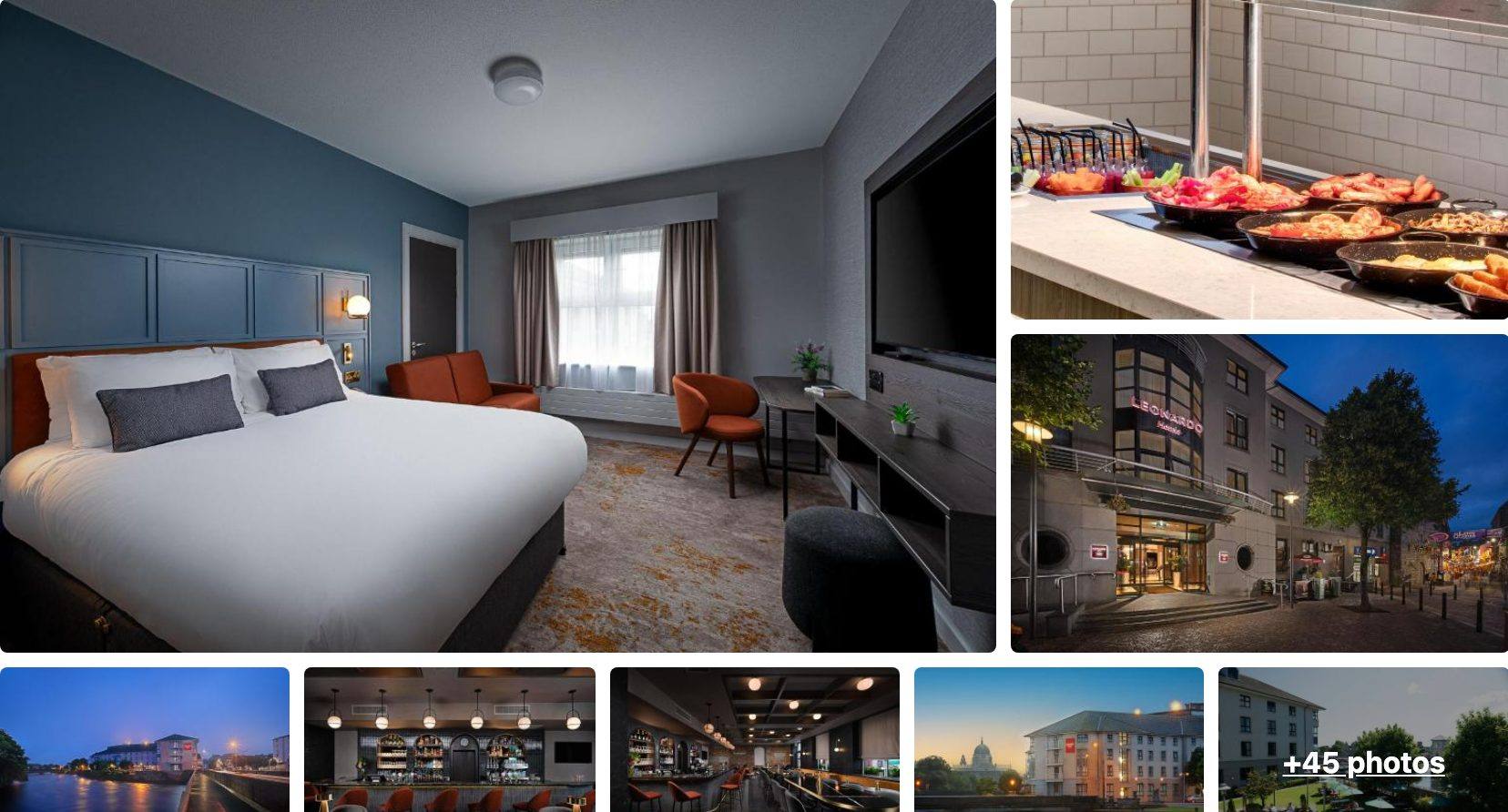
Check availability and current rates for Leonardo Hotel Galway on Booking.com.
Frequently Asked Questions
Here are the questions families ask most often about travelling Ireland with kids.
Is Ireland good for a family holiday?
It really is. The country is compact enough that you’re never far from the next thing, kids are welcomed warmly in most pubs and restaurants, and the mix of castles, beaches, and wide open countryside keeps different ages happy at the same time.
The pace is relaxed, the locals are friendly, and there’s enough outdoor space that restless kids can burn energy without you having to plan around it.
How many days do you need in Ireland with kids?
Seven days is the minimum to see a decent spread. Ten to fourteen days is better if you want to cover both the west coast and Dublin without feeling rushed.
With kids, build in slower days. A day at a beach or a castle grounds where they can just run around is worth more than squeezing in one more attraction on a long drive.
What age is best for visiting Ireland with kids?
Kids aged six and up tend to get the most out of it, when castles and history start to land and they can handle longer walks. That said, Ireland with teens works really well too – the cities have energy, the coastal drives are genuinely dramatic, and older kids appreciate the freedom of the open road.
Toddlers are fine if you keep the itinerary loose and build in plenty of outdoor time.
Is the Ring of Kerry suitable for families?
Yes, but manage expectations. It’s a long drive, roughly 170km, and if you’re doing it with kids you’ll want to factor in stops rather than trying to push straight through.
The scenery is the reward, not specific attractions, so younger kids may find it less exciting than a beach day or a castle. Loop Head in County Clare is shorter, quieter, and arguably more dramatic – worth considering as an alternative.
What is the best time of year to visit Ireland with kids?
Late June through August is peak family season – longest days, best chance of dry weather, and most outdoor attractions are fully open. It’s also the busiest and most expensive time, so book accommodation early.
May and September are strong alternatives. Crowds are thinner, prices drop, and the weather is often perfectly fine – layers and a waterproof jacket are non-negotiable any time of year regardless.
Final Thoughts
Ireland is one of the best countries in the world to travel with kids.
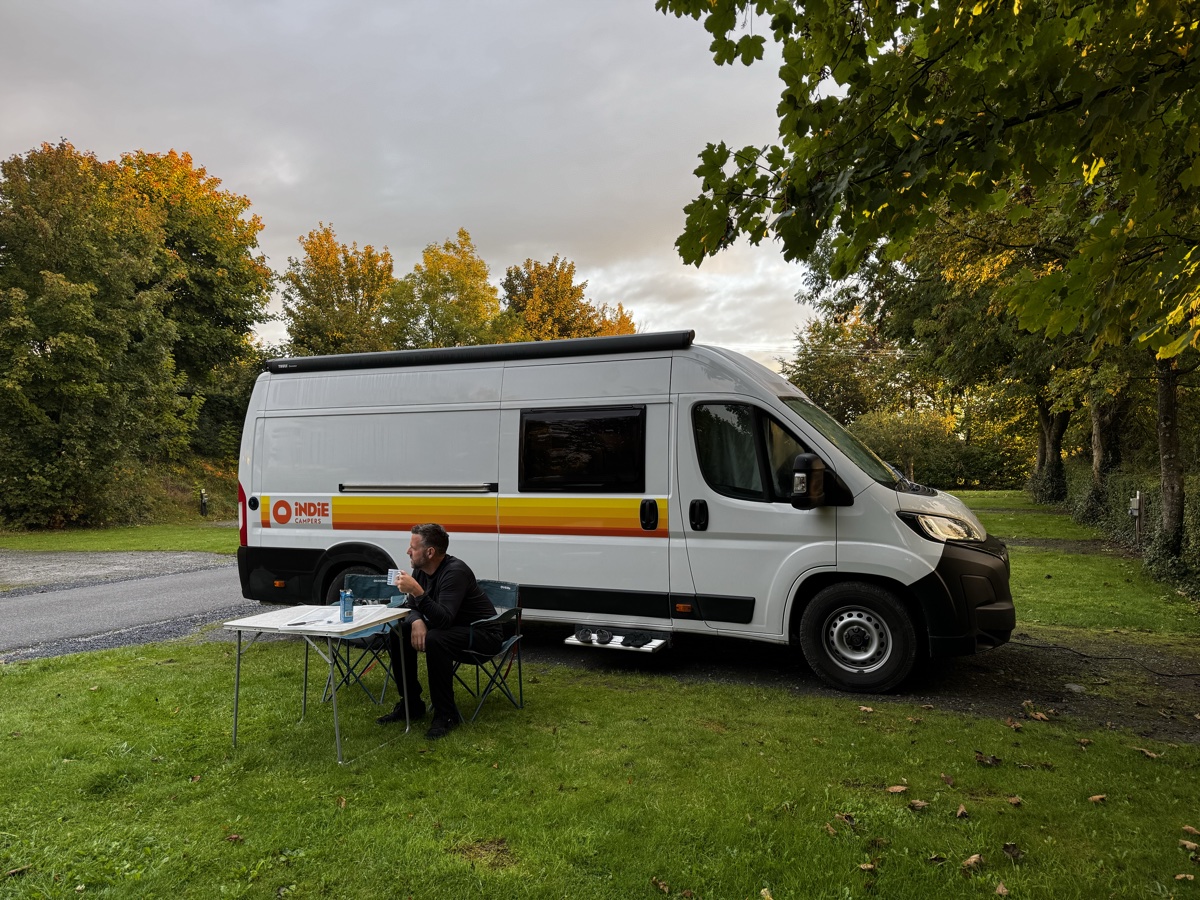
The distances are short, the people are genuinely warm, and there’s enough castles, beaches, and wide-open countryside to keep children engaged for a full week or two.
It’s not cheap, the weather will test you at some point regardless of when you go, and if you’re driving outside the cities, the roads get narrow fast – worth knowing before you hand over the hire car keys.
Book a few things in advance, build in some flexibility, and don’t try to see everything.
If you’re looking for one more reason to make the trip, check out Tayto Park / Emerald Park: A Visitor’s Guide – it’s a solid half-day that kids absolutely love.
Like it? Pin it!
Save this guide for later


What age is best to take kids to Ireland?
Ireland is a great destination for kids of all ages, but children between 5 and 12 tend to get the most out of it, as they can appreciate castles, wildlife, and outdoor adventures without getting too tired. Toddlers and younger kids also do well since Ireland is generally relaxed and family-friendly, with plenty of open green spaces to roam.
Is Ireland a good holiday destination for families with young children?
Yes, Ireland is an excellent family destination thanks to its safe environment, friendly locals, and wealth of hands-on attractions like farm visits, interactive museums, and fairy trail walks. Most hotels and restaurants are well set up for families, and the compact size of the country makes it easy to cover a lot without exhausting little ones.
What are the best kid-friendly attractions in Ireland?
Top kid-friendly attractions in Ireland include Dublin Zoo, Bunratty Castle and Folk Park, Killarney National Park, the Cliffs of Moher, and Tayto Park theme park in County Meath. These spots offer a great mix of outdoor adventure, history, and entertainment that keeps children engaged and parents happy.
How do I get around Ireland with kids?
Renting a car is by far the easiest and most practical way to travel around Ireland with kids, giving you the flexibility to stop at beaches, castles, and scenic spots on your own schedule. If you’re sticking to Dublin, the city’s bus and tram network is manageable with children, but a car is strongly recommended for exploring rural areas.
What is the best time of year to visit Ireland with kids?
Late spring through early autumn, particularly June to August, is the best time to visit Ireland with kids thanks to longer daylight hours, warmer temperatures, and the majority of outdoor attractions being fully open. July and August are the busiest months, so booking accommodation and popular attractions well in advance is strongly recommended.