
We hiked the Cliffs of Moher path from the Doolin side, a narrow trail with the Atlantic dropping away on one side and cows grazing the clifftop grass on the other, and it felt nothing like the busy visitor centre a few kilometres along. The best coastal walks in Ireland are usually the ones the crowds skip.
We found that out on a two-week drive from Dublin down to Cork in late September and early October, and the coastal walks were the days we kept talking about afterwards. A few we drove straight past and shouldn’t have.
The best part of Ireland is the edge of it. Almost everywhere the land runs out, it does so with cliffs, headlands, and a path along the top that someone has been walking for a few hundred years.
The best coastal walks in Ireland are Howth and Bray near Dublin for easy DART access, the Doolin Cliff Walk and Slieve League for high drama, and Sheep’s Head if you want it almost to yourself. Most take one to two hours, range from flat seaside paths to exposed cliff edges, and the less-visited ones often beat the famous names.
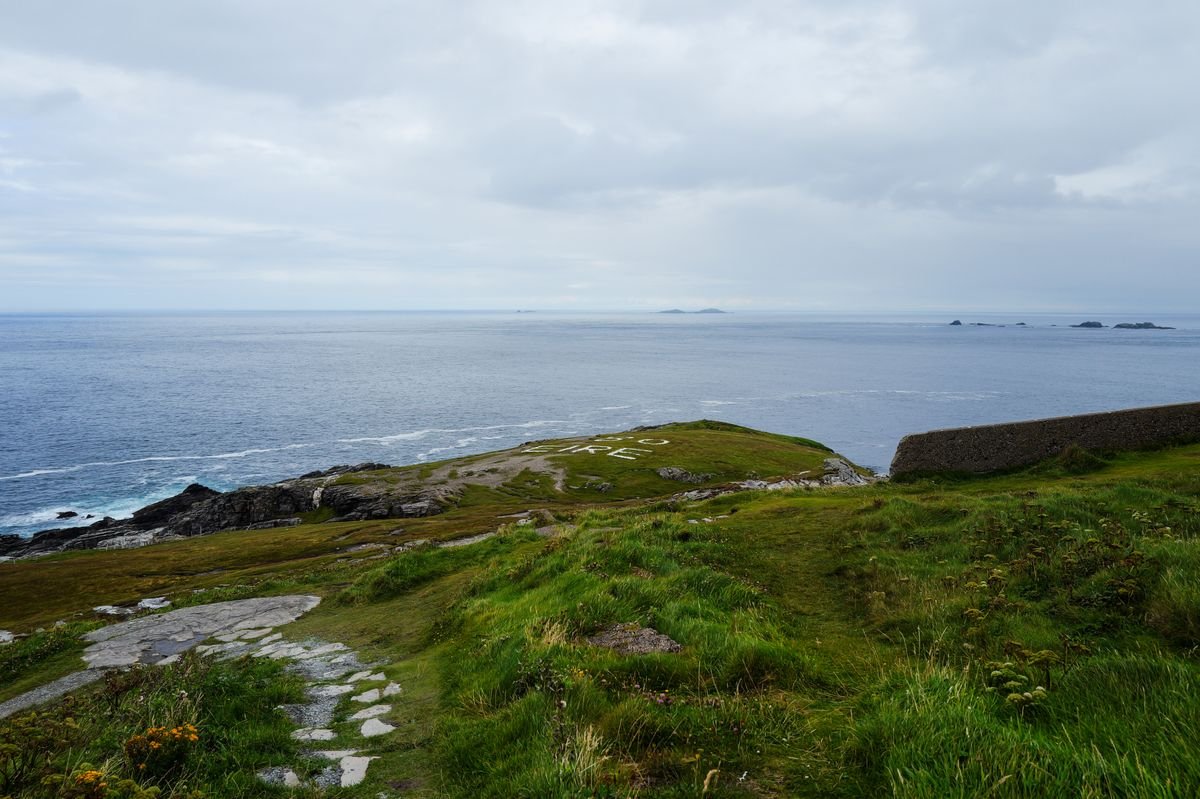
That’s the whole point of this list. The famous coastal walks earn their reputation, but the less-visited ones often beat them, and we found that out by driving past a few we shouldn’t have.
So which coastal walks in Ireland are actually worth your time? Below are ten specific ones, easy strolls right through to exposed cliff ridges that aren’t for everyone, plus a handful of others and the practical stuff you’ll want to know before you go.
One thing on difficulty before we start. These range from flat seaside paths a DART ride from Dublin to clifftop edges with no railing and guided bridges you have to book in advance. I’ll tell you plainly which is which, because on a couple of these the danger is real.
More Ireland Hiking and Cliff Walk Guides
- 15 Best Hikes in Ireland: A Local’s Trail Guide
- Hiking In Galway: 10 Best Trails For All Levels
- 7 Best Hikes Near Dublin, Ireland
- 9 Best Places On The Wild Atlantic Way Route
The Best Coastal Walks in Ireland
Here are ten coastal walks worth making a day of. I’ve put them roughly in order of how easy they are to reach, starting with the ones you can do off a train and working up to the remote and the exposed.
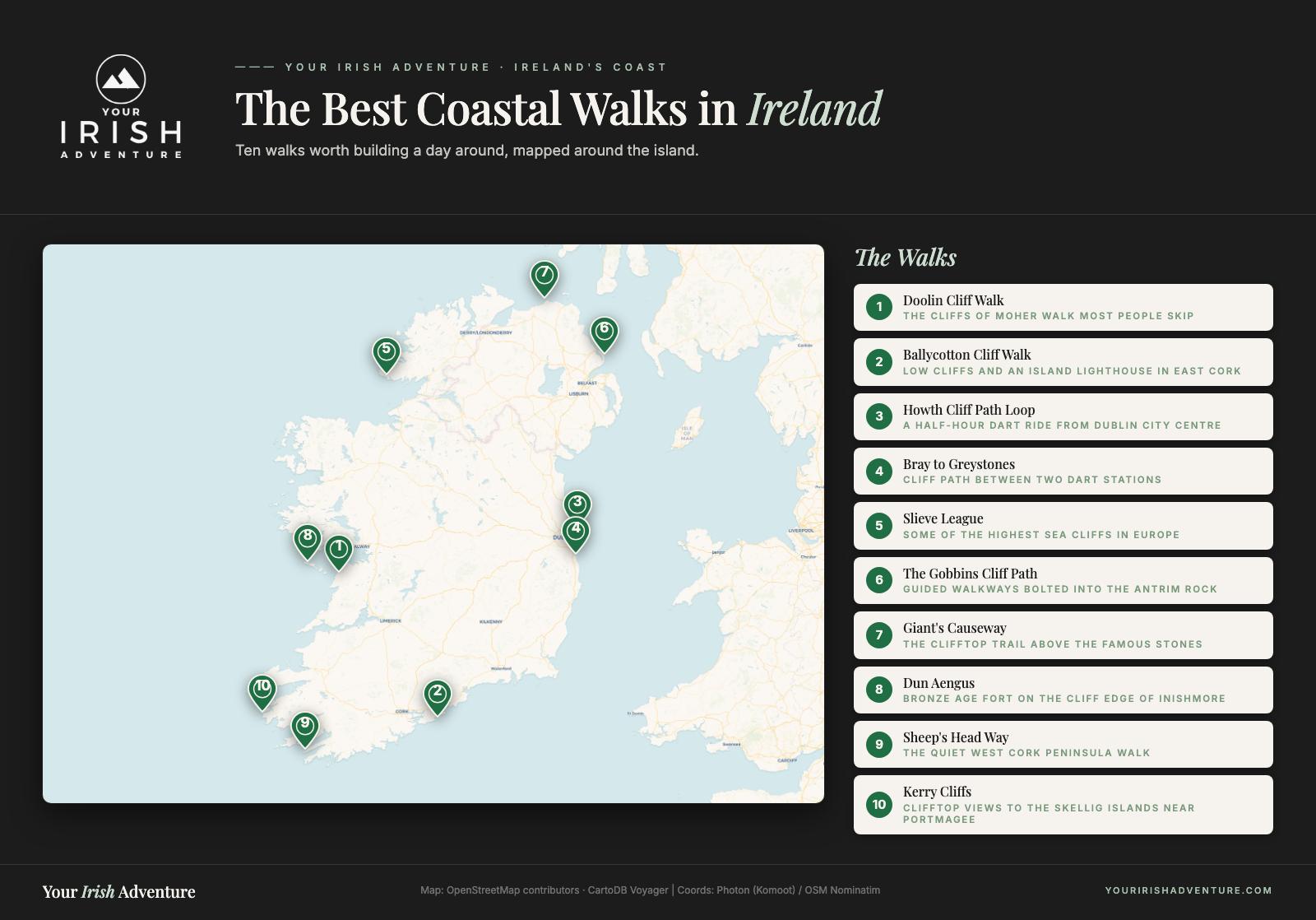
For each one I’ll tell you what the walk is actually like, how hard it is, and the honest catch. On a couple of these, the catch is a cliff edge with nothing between you and a long drop.
Doolin Cliff Walk (Clare)
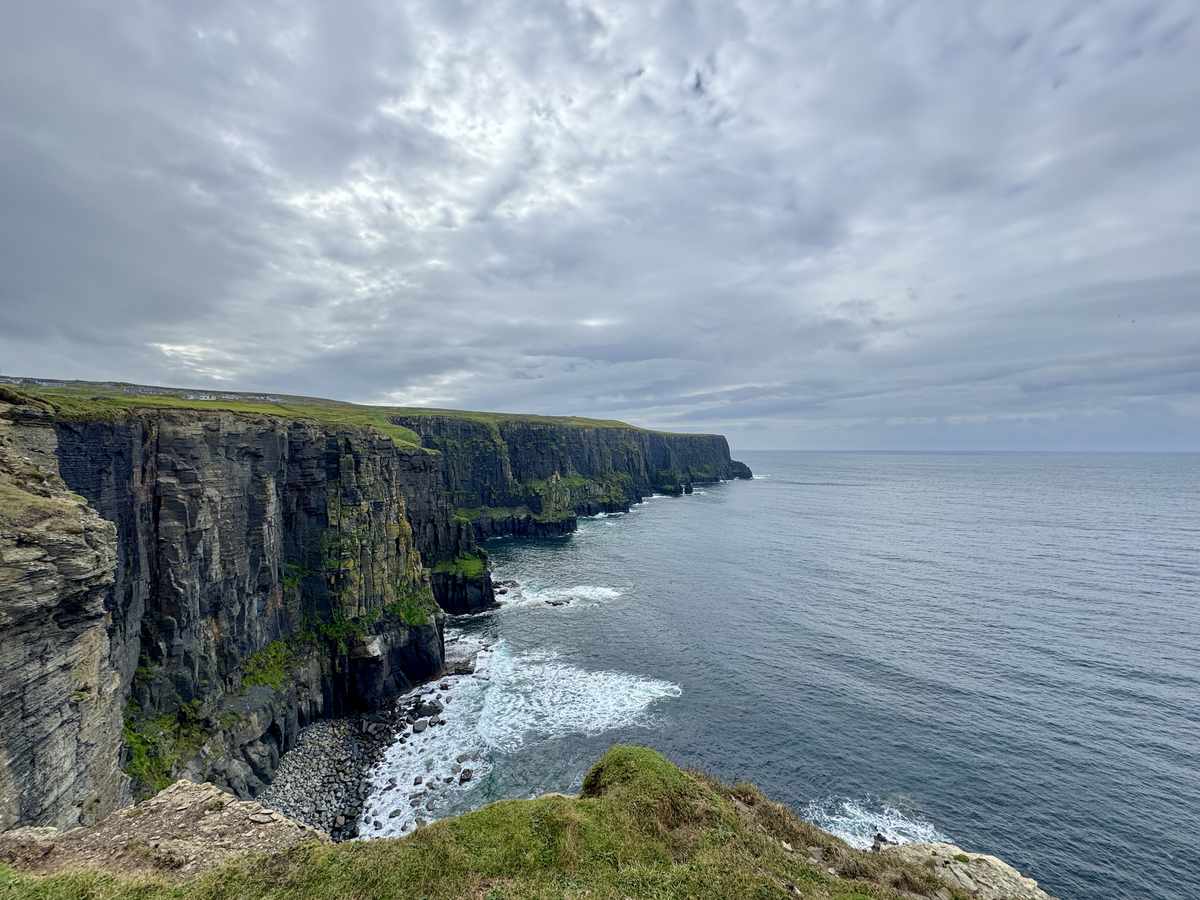
This is the Cliffs of Moher walk you can skip the crowds on. Instead of parking at the visitor centre with the coach crowds, you start in Doolin village and follow the clifftop path south, and you get the same cliffs with a fraction of the people.
Give it roughly an hour or two each way depending on how far you push. The path is narrow and unfenced in long stretches, so it’s not one for small kids or anyone who doesn’t like edges. Wind off the Atlantic makes it feel more serious than the distance suggests. If you’d rather walk it with someone who knows the route, you can book the guided Cliffs of Moher hike from Doolin on GetYourGuide.
If you’ve got a spare afternoon in Clare, drive out to Loop Head Peninsula too. It impressed us more than the Cliffs of Moher, wilder and with far fewer people, with black sea cliffs and a coastal walk out to the lighthouse. Our photos from Loop Head came out better as well.
Back in Doolin, finish at Gus O’Connor’s for a pint and a plate of fish and chips. The pub has been open since 1832 and it’s the right way to end a windy day on the cliffs.
Where to stay near Doolin
Tours near Doolin
Ballycotton Cliff Walk (Cork)
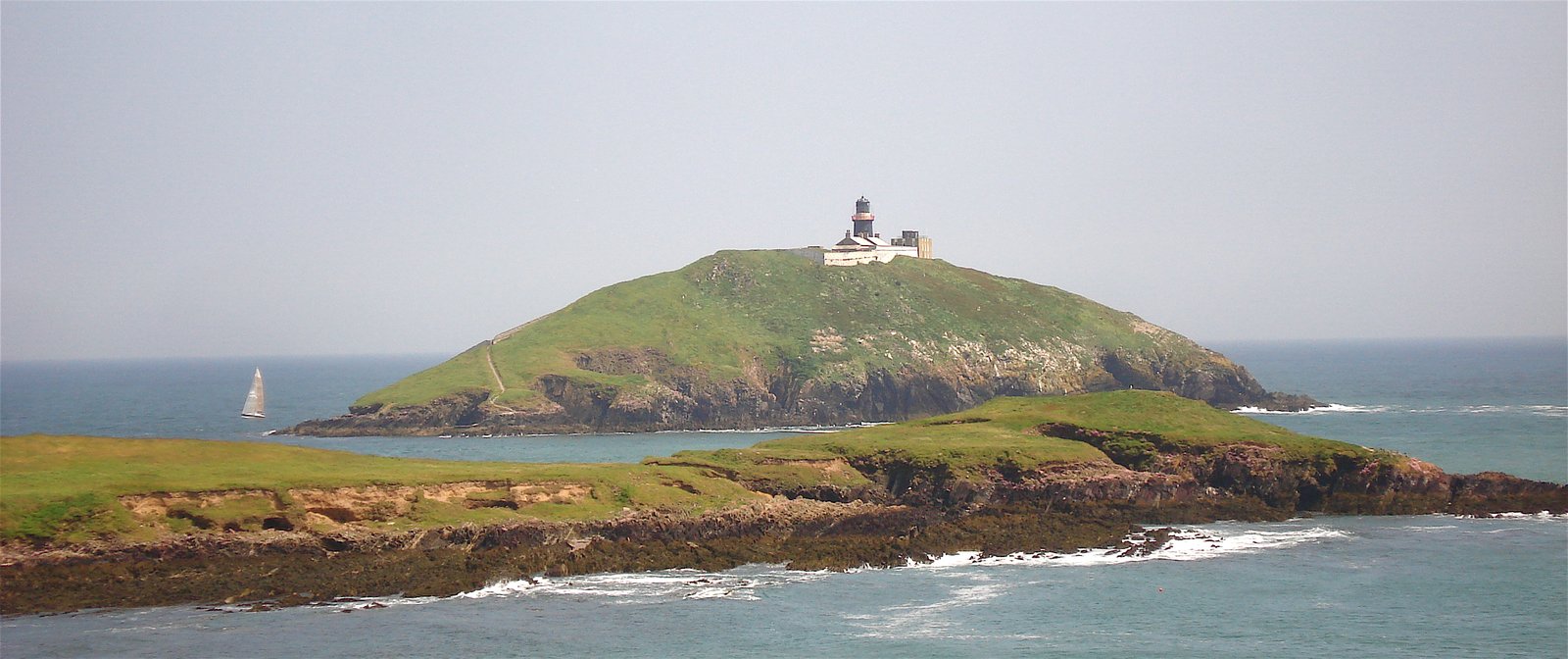
Ballycotton sits on the east Cork coast and barely makes it onto most itineraries. The walk runs along low cliffs from the fishing village, with a lighthouse perched on its own little island offshore.
It’s a there-and-back of a few hours, gentle underfoot, and one of the few cliff walks on this list you can do comfortably with kids. The path is well worn and stays back from the edge for most of it.
This is a good one if you want the coast without the cliff-edge nerves. Easy, scenic, and almost nobody around outside the summer.
Where to stay near Ballycotton
Howth Cliff Path Loop (Dublin)
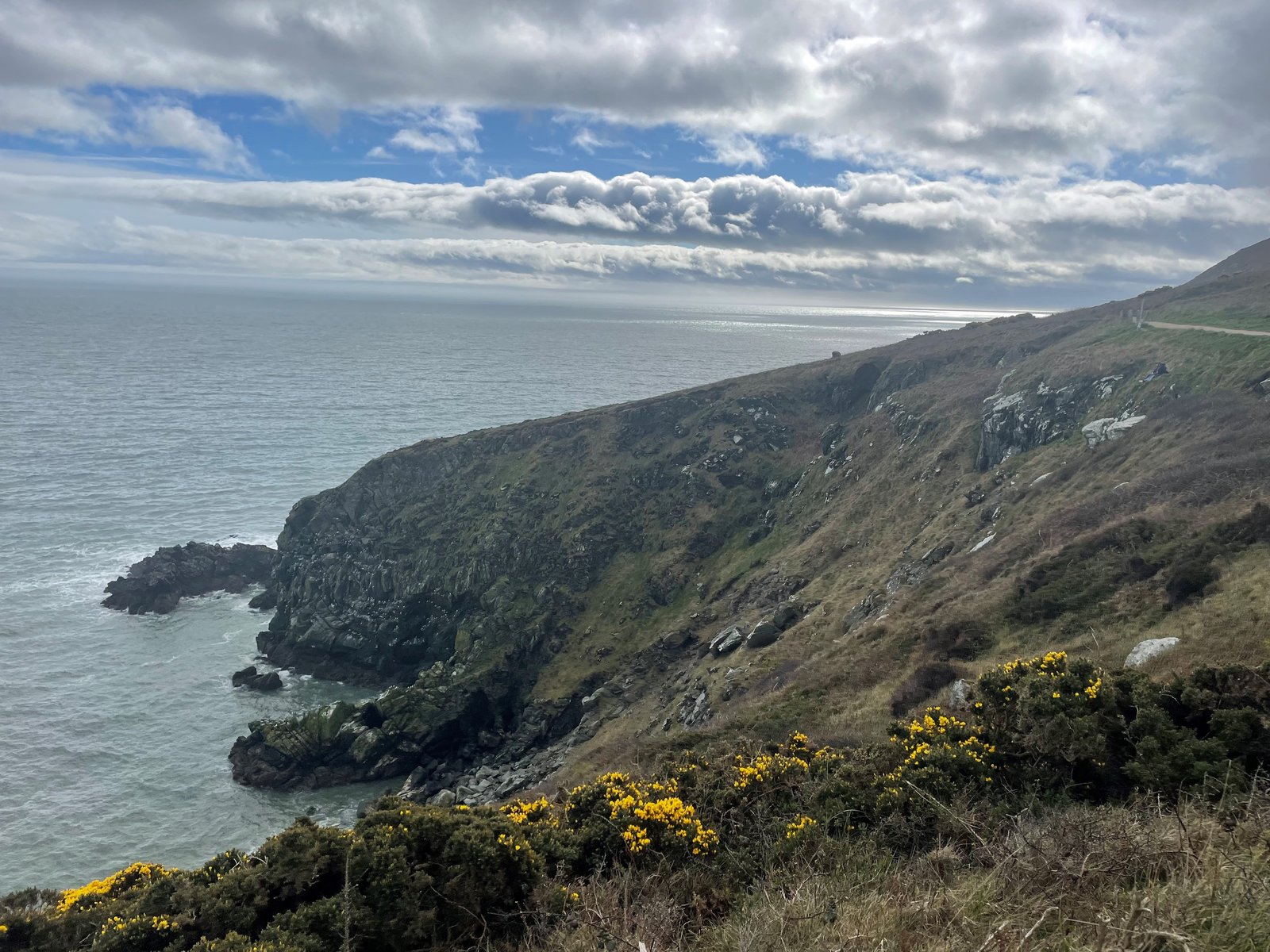
The Howth Cliff Walk is the easiest coastal walk to reach in the whole country. It sits on the DART line, so you can ride out from Dublin city centre in about half an hour and walk straight from the station to the cliffs.
There are several looped routes of different lengths, all colour-coded, taking you around the head past the Baily Lighthouse and back into the village. Most walkers do a loop of a couple of hours. It’s easy to moderate, with a few up-and-down bits but nothing exposed.
If you only have one day in Dublin and want a taste of the coast, this is the no-brainer. Finish with seafood down at the harbour.
Where to stay near Howth
Tours near Howth
Bray to Greystones Cliff Walk (Wicklow)
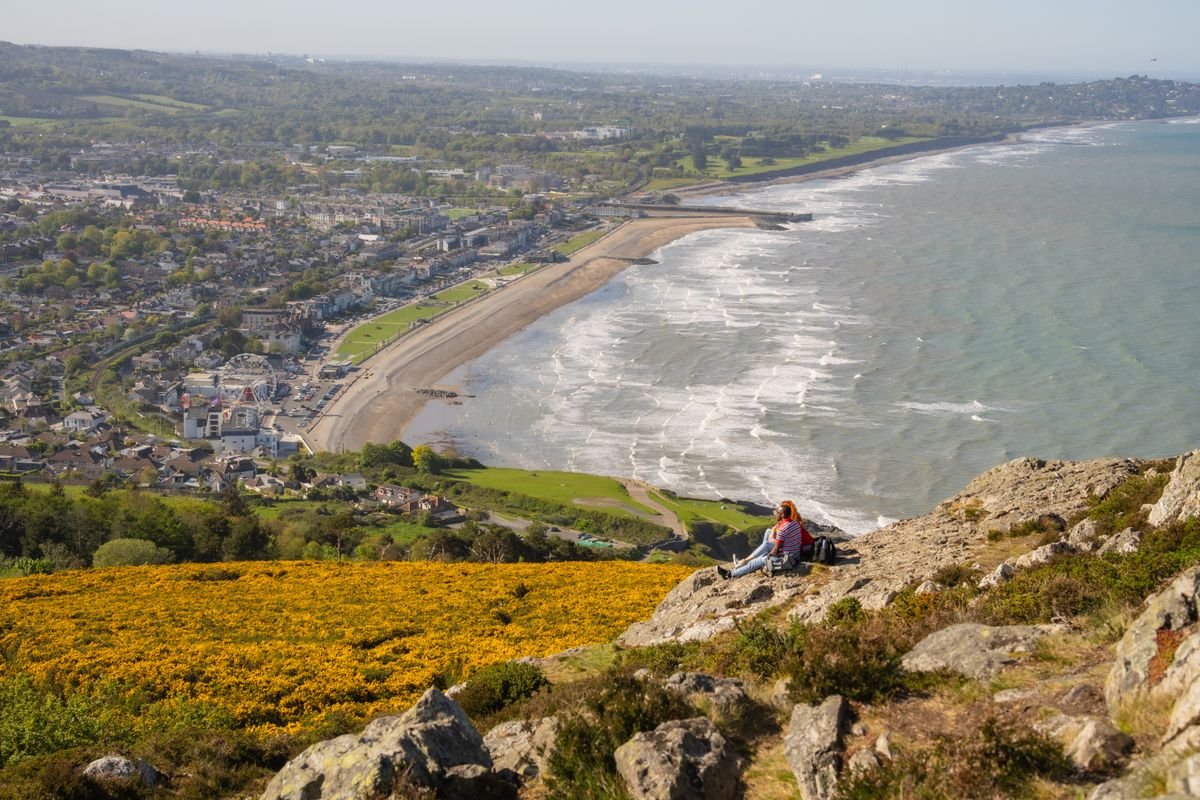
This one is built for people without a car. Bray is on the DART line, you walk the cliff path around Bray Head to Greystones, and then catch the train straight back. No backtracking, no logistics.
The path hugs the headland with the Irish Sea below the whole way, and it takes roughly an hour or two at an easy pace. It’s mostly flat and wide, an easy walk by the standards of this list.
Greystones at the far end has good cafés and a harbour to reward you before the train home. For a half-day out of Dublin, it’s hard to beat the simplicity.
Where to stay near Bray and Greystones
Slieve League Cliff Walk (Donegal)
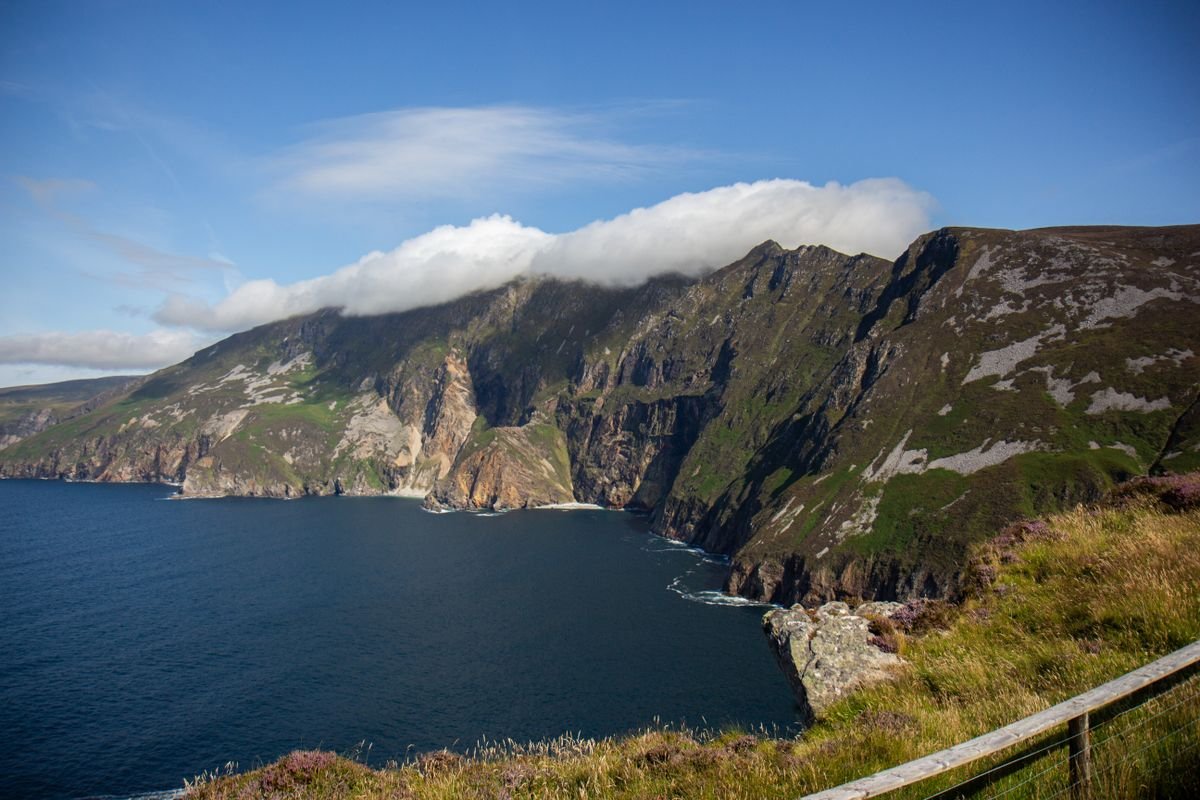
Slieve League has some of the highest sea cliffs in Europe, and they’re considerably higher than the Cliffs of Moher. Far fewer people make it up here because Donegal is a long drive from almost anywhere.
From the lower car park and viewing area you can walk up the ridge as far as you’re comfortable. The serious option is One Man’s Pass, a narrow exposed section of ridge with steep ground falling away on both sides. It is not for everyone, and on a windy or wet day you should not be tempted onto it.
You don’t have to do the Pass to enjoy this place. The views from the lower path alone justify the drive, and you can turn back well before the airy stuff begins.
Where to stay near Slieve League
The Gobbins Cliff Path (Antrim)
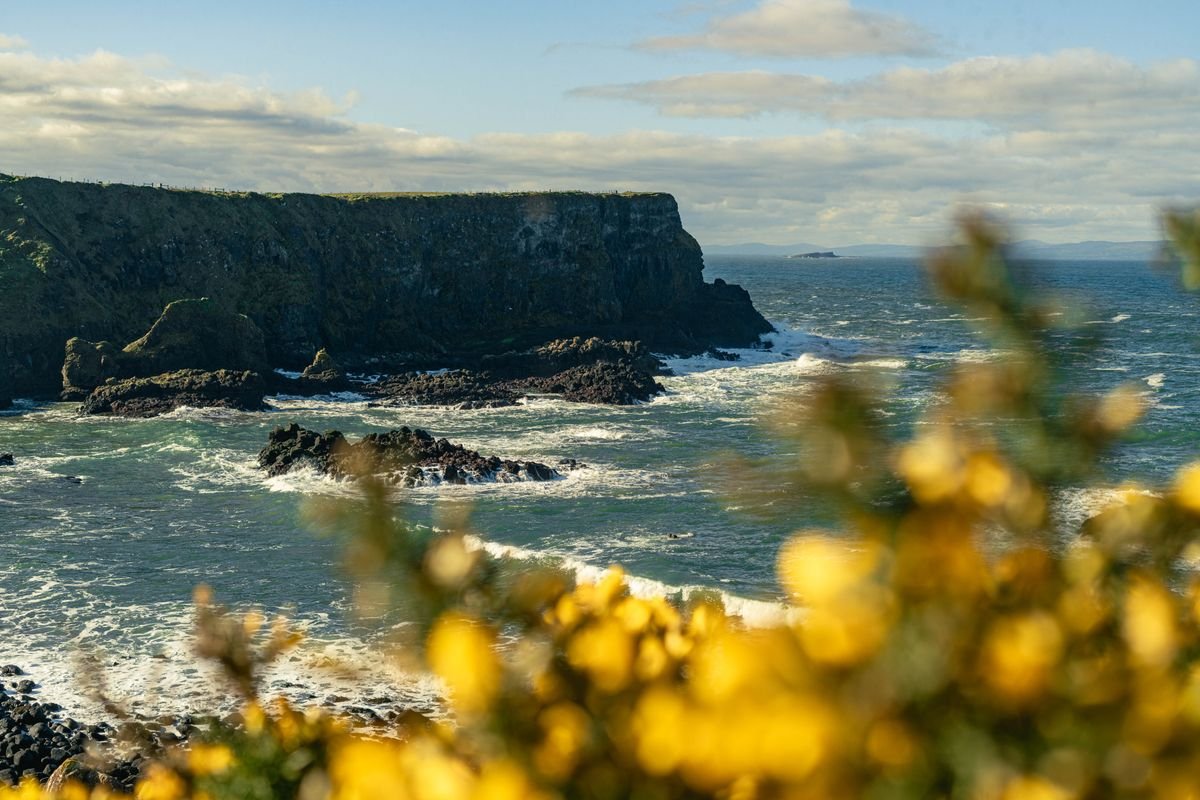
The Gobbins is unlike anything else on this list. It’s a guided cliff path on the Antrim coast made of tubular bridges and walkways bolted into the rock face, right down at sea level where the waves are breaking.
You can’t just turn up and wander on. You book in advance, you go with a guide, and you wear a helmet. It involves steep steps and tight spots, so it’s not suitable if you have mobility issues or really don’t like heights.
Booking ahead is the part that catches people out, so sort your slot before you plan the rest of the day. Done right, it’s one of the most dramatic couple of hours you can have on the Irish coast.
Where to stay near the Gobbins
Giant’s Causeway Clifftop Trail (Antrim)
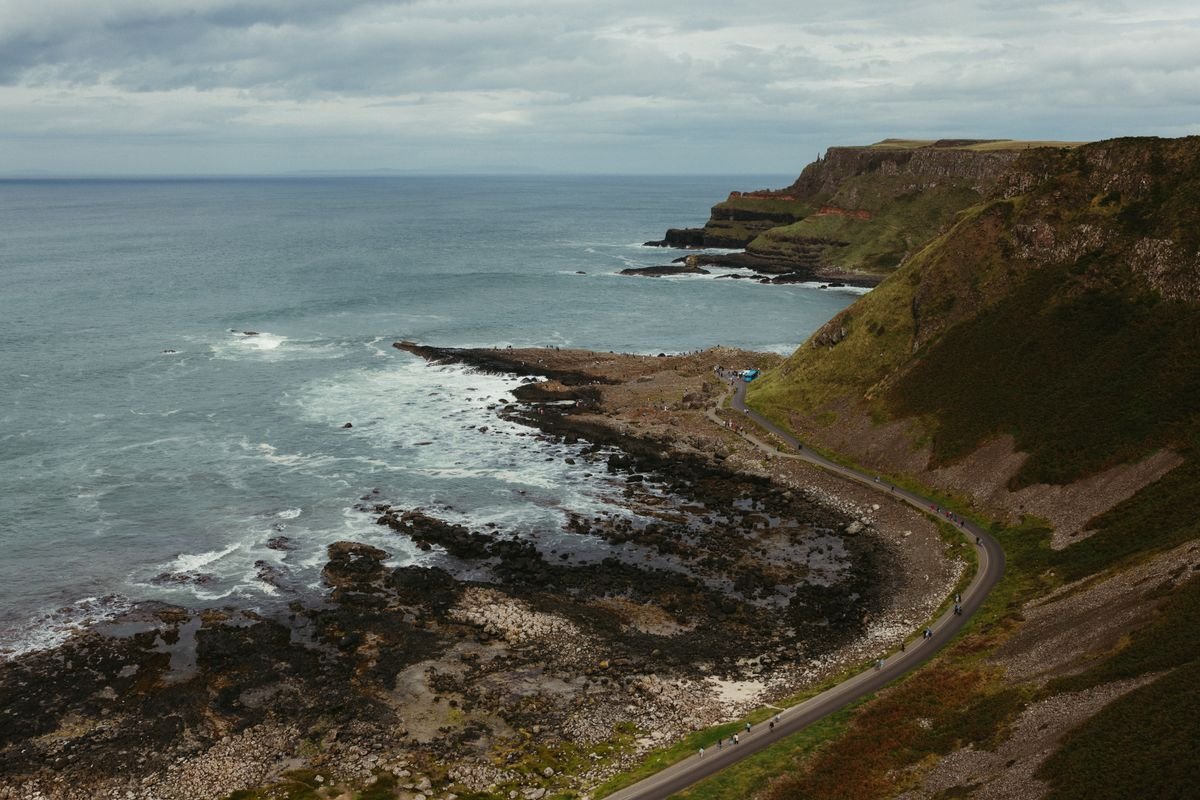
Everyone goes down to the famous hexagonal stones and then leaves. The better walk is the clifftop trail above them, looking down on the whole coastline instead of standing in the crowd at the bottom.
You can make a loop of it, walking the high path one way and coming back along the lower coast, with the Shepherd’s Steps linking the two levels. Allow a couple of hours and expect some steep steps. It’s moderate, and the upper path keeps a sensible distance from the edge.
Do the loop and you get both the stones up close and the view from above. Skipping the clifftop is the mistake most day-trippers make.
👉 Read our full guide to the Giant’s Causeway.
Where to stay near the Giant’s Causeway
Tours to the Giant’s Causeway
- Giant’s Causeway Day Tour by Luxury Coach
- From Belfast: Giant’s Causeway and Game of Thrones Day Tour
Dun Aengus & Aran Cliffs (Galway)
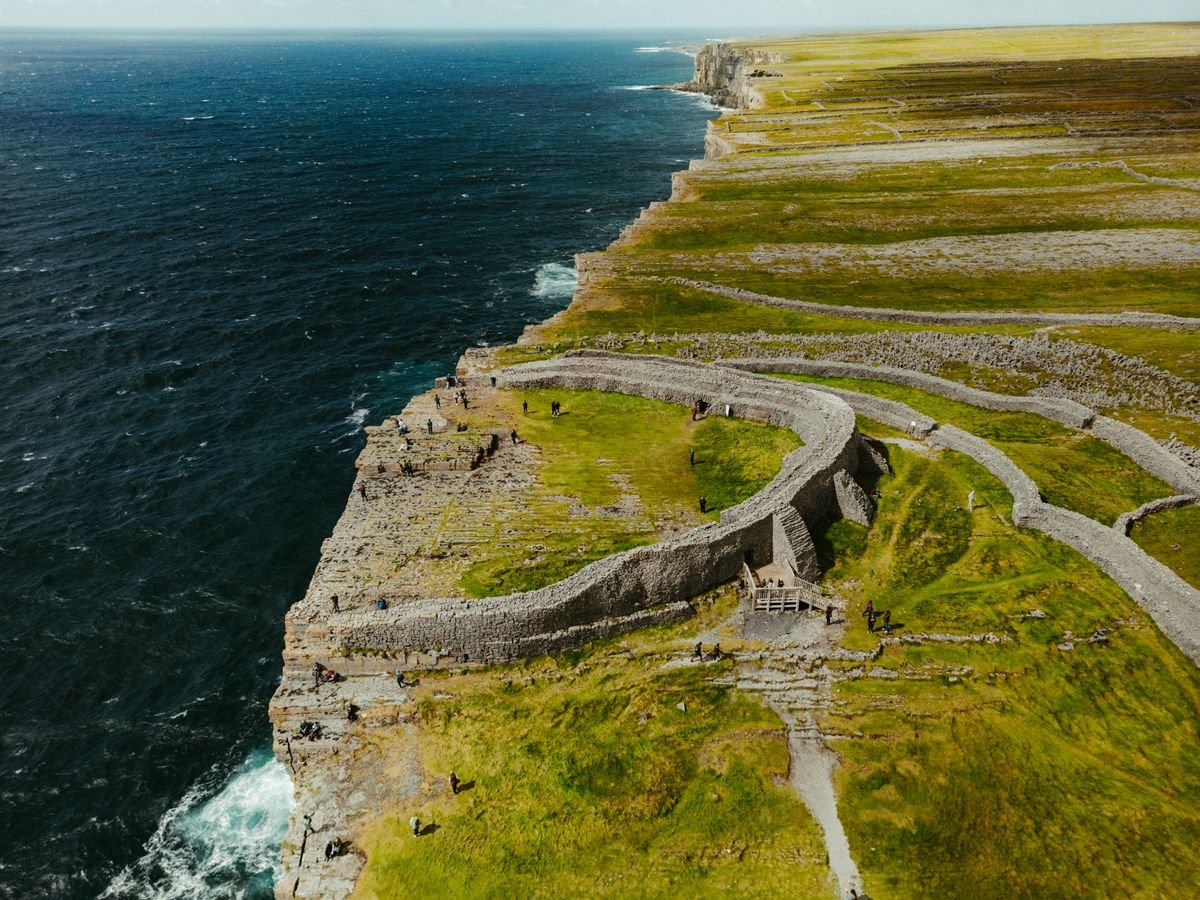
Dun Aengus is a Bronze Age stone fort sitting on the cliff edge of Inishmore, the largest of the Aran Islands. Getting here is part of the day, since you need a ferry out from the mainland, usually from Doolin or Rossaveal.
From the boat it’s an uphill walk of maybe half an hour or so to reach the fort. Here’s the honest warning: the cliff edge at Dun Aengus has no railing, no barrier, nothing.
It’s an incredible spot, a 3,000-year-old fort on the lip of a sheer drop into the Atlantic. Just keep well back from that edge and keep a hand on anyone small.
Where to stay near Inishmore
Tours to the Aran Islands
- From Galway: Aran Islands and Cliffs of Moher Cruise
- Full-Day Aran Islands Cultural Immersion Experience
Sheep’s Head Way (Cork)
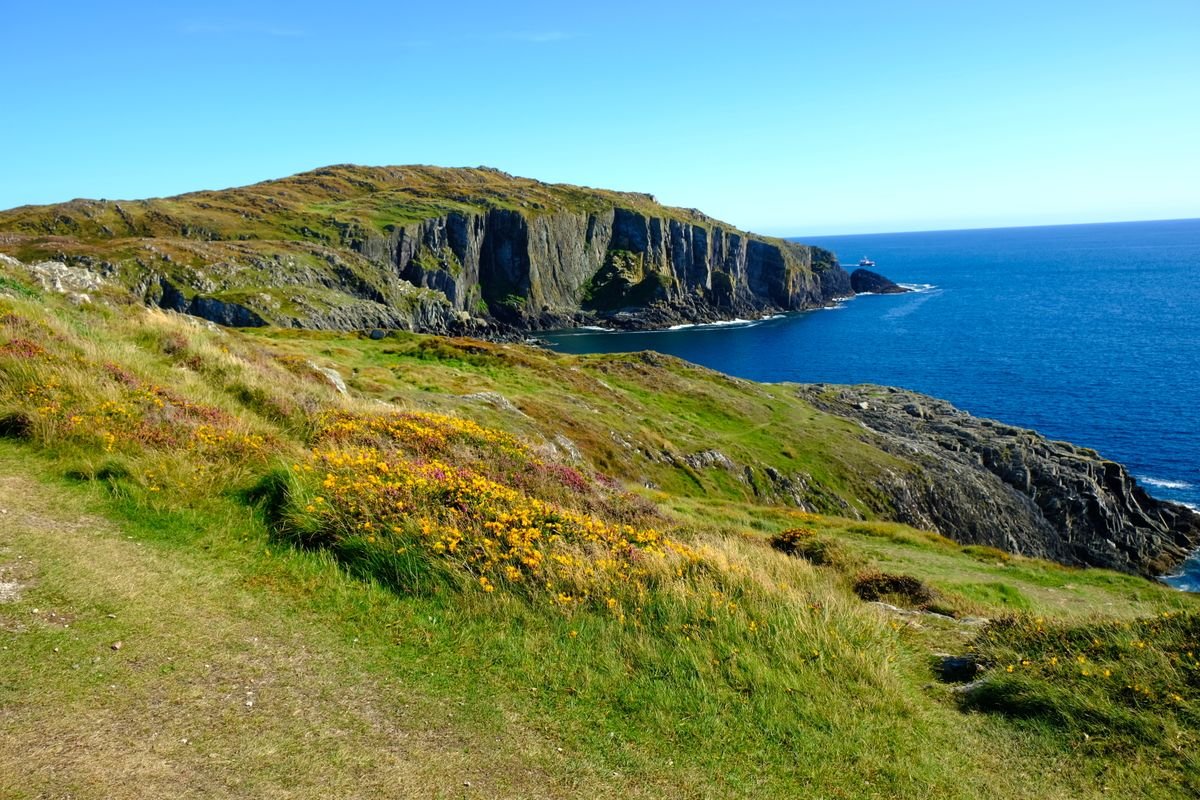
Sheep’s Head is the overlooked peninsula in West Cork that the tour buses ignore in favour of the Ring of Kerry next door. That’s exactly why it’s worth your time.
The classic walk is the loop out to the lighthouse at the very tip, across open, rocky ground with the sea on both sides. It’s a there-and-back loop of a couple of hours, moderate, with rough and boggy patches, so wear proper footwear.
You’ll likely have long stretches of it to yourself. For a wild headland walk with almost no crowds, Sheep’s Head is the one the tour buses drive straight past.
Where to stay near Bantry
Kerry Cliffs & Bray Head, Valentia (Kerry)
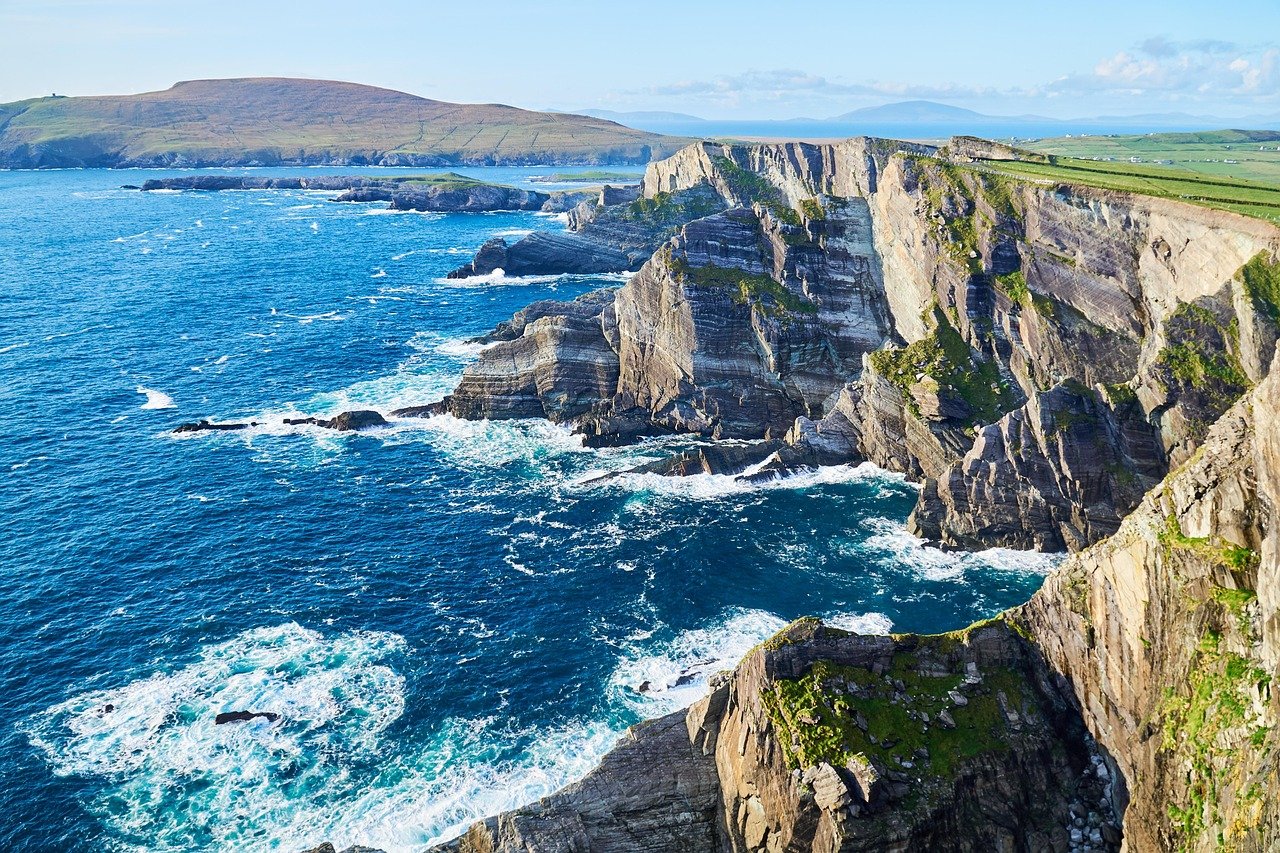
Down at the far end of the Ring of Kerry, near Portmagee, the Kerry Cliffs give you a short walk up to a clifftop viewing area with the Skellig Islands out on the horizon. It’s a quick one, fenced and family-friendly, and a small charge gets you in.
For something longer, cross to Valentia Island and walk Bray Head. The path climbs to an old watchtower with the Atlantic and the Skelligs laid out in front of you, and it takes roughly an hour or two return. It’s moderate, with a steady uphill pull.
Pair the two and you get a quick clifftop hit and a proper walk in the same corner of Kerry. This stretch of coast is the real thing.
Where to stay near Portmagee
Tours near Portmagee and Valentia
Want all ten on one screen? Here’s how they compare for difficulty, rough length, and how you get there.

Use that to pick the walk that fits the day you’ve got. And if your route runs near any of these, they’re worth a detour too.
Other Coastal Walks Worth a Mention
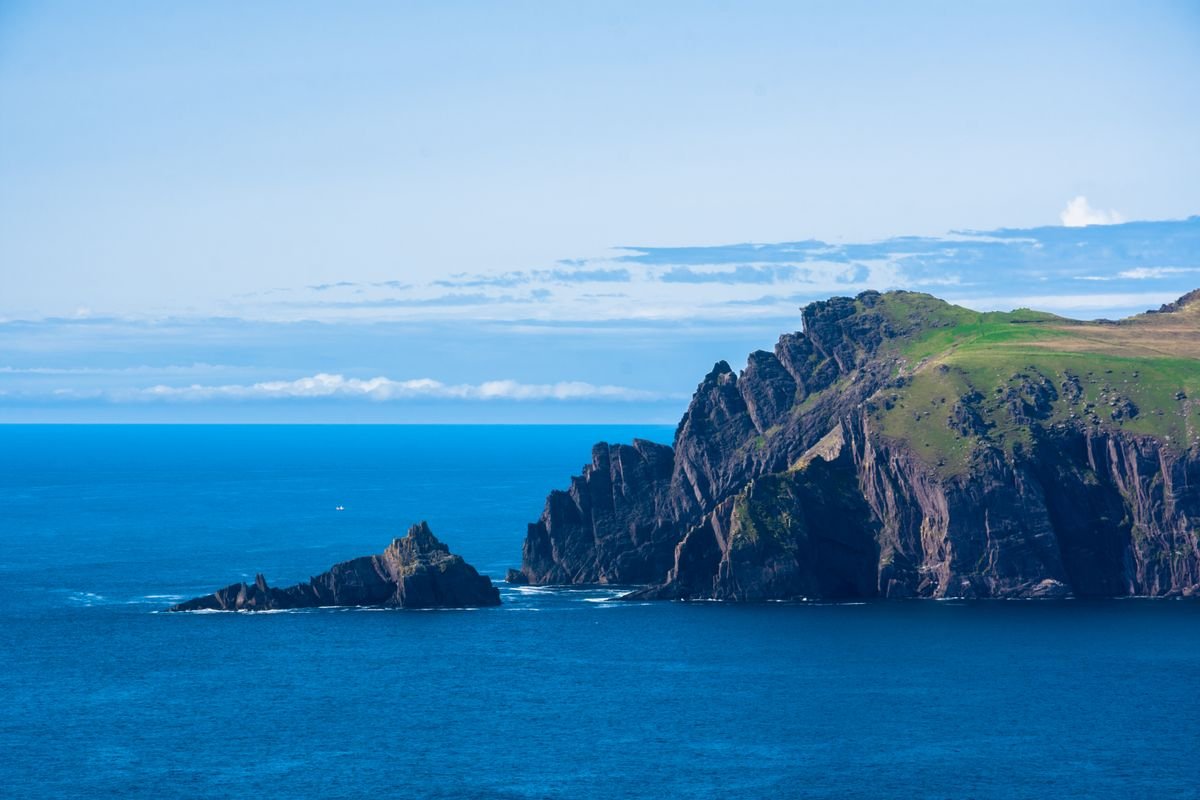
Ten is a list, not the limit. Ireland has more coast than any one trip can cover, and there were plenty of headlands we drove past or only heard about from people we met along the way.
Here are a few more worth a detour if your route takes you near them. I’m giving you the short version on each, because any of these could carry a half-day on its own.
- Slea Head, Dingle (Kerry): Less a single trail than a stretch of coast road and short paths out to the western tip of the peninsula, with the Blasket Islands offshore. Some of the most dramatic coastline in the country.
- Achill Island (Mayo): The cliffs above Keem Bay are some of the highest in Ireland, and the walk up the headland looks straight down onto a curve of beach far below.
- Malin Head (Donegal): The most northerly point on the island. Open, windswept paths around the headland, and a long way from anywhere, which is the appeal.
- Hook Head (Wexford): A flat, easy walk around a low limestone peninsula to one of the oldest working lighthouses in the world. Good for a day when you don’t want cliff-edge nerves.
- Mizen Head (Cork): The southwest corner of Ireland, reached by a footbridge over a chasm to a signal station, with steps and walkways above the swell.
None of these made the main ten, but only because the list had to stop somewhere. If you’re already in that part of the country, give one of them a couple of hours and you won’t regret it.
Explore More of Ireland’s Coastal Towns
- 33 Best Things To Do in Galway, Ireland
- 20 Best Things To Do in Dingle, Ireland
- 15 Best Things To Do in Howth, Ireland
- 15 Best Things To Do in Wicklow, Ireland
What to Know Before Walking the Irish Coast
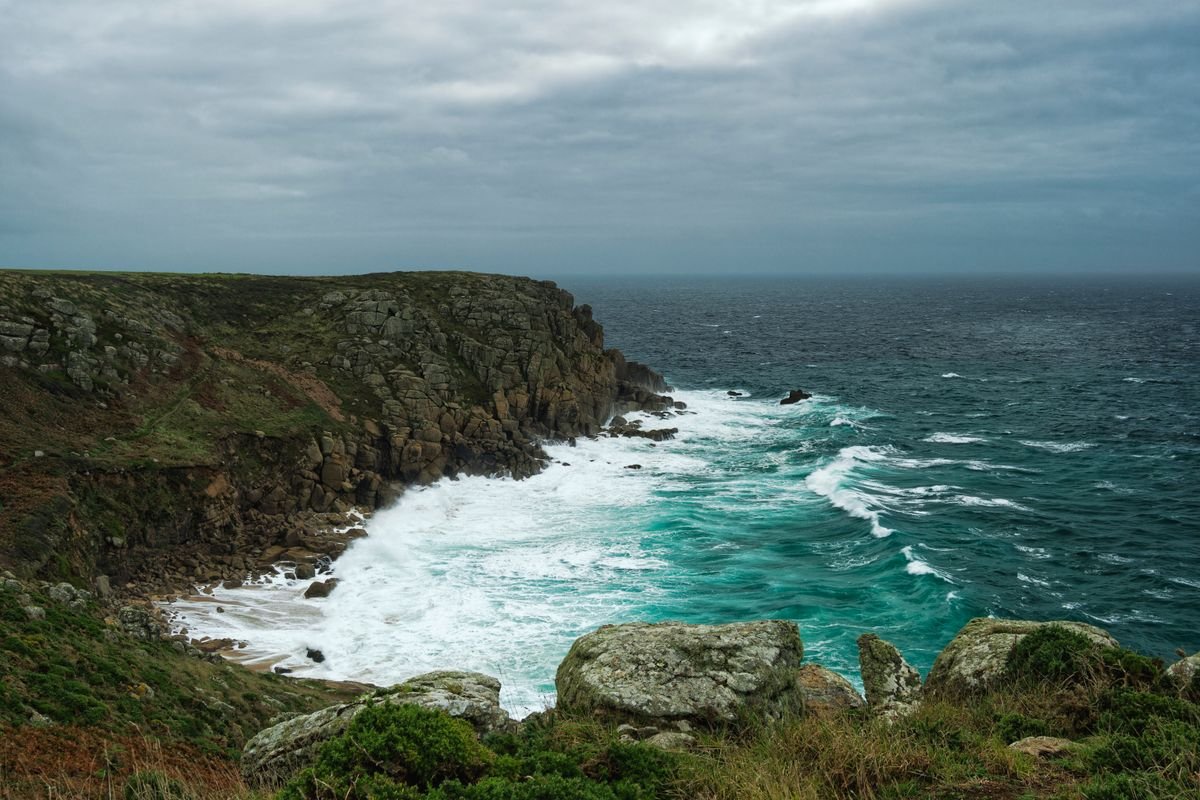
None of these walks are technical. What catches people out is the weather, the footwear, and the cliff edges, in that order. Get those three right and you’ll be fine on any walk on this list.
Weather and what to wear
The Irish coast does four seasons in an afternoon, and the wind on an exposed headland is always stronger than it looks from the car park. Bring a proper waterproof, not a fashion jacket, and layers you can add or strip as it turns.
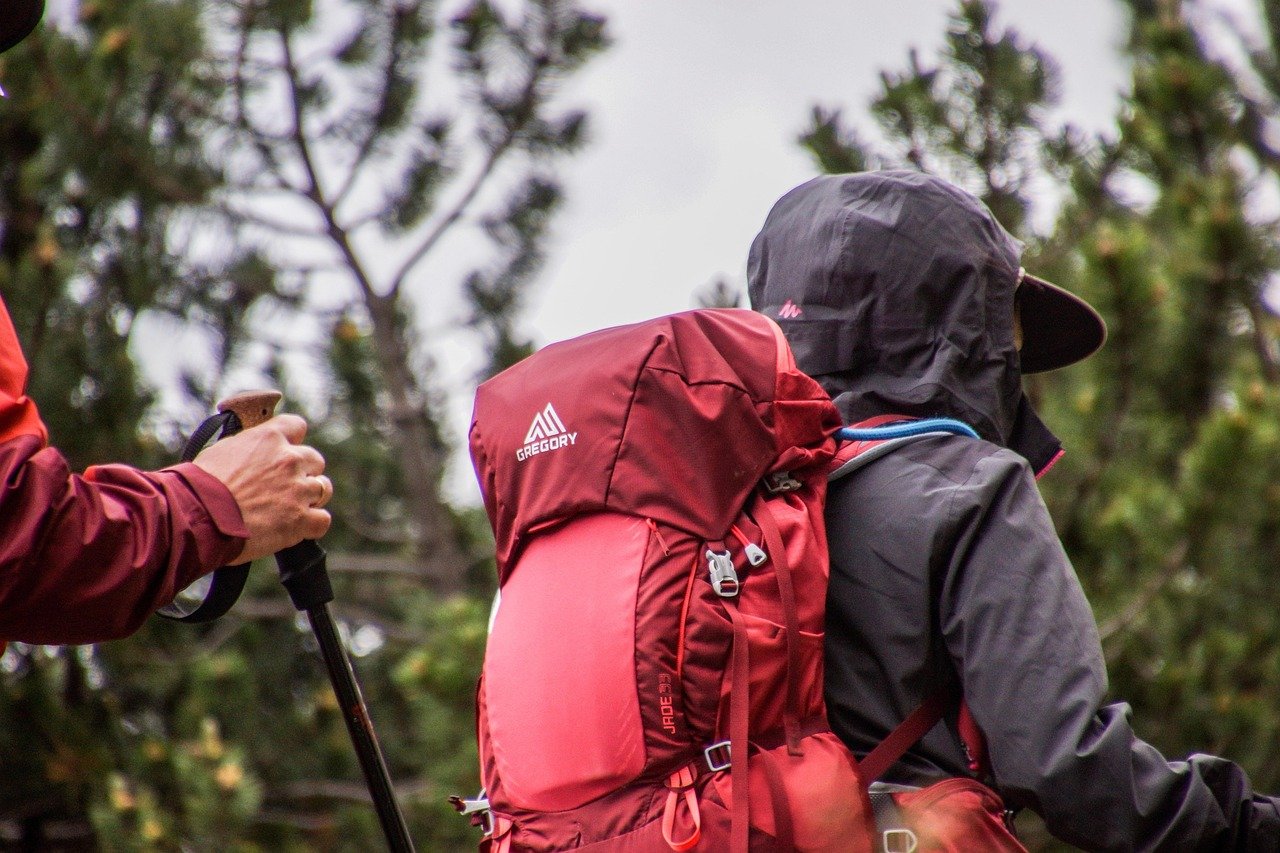
Wear real shoes. Several of these paths, Sheep’s Head and Slieve League especially, have boggy, rough ground that will soak a pair of trainers in minutes. Hiking shoes or light boots with a grip make every one of these walks better.
The cliff edges are real
I’ll say this plainly because it matters. Some of these paths have no railing, no barrier, and a long drop a step or two from where you’re standing. Dun Aengus and the Doolin side of the Cliffs of Moher are the obvious ones.
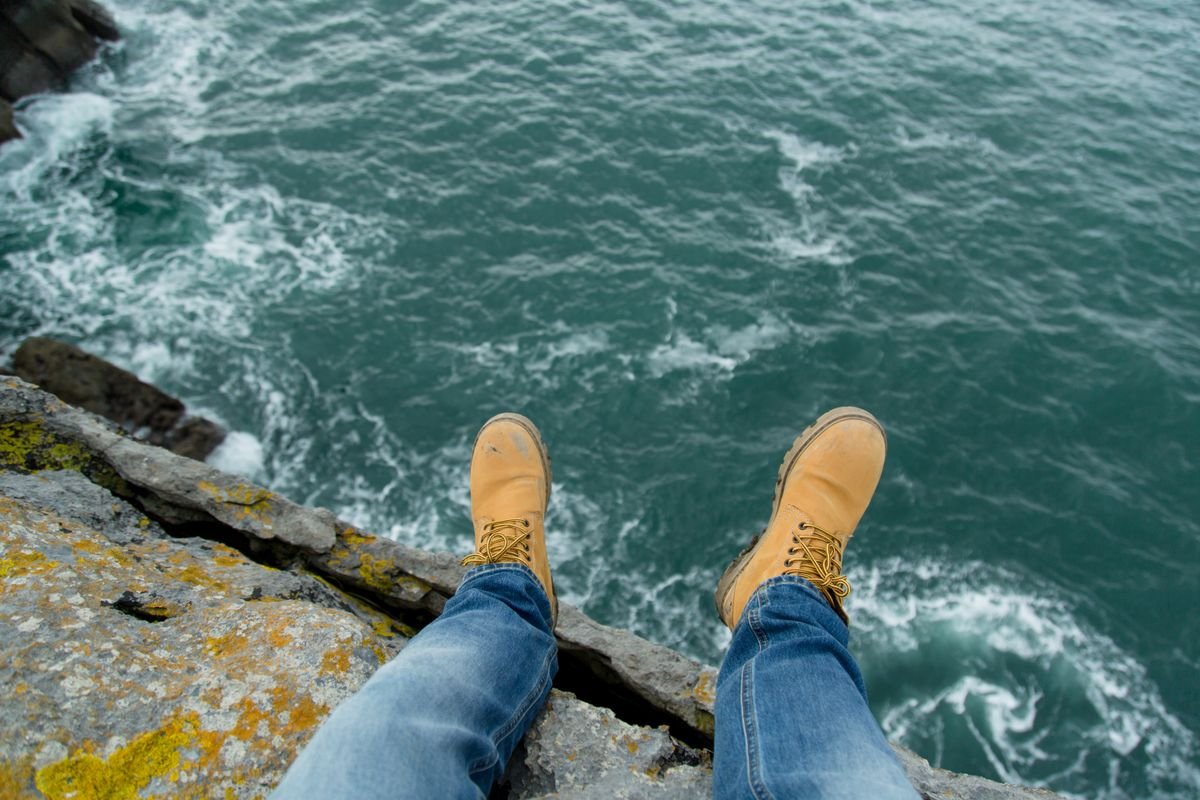
Wet rock, a gust of wind, or chasing a photo near the edge is how people get hurt out here. Keep back, keep a hand on kids, and don’t trust the grass right at the lip. On a wild day, just enjoy the view from further in.
Getting there: car or train
Howth and Bray you can do off the DART from Dublin with no car at all, and Bray to Greystones links back on the train. They’re the easy wins for anyone without wheels.
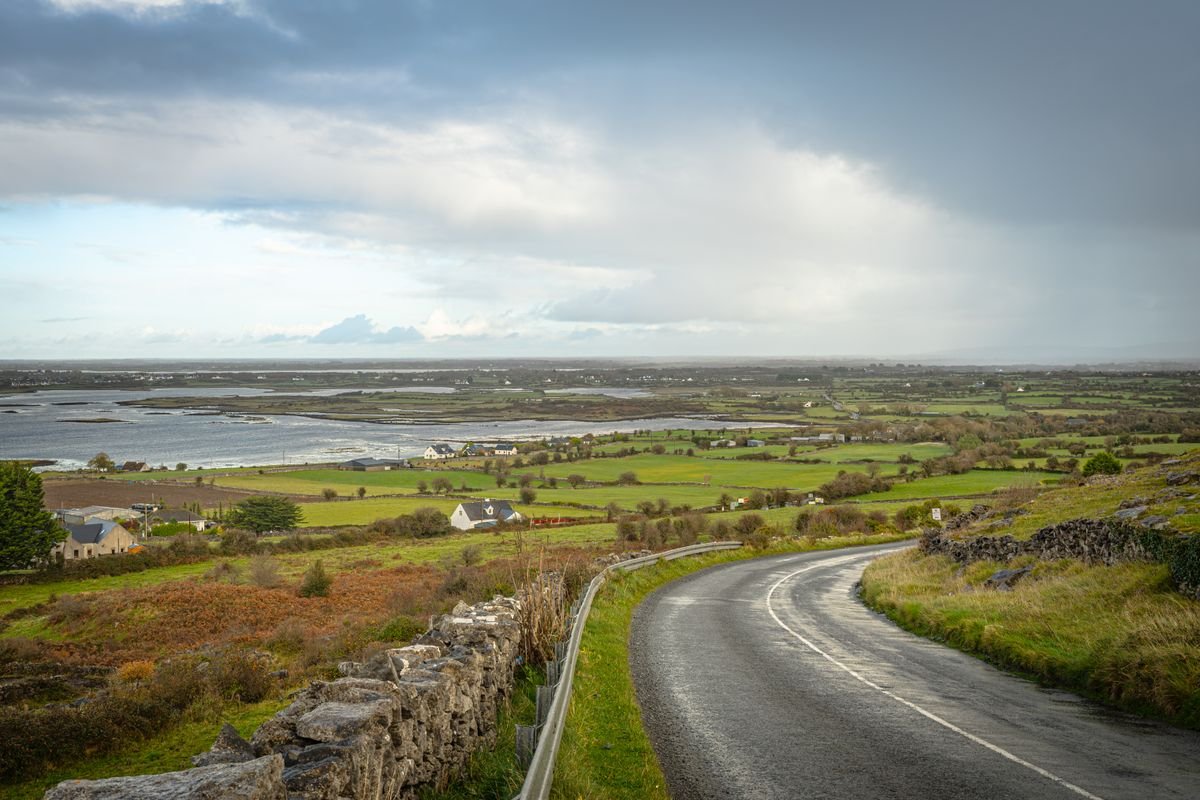
Everything else really wants a car. Slieve League, Sheep’s Head, the Kerry cliffs, and most of the Donegal and Cork coast sit a long way from public transport, and the Aran Islands need a ferry on top of that.
We drove the whole route and it’s the only way to reach the least-visited ones. If you need wheels for the trip, you can compare car hire deals on Discover Cars.
When to go, and what to book
We did this stretch in late September and early October, well into shoulder season, and most of the coastal paths were close to empty. You trade a bit of weather risk for having the cliffs to yourself, and I’d take that deal every time.

One walk you cannot just show up for is the Gobbins. It’s guided and you book your slot in advance, so sort that before you plan the day around it. The rest you can do on a whim whenever the sky clears.
Planning an Ireland Road Trip
- Wild Atlantic Way Itinerary – Ireland’s Most Epic Road Trip
- A Photographer’s Definitive Ireland Road Trip
- 6 Best Beaches Dublin Has To Offer
In short
- Howth and Bray to Greystones are the easiest, reachable on the DART from Dublin with no car.
- The Doolin Cliff Walk gives you the Cliffs of Moher without the visitor-centre crowds.
- Slieve League in Donegal has some of the highest sea cliffs in Europe, far less visited than Moher.
- The Gobbins is the only walk you must book in advance, as it is guided and ticketed.
- Dun Aengus, the Doolin cliffs, and Slieve League have unguarded edges, so keep kids close.
- Most walks take one to two hours; the wind catches people out more than the gradient.
- Go in shoulder season for near-empty paths in exchange for a little more weather risk.
Frequently Asked Questions
What is the best coastal walk in Ireland for a first-timer?
Howth, no question. It’s a short DART ride from Dublin, you walk straight from the station onto the cliffs, and the looped routes are easy to follow with nothing exposed. It’s the lowest-effort way to see why the Irish coast is worth the fuss.
Are the coastal walks in Ireland free?
Almost all of them, yes. The paths themselves cost nothing, and most just need you to park and start walking. The exceptions are the few that sit behind a gate or a service: the Kerry Cliffs have a small charge, Dun Aengus needs a ferry and a site fee, and the Gobbins is a paid, guided ticket you book ahead.
Do you need a car to do these walks?
For most of them, yes. Howth and Bray are the only two you can do properly off the DART without wheels, and Bray links back from Greystones on the train. The wild ones in Donegal, Cork, and Kerry sit a long way from any bus, so a car is what unlocks the emptier coast.
How fit do you need to be?
Less than you’d think. Most of these are a couple of hours of walking on a path, not a mountain climb, and you can turn back whenever you like on the there-and-backs. If you can manage a steady hour uphill, you can do almost everything on this list. The real test is the wind, not the gradient.
Are these walks safe for kids?
Some are, some aren’t. Ballycotton, Howth, and Bray to Greystones stay back from the edge and are fine with kids. Dun Aengus, the Doolin cliffs, and Slieve League’s higher ground have unguarded drops, so keep small ones close or skip them. I wouldn’t take a young child near an unfenced cliff edge on a windy day.
When is the best time of year for the Irish coast?
Late spring through early autumn gives you the longest days and the best odds on the weather, though the coast does what it wants year-round. Go in shoulder season and you trade a little weather risk for paths that are close to empty. Summer is busier and warmer, but you’ll share the famous walks with a lot more people.
Final Thoughts
If you only take one thing from this list, make it this: the famous coastal walks in Ireland are good, but the less-visited ones are often better. We learned that by driving past a few we should have stopped for, and by stumbling onto others that beat the headline names.
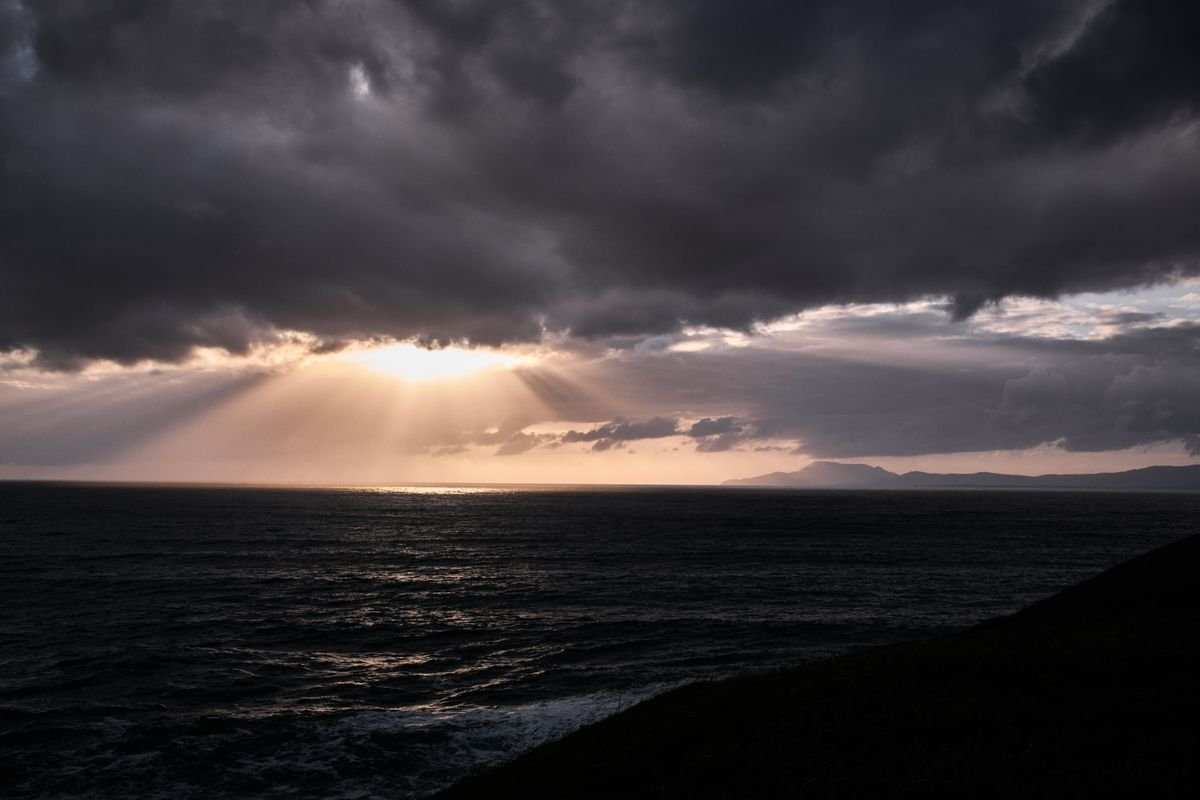
Howth and Bray are the easy wins off the DART if you’ve no car and only a day spare. At the other end, Slieve League, the Gobbins, and Dun Aengus are the ones that take real effort to reach, and they pay you back for it.
Don’t overthink the planning. Pick the walks that fit your route, check the wind, wear shoes you don’t mind getting wet, and book the Gobbins ahead because it’s the only one you can’t do on a whim.
Go in shoulder season if you can. We had most of these paths close to empty in late September, and standing on a windy headland with no one else around is the whole reason to walk the Irish coast in the first place.
Like it? Pin it!
Save this guide for later