Ireland is one of the easiest countries we’ve ever traveled, and most of what to know before traveling to Ireland comes down to a handful of practical things nobody tells you until you’re already standing in the rain without a jacket.
We drove the whole country on our last trip, from Dublin down to Cork over about two weeks, and the things that actually mattered weren’t the famous sights. They were the small stuff: how the money works, how bad the weather really gets, how long the drives take on those narrow roads, and how much time you really need to do it right.
None of it is hard. Ireland is safe, English-speaking, and set up for visitors. But a few smart calls before you go will save you money, stress, and at least one soggy afternoon.
Below I’ll run through everything we wish we’d known: entry and passport rules, money and currency, what the weather is actually like and what to pack, getting around, when to go and for how long, the local etiquette, staying connected, where to stay, and the tours worth booking.
More Ireland Trip-Planning Guides
- A Photographer’s Definitive Ireland Road Trip
- Ireland Packing List for May: Summer Is Here
- Ireland Packing List For September
- 10 Best Meals in Ireland (What to Eat and Drink)
Quick Answer:
The main things to know before traveling to Ireland: the Republic uses the euro and Northern Ireland the pound, you drive on the left, the weather changes fast so pack layers and a waterproof, and a week covers a first trip. May and September are the best months to visit.
Entry, Passports, and Visa Requirements
Here’s the good news first: for most travelers, getting into Ireland is about as easy as it gets. If you’re coming from the US, Canada, Australia, or New Zealand, you don’t need a visa for tourist stays of up to 90 days. You show up, get stamped in, and you’re off.
Your passport just needs to be valid for the length of your trip. Ireland doesn’t enforce the six-months-beyond-your-stay rule that a lot of countries do, but I’d still leave a few months of validity on it to be safe. Airlines can be picky even when the country isn’t.
The one thing that trips people up: Ireland is in the EU, but it is not in the Schengen Area. That matters because of ETIAS, the new pre-travel authorization rolling out for Schengen countries. ETIAS does not apply to Ireland. You don’t need it to visit, no matter what a half-read article tells you.
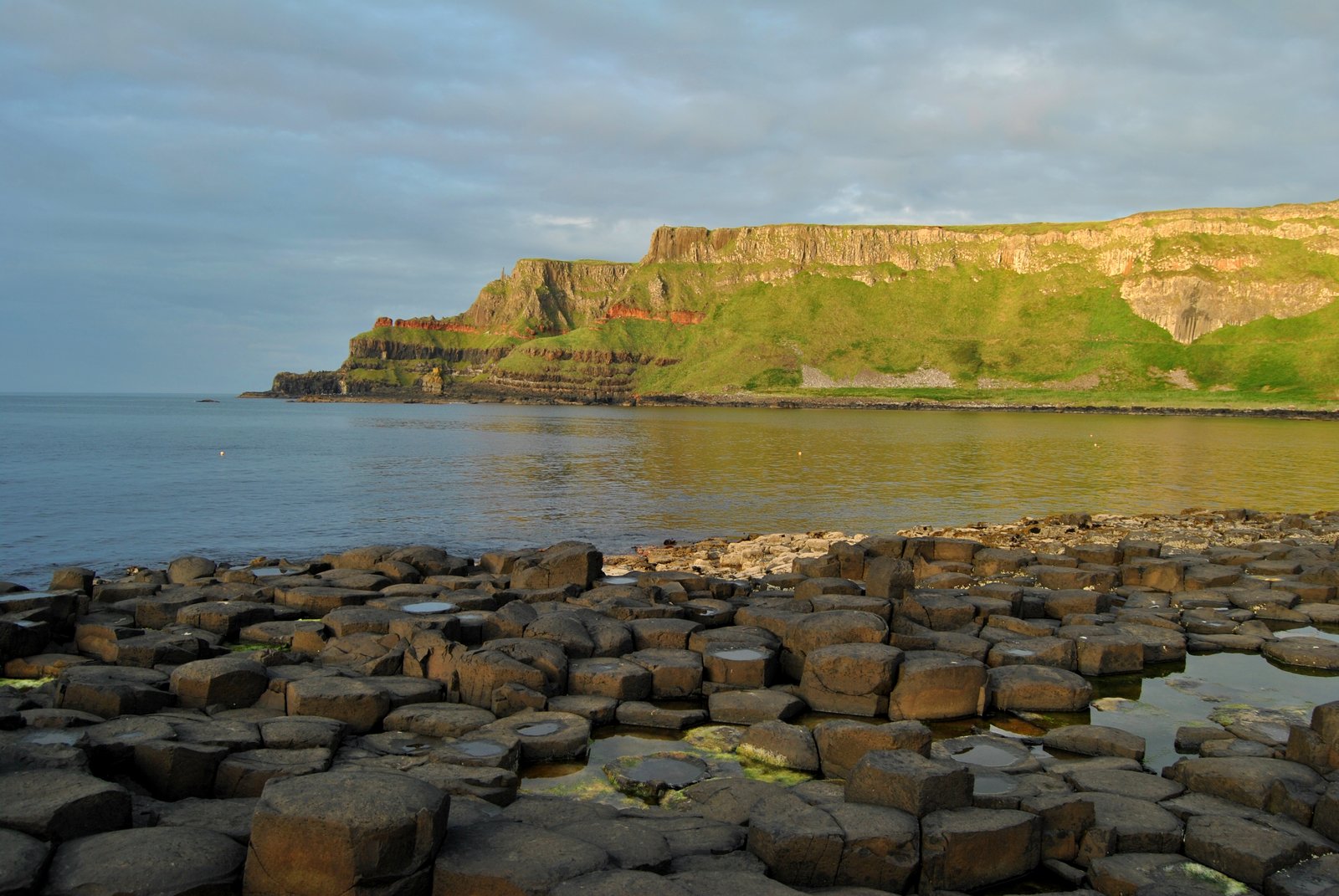
Where it gets slightly more involved is Northern Ireland. That’s a separate country, part of the UK, and the border is invisible, no checkpoint, no stamp, you’ll cross it without noticing. But the UK now requires visa-exempt visitors to get an ETA, an Electronic Travel Authorisation, before they arrive.
So if your plan includes the Giant’s Causeway, Belfast, or the Causeway Coast, you technically need a UK ETA on top of nothing-for-Ireland. It’s a quick online application and cheap, but sort it before you fly. Rules like this change, so check the current UK and Irish government sites a few weeks out.
Quick version of who needs what:
- US, Canada, Australia, New Zealand: no visa for stays up to 90 days in the Republic of Ireland
- Passport valid for the duration of your stay, with a little buffer to be safe
- No ETIAS needed for Ireland, it isn’t part of Schengen
- A UK ETA if you’re crossing into Northern Ireland, sorted online before you go
If you’re traveling on a passport from somewhere else, check whether you need a short-stay visa for Ireland specifically, since its requirements don’t always match the rest of Europe. For most of our readers, though, the whole entry process comes down to a valid passport and a UK ETA if you’re heading north.
Money and Currency in Ireland

The Republic of Ireland uses the Euro (€). Cross into Northern Ireland and it switches to the British Pound (£), because that’s the UK. If your trip stays in the Republic, you only ever deal in Euros. If you’re popping up to Belfast or the Giant’s Causeway, you’ll want some Pounds too.
Cards are king. Ireland runs on contactless, and you can tap your phone or card for almost everything: coffee, gas, groceries, dinner, even most taxis. We rarely needed cash, and a no-foreign-fee travel card is the single best money move you can make before you go.
That said, carry a little cash. Some small rural pubs, a roadside farm stand, a parking machine, or an honesty box at a trailhead will still want coins. Keep €40 or €50 on you and you’re covered for the few spots that don’t take plastic.
Getting Euros and avoiding the fees

Skip the airport currency desks. The exchange rates there are bad, and you don’t need them. Pull cash from a bank ATM once you land and you’ll get the real rate.
There’s one trap to watch for at the ATM and the card machine. When it asks whether to charge you in Euros or in your home currency, always pick Euros. Choosing your home currency triggers something called dynamic currency conversion, which quietly adds a worse exchange rate. Pick the local currency every time.
Tell your bank you’re traveling before you go, or you risk a fraud freeze the first time you tap in Dublin. A two-minute heads-up saves a very annoying phone call from abroad.
Tipping in Ireland

Tipping is more relaxed than in the US, and that catches a lot of American visitors off guard. You’re not expected to leave 20% everywhere. Here’s the simple version:
- Sit-down restaurants: 10% to 15% if the service was good, and check first, since some places add a service charge to the bill for larger groups
- Pubs: no tip for a pint at the bar, that’s just not a thing
- Cafes and counter service: round up or drop your change in the jar
- Taxis: round up to the nearest Euro or two
- Tour guides and hotel housekeeping: a few Euros if they were great, never required
Nobody’s chasing you down for a tip in Ireland. Tip when the service earns it, leave nothing when it doesn’t, and don’t overthink it.
Is Ireland expensive?
Honest answer: it’s not cheap. Dublin in particular runs pricey for food, drinks, and hotels, and a pint in a city-center pub can run €6 to €8. Get out into smaller towns and the coast and your money goes noticeably further.
Budget for it and you won’t get a nasty surprise. Eating one big meal out a day and grabbing breakfast or lunch from a grocery store, a deli, or a bakery is how you keep the daily spend sane without missing out on the good stuff.
Weather and What to Pack
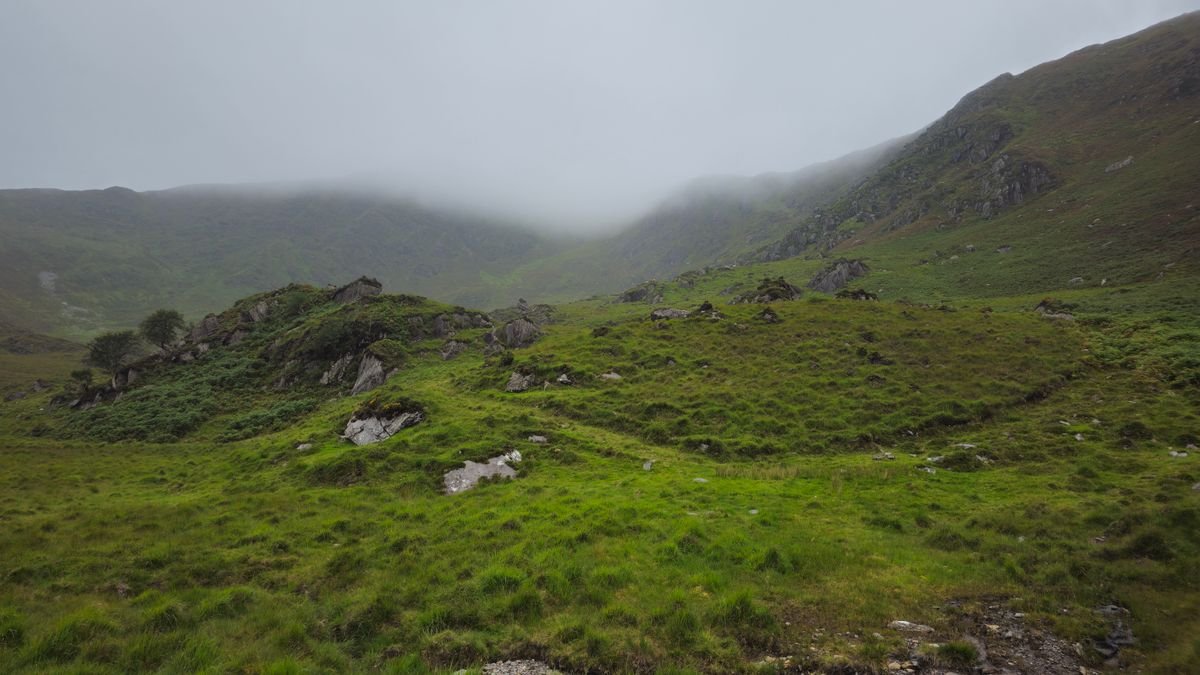
Let’s be straight about Ireland: it rains. Not constantly, not always hard, but enough that you should plan around it instead of hoping for the best. The weather here doesn’t do you the favor of staying one thing all day.
You’ll get sun, cloud, a quick shower, and sun again, all inside an afternoon. People say four seasons in one day and they’re not exaggerating. The trick isn’t avoiding the rain, it’s being ready for it so a passing shower doesn’t wreck your plans.
The flip side is the temperature is mild and easy to deal with. Ireland doesn’t get very hot or very cold. Summer highs sit around 60 to 68°F, and winter rarely drops below freezing. You’re packing for wet and breezy, not for extremes.
What the weather is actually like by season
Summer (June to August) gives you the longest days and the best odds of dry stretches, with daylight running past 10pm. It’s also peak season, so the crowds and prices come with it.
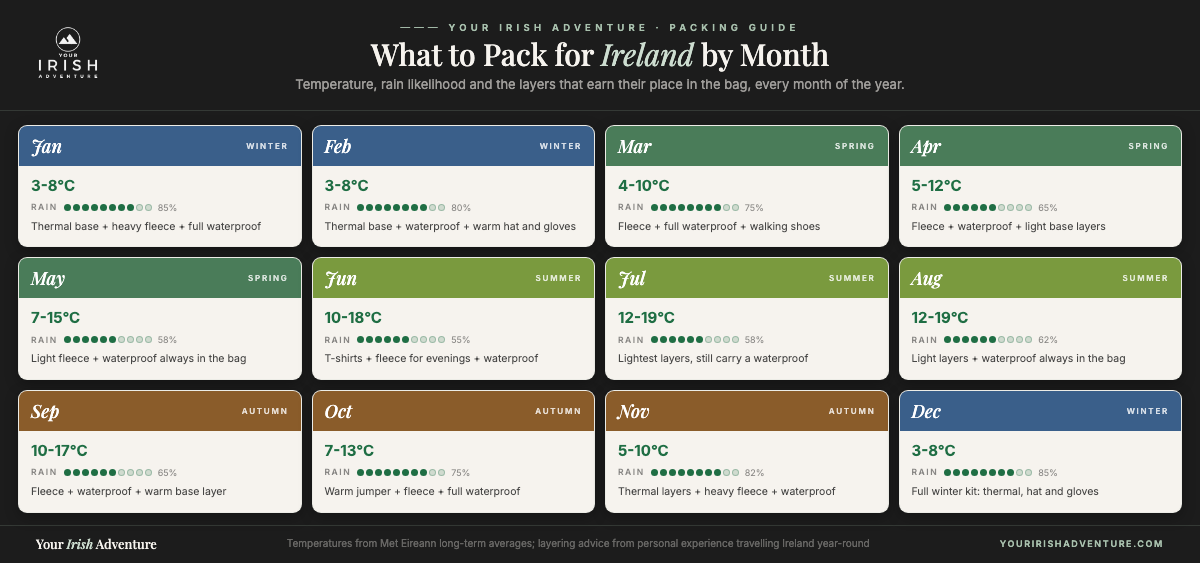
Spring and fall (April to May, September to October) are the sweet spot for a lot of travelers. Fewer people, lower prices, and the countryside is green for a reason. You trade a bit of weather luck for a quieter, cheaper trip.
Winter (November to March) is wet, windy, and dark by late afternoon. Some rural attractions and tours cut their hours or close entirely. Dublin and the bigger towns still hum along, and you’ll have the place mostly to yourself.
One thing worth saying loud: a wet forecast is not a reason to write off a day. The weather changes so fast that a gray morning often turns into a bright afternoon. Get out the door and see what happens.
What to pack for Ireland
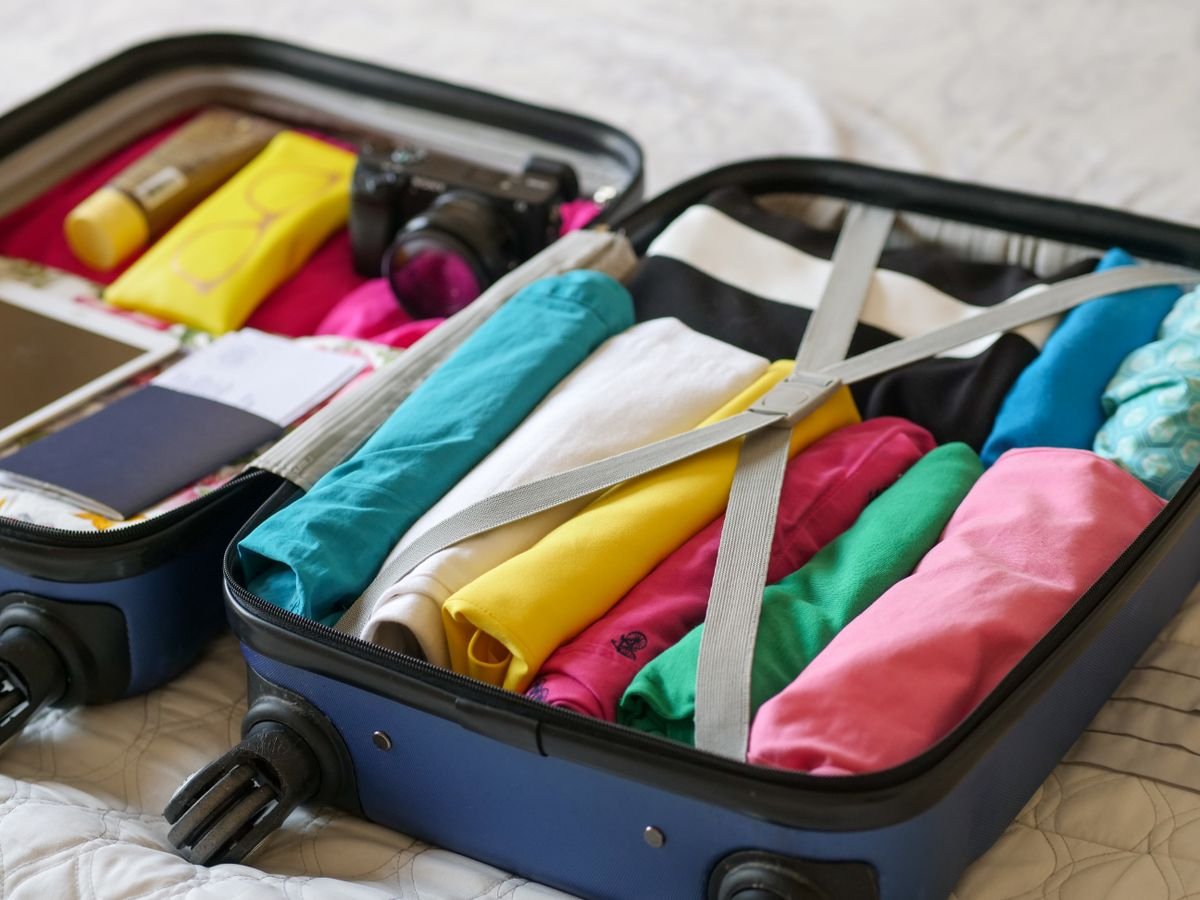
The whole game is layers and waterproofing. Forget the single heavy coat. You want a few thinner layers you can add or strip off as the weather flips, plus something that actually keeps the rain out.
The one item I’d never skip is a proper waterproof rain jacket with a hood. Not water-resistant, waterproof. An umbrella is close to useless on the coast, where the wind turns it inside out in about two seconds. A hood beats an umbrella every time here.
Here’s what earns its place in the bag:
- A waterproof rain jacket with a hood, your most important item by a mile
- Waterproof or water-resistant walking shoes, broken in before you go, since you’ll walk a lot on wet ground
- A few light layers: t-shirts, long sleeves, and a warm sweater or fleece
- A packable down or insulated layer for cool evenings, even in summer
- Quick-dry pants over jeans, which stay soaked for hours once they’re wet
- A small daypack with a dry spot for your phone, camera, and any layers you peel off
- A warm hat and a light pair of gloves if you’re coming in the colder months
Pack like this and the weather stops being a problem. The people who have a miserable time in Ireland are almost always the ones who showed up in sneakers and a cotton hoodie expecting it to stay dry. Get the rain gear right and you’ll barely notice the showers.
Getting Around Ireland
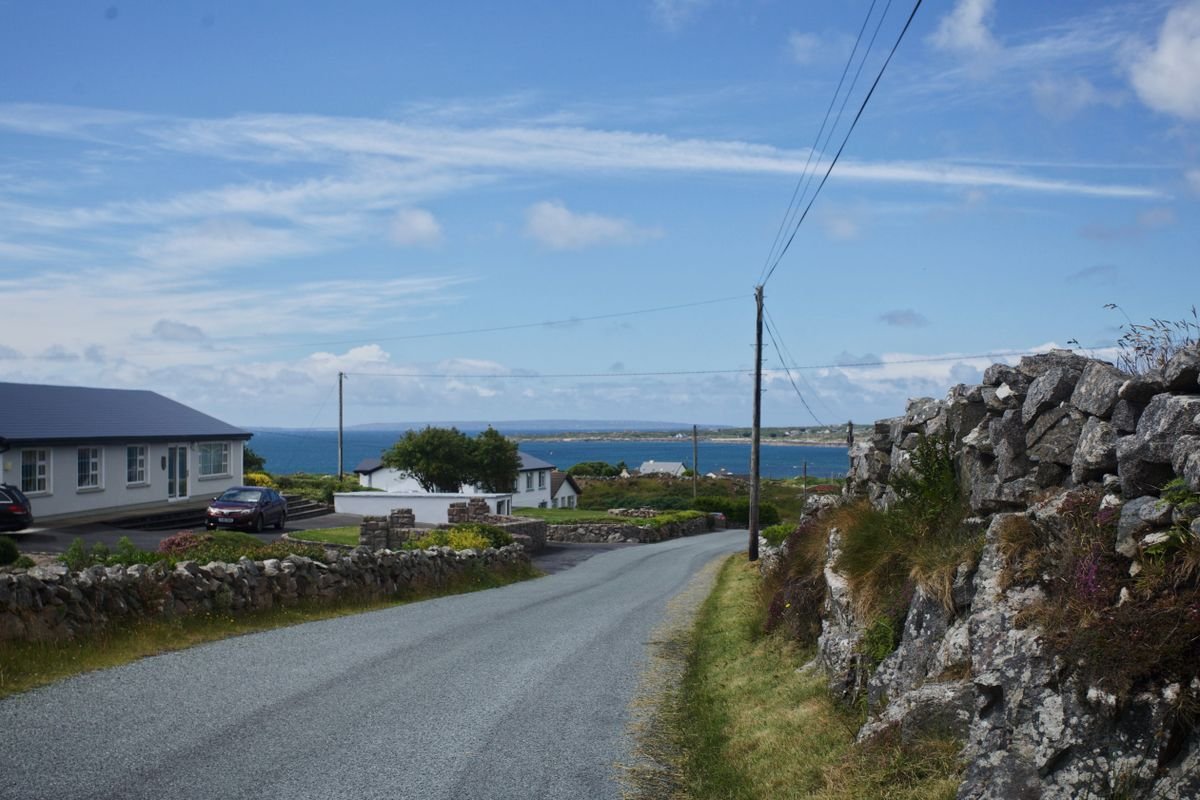
How you get around shapes your whole trip. The short version: if you want the coast, the small towns, and the stops that aren’t on a train line, you rent a car. If you’re sticking to the big cities, public transport will do the job just fine and save you the hassle of driving.
We covered the whole country by road, and the freedom is the reason to do it. The best of Ireland is the stuff you pull over for on a whim, and you only get that with your own wheels.
Renting a car and driving on the left
Yes, they drive on the left. If you’re coming from the US or anywhere that drives on the right, this sounds scarier than it is. Give it an hour and it clicks. The roundabouts go clockwise, you sit on the right side of the car, and the gear stick is on your left.
Book an automatic if you’ve never driven a manual. Most rental cars in Ireland are stick shift, and learning to drive on the left and shift with your other hand at the same time is a lot. Automatics cost more and sell out, so reserve early. It’s worth a few minutes to compare car hire deals on Discover Cars and lock in an automatic before the good rates go.
The real adjustment isn’t the side of the road, it’s the roads themselves. Once you leave the highways, they get narrow fast. Rural lanes are often a single car wide with stone walls or hedges right on the edge, and a tour bus coming the other way.
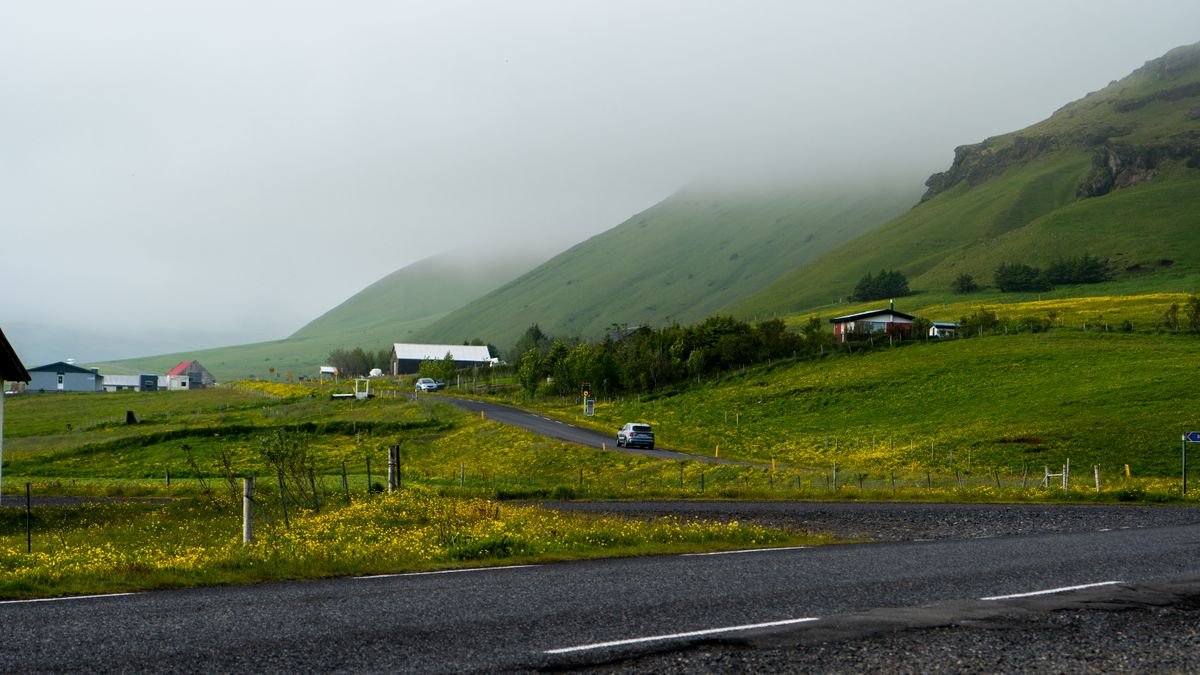
Go slow, use the pull-in spots to let oncoming traffic pass, and rent the smallest car that fits your bags. A big SUV is a liability on a boreen. Take the smallest one you’re comfortable with and you’ll thank yourself on every tight stretch.
A few things that catch people out with the rental:
- Insurance is a minefield in Ireland. Many US credit cards that cover rentals elsewhere specifically exclude Ireland, so check yours before you count on it, or buy the rental company’s cover
- There’s usually a minimum age and sometimes a young-driver surcharge under 25
- The M50 around Dublin is a barrier-free toll, you pay it online, ask the rental desk how they handle it so you don’t get a fee later
- Tank up before you return it, and pick Euros if the gas pump asks about currency
Distances look tiny on a map and take longer than you’d think. A drive that reads as an hour can be 90 minutes once you factor in the narrow roads, the tractors, and the village speed limits. Pad your driving estimates and don’t cram too many stops into one day.
Buses and trains in Ireland
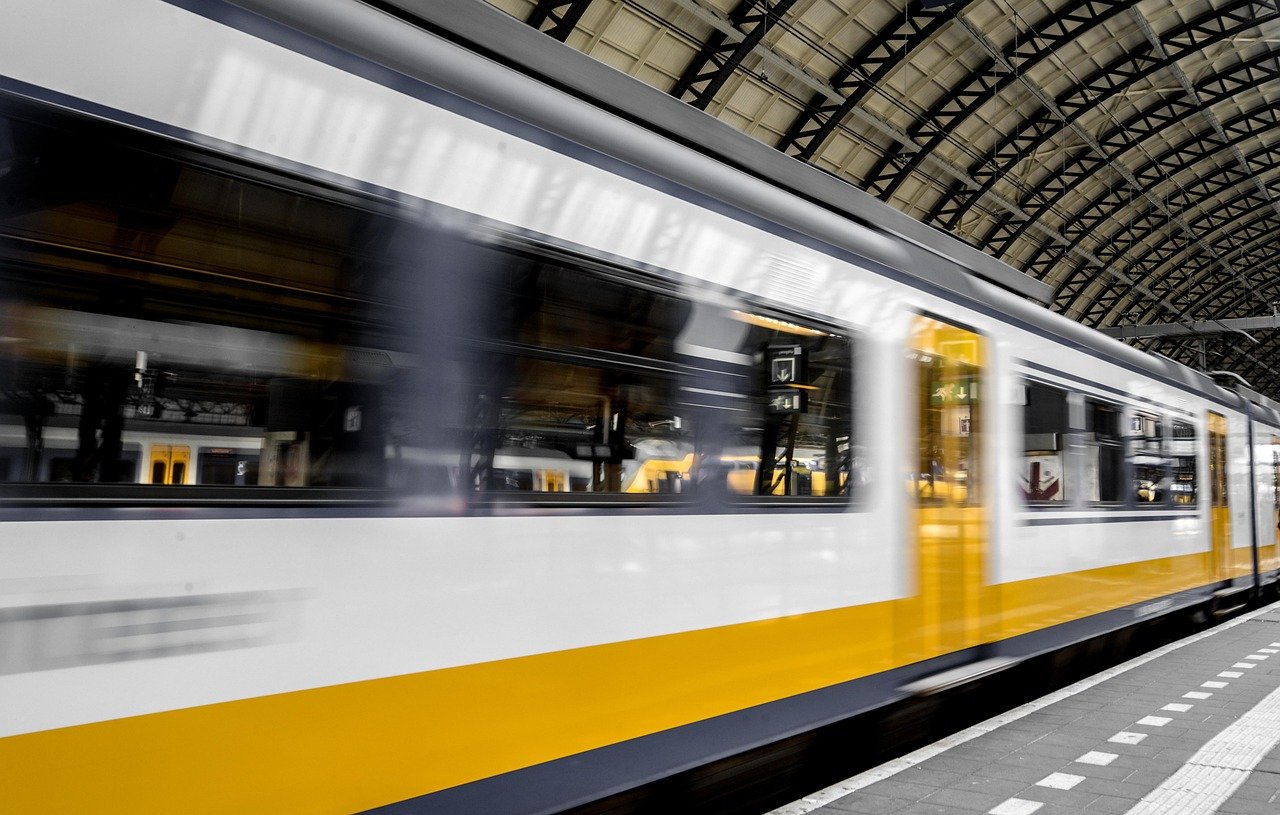
If you’d rather skip driving entirely, you can. Ireland has a solid intercity network, and for a city-to-city trip it’s cheap, comfortable, and you get to look out the window instead of at the road.
Trains (Irish Rail) connect Dublin to Cork, Galway, Limerick, Killarney, Belfast, and other main hubs. They’re fast and pleasant, and booking online ahead of time gets you the cheapest fares. The catch is the network is hub-and-spoke out of Dublin, so cross-country routes that skip the capital aren’t always direct.
Buses fill in the gaps and reach a lot more towns. Bus Éireann covers the country, and private lines like Citylink and GoBus run frequent, cheap routes between the big cities. For something like Dublin to Galway, the bus is often as quick as the train and costs less.
The real limit of going car-free is that the famous scenery is the hard part to reach. The Ring of Kerry, the Wild Atlantic Way, the small coastal villages, and the trailheads aren’t built around bus timetables. You can still see them, you just do it on guided day tours instead of on your own schedule.
So the call is simple. City-focused trip, no driving, lean on trains and buses and book the odd day tour for the countryside. Want the coast and the freedom to wander, rent a car. For most first-timers chasing the postcard Ireland, the car wins.
Within the cities you won’t need a car at all. Dublin, Cork, and Galway are walkable, and Dublin has buses, trams (the Luas), and a local train (the DART) if you don’t feel like walking. A car in a city center is just a parking headache.
More Ireland Itineraries & Road Trips
- Wild Atlantic Way Itinerary – Ireland’s Most Epic Road Trip
- 4 Days in Dublin: Perfect Itinerary
- Weekend in Galway: The Perfect 2 Day Itinerary
- Weekend in Killarney: The Perfect 2 Day Itinerary
Best Time to Visit Ireland
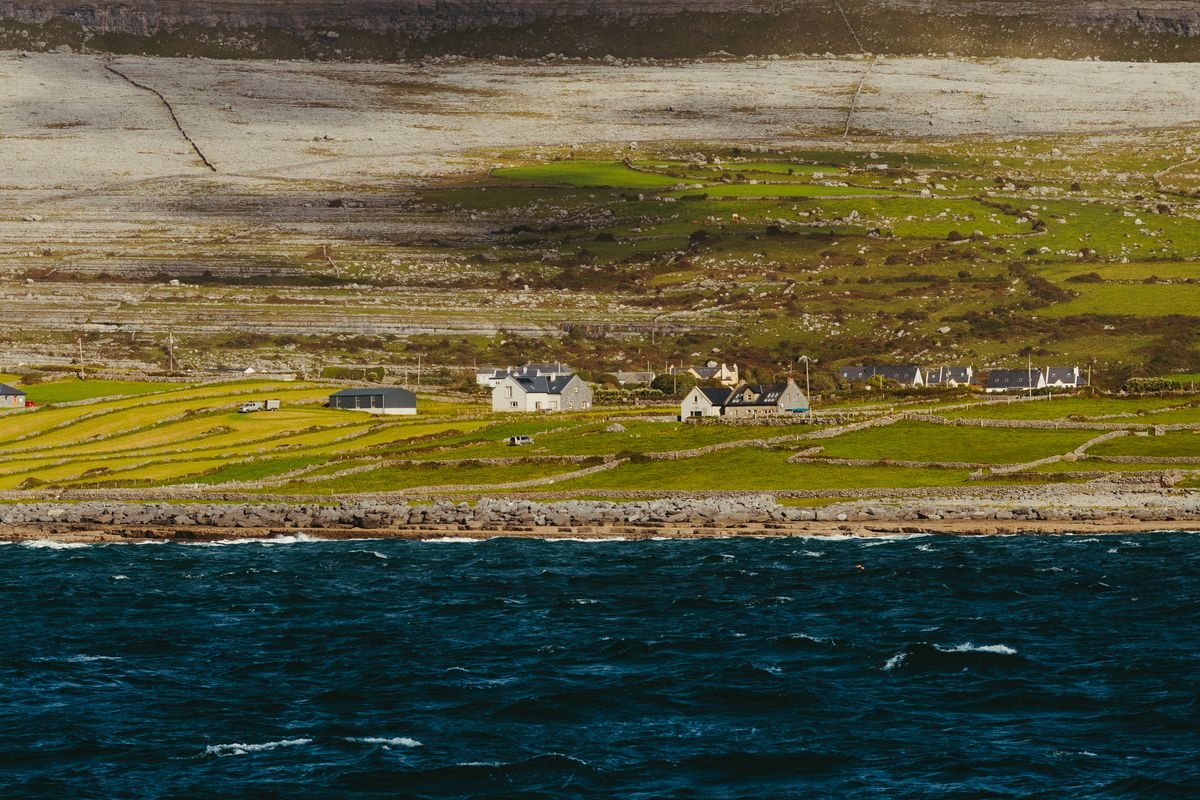
If you want the short answer: late spring through early fall, roughly May to September, is when Ireland is at its best. The days are long, the weather is as good as it gets, and everything is open. The rest comes down to how you feel about crowds and prices.
The trade-off is the same everywhere. The months with the nicest conditions are also the busiest and most expensive, and the cheapest months are the wettest and darkest. The good news is Ireland’s shoulder months land right in the middle and give you most of the upside without the worst of either.
The sweet spot: May and September
May and September are the two months I’d point a first-timer at. You still get long daylight and a decent shot at dry stretches, but the summer crush hasn’t arrived yet or has just cleared out. Hotels are easier to book, the big sights are calmer, and prices ease off the peak.
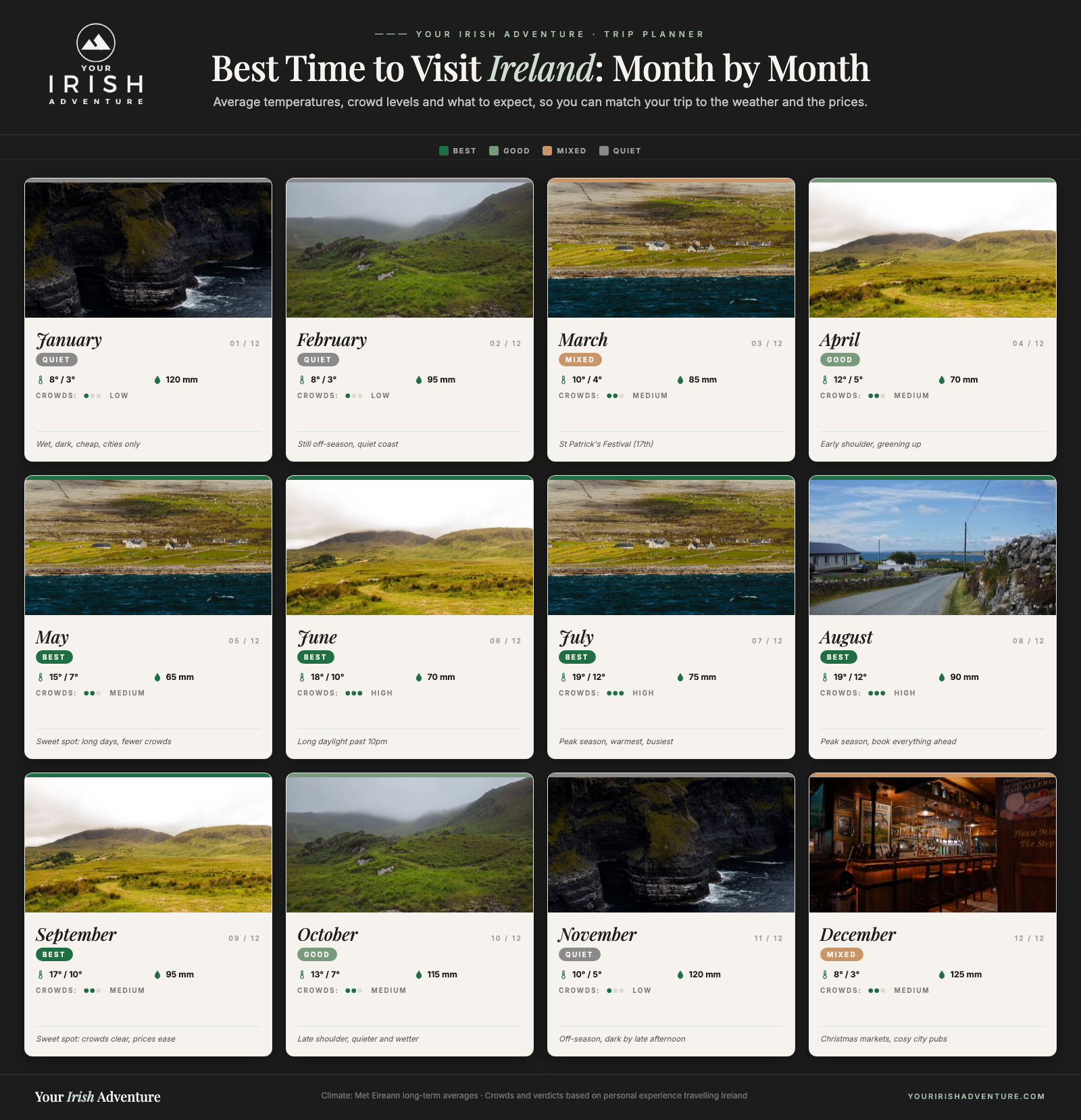
Spots like the Cliffs of Moher and the Ring of Kerry get really packed in July and August. Hit them in a shoulder month and you’ll deal with far fewer tour buses, which makes a real difference when you’re trying to take it in.
Peak summer: July and August
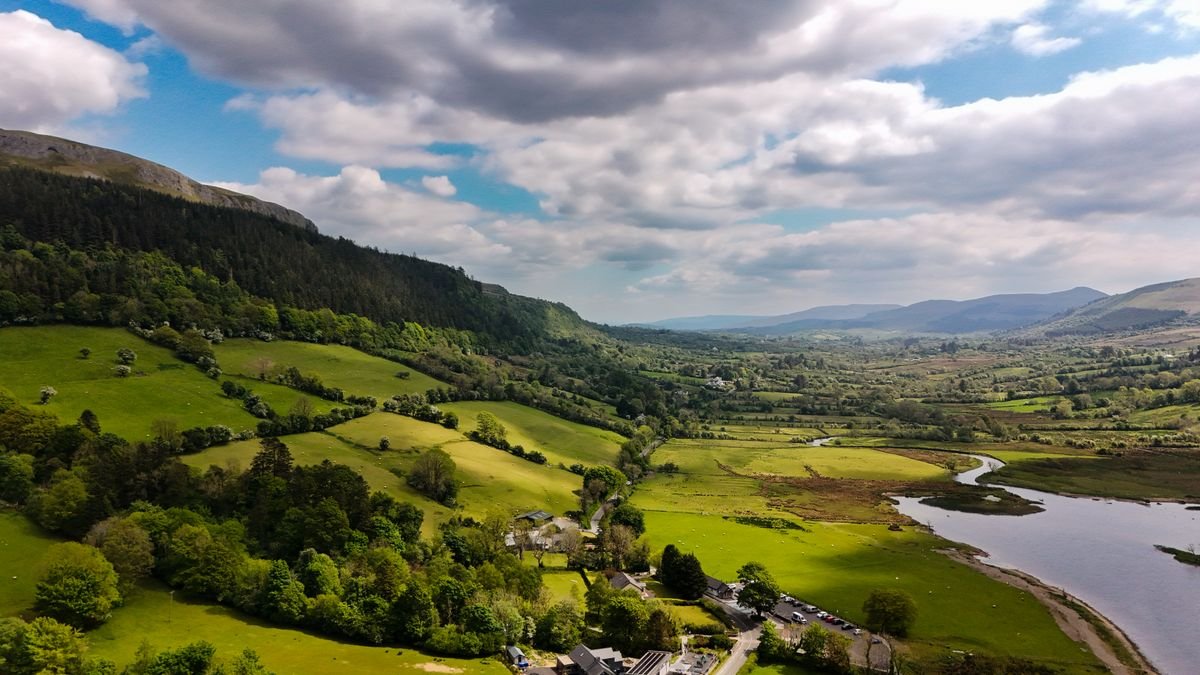
Go in high summer if your dates are locked to school holidays or you just want the best odds of warm, dry days and those long evenings where it’s bright past 10pm. It’s a great time to be in Ireland. You just pay for it in crowds and rates.
Book early if you come in peak season. Rental cars, especially automatics, and the better-value hotels sell out weeks ahead, and the things that cap their numbers, like the Skellig Michael boat trips, can be gone months before you go.
The off-season: November to March
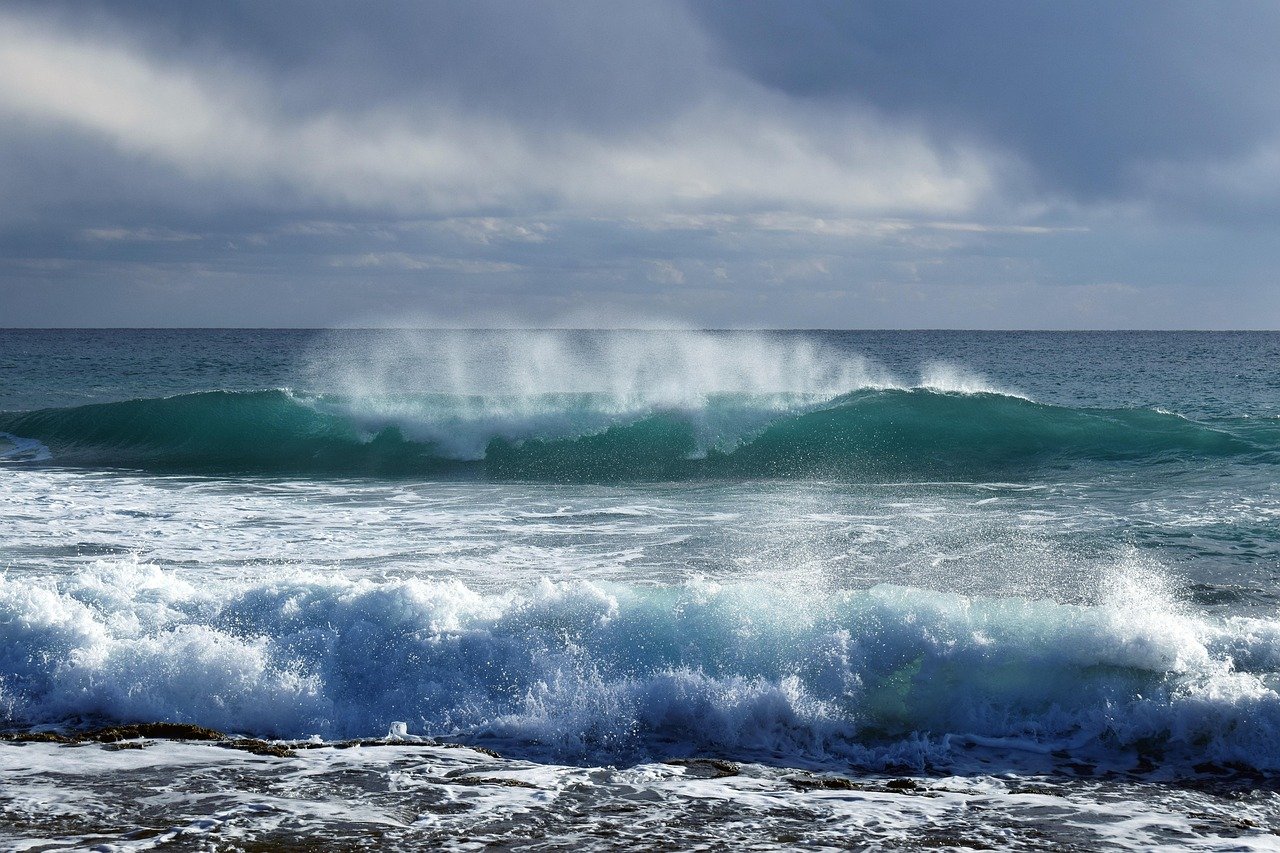
Winter is the cheap, quiet option, and it works if you go in with the right expectations. The cities carry it fine. Dublin, Galway, and Cork are lively year-round, the pubs are at their coziest, and you’ll have the museums and restaurants close to yourself.
The catch is daylight and access. It’s dark by late afternoon, the weather is at its roughest, and a lot of rural attractions, coastal tours, and smaller guesthouses cut their hours or shut for the season. A coast-focused road trip is a tougher sell in January than a city break is.
One bright spot: St. Patrick’s Day in mid-March. Dublin throws a huge festival around it and the whole country joins in, so if that’s the trip you want, that’s when to come, just book well ahead and expect a price bump.
So here’s how I’d call it. Want easy weather and don’t mind crowds, come in summer. Want the best mix of decent weather, fewer people, and lower prices, aim for May or September. Sticking to the cities and want it cheap and quiet, winter works fine. For a first Ireland road trip, the shoulder months are the move.
How Long to Spend in Ireland
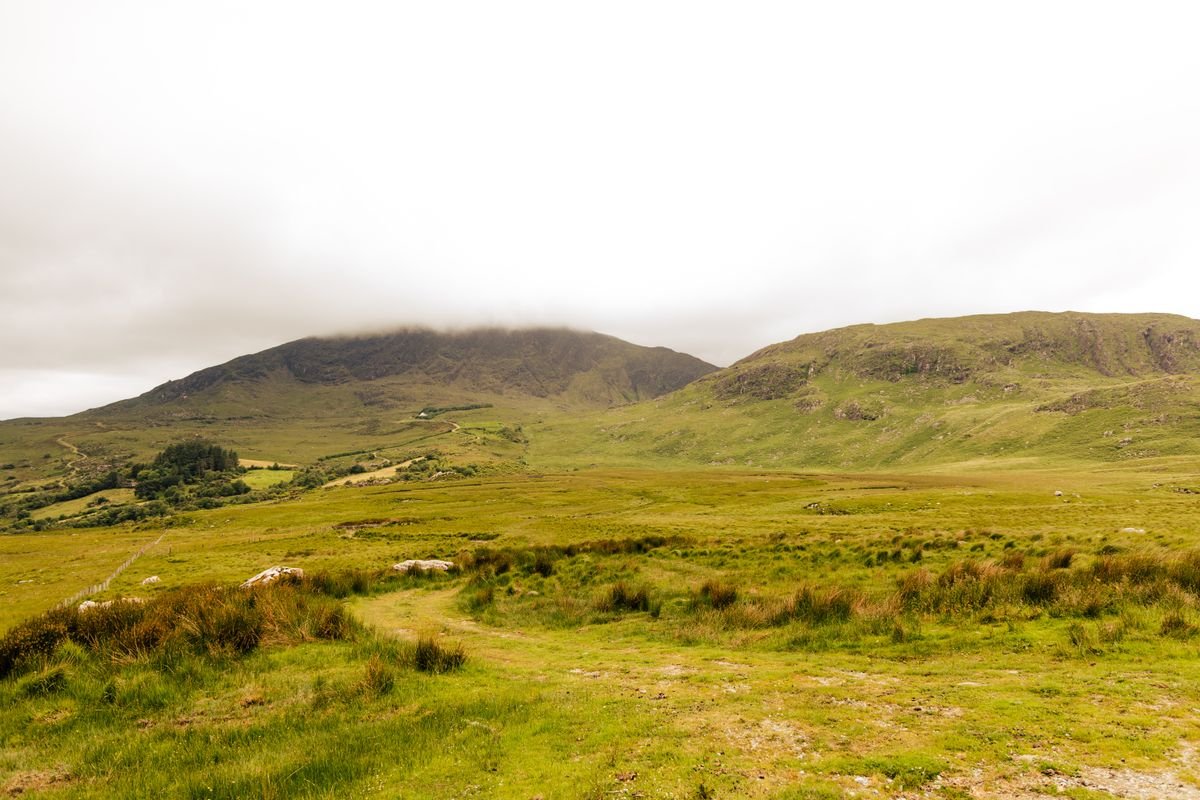
The honest answer is more than you think and less than you’d like. Ireland looks small on a map, but the slow roads and the urge to keep pulling over mean you cover less ground in a day than you’d plan for. Give it as much time as you can.
We spent about two weeks driving from Dublin to Cork, and that felt close to right. We never felt rushed, and we still left things for next time. If you only have a week, that’s plenty for a great trip, you just can’t see all of it.
Here’s the rule that saves most first-timers: don’t try to circle the whole island. Pick a region, do it properly, and skip the rest. A relaxed trip through the southwest beats a frantic lap that’s all driving and no stopping.
A long weekend (3 to 4 days)
This is a city trip, not a road trip. Base yourself in Dublin, soak up the pubs and the history, and run a day tour or two out to the countryside. The Cliffs of Moher and Galway both do as a long day from Dublin if you don’t mind the hours in a seat.
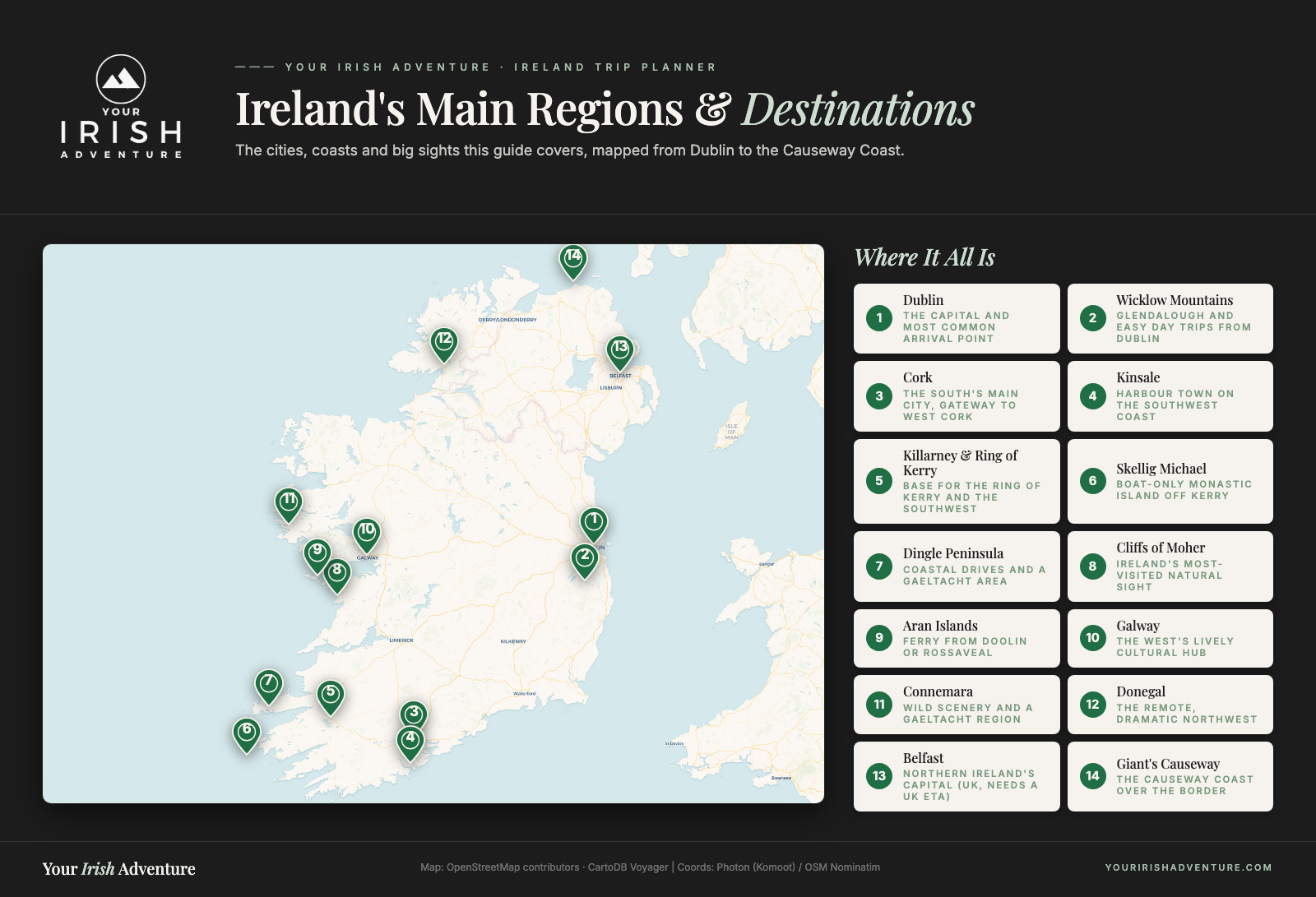
You won’t see the coast on your own schedule in this window, and that’s fine. A few days is enough to fall for the place and start planning the longer trip.
A week (5 to 7 days)
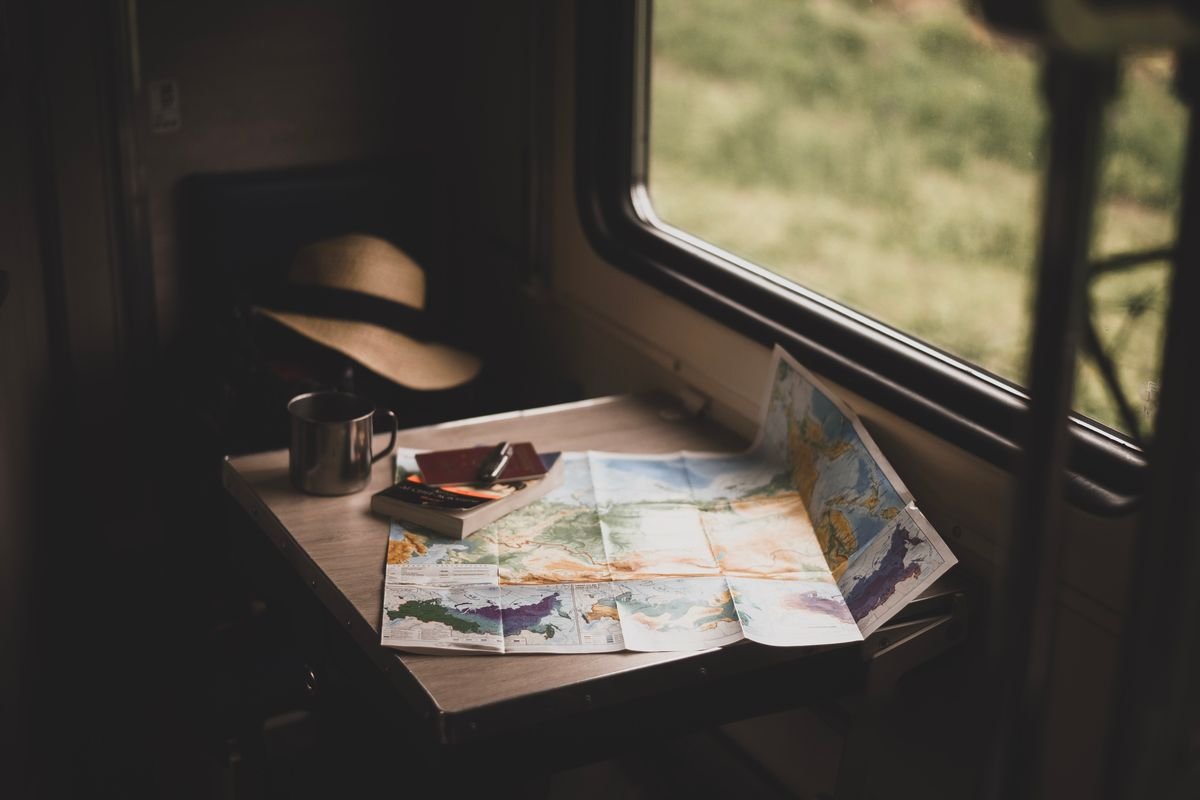
A week is the sweet spot for a first trip, and it’s where renting a car really starts to pay off. You’ve got enough time to see a city or two and string together a proper chunk of the coast without living in the car.
A classic week that works well:
- A couple of days in Dublin to start
- West to Galway and the Cliffs of Moher
- Down through the southwest: Killarney, the Ring of Kerry, and the Dingle Peninsula
- Finish in Cork or loop back toward Dublin
The temptation is to add the north and the east too. Don’t. Keep it to the bottom half of the country and you’ll have a trip you actually enjoyed instead of one you survived.
Ten days to two weeks
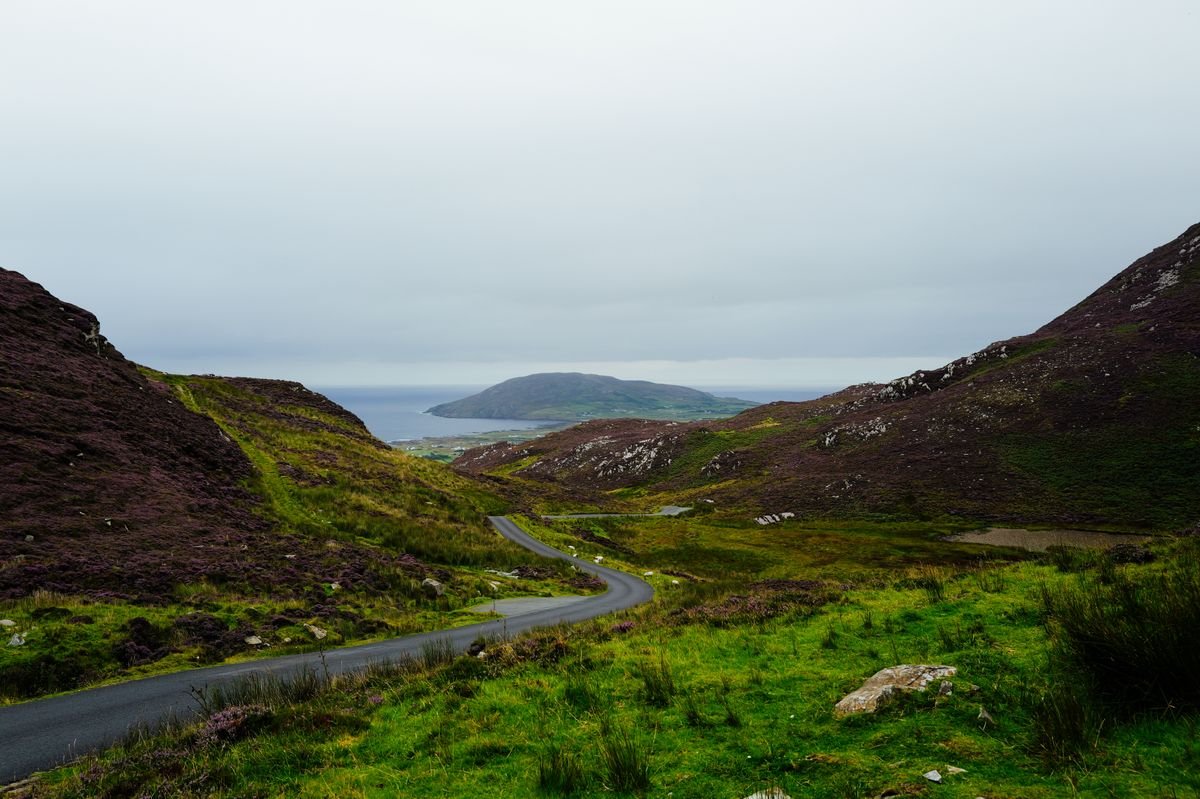
This is where Ireland opens out. With ten days to two weeks you can do the whole southern and western run at a pace that leaves room for the unplanned stops, which are the best part.
Two weeks also lets you add the north without it feeling crammed: Belfast, the Giant’s Causeway, and the Causeway Coast. Just remember that’s the UK, so you’ll want a UK ETA and some Pounds in your pocket.
If you’ve got the time, this is how I’d do Ireland. You’re not racing between sights, you can sit a while in the towns you like, and you can lose an afternoon when the weather turns without it wrecking the plan.
How long do you really need?
If I had to put one number on it: aim for 7 to 10 days for a first trip. That’s enough to get the cities and the best of the coast without rushing, and it’s a realistic amount of vacation to actually take off work.
Shorter works if you stay focused. Longer is better if you can swing it. The one thing that ruins an Ireland trip is trying to cram two weeks of sights into one. Slow down and see less, you’ll have a far better time.
Language, Customs, and Etiquette
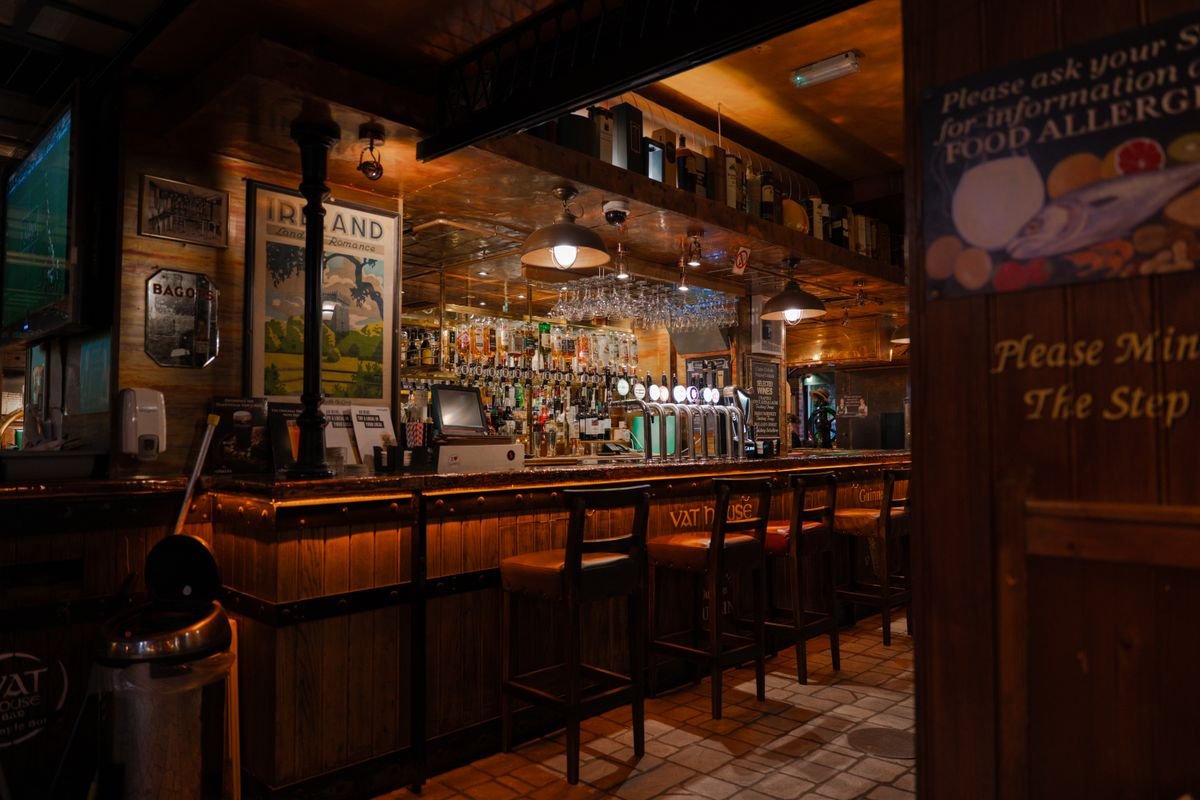
Here’s the easy part: everyone speaks English. Ireland is an English-speaking country, so you’ll never struggle to order a coffee, ask for directions, or read a menu. The language barrier you might worry about just doesn’t exist here.
Irish (Gaeilge) is the country’s first official language, and you’ll see it on every road sign right alongside the English. You won’t hear it spoken day to day in most of the country, but it’s taught in schools and it’s alive and well in pockets of the west.
Those pockets are called the Gaeltacht, mainly in parts of Donegal, Connemara, and the Dingle Peninsula, where Irish is the everyday language. Even there, everyone switches to English the second they need to. You don’t need a word of Irish to travel anywhere in the country.
The accents are another story. They shift a lot from county to county, and a thick Cork or Kerry accent can take a day or two to tune into. Just ask people to repeat themselves if you miss it, nobody minds at all.
A few words and phrases you’ll hear
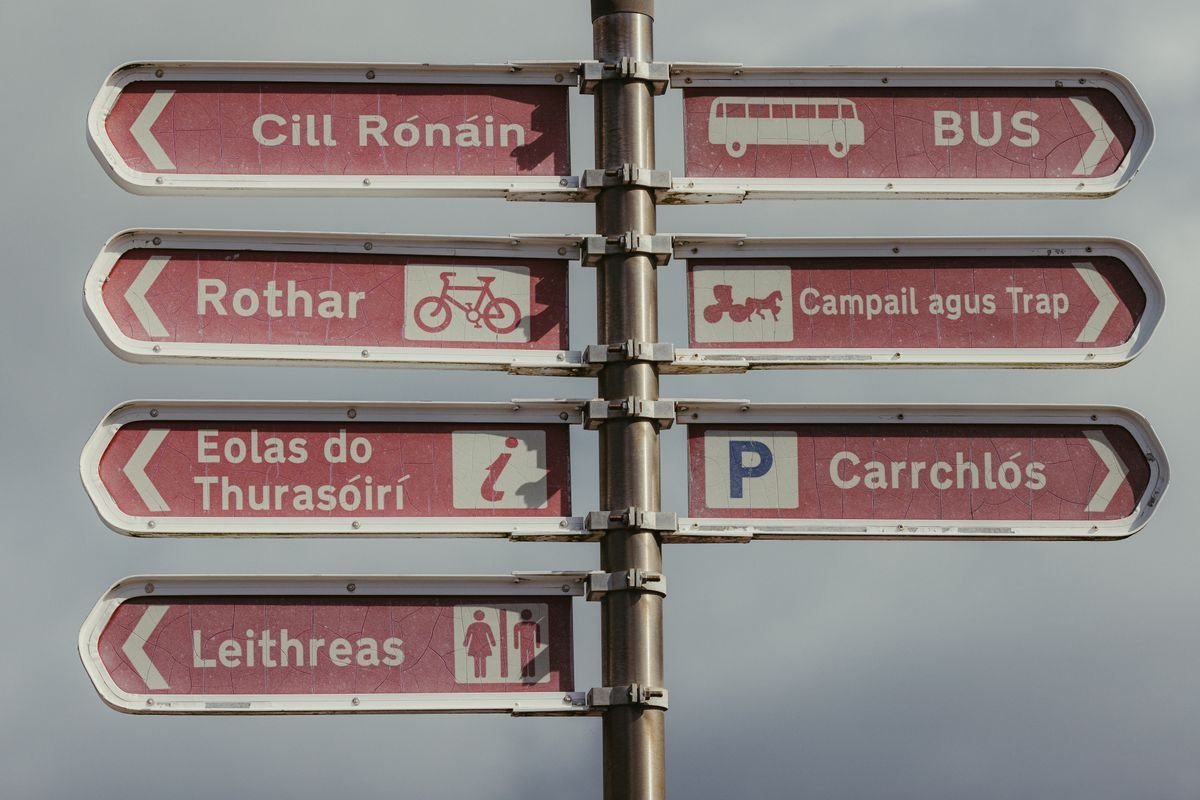
You’ll pick up the local turns of phrase fast, and knowing a few ahead of time helps. None of it is essential, it’s just fun to clock when you hear it:
- Craic (pronounced “crack”): fun, good times, good conversation. “What’s the craic?” just means “what’s up?” and “it was great craic” means you had a good time
- Grand: fine, okay, all good. “That’s grand” is the answer to almost everything
- Cheers: thanks, and also what you say clinking glasses
- Sláinte (pronounced “slawn-cha”): the Irish toast, basically “cheers” or “to your health”
- Gardaí: the police, so “the Guards” is who you’d call, not “the cops”
- Yer man / yer one: that guy / that woman, used for someone whose name nobody can remember
Pub etiquette and buying rounds
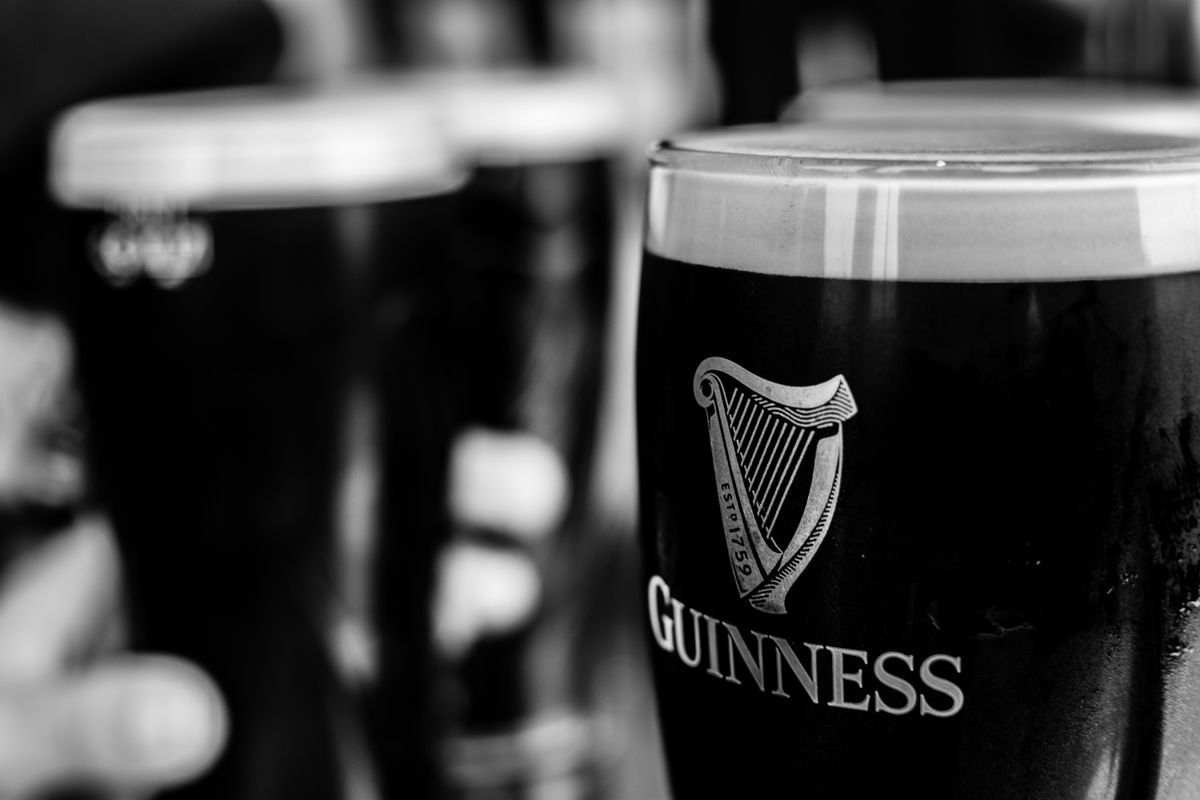
The pub is the heart of Irish social life, and it runs on a couple of simple customs. The big one is rounds. If you’re drinking in a group, people take turns buying drinks for everyone, and you’re expected to get yours when it’s your shout.
Don’t be the person who never buys a round. Skipping your turn gets noticed, and it’s the fastest way to look cheap. If you don’t want to drink that fast, just buy a round anyway and nurse a soft drink or a half. It’s the gesture that counts.
You order and pay at the bar, not at your table, and there’s no tipping the bartender for a pint. Find a spot, go up, order, pay, and bring it back yourself. Table service is for food, not drinks.
If there’s live music, a trad session in the corner, keep the chat down while the musicians are playing. They’re often just locals playing for the love of it, not a paid act, and talking over them is poor form. Clap, buy them a drink, and enjoy it.
General manners and conversation

Irish people are friendly and happy to chat, and small talk with strangers is normal here. A taxi driver, a shopkeeper, the person next to you at the bar, any of them might strike up a conversation, and it’s not them being nosy. Lean into it, it’s one of the best parts of the country.
Self-deprecation and dry, sarcastic humor are the national sport. If someone’s slagging you, gently taking the mick, it means they like you. Don’t take it the wrong way, give a bit back and they’ll love you for it.
A couple of things to go easy on. Don’t call Irish people British, the Republic of Ireland is its own country and that one lands badly. And the politics and history of Northern Ireland is a heavy subject best left for locals to raise, not you.
Past that, the bar is low. Say please and thanks, be patient, don’t be loud and obnoxious, and you’ll fit right in. Politeness goes a long way, and a quick “thanks a million” for any small kindness will get you a smile every time.
Staying Connected: SIM Cards and Wi-Fi
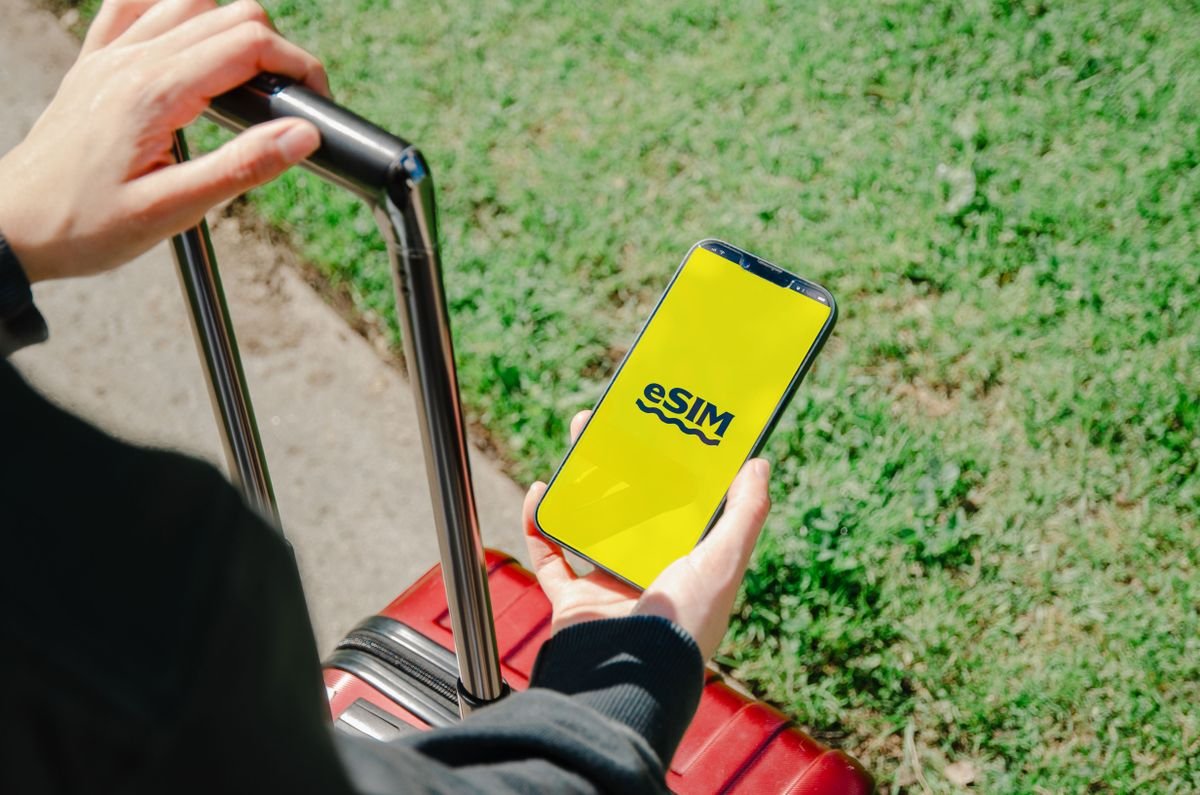
Getting online in Ireland is easy and cheap, and the coverage in towns and cities is solid. You’ve got three ways to handle it: an eSIM, a local physical SIM, or just paying your home carrier to roam. Sort one of these before you need Google Maps on day one.
The easy option: an eSIM
If your phone supports eSIM, and most newer iPhones and Android phones do, this is the simplest way to go. You buy an Ireland or Europe data plan from an app like Airalo or Holafly before you fly, scan a QR code, and you land already connected. No shop, no swapping the tiny tray, no hunting for a kiosk at the airport.
Plans are cheap, often a few dollars for several gigs, and you keep your home number active on your normal SIM for any texts or calls you can’t miss. For a one or two week trip, an eSIM is the move I’d recommend to a first-timer.
The cheapest data: a local SIM card
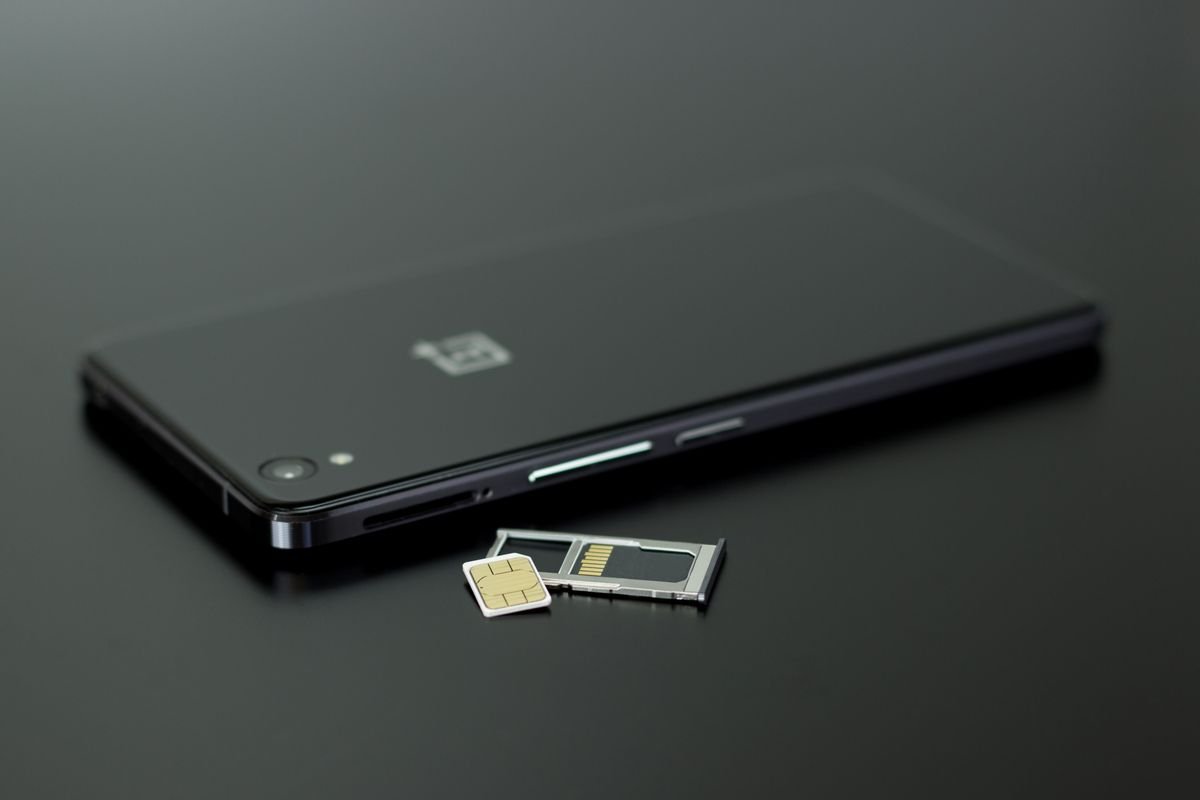
If your phone doesn’t do eSIM, or you just want the most data for your money, grab a prepaid SIM when you land. The main carriers are Three, Vodafone, and Eir, and Three usually has the best deals for tourists.
You can buy one at the airport, but the rates are better at a carrier shop or a supermarket in town. A prepaid plan with a big chunk of data runs around €20, and because Ireland is in the EU, that SIM also works across the rest of Europe at no extra cost if your trip continues on. Bring your passport, since you may need ID to register it.
Just roaming on your home plan

The no-effort option is to do nothing and let your home carrier roam. Some US plans include international data, others charge a daily fee, often around $10 a day, which adds up fast on a longer trip. Check exactly what yours costs before you fly, because an unexpected roaming bill is a brutal souvenir.
For a short city break where you barely care about data, a daily roaming pass is fine. For anything longer, an eSIM or a local SIM will cost a fraction of it.
Wi-Fi and coverage

Wi-Fi is everywhere you’d want it. Pretty much every hotel, guesthouse, cafe, and pub has free Wi-Fi, and a lot of buses and trains do too. You’re never far from a signal to upload photos or video-call home.
The catch is that mobile coverage gets patchy out in the remote countryside. Drive deep into Connemara, out on the peninsulas, or through the mountains and your signal will drop in spots. It’s not a problem if you plan for it.
The fix is simple: download offline Google Maps of the areas you’re driving before you leave Wi-Fi. That way your navigation keeps working even when the bars disappear, and you’re not stuck guessing at a junction on a boreen with no signal.
Where to Stay in Ireland
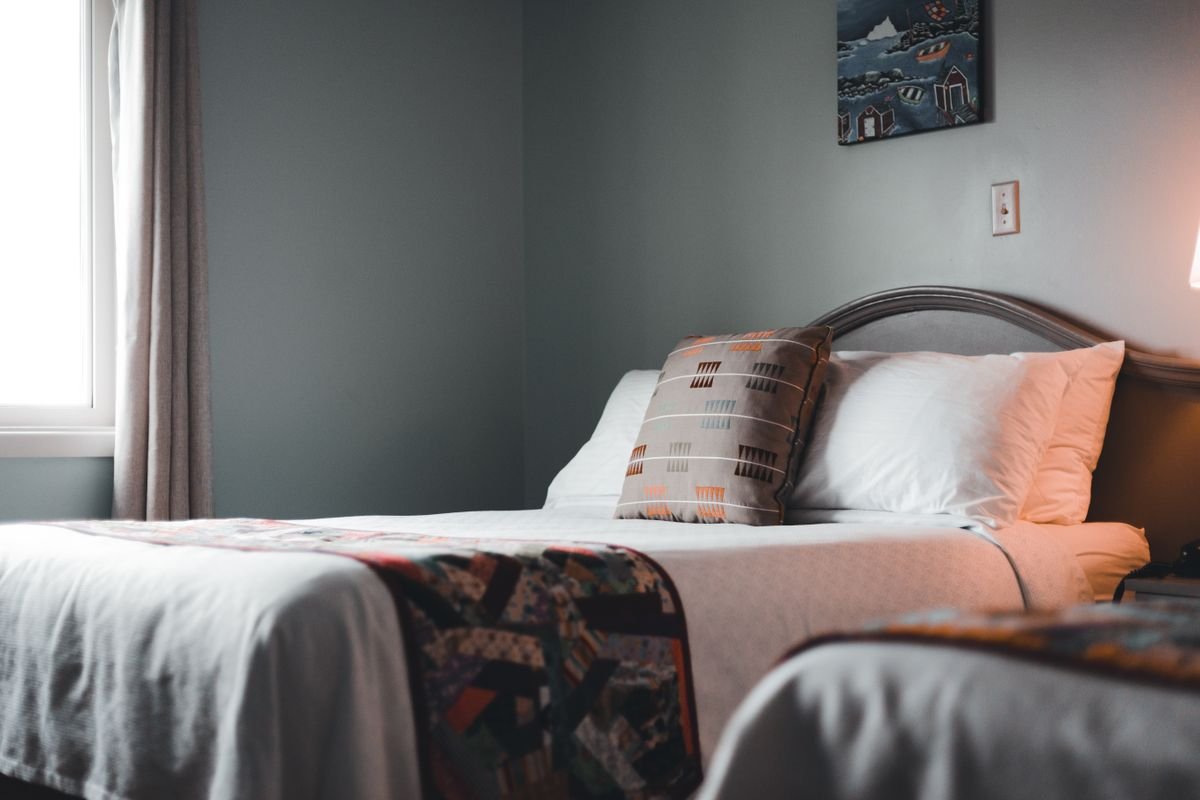
Ireland has more good places to stay than you might expect, and the type you pick shapes the trip as much as the route does. The country runs the full range, from city hotels to family-run B&Bs to self-catering cottages out in the middle of nowhere.
For a first trip, my advice is to mix it up. A night or two in the cities for the convenience, then B&Bs and guesthouses out in the towns and the countryside, where the value is better and the welcome is warmer. You can check availability on Booking.com to see what’s open across the country for your dates.
B&Bs and guesthouses

The Irish B&B is the one to seek out, and it’s a different thing from the bland version the name brings to mind. These are real homes and small guesthouses run by people who live there, and a proper cooked Irish breakfast comes with the room.
They’re cheaper than hotels, often €80 to €120 a night for two with breakfast, and the hosts are the part that makes them worth it. They’ll point you at the good pub, the better beach, and the road the tour buses don’t use. That local intel beats anything a hotel front desk hands you.
Hotels in the cities
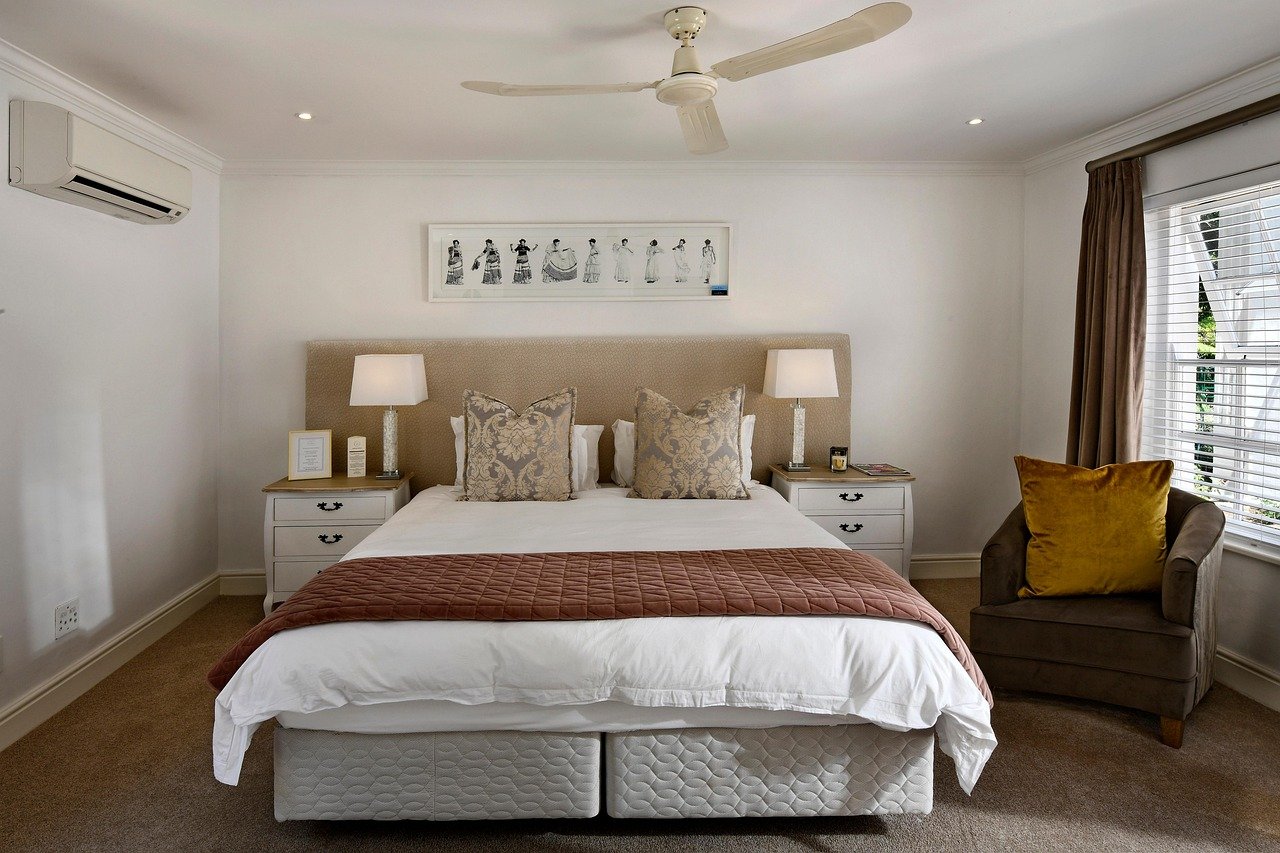
For the cities, a hotel earns its keep. You want to be central in Dublin, Cork, or Galway so you can walk to the pubs and the sights and not bother with parking or a taxi back. The trade-off is price, and Dublin in particular runs steep.
Book city hotels early, especially in summer and around any big event or festival, when the good-value rooms vanish weeks ahead. If you’re driving, check whether the hotel has parking and what it costs, since a city-center spot can add €20 or more a night on top of the room.
Self-catering cottages and Airbnbs
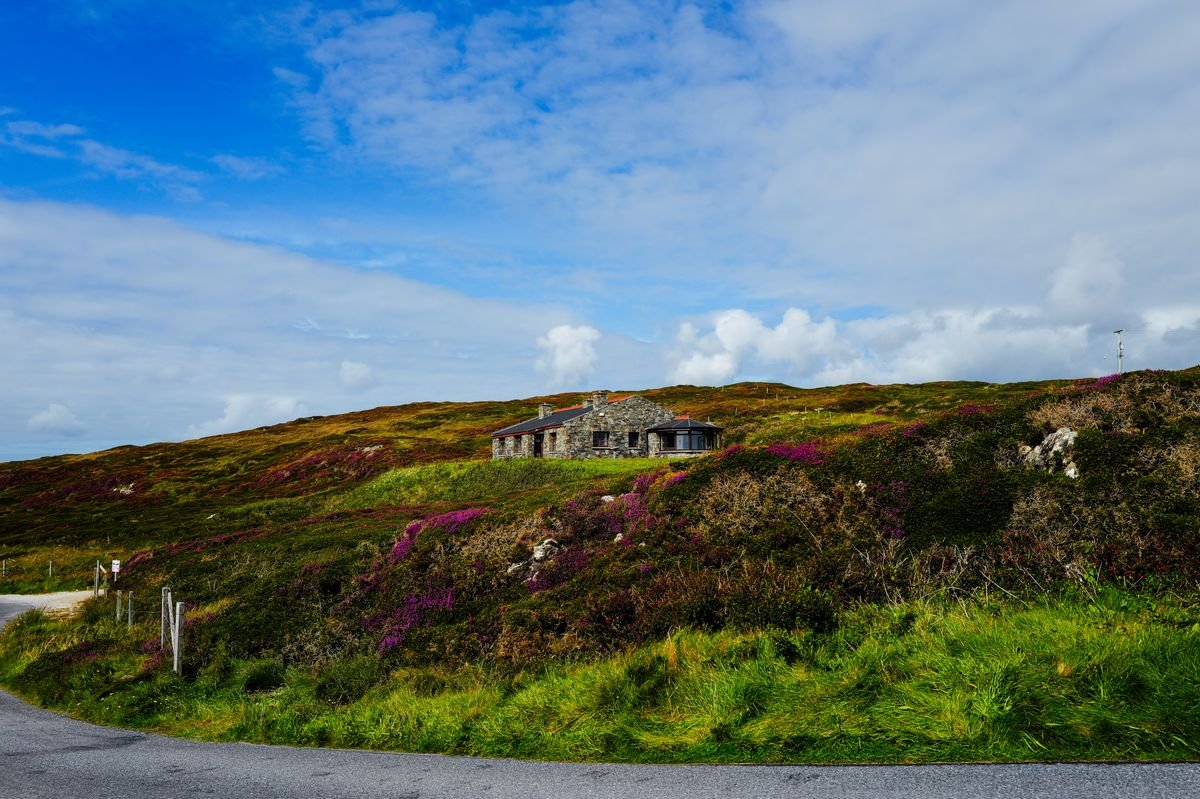
If you’re staying put in one region for several nights, a self-catering cottage or apartment is the smart play. You get a kitchen, more space, and a base to come home to, which makes a real difference on a longer trip when you’re tired of eating out every meal.
This is also the cheapest way to do it as a group or a family. Rent a cottage on the coast for a week, cook a few of your own meals, and your daily spend drops a lot. The catch is you’re committed to one area, so it suits a slow trip more than a touring one.
Hostels and budget options

Traveling cheap or solo? Ireland has a solid hostel network, and they’re not just for backpackers anymore. Most have private rooms alongside the dorms, so you can get your own space for less than a hotel and still use the kitchen and the common room to meet people.
The cities and the bigger tourist towns all have good ones, and they’re a fast way to find out where the night is happening. For a younger crowd or anyone watching the budget hard, they’re the move.
A few booking tips

Wherever you stay, a couple of habits save money and headaches:
- Book ahead in peak season (June to August) and around festivals, when the best-value places sell out first
- In the shoulder months and winter you can be more spontaneous, but rural B&Bs and guesthouses do cut back or close, so check before you turn up
- For a road trip, pick accommodation with its own parking, which is easy in the countryside and worth confirming in the cities
- Read recent guest reviews for the breakfast and the hosts at B&Bs, since that’s where the good ones separate from the rest
Get the mix right and where you sleep becomes part of the trip instead of just a bed. The cities for the buzz, the B&Bs for the people, and a cottage when you want to slow down. That combination is how I’d do Ireland.
Where to Stay Around Ireland
- Where to Stay in County Cork: Cork City vs West Cork
- Where To Stay in Killarney: Best Areas and Accommodations
- Where to Stay in Belfast: Best Areas & Hotels
- Where to Stay in Kinsale: Best Areas & Hotels
Best Tours in Ireland
You don’t need a tour to have a great trip in Ireland. With a rental car and a few days, you can see most of the big stuff on your own. But a few tours are worth booking, either because you can’t reach the spot without one or because a good guide makes the place ten times better.
The trick is knowing which ones earn the money and which ones just save you a bit of driving you’d have enjoyed doing yourself. Here’s how I’d split it.
The tours you can’t really do without
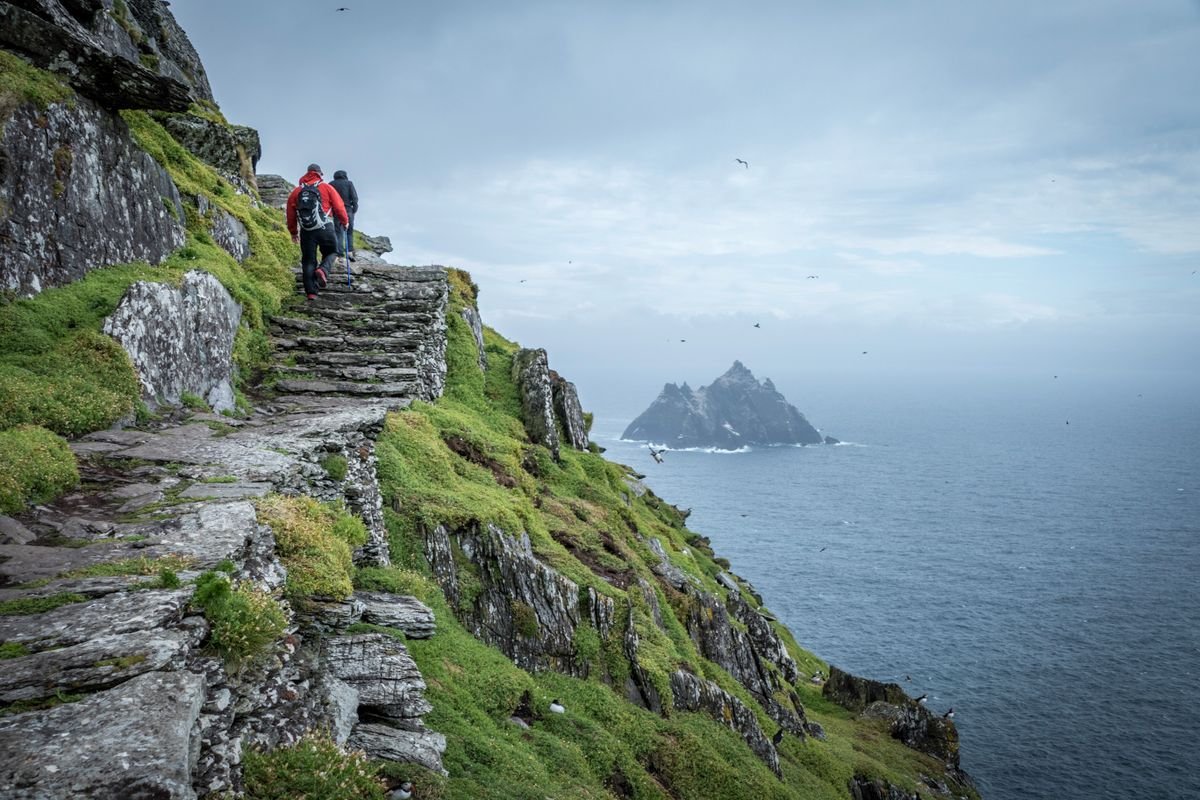
The standout is Skellig Michael, the jagged monastic island off the Kerry coast you might recognize from Star Wars. You can only get there on a boat tour, the operators are limited, and the landing trips sell out months ahead in summer. If you want to set foot on it, you book early or you don’t go.
The Aran Islands work the same way. You need a ferry from Doolin or Rossaveal to reach them, and once you’re there a bike or a pony-and-trap tour gets you around the stone walls and the Iron Age fort at Dún Aonghasa on the cliff edge. It’s a great day trip, and one you can’t do without the boat, so book the Aran Islands and Cliffs of Moher cruise on GetYourGuide ahead of time in summer.
Northern Ireland’s Causeway Coast is the other one I’d book a guide for if you’re not driving. The Giant’s Causeway, Carrick-a-Rede rope bridge, and the Dark Hedges string together on a long coastal run that’s a pain to do by bus on your own.
Day tours from the cities
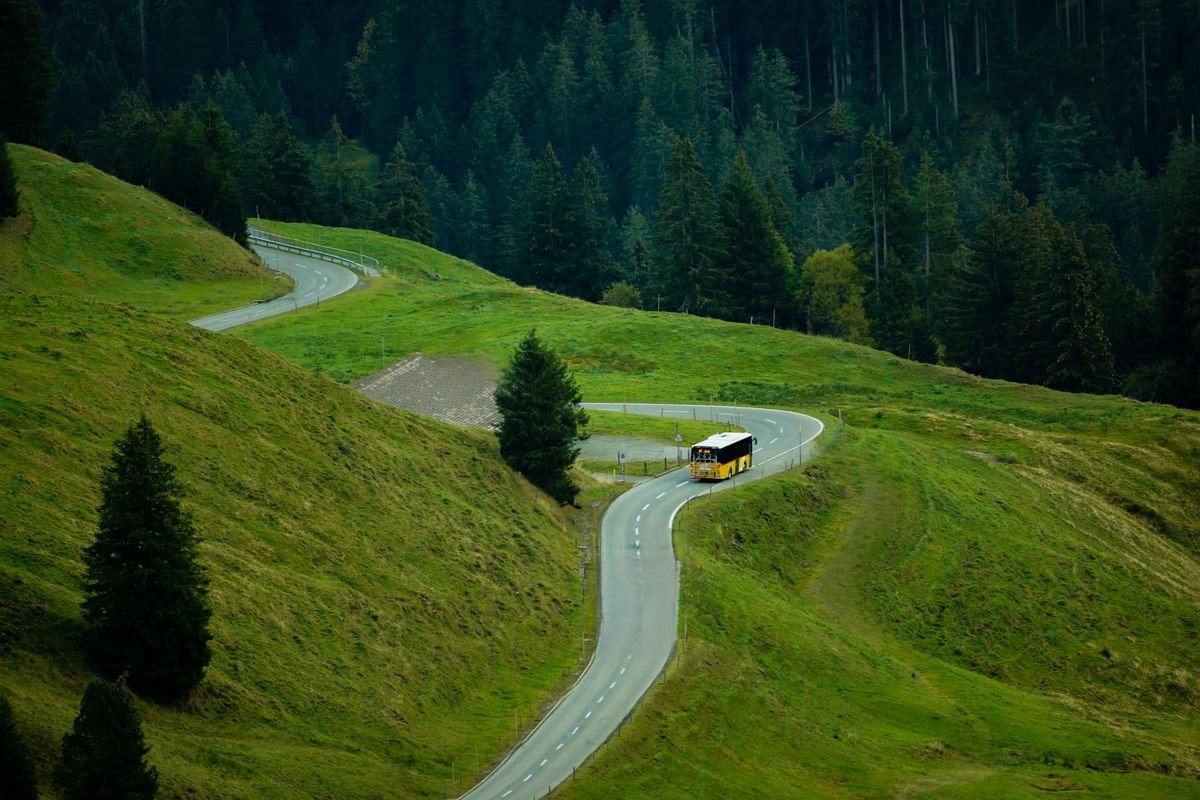
If you’re basing yourself in Dublin without a car, day tours are how you reach the countryside, and there are good ones. The Cliffs of Moher and Galway run as a long day out of Dublin, and so do Glendalough and the Wicklow Mountains, which sit much closer and make an easier half-day. If the Cliffs are top of your list, you can book this Cliffs of Moher and Galway day tour from Dublin on GetYourGuide.
From Killarney, the Ring of Kerry and the Gap of Dunloe are the classics, and a tour saves you the stress of those narrow roads while someone else does the driving. From Galway, Connemara and the Cliffs are the obvious picks.
Just go in clear-eyed about what a long-distance day tour is. The Cliffs from Dublin is a lot of hours on a bus for a couple of hours at the destination. It’s worth it if you’re car-free, but if you’re driving anyway, you’ll have a better day doing it yourself and stopping where you like.
The tours worth it even if you have a car
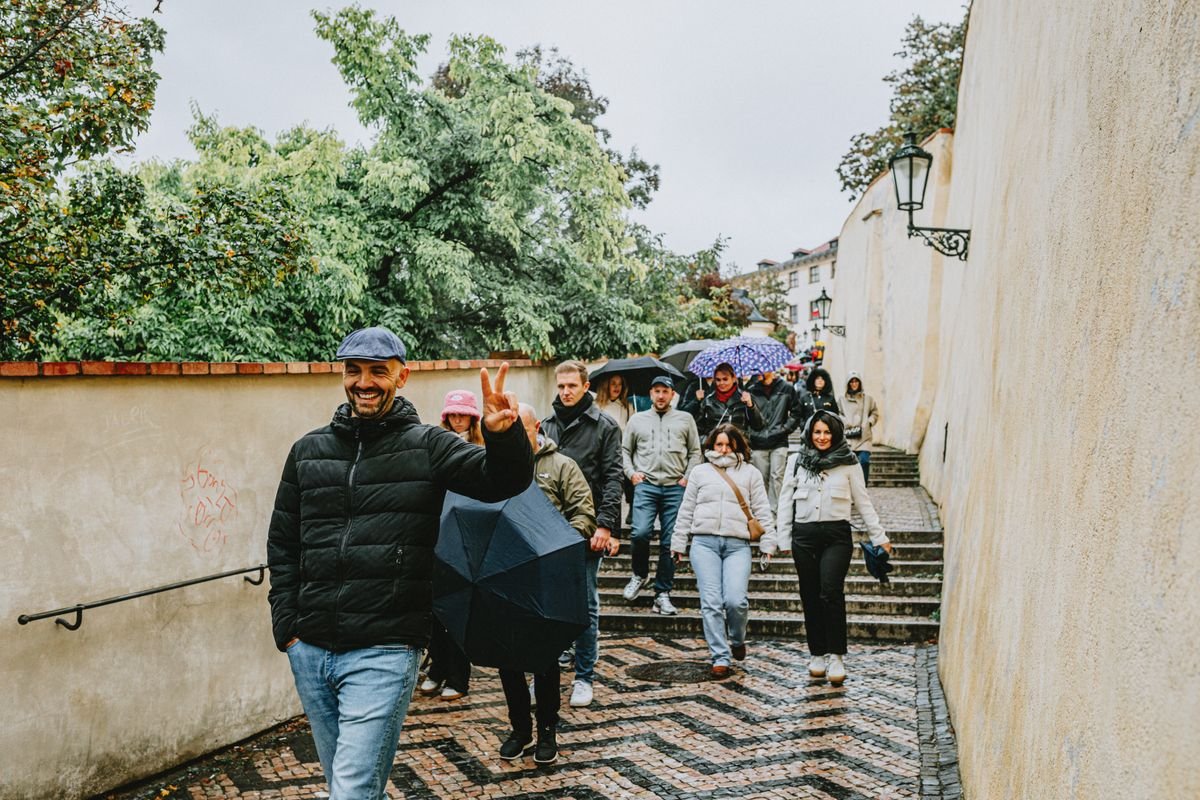
A few tours are worth it for the guide alone. These are the ones I’d book even with a car parked outside.
- A pub crawl or trad-music tour in Dublin, Galway, or Cork, where a local walks you to the bars with the real sessions instead of the tourist ones
- A walking history or literary tour of Dublin, which is light on big monuments, so the stories are what carry it
- A whiskey distillery tour at Jameson, Teeling, or one of the smaller craft distilleries, where the tasting is the point
- A food tour in a city like Galway or Cork, a fast way to find the good restaurants and markets on day one
- A guided walk at a site like Newgrange or the Rock of Cashel, where the history is the whole point and a good guide explains what you’re actually looking at
👉 Read our full guide to Newgrange.
A few booking tips
Book the ones that cap their numbers as far ahead as you can. Skellig Michael landings, Aran Islands ferries in peak summer, and the better small-group tours sell out, and turning up hoping for a spot is how people miss the thing they came for.
For everything else, you’ve got room to be relaxed. Read recent reviews, lean toward a small-group tour over a packed tour bus where you can, and don’t fill your trip with so many tours that you’ve no time to just wander. The best Ireland days are often the unplanned ones, so leave space for them.
Aran Islands and Cliffs of Moher Cruise from Galway
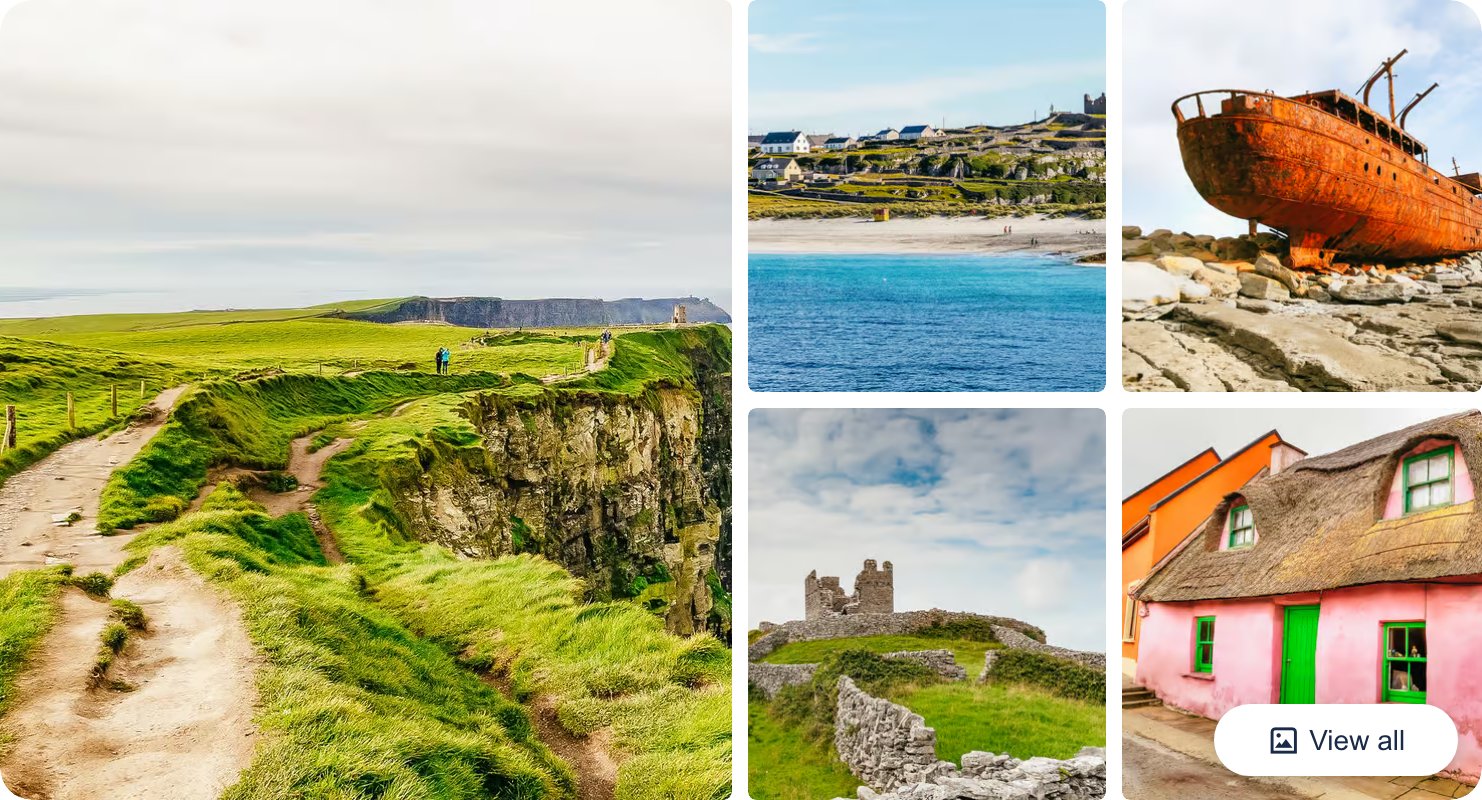
This day trip runs from Galway out to Inis Mór, the biggest of the Aran Islands, with time to cycle or walk to Dún Aonghasa before the boat cruises along the base of the Cliffs of Moher on the way back, so you see them from the water instead of the top.
👉 Check Aran Islands and Cliffs of Moher Cruise from Galway Availability and Reviews
Cliffs of Moher, Burren and Galway Day Tour from Dublin
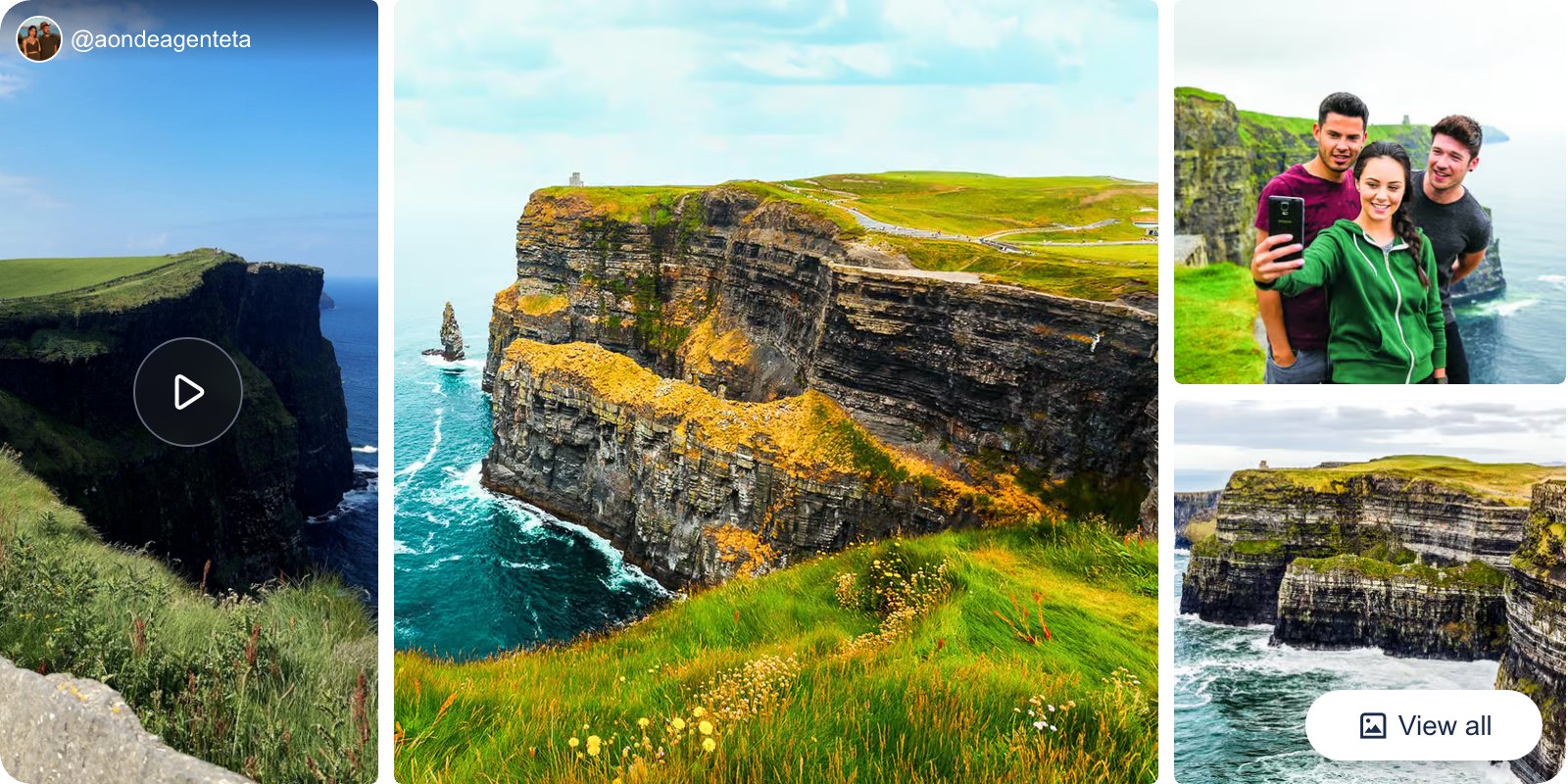
This is the long day out of Dublin if you don’t have a car, leaving the city early and covering the Cliffs of Moher, the limestone Burren, and Galway City before heading back in the evening. It’s a lot of bus time for a couple of hours at the cliffs, but it’s the easiest way to reach the west coast without driving yourself.
👉 See what’s included on the Cliffs of Moher, Burren and Galway Day Tour from Dublin
Things to Do Around Ireland
- 15 Best Things To Do in Kinsale, Ireland
- 21 Amazing Things To Do in West Cork This Summer
- 21 Unique Things To Do in Kerry, Ireland – The Kingdom County
- The Best Castles in Ireland
Frequently Asked Questions
A few quick answers to the questions first-time visitors ask most before traveling to Ireland.
Is Ireland safe to visit?
Yes. Ireland is one of the safer countries you can travel, with very little violent crime aimed at tourists. The usual city-center common sense applies, watch your stuff in busy spots and around Dublin nightlife, but you’ll never feel on edge.
Do I need a car in Ireland?
Only if you want the coast and the small towns on your own schedule, which is what a first Ireland trip is usually about. For a city-focused trip you can lean on trains, buses, and the odd day tour and never touch a steering wheel.
What currency does Ireland use?
The Republic of Ireland uses the Euro. Northern Ireland is part of the UK and uses the British Pound, so if you’re crossing the border you’ll want some of both. Cards work nearly everywhere, but carry a little cash for rural spots.
Do people in Ireland speak English?
Yes, English is spoken everywhere. You’ll see Irish on the road signs and hear it in a few western pockets, but you don’t need a word of it. The only thing to adjust to is a thick local accent, and a quick “say that again?” sorts it.
When is the best time to visit Ireland?
May and September are the sweet spot: long days, decent weather, and fewer crowds than peak summer. July and August give you the warmest, brightest days but the biggest crowds and the highest prices. Winter is cheap and quiet, and better for a city break than a coast road trip.
How many days do you need in Ireland?
Aim for 7 to 10 days for a first trip. That’s enough to see a city or two and the best of the coast without rushing. Less works if you stay focused on one region, and the one thing that ruins a trip is cramming the whole island into a week.
Do I need to tip in Ireland?
Not like in the US. Leave 10% to 15% at a sit-down restaurant if the service was good, round up for taxis, and tip nothing at the bar for a pint. Nobody chases you for it, so tip when it’s earned and don’t stress about it.
Will my phone work in Ireland?
It will. The cheapest, easiest fix is an eSIM you set up before you fly, or a local prepaid SIM when you land. Coverage is solid in towns and cities and patchy out in the remote countryside, so download offline maps before you drive the back roads.
In short
- The Republic uses the euro, Northern Ireland the pound.
- US, Canadian, Australian, and New Zealand visitors get 90 days visa-free.
- ETIAS doesn’t apply to Ireland, but Northern Ireland needs a UK ETA.
- Visit in May or September, and give a first trip a week.
- You drive on the left, so pack layers and a waterproof.
Final Thoughts
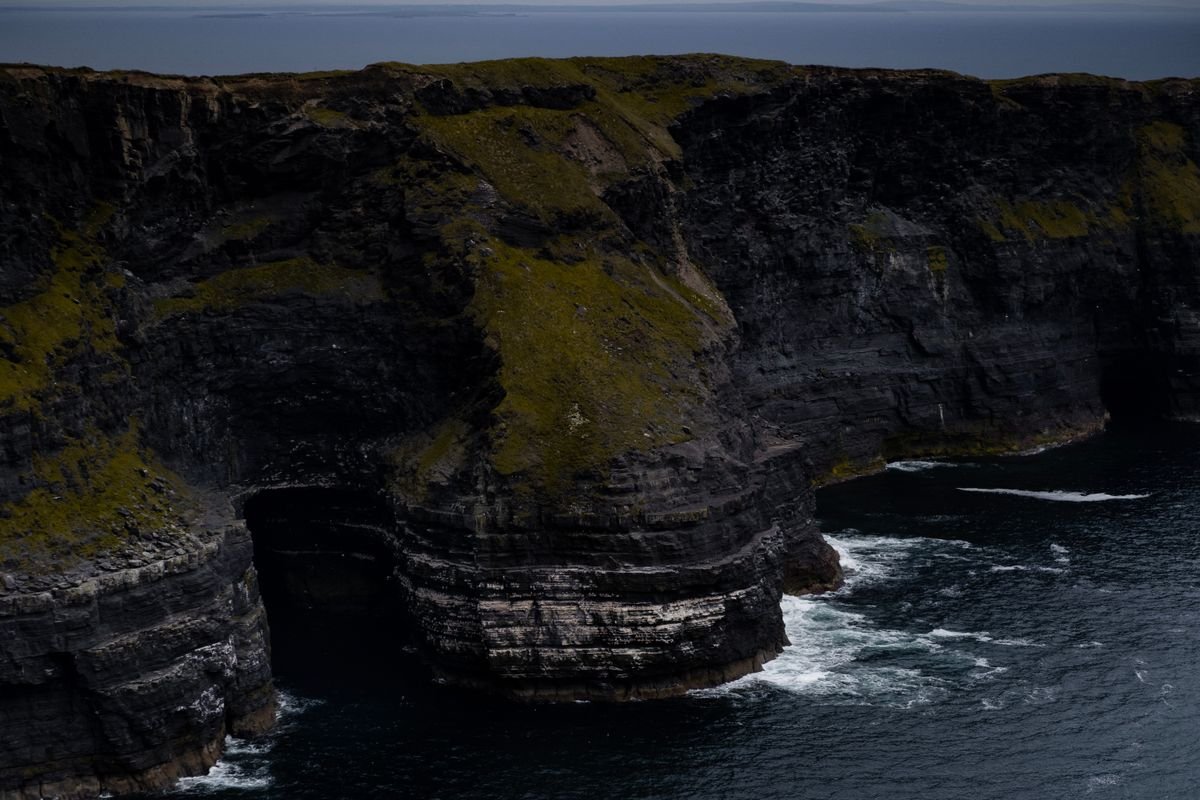
Here’s the thing about Ireland: it’s one of the easiest countries you’ll ever travel, and almost nothing on this list is hard to sort. Get a few small calls right before you go and the rest takes care of itself.
If you only remember a handful of things, make it these. Pack a waterproof jacket with a hood and skip the umbrella. Get a no-foreign-fee card and a little cash. Rent a car if you want the coast, and book the automatic early. Pick Euros at every machine. That’s most of the battle won.
The biggest mistake first-timers make isn’t the driving or the weather. It’s trying to see the whole island in a week. Pick a region, slow down, and leave room for the days that go sideways. The best parts of Ireland are usually the ones you didn’t plan, the pub you ducked into out of the rain, the road you pulled over on for no reason.
Sort the practical stuff, then stop worrying about it. The people are friendly, the country is safe, everyone speaks English, and you’ll be grand. Go, drive slow, talk to strangers, and let the weather do what it wants.
Like it? Pin it!
Save this guide for later